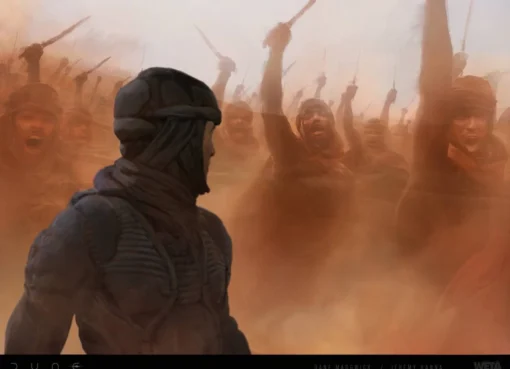
The Evolution of Visual Development: Analyzing the Latest Landmarks in Concept Art and Production Design
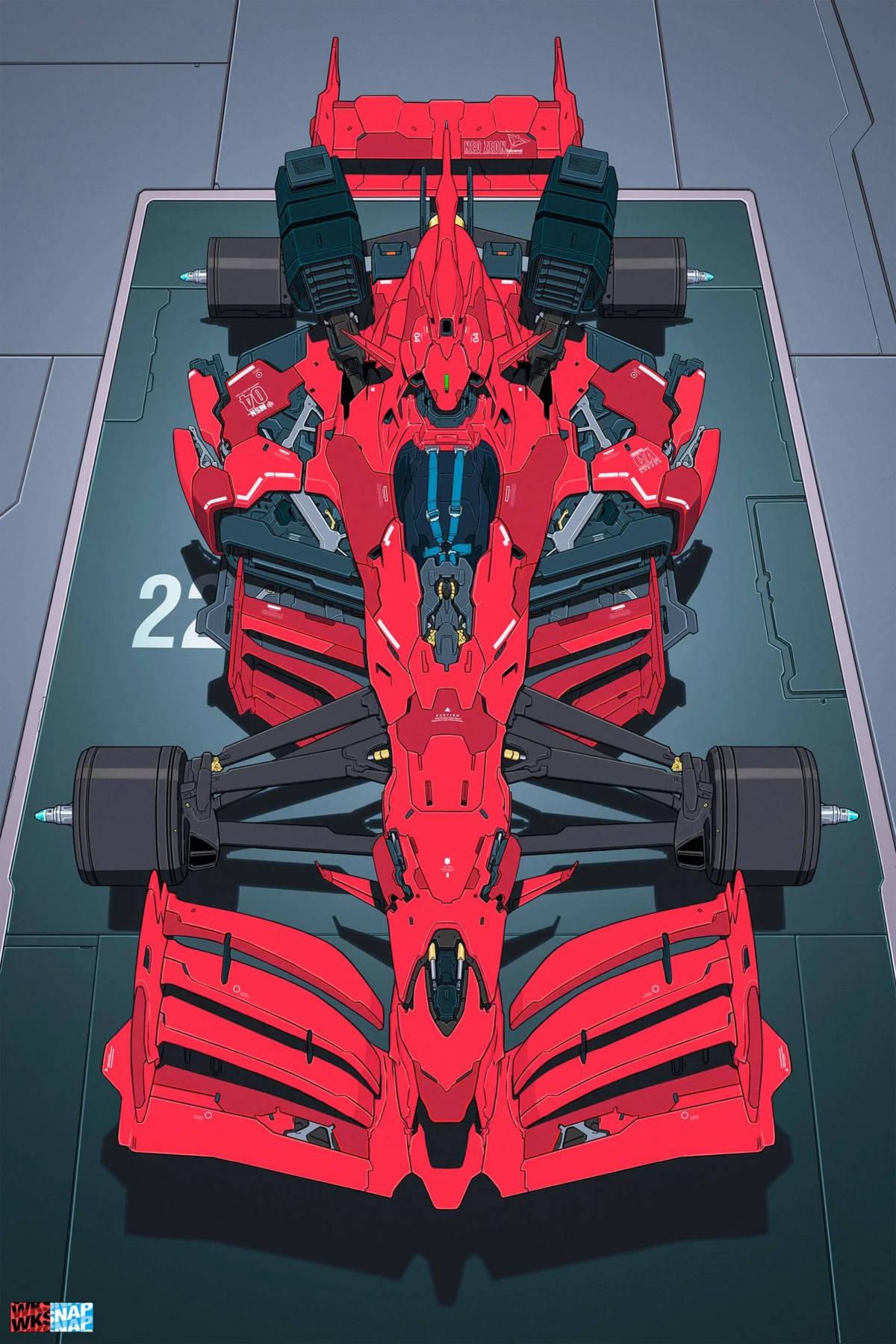
The entertainment industry is currently witnessing a transformative era in visual storytelling, where the lines between traditional illustration, industrial design, and digital architecture are increasingly blurred. This evolution is perhaps most visible through the curated showcases of Concept Art World (CAW), a premier industry resource that recently highlighted a series of seminal works ranging from the technical precision of Scott Robertson’s vehicle designs to the expansive world-building of the Star Wars and Avatar franchises.
As the industry grapples with technological shifts and the controversial rise of generative artificial intelligence, these curated releases serve as a testament to the enduring necessity of human-led creative vision. By examining the recent features on Scott Robertson, John J. Park, Ben Procter, and the production team of The Acolyte, we can gain a comprehensive understanding of the current state and future trajectory of concept art.
Main Facts: A Convergence of Technical Mastery and Narrative Depth
The recent updates from the visual development community highlight four distinct pillars of modern concept art: technical industrial design, character-driven storytelling, franchise-wide world-building, and legacy cinematic production.
The Technical Blueprint: Scott Robertson’s DRIVE
Scott Robertson, a titan in the world of design education and transportation aesthetics, has re-emerged in the spotlight with DRIVE: Vehicle Sketches and Renderings. Robertson’s work is not merely about drawing cars; it is about the intersection of physics, aerodynamics, and futuristic fantasy. His approach emphasizes the "how" and "why" of mechanical design, providing a blueprint for how imaginary vehicles should function within their respective environments.
Character and Combat: John J. Park’s Assassins and Warriors
In contrast to the mechanical focus of Robertson, John J. Park’s recent showcase of Assassins and Warriors highlights the importance of character silhouette and narrative-driven costume design. Park, a veteran of major gaming and film projects, demonstrates how concept art serves as the primary tool for establishing the "mood" of a protagonist or antagonist before a single frame of film is shot or a line of code is written.
Franchise Expansion: The Art of Star Wars: The Acolyte
The release of The Art of Star Wars: The Acolyte represents the latest chapter in the most documented visual history in cinema. This collection showcases how artists are tasked with maintaining the iconic "Star Wars" aesthetic while carving out a unique visual identity for the High Republic era—a period characterized by more opulent, pristine designs compared to the "lived-in" look of the original trilogy.
Legacy and Innovation: Ben Procter’s Avatar Designs
Reflecting on the 2009 landmark film Avatar, the resurgence of Ben Procter’s concept designs reminds the industry of the sheer scale required for modern blockbusters. Procter’s work on James Cameron’s epic was foundational in bridging the gap between traditional concept painting and 3D asset creation, a workflow that has now become the industry standard.
Chronology: The Journey from Sketchpad to Screen
The development of these projects follows a timeline that mirrors the broader history of digital art in the 21st century.
- The 2009 Breakthrough (The Avatar Era): Ben Procter’s work on Avatar (2009) marked a chronological turning point. During this period, concept artists moved from being "illustrators" to "visual developers." The need to create a biologically and mechanically consistent world like Pandora required artists to work hand-in-hand with scientists and engineers, setting a new bar for production design.
- The Educational Shift (2010s): Figures like Scott Robertson recognized that the complexity of digital production required a more rigorous understanding of perspective and form. Through his publications and teaching, Robertson codified the "Design Studio Press" style, which influenced a generation of artists to prioritize structural integrity over mere decoration.
- The Freelance Boom (2015–Present): Artists like John J. Park emerged as leaders in an era where high-end concept art became decentralized. The rise of independent studios and the demand for "cinematic keyframes" in the gaming industry allowed for a more stylized, painterly approach to character design to thrive alongside hyper-realistic technical work.
- The Modern Franchise Era (2024): The release of The Acolyte represents the current "peak content" era, where concept art is no longer just a production tool but a marketable product. The "Art Of" books are now essential components of a franchise’s cultural footprint, providing fans with a deeper look into the creative labor behind the screen.
Supporting Data: The Economic and Cultural Value of Visual Development
While concept art is often viewed through an aesthetic lens, its economic impact on the entertainment industry is quantifiable. According to industry reports, the global concept art market—encompassing film, video games, and animation—has seen a steady growth rate as visual fidelity becomes a primary selling point for consumers.
- Production Efficiency: Accurate concept art can reduce production costs by up to 20% by preventing "re-dos" in the 3D modeling and VFX stages. When an artist like Ben Procter provides a detailed blueprint, it streamlines the pipeline for hundreds of VFX artists.
- Educational Impact: Scott Robertson’s instructional materials have become the standard curriculum in top-tier design schools like ArtCenter College of Design. The proliferation of these techniques has raised the "floor" of quality across the industry.
- IP Protection: A critical data point found in Concept Art World’s recent updates is the explicit prohibition of AI training on their featured content. This reflects a growing movement among creative professionals to protect their intellectual property (IP) from being scraped by Large Language Models (LLMs), ensuring that the economic value of human creativity remains intact.
Official Responses and Industry Stance
The creative community has been vocal about the preservation of traditional skills in an increasingly automated world. Concept Art World (CAW), acting as a collective voice for many of these artists, has taken a firm stance on the ethics of digital art.
In a statement regarding their content policy, CAW clarified: "All images are © by the artist(s) or their respective copyright holders. Any training of AI systems using this content is strictly prohibited."
This response is not just a legal disclaimer; it is a declaration of value. Industry leaders like John J. Park have frequently discussed the "soul" of concept art—the idea that an artist’s choices are dictated by narrative intent and emotional resonance, qualities that current AI algorithms cannot replicate.
Furthermore, the involvement of artists like Ben Procter in high-stakes projects like Avatar and Prometheus underscores the trust that directors like James Cameron and Ridley Scott place in human designers. For these directors, the concept artist is a "world-builder" who must understand the internal logic of a story, a task that requires a deep understanding of human psychology and history.
Implications: The Future of the Creative Professional
The highlights from Scott Robertson, John J. Park, and the Star Wars design teams suggest several key implications for the future of the industry.
1. The "Human Premium"
As AI-generated imagery becomes more common, the industry is likely to see a "Human Premium" placed on artists who can demonstrate deep technical knowledge and a unique authorial voice. The precision of Scott Robertson’s DRIVE serves as a benchmark that requires years of study to master, making it a high-value asset that cannot be easily replaced by prompt-based generation.
2. The Rise of "World-Building" as a Service
Concept art is moving beyond single images. The work seen in The Acolyte and Avatar shows that artists are now responsible for creating entire "bibles" of design—encompassing language, biology, architecture, and social hierarchy. This holistic approach to design will likely become the standard for any franchise aiming for longevity.
3. Ethical and Legal Re-evaluations
The strict anti-AI training stance adopted by platforms like CAW suggests a looming legal battle over the rights of visual developers. As concept art is often the "DNA" of a billion-dollar film franchise, the protection of these initial sketches is becoming as important as the protection of the final film itself.
4. Integration of Virtual Production
The designs of Ben Procter and the Star Wars teams are increasingly tailored for "The Volume" (virtual production stages). This means concept artists must now understand real-time rendering engines like Unreal Engine, further expanding the skill set required for the role.
Conclusion
The recent features from Concept Art World provide more than just a gallery of beautiful images; they offer a snapshot of an industry at its peak. From the mechanical rigor of Scott Robertson to the cinematic vistas of Avatar and the character-rich worlds of John J. Park, it is clear that concept art remains the bedrock of modern entertainment.
As the industry moves forward, the focus will remain on the delicate balance between utilizing new tools and preserving the fundamental principles of design. The prohibition of AI training on these works serves as a reminder that at the heart of every iconic film or game is a human artist—a designer whose imagination, informed by experience and emotion, creates the worlds we love to inhabit. The legacy of these artists ensures that even in a digital age, the human touch remains the most essential component of the creative process.