The Golden Goblet Returns: Tony Leung Chiu-wai and the Global Ambitions of the 28th Shanghai International Film Festival
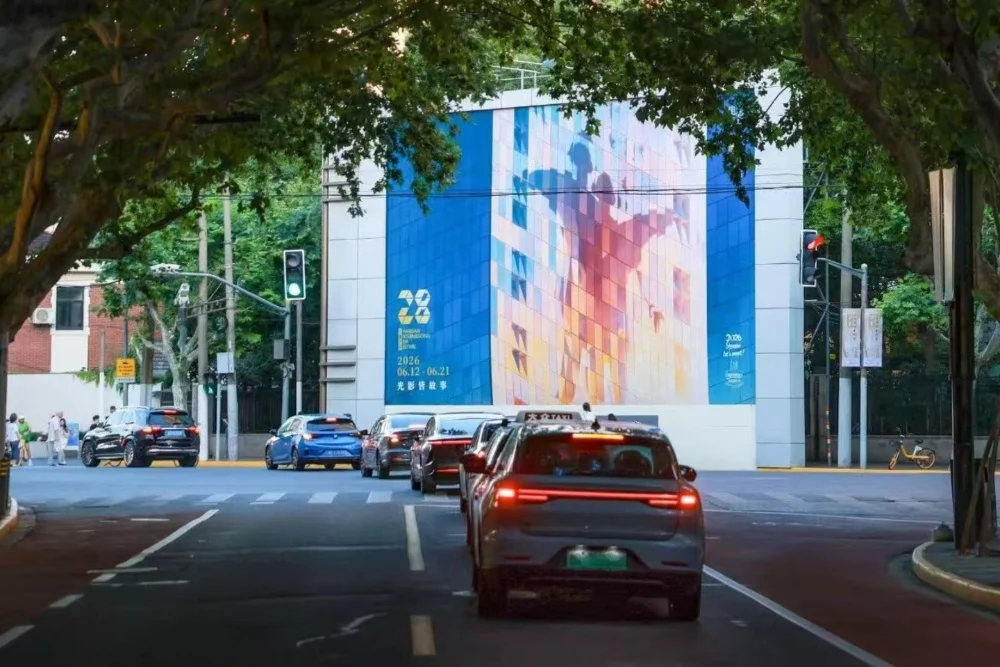
The 28th Shanghai International Film Festival (SIFF) has officially commenced, transforming the historic metropolis into a global hub for cinematic discourse, artistic exchange, and industry innovation. This year, the festival carries a particular weight of prestige, anchored by the presence of Hong Kong screen icon Tony Leung Chiu-wai, who presides over the Golden Goblet Awards as jury president. As mainland China’s sole FIAPF-recognized A-list festival, SIFF continues to solidify its position as the premier gateway between the Chinese film market and the international cinematic community.
Main Facts: A Convergence of Global Talent and Local Mastery
The 28th edition of SIFF is characterized by a high-stakes Main Competition featuring 12 world premieres. This selection underscores the festival’s growing influence as a destination for filmmakers to debut their most ambitious works. The presence of Tony Leung Chiu-wai provides a bridge between the classic era of Asian cinema and the contemporary global stage. Leung, fresh from receiving the Golden Lion for Lifetime Achievement at the Venice Film Festival in 2023, brings a level of gravitas to the jury that resonates with both domestic audiences and international observers.
The Golden Goblet Awards remain the festival’s centerpiece, with a diverse array of films vying for top honors. This year’s competition is notably eclectic, featuring a spectrum of genres and narratives that challenge traditional boundaries. Highlights include surrealist biopics originating from mainland China, poignant eco-dramas from Morocco, and absurdist comedies from Germany. This stylistic variety reflects a deliberate effort by the selection committee to showcase the breadth of modern filmmaking.
The festival’s bookends—the opening and closing films—serve as a microcosm of the current state of Chinese cinema. The opening film, Afterpiece, directed by Hong Kong’s Keane T.K. Wong, is a cerebral, moody meditation on the nature of art and the vulnerability of performance. In contrast, the closing film, The Decisive Moment, is a high-octane sci-fi thriller depicting Chinese astronauts navigating a perilous space mission. Together, these films illustrate the industry’s ability to pivot between intimate, character-driven narratives and large-scale, technologically sophisticated genre exercises.
Chronology: The Evolution of SIFF as an A-List Powerhouse
To understand the significance of the 28th edition, one must look at the trajectory of the Shanghai International Film Festival since its inception in 1993. Over three decades, SIFF has evolved from a regional showcase into a vital node in the international festival circuit.
- The 1990s – Early 2000s: SIFF established its foundation, gaining recognition from the International Federation of Film Producers Associations (FIAPF). It became the first—and remains the only—competitive non-specialized film festival in China to hold "A-list" status, putting it in the same league as Cannes, Venice, and Berlin.
- The Mid-2010s: The festival launched the "Belt and Road Film Festival Alliance," a strategic move that aligned cultural exchange with China’s broader geopolitical and economic initiatives. This period saw a surge in participation from Eastern Europe, Southeast Asia, and the Middle East.
- 2023 – Present: Following the global disruptions of the pandemic, SIFF 2023 marked a triumphant return to physical screenings and international attendance. Tony Leung’s appointment as Jury President in 2024 is seen as the culmination of this "comeback" era, signaling that the festival is once again operating at full global capacity.
- June 2024: The current edition runs through June 21, featuring over 420 films selected from a staggering pool of 4,100 submissions across 125 countries and regions.
Supporting Data: Diversity, Scale, and the Selection Process
The scale of the 28th SIFF is reflected in the sheer volume of its programming and the rigor of its selection process. Out of 4,100 submissions, only about 10% were selected for screening, ensuring a high standard of quality across all categories.
| Metric | Detail |
|---|---|
| Total Submissions | ~4,100 |
| Total Films Selected | 420+ |
| Countries Represented | 125 |
| Main Competition World Premieres | 12 |
| Talent Incubation Pillars | 3 (PROJECT, ING, YOUNG) |
Chen Guo, the managing director of the Shanghai International Film & TV Events Center, emphasized that the selection process is not merely about volume but about thematic and demographic balance. The programming team analyzed submissions based on geographic representation, gender diversity, and generational shifts. This data-driven approach aims to ensure that the Golden Goblet Awards reflect the multifaceted reality of the global film industry rather than a narrow, Eurocentric or purely domestic view.
Official Responses: Philosophy and Strategic Vision
The leadership at SIFF has been vocal about the festival’s dual mission: to uphold artistic integrity while fostering international diplomacy. Chen Guo provided insight into the criteria that define a "SIFF film."
“Across all categories, our selection process is guided by two fundamental considerations: the values reflected in each work and its premiere status,” Chen stated. “We also take into account factors such as geographic representation, as well as the diversity of filmmakers in terms of gender and generation, to reflect the diversity and inclusiveness that define the Awards.”
Regarding the appointment of Tony Leung, Chen noted that his international influence is a perfect match for the festival’s ambitions. “We have long admired Tony Leung Chiu-wai for both his artistic achievements and his international influence,” she said, highlighting the festival’s desire to align itself with icons who command global respect.
Chen also addressed the festival’s role in cultural diplomacy, specifically the "Egyptian Film Week," which marks the 70th anniversary of China-Egypt diplomatic relations. “Curating themed programs for major diplomatic and cultural milestones is our long-held practice,” Chen explained. She added that these initiatives are designed to “build a communication channel for filmmakers and institutions from both sides, transforming cultural showcases into in-depth, long-term industrial cooperation.”
On the topic of technology—a major theme this year—Chen offered a tempered perspective. While SIFF is showcasing 4K restorations and premium formats like IMAX and Dolby Vision, she insisted that technology is a tool, not the destination. “We do not believe technology alone is what brings audiences back to cinemas,” she remarked. “Ultimately, compelling storytelling remains the foundation of cinema. Technology can enhance the experience, but great stories are what truly connect with audiences.”
Implications: Talent Development and the Future of the Industry
The 28th SIFF is not just a celebration of existing work; it is a laboratory for the future of the industry. This is most evident in the festival’s "Three-Pillar" system for talent development: SIFF PROJECT, SIFF ING, and SIFF YOUNG.
1. Nurturing the Next Generation
The 5th edition of SIFF YOUNG has become a critical incubator for commercial Chinese-language cinema. By bringing back alumni like Wen Muye (the hit filmmaker behind Dying to Survive) to chair the Final Recommendation Committee, the festival creates a self-sustaining ecosystem where established creators mentor emerging talent. This ensures that the Chinese film industry continues to produce high-quality, commercially viable content that can compete on the world stage.
2. The Technological Frontier
By dedicating significant sections to IMAX, Dolby Vision, and 4K restorations, SIFF is positioning itself as a leader in the preservation and exhibition of cinema. The implication here is two-fold: it encourages modern filmmakers to push the boundaries of audiovisual storytelling, while simultaneously ensuring that the history of cinema—through restorations of works by masters like Sang Hu and Huang Zuolin—is not lost to time.
3. Strengthening the "Belt and Road" Alliance
The expansion of the Belt and Road Film Festival Alliance suggests that SIFF is increasingly becoming a hub for "Global South" cinema. By providing a platform for films from Morocco, Egypt, and other partner nations, SIFF is creating an alternative circuit to the traditional Hollywood-Europe axis. This has long-term implications for global film distribution and co-production, potentially shifting the balance of cultural influence in the coming decade.
4. Bridging the Art-Science Divide
The choice of Afterpiece and The Decisive Moment as the opening and closing films suggests a strategic attempt to bridge the gap between "arthouse" and "blockbuster." As the Chinese market matures, SIFF is signaling that it values both the philosophical depth of independent cinema and the technical prowess of genre filmmaking. This dual focus is likely to characterize the next era of Chinese cinematic exports.
As the festival progresses toward its June 21 conclusion, the eyes of the film world remain on Shanghai. With Tony Leung at the helm of the jury and a diverse slate of films challenging the status quo, the 28th SIFF is more than just a series of screenings—it is a statement of intent for the future of global cinema.