The Horizon of Imagination: A Deep Dive into 2026’s Most Anticipated Speculative Fiction Releases
The literary world is buzzing with anticipation for an extraordinary slate of speculative fiction titles set to captivate readers throughout 2026. From sprawling science fiction epics and intricate dark fantasy narratives to profound psychological horrors and insightful literary explorations, the upcoming year promises a vibrant tapestry of storytelling. This comprehensive overview delves into a diverse collection of works from both established luminaries and compelling new voices, highlighting the rich thematic landscapes and innovative narrative approaches defining the genre’s evolution. Readers can expect journeys into futuristic corporate landscapes, myth-infused urban sprawls, eerie isolated communities, and the very archives of literary giants.
This season’s releases underscore a significant trend: the increasing sophistication and genre-bending nature of speculative fiction. Authors are fearlessly tackling complex societal issues, psychological depths, and cultural myths, all while pushing the boundaries of imagination. The curated selection below, spanning releases from January to May 2026, offers a tantalizing glimpse into the narratives poised to shape critical discourse and delight a global readership.
A Glimpse into the Future of Speculative Fiction
The year 2026 heralds a particularly robust period for speculative fiction, with a diverse array of authors exploring themes ranging from urban development’s dark underbelly to the intricacies of artificial consciousness and the enduring power of ancient myths. This wave of releases reflects a dynamic genre that is both a mirror to contemporary anxieties and a window into fantastical possibilities. Publishers like Norton, Tor, Bloomsbury USA, Orbit, Tordotcom, Hogarth US, Pantheon, and Hamish Hamilton are championing these narratives, signaling a healthy and expanding market for imaginative literature. The sheer variety—encompassing full-length novels, novellas, and even non-fiction critiques—demonstrates the broad appeal and intellectual depth now synonymous with speculative fiction.

The books highlighted here are not merely tales of wonder; they are often profound explorations of identity, societal structures, environmental concerns, and the human condition, all filtered through lenses of the fantastical or futuristic. The critical reception, even in early stages, suggests these works are not only entertaining but also thought-provoking, poised to leave a lasting impact on their readers.
Chronology of Anticipated Releases: March-May 2026
The early months of 2026 are particularly rich with releases, showcasing a breadth of talent and thematic diversity that promises something for every reader of speculative fiction.
March 2026: New Beginnings and Mythic Echoes
March 2026 ushers in a wave of fresh narratives, blending classic fantasy tropes with modern sensibilities, and introducing readers to compelling new worlds and characters.

Ilona Andrews, This Kingdom Will Not Kill Me
Kicking off a promising new series, This Kingdom Will Not Kill Me by the acclaimed Ilona Andrews (Tor, March 2026) marks the debut of "Maggie the Undying." This fantasy novel plunges readers into a fascinating meta-narrative where a woman finds herself inexplicably transported into a city she only knows from an unfinished, dark epic fantasy series she is utterly obsessed with. The premise itself is a compelling hook, playing with the reader’s own relationship to fiction and immersion. As Maggie navigates this perilous new reality, she discovers a peculiar resilience: she can be killed, often in gruesome ways, but always returns. This unique ability grants her a daring freedom, compelling her to interfere with the established narrative and attempt to alter its course. The novel promises a blend of high-stakes adventure, a deeply realized fantasy world, and the unexpected consequences of playing God within a fictional universe. Andrews, known for their intricate world-building and dynamic character relationships, is set to deliver a series that explores themes of fate, free will, and the blurred lines between fiction and reality.
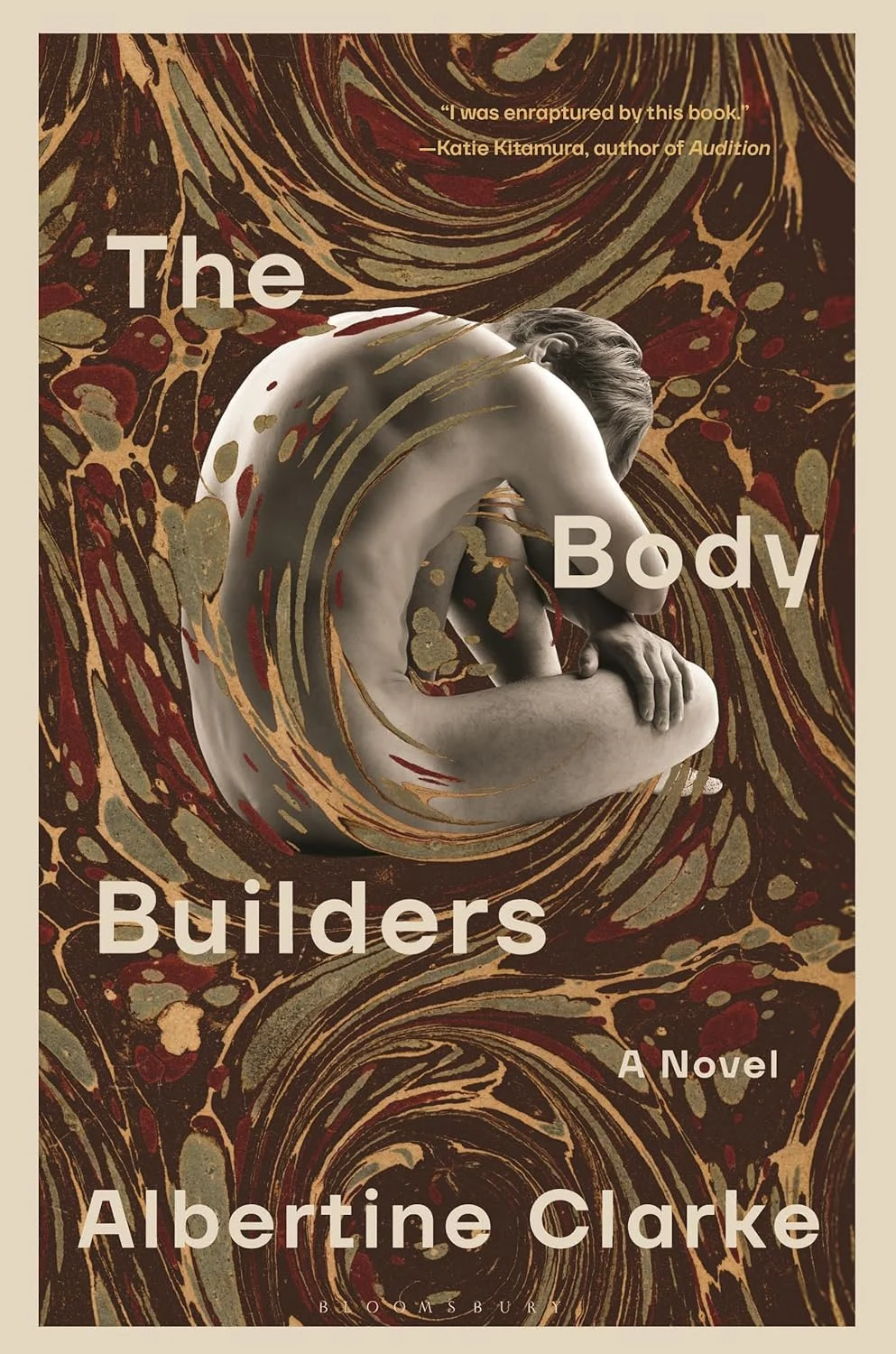
Albertine Clarke, The Body Builders
Bloomsbury USA (March 2026) introduces Albertine Clarke’s debut novel, The Body Builders, a work that ventures into the cerebral and the surreal. The narrative centers on an aspiring writer who develops an uncanny conviction that she shares a single mind with a man she encounters, inhabiting two separate bodies. This profound, almost existential connection then transports her to an otherworldly, artificial environment where her every desire manifests instantly. Clarke’s novel is described as a masterful use of science fiction as both a narrative device and a critical lens. Niall Harrison lauded it, stating, "The largest part of my enjoyment of The Body Builders came from the simple pleasure of encountering the first outing of a fresh and skillful voice, one that has an understanding of SF as both tool and project, and as a route to estranging the society we have allowed to happen around us." This suggests a work that is not only imaginative but also deeply resonant, prompting readers to reconsider their own perceptions of reality, identity, and the constructs of society.
Bar Fridman-Tell, Honeysuckle
Also from Bloomsbury USA (March 2026) comes Bar Fridman-Tell’s debut, Honeysuckle, a dark fantasy novel rooted in the rich tapestry of Welsh mythology, specifically the tragic tale of Blodeuwedd. Fridman-Tell reimagines this myth with a poignant contemporary sensibility. The story begins with a lonely human boy, Royr, whose older sister crafts him a playmate, Daye, from twigs and flowers. Daye, however, is ephemeral, requiring reweaving each season to prevent her disintegration. As Royr grows older, his feelings for Daye evolve beyond simple companionship, prompting him to desperately research ways to ensure her permanence. This novel promises a deeply emotional exploration of love, loss, the fleeting nature of beauty, and the desperate lengths one might go to preserve what is cherished. As a first novel, Honeysuckle is poised to introduce a unique voice that intertwines ancient folklore with modern emotional complexity, offering a fresh perspective on themes of creation, transformation, and enduring affection.

April 2026: Unveiling the Master’s Process and Urban Phantasmagoria
April 2026 presents a fascinating blend of literary critique and a unique dark fantasy novella, offering insights into the craft of horror and a compelling new narrative voice from Brazil.
Caroline Bicks, Monsters in the Archives: My Year of Fear with Stephen King
Hogarth US (April 2026) offers a rare glimpse into the creative mind of a literary legend with Caroline Bicks’s Monsters in the Archives: My Year of Fear with Stephen King. This non-fiction work is a treasure trove for fans and aspiring writers alike, as Bicks was granted unprecedented access to Stephen King’s private archives. Through meticulous research and direct interviews with King himself, Bicks meticulously dissects the mechanisms that make his writing so profoundly impactful. The book focuses on the formative stages of five early, iconic works: The Shining, Carrie, Pet Sematary, ’Salem’s Lot, and Night Shift. By examining early drafts and handwritten revisions, Bicks illuminates King’s iterative process, his struggles, and his breakthroughs. The ultimate endorsement comes from King himself, who hailed it as "the best book about my process that I have ever read." This makes Monsters in the Archives an indispensable resource for understanding the genesis of modern horror and the meticulous craft behind literary genius.
Hache Pueyo, Cabaret in Flames
Tordotcom (April 2026) brings Cabaret in Flames by Hache Pueyo to a wider audience, a dark fantasy novella that plunges into the political chaos of Brazil. This expanded and revised translation of a 2020 story from Mafagafo magazine introduces Ariadne, a resilient protagonist who, despite having lost her limbs to "guls"—vampire-like beings—dedicates herself to assisting them at a clinic. Her world is further complicated when she seeks help from a gul to investigate the mysterious death of her mentor. Pueyo’s novella is lauded for its depth and complexity, with Ian Mond describing it as "a complex, layered portrayal worthy of a much longer work." Cabaret in Flames promises a gritty, atmospheric narrative that intertwines personal trauma with broader societal upheaval, exploring themes of survival, empathy across species, and the search for truth in a fractured world. It’s a compelling example of how speculative fiction can powerfully engage with contemporary political and social realities.

May 2026: Epic Journeys and Existential Dread
May 2026 promises a rich assortment of tales, from high-octane space opera and urban dark fantasy to chilling psychological horror and introspective fantasy, culminating in the highly anticipated return of a fan-favorite SecUnit.
’Pemi Aguda, One Leg on Earth
Norton (May 2026) introduces ’Pemi Aguda’s One Leg on Earth, a dark fantasy novel set against the vibrant and rapidly developing backdrop of Lagos. The novel introduces Yosoye, a 23-year-old eager to begin her new career at an architectural firm in the gleaming city. However, the urban development comes at a hidden price, and Yosoye soon begins to perceive unsettling anomalies. Her world takes a darker turn when she becomes pregnant and observes a disturbing trend: numerous pregnant women are drowning themselves, walking into water or leaping from bridges. Aguda’s narrative blends the promise of opportunity with a creeping supernatural dread, exploring the psychological and spiritual costs of unchecked progress. Niall Harrison aptly encapsulates its essence: "One Leg on Earth lives up to its title. It is a bridge between the untameable present and an unknowable future." This novel is poised to be a powerful commentary on urbanization, the hidden sacrifices of progress, and the unsettling intersection of the mundane and the mythical.
Sarah Gailey, Make Me Better
Tor (May 2026) delivers a chilling dose of psychological dread with Sarah Gailey’s horror novel, Make Me Better. Known for their genre-defying narratives, Gailey transports readers to a mysterious island surrounded by an impossible reef, where Celia journeys to attend the enigmatic Salt Festival. The secluded community on the island promises healing and transformation, but beneath the surface, something sinister stirs. Gailey masterfully crafts an atmosphere of unsettling folk horror, where the line between salvation and peril blurs. Gabino Iglesias’s review perfectly captures the novel’s essence: "Make Me Better is unsettling, mysterious, with all the bad parts of cults, and creepy in a ‘let’s get outta here and get away from these weirdos and all those bloody shoes’ sort of way." This novel is a must-read for those who relish slow-burn horror, cult dynamics, and narratives that delve into the darker aspects of human desire for belonging and transcendence.

Fonda Lee, The Last Contract of Isako
From Orbit US (May 2026), Fonda Lee, the celebrated author of the Green Bone Saga (including Jade City), returns with The Last Contract of Isako, a science fiction novel that promises a thrilling blend of martial arts discipline and expansive corporate space opera. The story follows Isako, a legendary swordswoman on the unforgiving planet Aquilo, as she embarks on what is intended to be her final mission. Complicating matters is the involvement of her last—and worst—apprentice. Lee is renowned for her intricate world-building, morally complex characters, and high-stakes action, and this new work is expected to deliver on all fronts. The Last Contract of Isako is poised to explore themes of legacy, mentorship, corporate power dynamics, and the personal cost of a life dedicated to combat, all within a meticulously crafted futuristic setting. Fans of epic space sagas with a focus on character-driven conflict will find much to admire here.
Ali Smith, Glyph
Hamish Hamilton UK (January 2026) and Pantheon (May 2026) present Ali Smith’s Glyph, a fantasy novel described as a companion to her previous work, Gliff. This novel delves into the elusive nature of unreliable memory and the power of the stories we construct. It reunites estranged sisters, Petra and Patch, who are forced back together after Patch discovers a phantom horse destroying her bedroom. Smith’s distinctive literary voice is evident in this exploration of familial bonds, the fragility of reality, and the unexpected intrusions of the fantastical into the mundane. Niall Harrison praises the novel’s prose and thematic urgency, noting, "Glyph doesn’t contain an ugly sentence or a boring page – and has a reassuringly crisp moral urgency." This suggests a work that is not only beautifully written but also deeply thought-provoking, inviting readers to contemplate the subjective nature of truth and the enduring ties that bind us.
Martha Wells, Platform Decay
Tor (May 2026) brings the highly anticipated eighth installment in the beloved Murderbot Diaries series with Martha Wells’s Platform Decay. This short science fiction novel (approximately 54,000 words) sees everyone’s favorite SecUnit, Murderbot, volunteering for a rescue mission. The catch? It involves strangers, possibly even human children, and the dreaded prospect of… eye contact. Wells’s series has garnered immense popularity for its unique protagonist – a snarky, anxiety-ridden security unit with a penchant for media consumption and a deep-seated aversion to social interaction. Platform Decay promises to continue the series’ hallmark blend of high-stakes adventure, corporate intrigue, and Murderbot’s endlessly entertaining inner monologues. Fans can look forward to more of Murderbot’s reluctant heroism, its evolving understanding of humanity, and its cutting observations on the absurdities of its universe. This book is set to further solidify the Murderbot Diaries as a cornerstone of contemporary science fiction.

Supporting Data: Trends and Themes in Speculative Fiction
The releases of early 2026 highlight several significant trends within the speculative fiction landscape. There’s a noticeable embrace of diverse voices and global settings, as seen in ’Pemi Aguda’s Lagos-set dark fantasy and Hache Pueyo’s novella rooted in Brazilian political turmoil. This signals a broadening perspective within the genre, moving beyond traditional Western-centric narratives.
Another strong theme is the blurring of genre lines. Authors are not afraid to weave together elements of hard science fiction with corporate intrigue, as Fonda Lee does, or to fuse psychological horror with folk traditions, exemplified by Sarah Gailey. This hybridity allows for richer storytelling and more complex thematic explorations. The presence of a non-fiction work like Caroline Bicks’s deep dive into Stephen King’s archives also underscores the growing academic and critical engagement with speculative fiction, cementing its status as a serious literary field.
The recurring motif of identity and transformation is also prominent, whether through the existential journey in Albertine Clarke’s novel, the mythic rebirth in Bar Fridman-Tell’s debut, or the constant self-redefinition of Murderbot. These narratives collectively explore what it means to be human—or human-like—in increasingly complex and often alienating environments. The ongoing success of series like Murderbot Diaries and the introduction of new ones like Maggie the Undying also speak to the audience’s appetite for long-form storytelling and character development that evolves over multiple installments.

Official Responses and Early Buzz
The early critical reception for these forthcoming titles is overwhelmingly positive, generating considerable buzz within the literary community. Stephen King’s personal endorsement of Caroline Bicks’s Monsters in the Archives as "the best book about my process that I have ever read" is a rare and powerful testament to its quality and insight. Reviewers like Niall Harrison have praised both ’Pemi Aguda’s One Leg on Earth for its evocative bridge between present and future, and Albertine Clarke’s The Body Builders for its fresh voice and astute social commentary. Gabino Iglesias’s vivid description of Sarah Gailey’s Make Me Better as "unsettling, mysterious, with all the bad parts of cults" further fuels anticipation for its unique brand of horror. Ian Mond’s commendation of Hache Pueyo’s Cabaret in Flames as "a complex, layered portrayal worthy of a much longer work" highlights the novella’s exceptional depth. These early accolades suggest that readers are not only in for engaging stories but also for works that will challenge and provoke thought.
Implications for the Speculative Fiction Landscape
The diverse and high-quality offerings slated for early 2026 carry significant implications for the future of speculative fiction. They signal a genre that is not merely thriving but actively expanding its boundaries and deepening its intellectual engagement. The inclusion of stories from varied cultural perspectives enriches the global literary dialogue and ensures that speculative fiction remains a dynamic space for exploring universal human experiences through unique lenses.
Furthermore, the blend of established authors with new voices indicates a healthy ecosystem where mentorship and innovation coexist. Readers can look forward to the continued evolution of beloved characters and worlds, while simultaneously discovering groundbreaking narratives from emerging talents. This blend ensures both familiarity and novelty, catering to a wide spectrum of reader preferences.

The thematic density—from critiques of urban development and corporate power to explorations of memory, identity, and myth—suggests that speculative fiction is increasingly being recognized as a powerful vehicle for social commentary and philosophical inquiry. These books are not just escapist entertainment; they are literary works that engage with complex contemporary issues, inviting readers to reflect on their own world through the mirror of the fantastic. The year 2026 is poised to be a landmark year for the genre, solidifying its position at the forefront of imaginative and thought-provoking storytelling.