The Intelligence Divide: Analyzing the Voice Control Supremacy of Amazon Echo vs. Google Nest
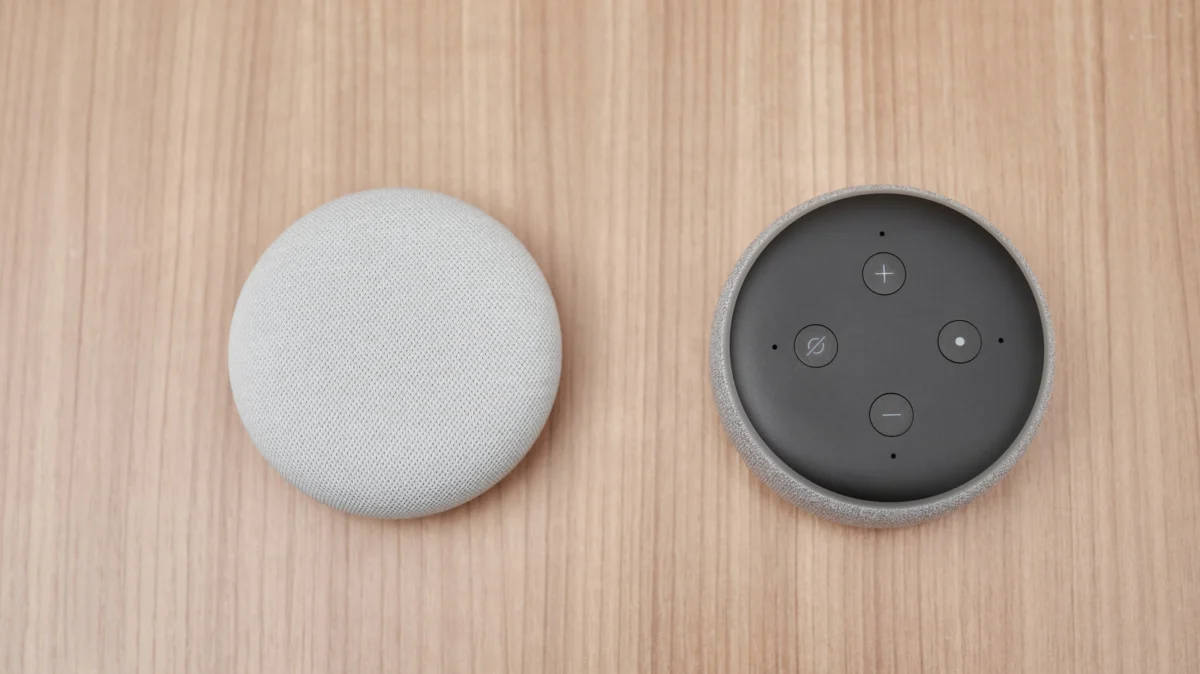
In the rapidly evolving landscape of ambient computing, the battle for the center of the smart home has transitioned from a hardware race to a software-driven ideological conflict. With over 8.4 billion voice-enabled devices currently in circulation worldwide, the ubiquity of voice assistants is no longer in question. However, as Amazon and Google pivot toward Large Language Models (LLMs) to power their respective ecosystems, a fundamental question emerges for the modern consumer: Which device offers superior voice control?
While hardware remains the physical conduit, the underlying intelligence—Amazon’s Alexa and Google’s Gemini—determines the utility of these devices. Recent market data and user sentiment suggest a widening gap between the two. Amazon Echo Dot remains the utilitarian king of smart home automation, while Google Nest has rebranded itself as the premier conversationalist. This analysis explores the nuances of this rivalry, the technical shifts in AI integration, and the implications for the future of the smart home.
1. Main Facts: Utility vs. Conversation
The distinction between the Amazon Echo Dot and the Google Nest (formerly Google Home) has never been more pronounced. For users seeking a device to act as a "digital butler," Amazon’s Alexa ecosystem continues to hold the lead. Conversely, for those seeking a "digital companion," Google’s integration of Gemini has elevated the Nest line into a new category of generative intelligence.
The Case for Amazon Alexa
Amazon’s dominance is built on a foundation of sheer scale and compatibility. The Echo ecosystem currently supports over 100,000 smart home devices and offers an equal number of "Skills"—third-party applications that expand Alexa’s capabilities.
- Superior Automation: Alexa’s "Routines" allow for complex, multi-step conditional logic (e.g., "If the Ring camera detects motion between 11 PM and 5 AM, turn on the porch lights to 50% and announce an alert on the bedroom Echo").
- Market Penetration: Amazon has shipped over 600 million Echo devices, creating a massive feedback loop for voice recognition and intent processing.
- The Alexa+ Pivot: Amazon is currently transitioning to a "supercharged" version of Alexa, powered by generative AI, aimed at making the assistant more conversational while maintaining its deep integration with Amazon’s retail and smart home services.
The Case for Google Nest
Google has pivoted away from the "command-and-control" model of voice assistants toward a more fluid, conversational interface.
- Gemini Integration: By replacing or augmenting the legacy Google Assistant with Gemini, Nest devices can now handle complex, open-ended queries, brainstorm ideas, and summarize information with a level of nuance Alexa often struggles to match.
- Search Superiority: Leveraging the Google Search Knowledge Graph, Nest devices remain the undisputed leaders in information retrieval and factual accuracy.
- Ecosystem Synergy: For users entrenched in the Android or Google Workspace ecosystem, the ability to voice-control emails, calendars, and Google Maps remains a significant advantage.
2. Chronology: The Evolution of the Voice Wars
To understand the current friction between these two giants, one must look at the timeline of their development, which has shifted from "Simple Commands" to "Ambient Intelligence."
- 2014–2016: The Dawn of the Speaker. Amazon releases the original Echo (2014), catching the industry off guard. Google responds in 2016 with Google Home, leveraging its search prowess to compete with Alexa’s early lead in third-party integrations.
- 2017–2021: The Skill Explosion and Hardware Proliferation. Both companies flood the market with diverse form factors—mini speakers, smart displays (Echo Show vs. Nest Hub), and even microwave ovens. Amazon focuses on "Skills," while Google focuses on "Actions." Alexa takes a massive lead in smart home device compatibility.
- 2022: The Matter Protocol. Both Amazon and Google join the Connectivity Standards Alliance to launch "Matter," a unifying protocol designed to make smart home devices cross-compatible, theoretically leveling the playing field for hardware control.
- 2023–2024: The Generative AI Pivot. The rise of ChatGPT forces a paradigm shift. Google announces the integration of Gemini into Nest devices. Amazon counters with a preview of a LLM-powered Alexa, introducing a potential subscription-based "Alexa+" tier to offset the high costs of running generative AI.
3. Supporting Data: Compatibility and User Sentiment
The "better" device is often defined by the data regarding what these devices can actually control and how users perceive their reliability.
Compatibility Metrics
| Feature | Amazon Alexa (Echo Dot) | Google Gemini (Nest) |
|---|---|---|
| Compatible Devices | 100,000+ | 50,000+ |
| Available Skills/Actions | 100,000+ | ~30,000 (shipped/deprecated) |
| E-commerce Integration | Native (Amazon) | Third-party only |
| Search Engine | Bing (Limited) | Google (Comprehensive) |
| Primary AI Model | Alexa LLM (Proprietary) | Gemini Pro/Flash |
The "Reliability Gap"
Recent community data from platforms like Reddit and dedicated tech forums indicate a growing frustration with "Routine Rot" in the Amazon ecosystem. Despite having better automation tools, approximately 15% of power users in some enthusiast communities have reported that Alexa’s core voice recognition has seemingly degraded since the introduction of the new AI models.
Conversely, Google Nest users frequently complain about the "Assistant-to-Gemini" transition, noting that while the AI is smarter at talking, it sometimes fails at basic tasks like setting timers or controlling specific legacy light switches that worked perfectly under the old system.
4. Official Responses and Strategic Directions
Both Amazon and Google have addressed the changing nature of their voice assistants, though their strategies diverge on the issue of monetization.
Amazon’s Stance: Value through Utility
Amazon executives have hinted that the future of Alexa lies in being the "World’s Best Personal Assistant." To achieve this, Amazon is leaning into "Alexa+," a potentially paid subscription service. The official narrative suggests that the increased computational cost of generative AI requires a new business model. Amazon maintains that their goal is to eliminate the "robotic" nature of Alexa, allowing users to speak more naturally without losing the "instant-on" reliability of smart home commands.
Google’s Stance: The Knowledge Assistant
Google’s strategy is less about a standalone subscription for voice and more about the "Google One" ecosystem. By integrating Gemini into Nest, Google aims to make the smart speaker a terminal for its broader AI efforts. Google’s official documentation emphasizes "Helpfulness," positioning the Nest not just as a light switch, but as a collaborative tool that understands context across Google’s entire suite of apps.
5. Implications: The Future of Ambient Computing
The divergence between Echo and Nest suggests three major implications for the future of consumer technology.
The "Enshittification" of Free Services
As both companies struggle to make smart speakers profitable—a category that has historically lost billions of dollars—users are seeing an increase in "intrusive" behaviors. Amazon Echo Show users have noted an uptick in "By the way…" suggestions and on-screen advertisements. This has led some users to migrate to Google Nest Hubs, which currently feature a cleaner, more photo-centric interface. However, if Google feels the same pressure to monetize, the "ad-free" haven may not last.
The Subscription Model
We are entering an era where "Basic Voice" may remain free, but "Intelligent Voice" will reside behind a paywall. This creates a digital divide in the smart home. Users who pay for Alexa+ or Gemini Advanced will enjoy fluid, human-like interactions, while free-tier users may be left with aging, less responsive legacy systems.
The Shift to "Proactive" Intelligence
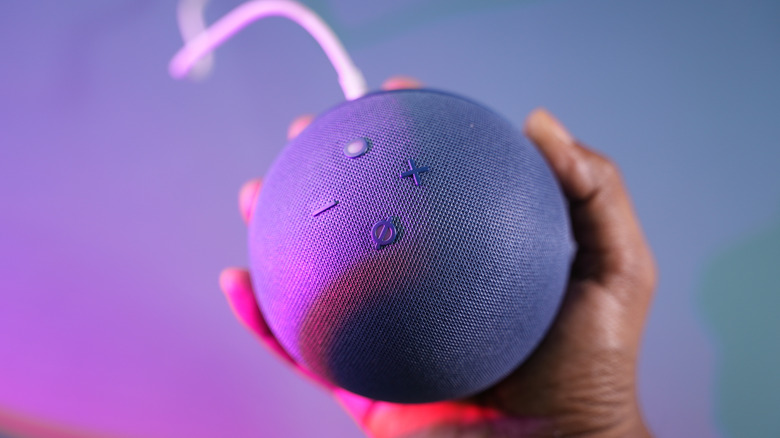
The next frontier for both Echo Dot and Google Nest is moving from "Reactive" (waiting for a command) to "Proactive" (anticipating needs).
- Alexa is moving toward "Hunches," where the device suggests turning off a light you forgot or locking a door based on your history.
- Google is moving toward "Contextual Awareness," where the device knows who is speaking and provides personalized schedules or drafts emails based on the user’s voice profile.
Conclusion: Which Should You Choose?
The decision between an Amazon Echo Dot and a Google Nest ultimately depends on your priority. If your goal is to build a complex, automated home where every sensor, light, and lock works in a choreographed dance, Amazon Echo Dot remains the superior choice due to its robust routine engine and vast device support.
However, if you view your smart speaker as an information terminal—a tool to help you think, search, and communicate—the Google Nest with Gemini integration offers a glimpse into a more sophisticated, AI-driven future. As the technology matures, the "winner" will likely be the company that can bridge the gap between Alexa’s utility and Google’s intelligence without burying the experience under a mountain of advertisements and subscription fees.