The Price of Precision: How the Global Memory Crisis Reshaped Valve’s Steam Frame
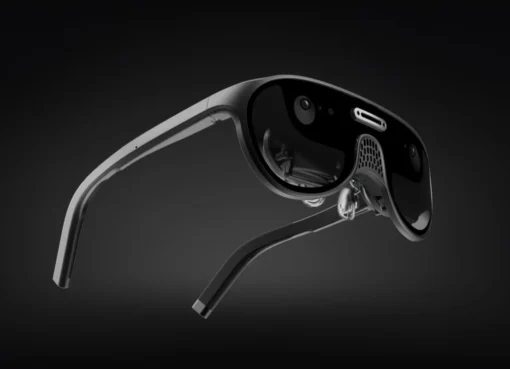
The long-anticipated arrival of Valve’s latest venture into virtual reality, the Steam Frame, was met with a mixture of technical awe and significant sticker shock. For years, rumors circulated about a successor to the aging Valve Index—a device that could bridge the gap between tethered high-fidelity PC VR and the portability of the Steam Deck. However, when the official pricing was unveiled alongside the September 14 launch, the figures were higher than even the most conservative analysts had predicted.
Valve, a company typically known for its calculated moves and "hardware at cost" philosophy (as seen with the entry-level Steam Deck), has found itself in the crosshairs of a volatile global supply chain. According to high-ranking engineers at the company, the Steam Frame’s premium price tag is not a result of a shift in corporate greed, but rather a direct consequence of a catastrophic global memory shortage and rising material costs that have plagued the electronics industry throughout 2026.
Main Facts: The Premium Cost of Next-Gen VR
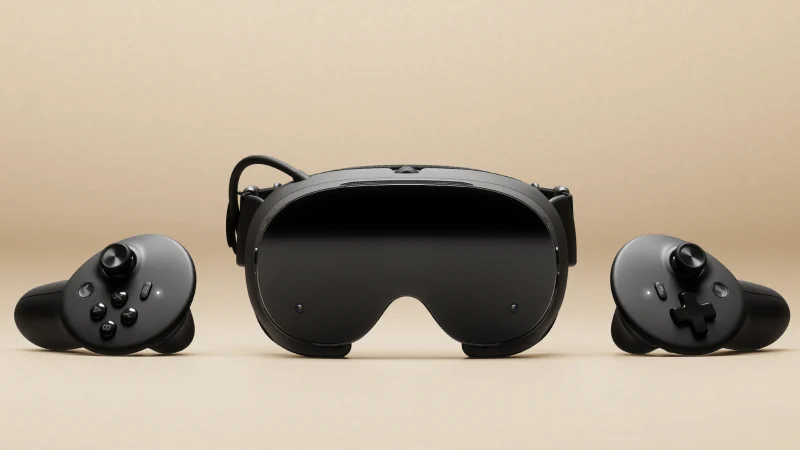
The Steam Frame has officially entered the market as one of the most expensive consumer-grade VR headsets ever produced by a major gaming firm. Valve’s launch announcement confirmed two primary tiers for the device:
- The 256GB Model: Retailing at $1,059 in the US, €1,049 in the EU, and £889 in the UK.
- The 1TB Model: Retailing at $1,299 in the US, €1,279 in the EU, and £1,089 in the UK.
These prices include VAT where applicable, but they represent a significant jump from the $999 "Full Kit" price of the Valve Index in 2019. Unlike the Index, which required a tethered PC and external base stations, the Steam Frame is a more complex beast, featuring high-end mobile processing power and sophisticated optics.
Under the hood, both models are equipped with 16GB of LPDDR5X RAM, a critical component that allows the headset to maintain compatibility with a vast portion of the existing Steam Deck library. However, it is this specific component—LPDDR5X—that has become the "Achilles’ heel" of the product’s MSRP. At a time when Meta is pricing its Quest 3 at approximately $600, Valve’s quadruple-digit entry point positions the Steam Frame as a luxury enthusiast device rather than a mass-market contender.
Chronology: From Quiet Reservations to Launch Day Realities
The road to the Steam Frame’s release was paved with speculation and "leaks" found within the Steam backend.
- Early September 2026: Sharp-eyed developers noticed changes to the Steam Store’s reservation system. Hidden code pointed toward a new hardware category, fueling rumors that a "Deckard" or "Steam Frame" announcement was imminent.
- September 14, 2026: Valve officially broke the silence, revealing the Steam Frame. Instead of a celebratory low-price reveal, the announcement was accompanied by a series of defensive interviews with major tech outlets like PC Gamer, the BBC, and Tom’s Hardware, where staff explained the economic hurdles.
- September 18, 2026: The "Limited Drop Program" purchase emails began rolling out. This phased release strategy was designed to manage limited inventory caused by the very supply chain issues that drove the price up.
- Late 2026 Forecast: Valve’s own documentation suggests that these launch prices are not set in stone. Under the terms of the Limited Drop Program, the company explicitly states that "prices are subject to change," leaving the door open for either a price drop if the market stabilizes or further increases if inflation persists.
Supporting Data: The Economics of the 2026 RAM Crisis
To understand why the Steam Frame costs over $1,000, one must look at the state of the semiconductor market in early 2026. The primary culprit is the LPDDR5X memory market.
According to data from market research firm TrendForce, the first quarter of 2026 saw the "steepest increases in history" for memory contract prices. Analysts had forecast a nearly 90% rise in quarter-on-quarter costs for LPDDR5X. This specific type of RAM is essential for high-performance mobile devices because it offers high bandwidth with low power consumption—features non-negotiable for a standalone VR headset requiring foveated streaming and high-resolution rendering.
Beyond memory, the "bill of materials" (BOM) for the Steam Frame was hit by a "perfect storm" of commodity price hikes:
- Copper: Essential for motherboards and high-speed data cabling, copper prices reached record highs in 2025 and 2026 due to increased demand in the green energy sector.
- Shipping: Global logistics costs have remained inflated, with Valve software developer Pierre-Loup Griffais noting that "shipping anything worldwide right now is way more expensive than it was last year."
- The "Steam Machine" Precedent: Valve recently launched a revised Steam Machine at $1,049. This device was also a victim of the memory crisis, signaling that Valve’s entire 2026 hardware lineup was being squeezed by the same economic pressures.
When compared to Meta’s Quest 3, the price gap is jarring. Meta has historically subsidized its hardware, losing billions of dollars in its Reality Labs division to capture market share. Valve, conversely, has traditionally aimed for a "sustainable" hardware model where the device pays for itself, or at least doesn’t incur massive losses per unit, especially when the hardware is as specialized as the Steam Frame.
Official Responses: The Engineers’ Perspective
In a rare move, Valve allowed three of its key hardware and software figures—Joy Lyons, Jeremy Selan, and Pierre-Loup Griffais—to speak candidly about the internal frustrations regarding the headset’s price.

The Shifted Target
Hardware engineer Joy Lyons admitted to PC Gamer that the team did not set out to build a $1,000+ device. "We set out to design this hardware with one particular price in mind," Lyons explained. She noted that the internal price target had to be abandoned as the RAM crisis worsened. When asked if the price might come down in the future, Lyons remained non-committal: "We don’t know what pricing is in the future."
The "No-Compromise" RAM Decision
One of the most revealing insights came from software engineer Jeremy Selan. During an interview with the BBC, Selan expressed a sense of wistfulness, stating, "I wish we could have shipped it at the price that we were at last year."
The team reportedly faced a difficult choice: reduce the RAM to 8GB to lower the price, or stick with 16GB and raise the MSRP. They chose the latter. Selan explained that cutting the memory would "slice a major component off" the Steam catalog. To ensure the Steam Frame could run the same high-end VR titles as a docked Steam Deck or a mid-range PC, 16GB of LPDDR5X was deemed a "hard requirement." Valve "fought hard" to keep the price even at the current $1,059 level, suggesting that without their intervention, it could have been even higher.
The Commodity Struggle
Pierre-Loup Griffais highlighted that Valve, despite its stature in the gaming world, has no special immunity to global market forces. Speaking to Tom’s Hardware, he pointed out that motherboards and even raw copper contributed to the "sticker shock." "As far as memory prices and those kinds of conditions, we’re really in it like everyone else," Griffais said.
Implications: The Future of High-End PC VR
The launch of the Steam Frame at this price point has several long-term implications for the VR industry and Valve’s ecosystem.
1. VR as a Luxury Niche
For years, the industry goal was to bring VR to the "next billion users" via affordable hardware. Valve’s inability to hit a sub-$800 price point suggests that high-end, "no-compromise" VR is retreating back into a luxury enthusiast niche. While the Quest 3 remains the "everyman" headset, the Steam Frame is positioning itself as the "Audi or BMW" of the VR world—superior in build and ecosystem, but inaccessible to the average consumer.
2. Ecosystem Fragmentation
By insisting on 16GB of RAM, Valve is prioritizing ecosystem parity. They want a developer to build a game once and have it run on the Steam Deck, the Steam Machine, and the Steam Frame. While this is good for developers, the high entry cost of the Frame may limit the actual "install base," making it harder for VR-exclusive titles to find financial success without Meta’s help.
3. The "Wait and See" Consumer Strategy
With Valve’s "Prices are subject to change" clause, many potential buyers may opt to wait. If the RAM crisis abates in 2027, Valve could theoretically drop the price by $200 overnight. This creates a "wait-and-see" atmosphere that could stifle initial launch momentum, despite the hardware’s impressive specs, such as its rumored 10x foveated streaming capabilities.
4. Valve’s Hardware Identity
This launch reinforces Valve’s identity as a hardware "pioneer" rather than a "disruptor." Like the Valve Index before it, the Steam Frame is designed to push the boundaries of what is possible. However, in 2019, $999 felt like the price of the future. In 2026, $1,299 feels like the price of a supply chain in distress.
In conclusion, the Steam Frame is a marvel of engineering hampered by the cold realities of global economics. Valve has delivered the hardware that enthusiasts asked for, but at a cost that few expected. As the "RAM crisis" continues to ripple through the tech sector, the Steam Frame stands as a testament to the difficulty of innovation in an era of scarcity. Whether the market will embrace a $1,300 headset or wait for the economic tides to turn remains the billion-dollar question for the halls of Bellevue.