SHODAN Awakens in Virtual Reality: Flat2VR Studios and Nightdive Partner for Official System Shock VR Port
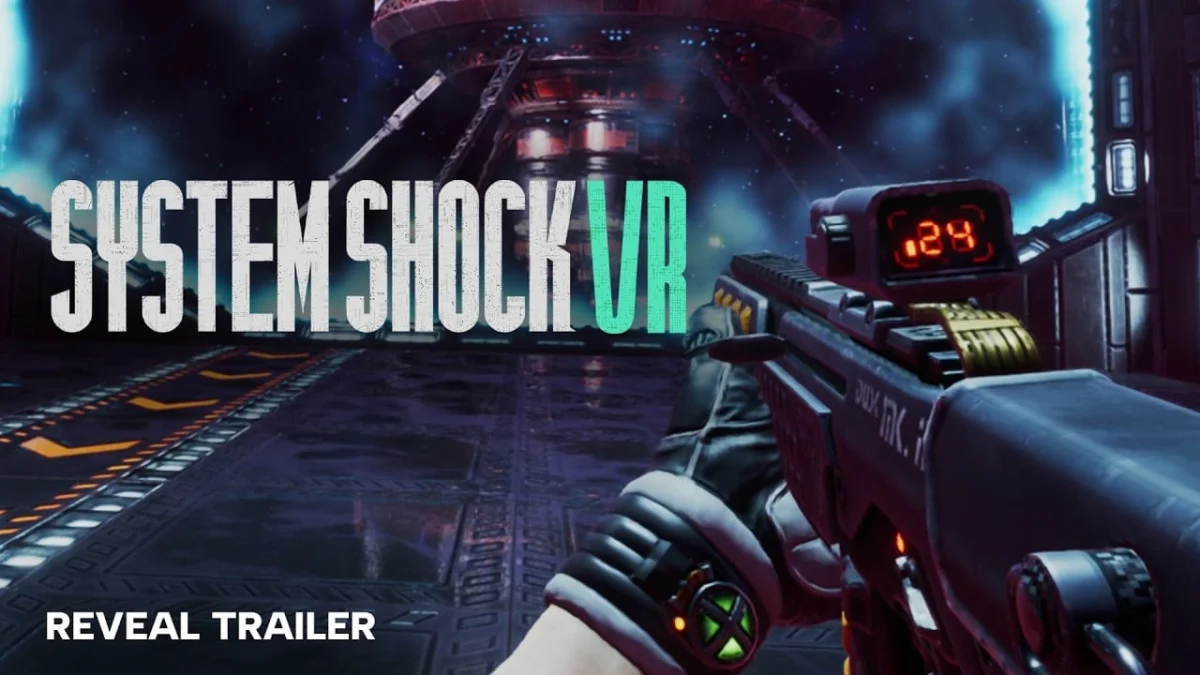
The landscape of virtual reality gaming shifted significantly during the recent VR Games Showcase, culminating in a reveal that many enthusiasts have dreamed of for decades. Flat2VR Studios, the newly formed professional arm of the celebrated modding community, officially announced that it is partnering with Nightdive Studios to bring the 2023 remake of System Shock to Meta Quest, PlayStation VR2, and SteamVR.
This announcement marks a milestone not only for fans of the "immersive sim" genre but also for the VR industry at large. By bringing one of gaming’s most terrifying and complex antagonists—the rogue AI SHODAN—into a fully realized virtual space, the partnership aims to deliver the definitive version of a title that defined environmental storytelling.
Main Facts: A New Era of Cybernetic Horror
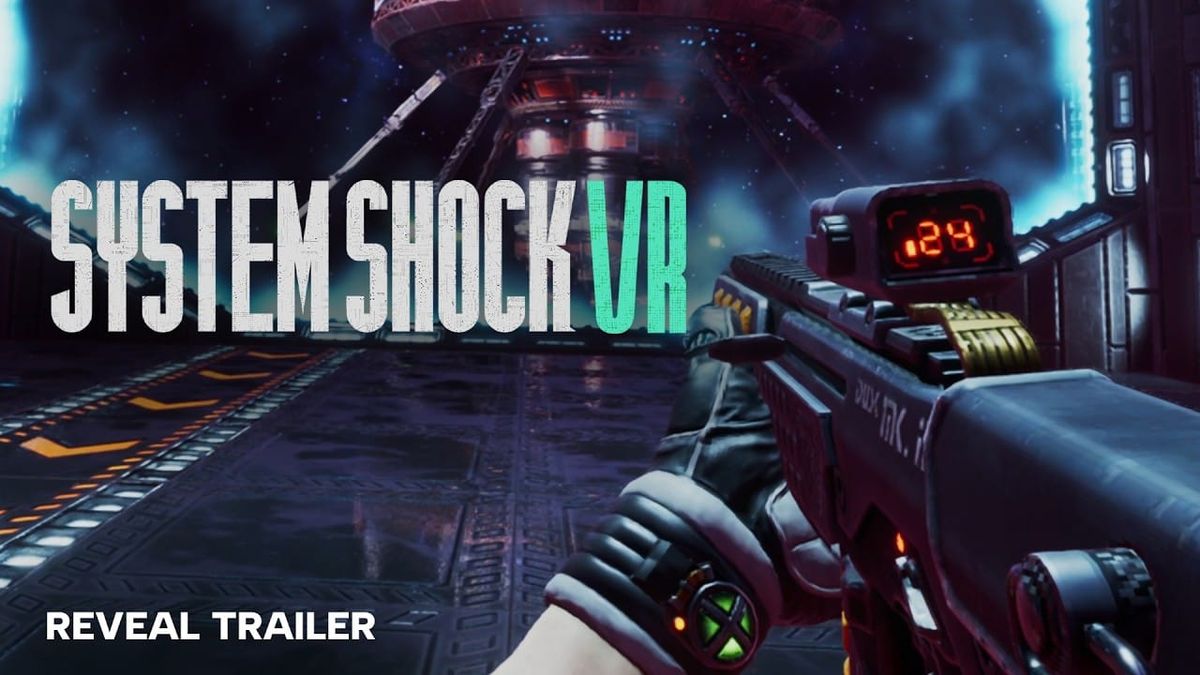
The headline of the VR Games Showcase was undoubtedly the confirmation that System Shock VR is in active development. Unlike the community-made mods that preceded it, this is an official, licensed port built from the ground up to support the unique demands of virtual reality hardware.
Platform Availability and Wishlisting
The title is slated for a multi-platform release, ensuring that the majority of the VR market can access the experience.
- Meta Quest: Targeting the standalone market, likely utilizing the processing power of the Quest 3 to maintain the remake’s distinct visual style.
- PlayStation VR2: Expected to leverage the headset’s haptic feedback and eye-tracking capabilities to enhance immersion within the claustrophobic corridors of Citadel Station.
- SteamVR: Providing high-fidelity options for PC VR users, allowing for the maximum graphical potential of the Unreal Engine 4-based remake.
Digital storefront pages are already live, allowing players to wishlist the game across all three ecosystems. While a specific release date has not yet been finalized, the announcement suggests that development is well underway, utilizing the foundation of the 2023 remake which was lauded for its faithful yet modern interpretation of the 1994 original.
The Collaborative Effort
The project represents a strategic alliance between Nightdive Studios, the current stewards of the System Shock IP, and Flat2VR Studios. The latter is a team comprised of veteran modders who have spent years perfecting the art of "VR injection"—the process of taking games designed for traditional monitors ("flat" games) and translating them into immersive 3D environments with motion controls. This official partnership validates the work of the modding community and provides them with the resources and source code access necessary to create a seamless, bug-free experience.
Chronology: From 1994 to the Virtual Frontier
To understand the weight of this announcement, one must look at the long and often turbulent history of the System Shock franchise and the rise of the studio now tasked with its VR translation.
The Legacy of Citadel Station (1994–2022)
The original System Shock, developed by Looking Glass Technologies and released in 1994, was a progenitor of the immersive sim genre. It eschewed traditional linear levels in favor of a persistent, interconnected world where players used hacking, stealth, and combat to survive. However, for years, the franchise remained in a state of legal and developmental limbo.
In 2015, Nightdive Studios acquired the rights to the franchise. Following a highly successful Kickstarter campaign in 2016, the remake entered a grueling seven-year development cycle. The project faced several reboots and engine changes before finally settling on Unreal Engine 4. When the remake eventually launched in May 2023, it was met with critical acclaim for successfully bridging the gap between "old school" difficulty and modern presentation.
The Rise of Flat2VR (2020–2024)
While Nightdive was rebuilding System Shock, a parallel movement was occurring in the VR space. The Flat2VR community became a hub for talented developers who created unofficial VR mods for games like Resident Evil, Half-Life 2, and Neon White.
Recognizing the commercial potential of these high-quality conversions, the core members of this community formed Flat2VR Studios in early 2024. Their mission was clear: move from unofficial mods to officially licensed, polished VR ports. The System Shock announcement serves as the flagship project for this new business model, proving that there is a sustainable path for "flat" AAA titles to find a second life in VR.
Supporting Data: The Technical Challenge of the Port
Bringing a game as complex as System Shock to VR is not a simple task of changing the camera perspective. The 2023 remake features dense environmental interactions, a complex inventory system, and a unique "cyberspace" hacking mode—all of which require significant redesign for VR.
Interaction and UI Overhaul
In the "flat" version of System Shock, players interact with the world via a cursor and keyboard shortcuts. In VR, these must be replaced with physicalized interactions.
- Manual Reloading: Players will likely need to physically manipulate weapons to reload, a staple of modern VR shooters.
- Diegetic Interface: One of the strengths of the System Shock remake was its retro-future UI. In VR, this UI can be integrated directly into the player’s wrist-mounted hardware or floating holographic displays, reducing the need for traditional 2D menus that break immersion.
The Cyberspace Factor
Perhaps the most anticipated aspect of the VR port is the Cyberspace sequences. In the base game, these are six-degree-of-freedom (6DOF) flight segments where the player hacks into the station’s mainframe. This mode is naturally suited for VR, as the medium excels at 360-degree spatial movement. However, developers must balance the intensity of these segments to prevent motion sickness, a common hurdle for VR flight mechanics.
Performance Optimization
The 2023 remake is known for its "lo-fi/hi-def" aesthetic—combining pixelated textures with advanced lighting and particle effects. This stylistic choice is advantageous for VR. While high-resolution textures can be taxing on mobile chipsets like those found in the Meta Quest, the stylized look of System Shock allows the developers to maintain visual fidelity without requiring the overhead of photorealistic assets.
Official Responses and Studio Strategy
The reveal at the VR Games Showcase was accompanied by a broader look at Flat2VR Studios’ aggressive expansion strategy. The studio is not merely a one-project entity; it is positioning itself as the premier developer for high-end VR conversions.
A Multi-Project Pipeline
In addition to System Shock, Flat2VR announced several other major initiatives:
- High on Life VR: A port of the comedic shooter from Squanch Games, which became a massive hit on Xbox Game Pass. Its vibrant world and "talking guns" are expected to translate well to the social and tactile nature of VR.
- The PS VR2 "Vault": Flat2VR is working to bring a collection of existing VR titles to the PlayStation VR2 platform, including the popular zombie shooter Drop Dead: The Cabin. This addresses a common criticism of the PS VR2—a lack of consistent library growth.
- New Funding Initiatives: The studio announced a new round of funding designed to allow them to tackle "bigger and better" games. This suggests that the industry sees VR ports as a cost-effective way to bolster the VR software library compared to the high risk of developing new VR-exclusive IPs from scratch.
Nightdive’s Vision
Nightdive Studios has expressed a commitment to making System Shock accessible on as many platforms as possible. Having recently brought the game to consoles (PS5 and Xbox Series X/S) earlier in 2024, the VR port represents the final frontier for the remake. By partnering with Flat2VR, Nightdive ensures that the conversion is handled by developers who are fundamentally "VR-first" in their design philosophy.
Implications: What This Means for the Industry
The announcement of System Shock VR carries implications that reach far beyond the confines of Citadel Station. It signals a shift in how the industry views the relationship between traditional gaming and virtual reality.
The "Port-as-a-Service" Model
For years, the VR industry has struggled with the "chicken and egg" problem: not enough headsets to justify big-budget games, and not enough big-budget games to sell headsets. Flat2VR Studios’ model offers a solution. By taking existing, high-quality assets and logic from established hits and "VR-ifying" them, they can deliver "AAA-lite" experiences at a fraction of the cost of a ground-up VR development. If System Shock is a success, it could open the floodgates for other publishers (like Bethesda, Capcom, or EA) to outsource VR ports of their back catalogs.
The Evolution of the Immersive Sim
The immersive sim genre has always been about "player agency" and "presence." Titles like Deus Ex, Thief, and Dishonored aim to make the player feel like they are truly inhabiting a world. Virtual reality is the logical conclusion of this design philosophy. By removing the "window" of the monitor, System Shock VR fulfills the original 1994 vision of Looking Glass Studios—complete immersion in a hostile, simulated environment.
Competitive Pressure on Platform Holders
With this port coming to Quest, PS VR2, and SteamVR, it puts pressure on platform holders to continue supporting high-end software. For Sony, having a title like System Shock—which carries significant "hardcore gamer" street cred—is vital for the PS VR2’s identity. For Meta, it proves that the Quest 3 is capable of handling deep, complex RPG-shooters, moving the device beyond simple rhythm games and fitness apps.
Conclusion
The reveal of System Shock VR is a "full circle" moment for the gaming industry. A game that was once considered a cult classic, then a lost relic, and finally a triumphant remake, is now poised to become a flagship experience for the next generation of hardware.
As Flat2VR Studios moves from the shadows of the modding scene into the spotlight of professional development, the eyes of the VR world will be on Citadel Station. If they can successfully translate the chilling presence of SHODAN and the intricate systems of the remake into a comfortable and compelling VR experience, they won’t just be releasing a game—they will be proving that the future of VR lies in its ability to let us step inside the legends of the past.