The Rise of the Magical Apothecary: A Deep Dive into the Wholesome World of ‘Kitch Witch’
The landscape of independent gaming has undergone a significant transformation over the last decade, shifting away from high-octane combat and toward what is now affectionately termed "cozy gaming." Within this burgeoning sub-genre, players seek digital sanctuaries—spaces where the primary objectives are community building, resource management, and the simple joy of helping others. The latest title to capture the attention of this demographic is Kitch Witch, a wholesome life simulator with RPG elements that blends the domesticity of cooking with the mysticism of alchemy.
Following a successful preview at Game Con Canada, Kitch Witch has emerged as a standout title for those who enjoy the "apothecary sim" niche. By combining tactile crafting mechanics with a nuanced social system, the game aims to offer more than just a repetitive loop; it presents a narrative about the ethics of care and the importance of community in a whimsical, hand-drawn world.
Main Facts: The Core Pillars of ‘Kitch Witch’
At its heart, Kitch Witch is a management RPG that places the player in the role of a local village witch. Unlike traditional RPGs where a witch might be a source of fear or a glass cannon in a combat party, the protagonist of Kitch Witch is a cornerstone of the local economy and healthcare system.
The gameplay is divided into four primary loops:
- Diagnosis: Engaging with townspeople to identify mysterious ailments.
- Foraging: Exploring the surrounding wilderness to collect organic ingredients.
- Crafting: Processing raw materials through chopping, grinding, and brewing.
- Social Management: Balancing the shop’s books while deciding which community members to prioritize, especially when resources are scarce.
Currently in its pre-alpha stage, the game is developed with a focus on "low-stress" engagement. However, it introduces a layer of strategic depth through its resource management system. Ingredients are not infinite, and the player’s time is a currency that must be spent wisely between the storefront and the forest.
Chronology: From Concept to Game Con Canada
The development of Kitch Witch follows a trajectory common among modern indie "passion projects," where the focus remains on aesthetic consistency and mechanical polish.
- Initial Concept: The project was conceived as a "wholesome life sim" that stripped away the combat often found in titles like Stardew Valley, focusing instead on the specific "fantasy of the apothecary."
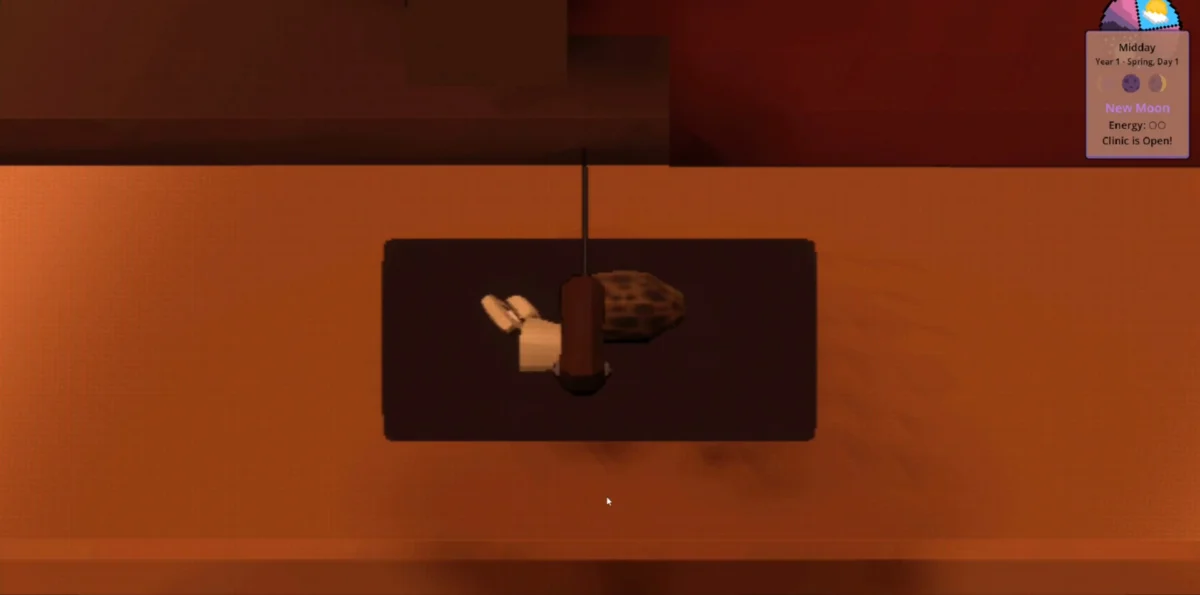
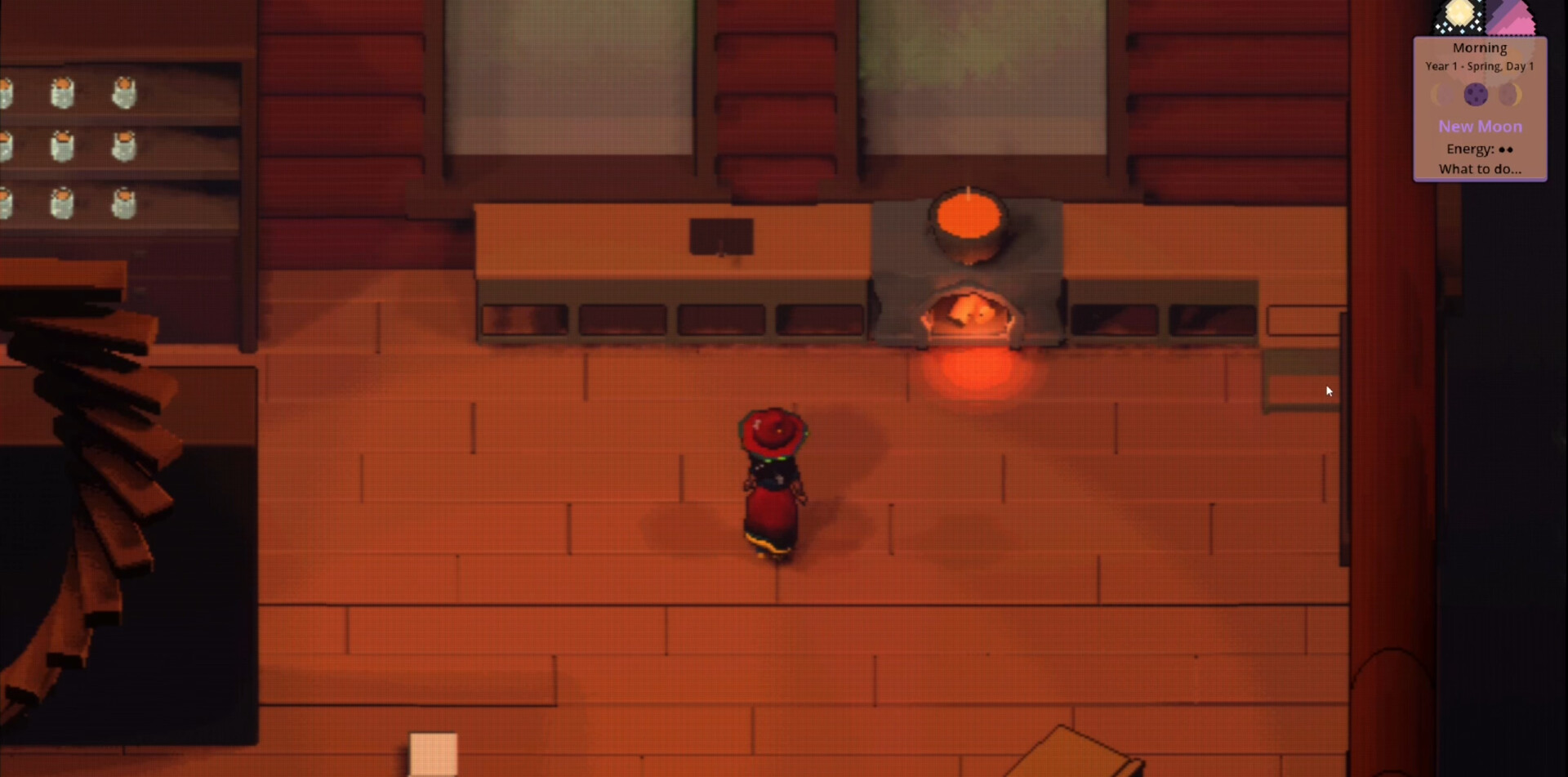
- Development Milestone: The game entered its pre-alpha phase earlier this year, establishing the core "kitchen" mechanics. The developers focused on making the act of preparing potions feel tactile—chopping mushrooms and stirring cauldrons are not just menu clicks but active mini-games.
- The Game Con Canada Preview: In August 2024, Kitch Witch was showcased at Game Con Canada. This provided the public with the first hands-on look at the game’s diagnostic system. Attendees noted the charm of the NPC interactions and the intuitive nature of the recipe book.
- Current Status: As of late 2024, the game is available for wishlisting on Steam. While a definitive release date has yet to be announced, the pre-alpha trailer suggests that the foundational systems are robust, with the developers now focusing on expanding the world and the variety of ingredients.
Supporting Data: Mechanics and Technical Specifications
To understand why Kitch Witch is gaining traction, one must look at the specific mechanics that differentiate it from other titles in the genre, such as Potion Permit or Strange Horticulture.
The Diagnostic System
One of the most praised features during the Game Con Canada preview was the lack of an immediate "order menu." When a customer enters the shop, they do not simply ask for a "Healing Potion." Instead, they describe symptoms. The player must observe visual cues and listen to dialogue to cross-reference symptoms with the in-game recipe book. This adds a layer of detective work to the cozy loop, rewarding players for their attentiveness to the town’s residents.
Time and Environment Cycles
The game utilizes a day/night cycle that is more than just an aesthetic shift. The ecosystem of Kitch Witch changes based on the clock:
- Daylight Hours: Primarily used for shop management and gathering sun-dependent herbs. Certain NPCs are only available for consultation during the day.
- Night Cycles: Rare bioluminescent ingredients and nocturnal creatures appear, offering higher-tier components for advanced potions. This forces the player to manage their stamina and plan their "work week" effectively.
Resource Scarcity and Ethical Choice
In a departure from many "unlimited" sims, Kitch Witch introduces the concept of limited stock. If a player over-harvests a specific area, they may find themselves unable to treat a critical illness later in the week. Furthermore, the game introduces a "sliding scale" for payment. Some NPCs may be unable to pay for their medicine, forcing the player to choose between the financial health of their shop and the physical health of their neighbor.
Official Responses and Developer Vision
While the development team remains small, their communication via Steam and social media highlights a clear vision: the creation of a "digital hug." In statements regarding the game’s philosophy, the developers have emphasized that the "Kitch" in Kitch Witch refers to the kitchen—the heart of a home.
"We wanted to create a game where the player feels essential to their community," the developers noted in a recent devlog. "It’s not about saving the world from a dark lord; it’s about saving your neighbor’s afternoon because they have a splitting headache or a broken heart. The magic is in the service."
Feedback from the Game Con Canada showcase was overwhelmingly positive, with many players citing the art style—a soft, painterly aesthetic—as a primary draw. The developers have responded to this feedback by promising more customization options for the witch’s kitchen, allowing players to truly "inhabit" the space.
Implications: The "Cozy" Market and the Future of RPGs
The emergence of Kitch Witch signifies a broader trend in the gaming industry: the "Cozy-fication" of traditional RPG archetypes. For decades, the "Alchemist" or "Witch" was a secondary character—a shopkeeper who sold items to the hero. Kitch Witch flips this script, making the "NPC life" the headline experience.
This shift has several implications for the industry:
- Demographic Expansion: Games like Kitch Witch continue to attract non-traditional gamers, including older demographics and those who seek stress relief rather than high-intensity challenge.
- Mechanical Innovation in Non-Combat: By removing combat, developers are forced to make "mundane" tasks like chopping and stirring more engaging. This leads to innovations in haptic feedback and mini-game design.
- The Ethics of Play: By including mechanics where players help those who cannot pay, Kitch Witch explores social themes that are often ignored in "triple-A" titles. It encourages empathy as a core gameplay mechanic.
As the indie scene continues to flourish, Kitch Witch stands as a testament to the power of niche storytelling. It doesn’t aim to be everything to everyone; instead, it aims to be a perfect, quiet corner of the internet for those who believe that a well-brewed potion and a kind word are the highest forms of magic.
Conclusion: Looking Ahead
While the wait for a release date continues, the momentum behind Kitch Witch is undeniable. Its successful showing at Game Con Canada has solidified its place on many "most anticipated" lists for 2025 and beyond. For players looking to trade their swords for ladles, the game offers a promising blend of strategy, heart, and atmosphere.
For now, interested players are encouraged to follow the project’s progress on Steam, where the community continues to grow. In an era of gaming often defined by "crunch" and competition, Kitch Witch reminds us that sometimes, the most rewarding quest is simply making sure the person standing in front of you feels a little bit better.