The Scramble for Africa: A Continent Carved by Imperial Ambition
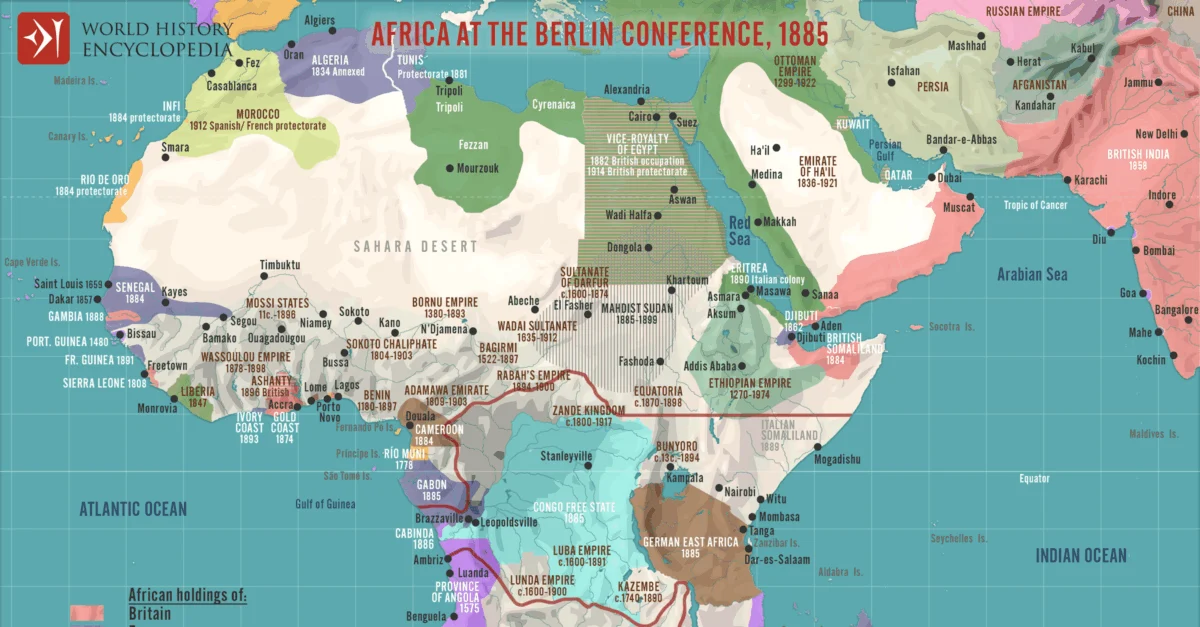
London, UK – The late 19th century witnessed one of history’s most audacious and impactful geopolitical events: the Scramble for Africa. Between the 1880s and the dawn of the 20th century, European imperial powers engaged in a ruthless competition to assert control over the vast African continent, fundamentally redrawing its map and irrevocably altering its destiny. Driven by a complex web of economic necessity, political ambition, and a self-serving sense of moral superiority, nations like Britain, France, Germany, Belgium, Portugal, and Italy carved Africa into colonies, leaving a legacy of exploitation, artificial divisions, and enduring challenges that resonate to this day.
At its core, the Scramble was a rapid and aggressive push by European states to first monopolize trade and then annex territory in Africa. The continent, rich in natural resources such as ivory, gold, diamonds, rubber, and palm oil, became the ultimate prize. Beyond raw materials, strategic control of trade routes, the prestige of possessing a global empire, and the perceived duty to spread Christianity and European "civilisation" further fueled this insatiable hunger for expansion. The immediate outcome was a continent arbitrarily partitioned by European cartographers, creating damaging divisions between local peoples and traditional trade networks, and leading to the ruthless exploitation of both natural resources and indigenous populations. By the early 20th century, a mere two African states—Liberia and Abyssinia (Ethiopia)—retained their independence from some form of European domination.
The Accelerated Partition: A Timeline of Conquest
The seeds of the Scramble were sown long before the formal partitioning began, with European engagement largely confined to coastal trading posts for centuries. However, the mid-19th century brought transformative developments that dramatically escalated interest in Africa’s interior.
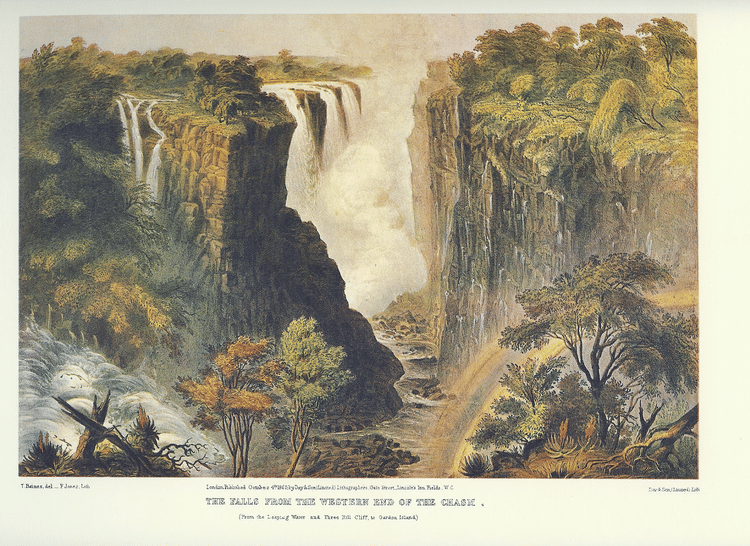
Pre-Scramble Explorations and Medical Breakthroughs: European explorers like David Livingstone, Henry Morton Stanley, Richard Burton, and John Hanning Speke embarked on arduous expeditions, mapping Africa’s great rivers—the Congo, Zambezi, and Niger—and famously searching for the source of the Nile, finally confirmed as Lake Victoria in the 1860s. These discoveries unveiled navigable waterways that promised unprecedented access to the continent’s heartland. Crucially, medical advancements, particularly the widespread use of quinine, significantly reduced European mortality rates from tropical diseases like malaria, making sustained presence in the interior viable for the first time. This opened the floodgates for traders, missionaries, and prospective colonists.
The Discovery of Riches: The lure of Africa’s resources intensified dramatically with two pivotal discoveries in Southern Africa. In 1867, diamonds were unearthed at Kimberley, sparking a frantic rush of prospectors. This was followed by the discovery of massive, world-changing gold deposits at Witwatersrand in 1886. These finds ignited a veritable gold rush, inspiring countless others to seek similar treasures across the continent, though often leading to disappointment for individual fortune-seekers.
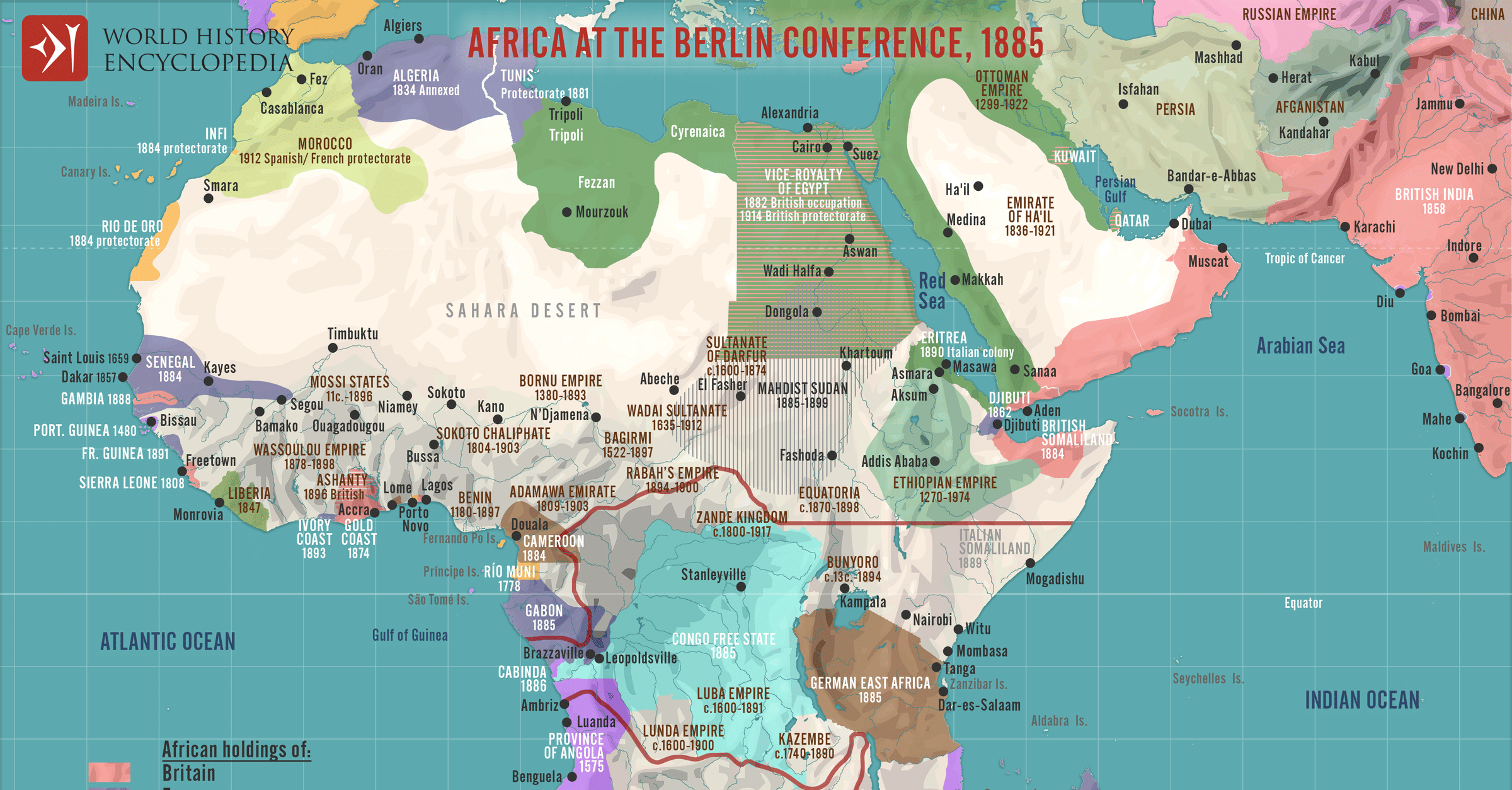
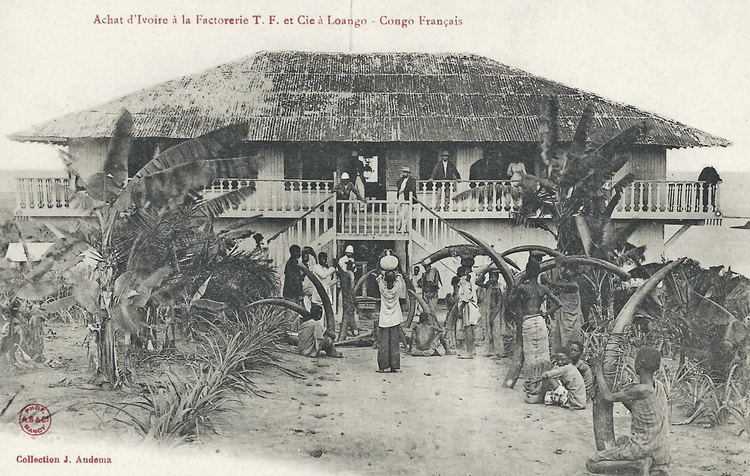
King Leopold II and the Congo Basin: A significant catalyst for the formal Scramble was the personal ambition of King Leopold II of Belgium. Driven by a desire for a colonial empire, he employed explorer Henry Morton Stanley to establish a vast private domain in the Congo Basin in the early 1880s. Leopold’s brutal exploitation of the region, ostensibly for humanitarian reasons but in reality for rubber and ivory, sparked international concern and, paradoxically, accelerated other European powers’ efforts to stake their own claims to prevent Belgium from monopolizing Central Africa.
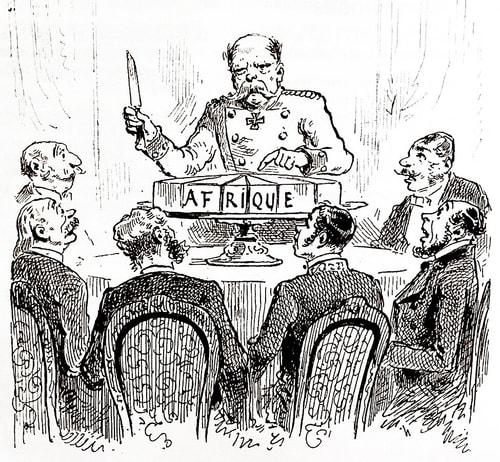
The Berlin Conference (1884-1885): As competition escalated and the potential for inter-European conflict loomed, a landmark event took place: the Berlin Conference. Convened by German Chancellor Otto von Bismarck, this gathering of fourteen European powers (and the United States, which did not sign the General Act) aimed to establish "rules of the game" for African colonization and prevent military clashes on the European continent. Significantly, no representatives from any African states were invited, highlighting the profound disregard for African sovereignty.
While the conference did not directly partition Africa, it laid the framework for its imminent division. Key agreements included guaranteeing free navigation on the Niger and Congo rivers and, most importantly, establishing the principle of "effective occupation." This meant that a European government’s claim to a territory would only be recognized if it could demonstrate actual control—through treaties with local rulers (often coerced), administrative presence, or military force—rather than mere historical claims or paper declarations. This vague definition, however, only served to intensify the scramble, compelling European powers to accelerate their territorial acquisitions and establish a physical presence by any means necessary.
Post-Berlin Intensification: The Berlin Conference inadvertently fueled a more aggressive land grab. European nations, eager to demonstrate "effective occupation," rushed to sign treaties, often with little understanding or regard for existing African political structures, and frequently employed military force. Bilateral agreements between European powers became common, where mutual recognition of claims allowed for swift division, often epitomized by the phrase, "you take that slice and we’ll have this slice." This period saw the rapid drawing of arbitrary straight-line borders that paid no heed to geographical, ethnic, or cultural realities on the ground.
By the turn of the 20th century, the map of Africa was almost entirely redrawn, transforming a diverse continent of independent kingdoms, empires, and communities into a patchwork of European colonies and protectorates.
Unpacking the Motivations and Mechanisms of Domination
The Scramble for Africa was a multifaceted phenomenon, driven by a convergence of economic, technological, and ideological factors that empowered Europe to dominate an entire continent.
Africa’s Coveted Riches and Strategic Value
The primary economic driver was Africa’s immense natural wealth. Beyond the long-standing trade in slaves (which was in decline by the late 19th century, replaced by other forms of exploitation), European powers coveted a wide array of resources:
- Minerals: The discovery of diamonds in Kimberley and vast gold deposits in Witwatersrand transformed the economic calculus, attracting massive investment and migration. Other minerals like copper, tin, and coal also held significant appeal.
- Agricultural Products: Palm oil, essential for lubricants and industrial soap in Europe, was a major export. Rubber, particularly from the Congo, became crucial for industrial production, often extracted through brutal forced labor. Groundnuts, cocoa, coffee, and cotton were also sought for European markets.
- Wildlife Products: Ivory, from elephant tusks, was in high demand for luxury goods like piano keys, billiard balls, and decorative items, leading to the decimation of elephant populations.
Beyond resources, strategic control was paramount. The Suez Canal, completed in 1869, became a vital artery for global trade, especially linking Europe to Asia, making Egypt and its surrounding regions highly desirable for British control. Control over major river systems like the Congo, Niger, and Zambezi was also crucial for internal transport and resource extraction.
Technological Edge and Medical Breakthroughs
European success in Africa was inextricably linked to technological superiority and scientific advancements.
- Medicine: The development and widespread use of quinine as an anti-malarial drug was a game-changer. It drastically reduced European mortality rates from tropical diseases, allowing for deeper and more sustained penetration into previously inaccessible interior regions.
- Transportation and Communication: Steamships revolutionized river and coastal travel, enabling faster and more cost-effective transport of goods and troops. The construction of railways and roads facilitated the movement of resources from the interior to coastal ports, while telegraph systems allowed for rapid communication and administrative control over vast territories. These infrastructural developments were built primarily to serve colonial extraction, not local development.
- Military Technology: The disparity in weaponry was stark. European armies were equipped with advanced rifles, Maxim machine guns, and artillery, which gave them an overwhelming advantage over African forces, who often fought with spears, bows, and older firearms. This technological gap made large-scale resistance incredibly difficult, though not impossible.
The Economic Imperative: Europe’s "Great Depression"
As highlighted by The Cambridge Encyclopedia of History, the period known as the "Great Depression" (1873-1896), characterized by unstable prices and profits in the international capitalist economy, significantly spurred the drive for African colonies. European merchants and industrialists urged their governments to secure new African outlets for exports and investment, viewing colonial expansion as a solution to domestic economic woes and a means to maintain prosperity. Colonies offered captive markets for manufactured goods, reliable sources of cheap raw materials, and new avenues for capital investment.
The Colonization Process: From Trading Posts to Full Colonies
The process of colonization typically unfolded in stages:
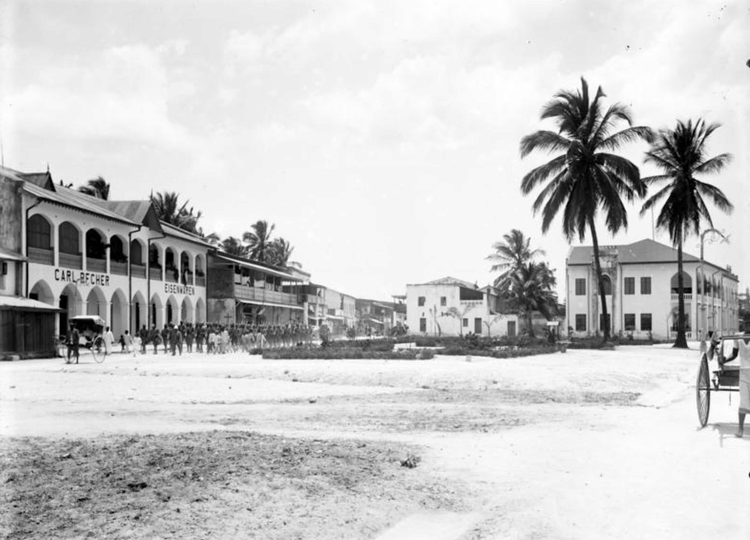
- Trading Stations: Initially, European presence was often limited to coastal "factories" or trading posts, which controlled regional trade, sometimes monopolized by private trading companies.
- Missionary Activities: Alongside traders, missionaries established churches, hospitals, and schools, often with the permission of local chiefs. While some provided genuine services, they also served as cultural vanguards, undermining indigenous belief systems and paving the way for colonial rule.
- State Investment and Infrastructure: As the lucrative nature of a region became apparent, European governments began direct investment. This included funding for roads, bridges, railways, and telegraph systems, all designed to facilitate commerce, resource extraction, and administrative control.
- Military Protection and Conquest: State investment inevitably led to a need for military protection. European armies were deployed, and local militia and police forces were formed. This often resulted in wars where African peoples resisted the takeover of their land and resources. Despite fierce resistance, the superior European weaponry and organizational capacity usually prevailed.
- Settler Communities and Political Institutions: As European settler communities grew, new political institutions were established, typically excluding Africans from any meaningful participation.
- Formal Colonial Status: A region might be granted the status of a full colony, signifying direct rule, or a less controlling protectorate status, particularly if it was strategically important to other European powers (e.g., Egypt due to the Suez Canal).
African powers were not entirely passive. Many rulers strategically allied with one European power against another, or used foreign military and trade connections to bolster their own positions against local rivals. However, those who chose outright military resistance, like the Ashanti or the Zulu, ultimately faced superior European firepower and lost their states or saw them absorbed into larger colonies. Nevertheless, rebellions, such as the Mahdist War in Sudan (late 19th century) and the later Mau Mau Rebellion in Kenya (mid-20th century), demonstrated ongoing resistance and the enduring desire for self-determination. These acts of defiance, though often brutally suppressed, laid the groundwork for future nationalist movements.
The "Civilizing Mission" and Its Hypocrisy
European conquest was rarely presented as pure land-grabbing and resource exploitation. Instead, it was cloaked in a moral veneer, a set of justifications that served to assuage consciences and rally public support.
Justifications for Conquest: The Three Cs
The core of this self-serving ideology revolved around the "3 Cs" of imperialism:
- Commerce: The economic benefits were undeniable, but often framed as bringing prosperity to both Europe and Africa, opening new markets, and integrating Africa into the global economy.
- Christianity: Missionaries and religious leaders genuinely believed in their duty to spread the Christian faith, viewing indigenous religions and cultures as "pagan" and "primitive." This often involved actively undermining local belief systems and cultural practices.
- Civilization: This was perhaps the broadest and most insidious justification. Europeans saw themselves as bringing "progress," "modernity," education, medicine, and legal systems to "backward" peoples. This was a highly selective "civilization" that often involved forced labor, cultural suppression, and political disenfranchisement, all while extracting wealth.
Social Darwinism and Racial Ideologies
Underpinning these justifications was the pervasive ideology of Social Darwinism, a misapplication of Darwin’s theory of evolution to human societies. Europeans widely believed that their industrialized economies and technological superiority proved their "racial" and cultural advancement. This led to the notion that "more evolved" nations had a natural right, even an obligation, to interfere in and rule "less advanced" societies. This racist vocabulary, replete with terms like "primitive" and "savage," was not merely descriptive but prescriptive, shaping policies of exploitation and justifying brutal treatment.
As historian M. E. Chamberlain observed, this belief provided imperialists with "a comforting reassurance that they were on the winning side and a kind of absolution for any dubious acts they might commit in fulfilling an inevitable and ultimately benevolent destiny." This worldview was reinforced by contemporary European historians and scholars who often dismissed Africa’s rich and complex history as empty of anything noteworthy, further dehumanizing its inhabitants.
The Berlin Conference: A Symbol of Disregard
The Berlin Conference itself, despite its stated aims to promote "civilization" and suppress slavery, was a stark symbol of this disregard for African self-determination. The absence of any African representatives at a meeting determining their continent’s future underscored the European conviction that they alone had the right to decide Africa’s fate. While delegates made vague promises to preserve native tribes and improve living conditions, these were largely empty words, serving primarily to legitimize the territorial grab in the eyes of a European public. The very notion that industrialization granted them the power and right to intervene without consultation is difficult to comprehend today but was a widely accepted attitude at the time.
This powerful narrative of empire was disseminated across European societies, from literature and theatre to music, advertising, and educational materials. Children were taught the glory and benefits of empire, fostering a sense of national pride and collective purpose in the imperial project.
Implications: A Legacy of Division and Disruption
By the early 20th century, the Scramble for Africa was largely complete, leaving only Liberia and Abyssinia independent. Over 100 million Africans found themselves under European rule, their lives and lands transformed. The implications of this era have been profound and enduring, shaping the trajectory of the continent for generations.
Artificial Borders and Sociopolitical Fragmentation
Perhaps the most visible and damaging legacy of the Scramble is the imposition of arbitrary, straight-line borders. These frontiers, drawn on European maps with little to no knowledge of local realities, often sliced through established ethnic groups, linguistic communities, and traditional trade networks, while simultaneously lumping disparate groups together. This disregard for indigenous sociopolitical structures sowed the seeds of future conflict, civil wars, and humanitarian crises that continue to plague many African nations today. The artificiality of these states has hindered nation-building and fostered internal divisions.
Economic Exploitation and Underdevelopment
Colonial economies were designed primarily to serve European interests. African resources were ruthlessly extracted for European industries, often through forced labor and highly exploitative systems. Local industries were suppressed to prevent competition with European manufactured goods, and economies were reoriented towards the production of cash crops and raw materials for export, rather than diversified internal development. This created economies that were highly dependent on external markets and vulnerable to global price fluctuations, a pattern of underdevelopment that many African nations still struggle to overcome. The profits from this exploitation flowed almost exclusively to Europe, enriching colonial powers while impoverishing the continent itself.
Cultural and Environmental Impact
The "civilizing mission" often translated into the suppression of indigenous cultures, languages, and religions. European education systems were introduced, often designed to create compliant subjects rather than foster independent thought. Traditional governance structures were dismantled or co-opted, eroding local authority and cultural identity. Environmentally, the impact was severe. Deforestation for timber and agriculture, coupled with the rampant hunting of animals for their valuable products (like elephants for ivory), led to significant ecological degradation and the eradication of certain species in many areas.
The Seeds of Future Independence Struggles
While the initial impact of the Scramble was European dominance, it also inadvertently planted the seeds of future African nationalism. The shared experience of colonial oppression fostered a new sense of pan-African identity and a common desire for self-determination. Although it would take decades, the mid-20th century saw the rise of powerful nationalist movements that, often drawing inspiration from the very European ideals of liberty and self-governance, eventually fought for and won independence.
Enduring Challenges: Post-Colonial Africa
The challenges faced by newly independent African states in the latter half of the 20th century were immense. They inherited arbitrarily drawn borders, economies designed for external exploitation, underdeveloped infrastructure (outside of resource extraction routes), and political institutions often ill-suited to their diverse populations. This legacy has contributed to ongoing social, economic, and political upheavals, including civil wars, dictatorial regimes, corruption, and persistent humanitarian crises. The struggle to overcome these deeply embedded consequences of the Scramble for Africa continues to be a defining feature of the continent’s modern history, underscoring the profound and lasting impact of this period of imperial ambition.