The Shifting Sands of Storage: Why Portable SSD Prices Are Soaring and Where to Find Value
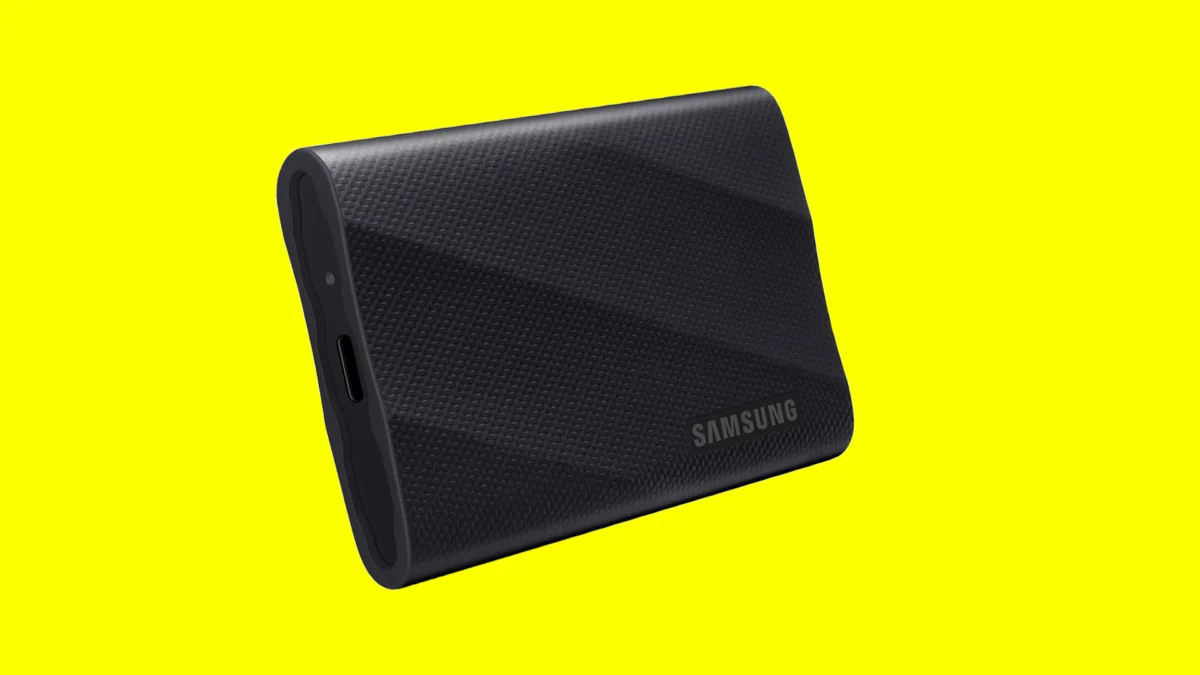
The once-reliable trend of deep discounts on portable Solid State Drives (SSDs) has evaporated, leaving consumers facing steeper prices. This seismic shift is largely attributed to the insatiable global appetite for AI technology, which is dramatically increasing demand for both RAM and long-term data storage solutions. Major manufacturers like Samsung, SanDisk, and Crucial are redirecting significant production capacity towards the data center market, a move that has inevitably sent consumer-grade storage prices skyward. However, even amidst this challenging landscape, occasional deals emerge, offering a glimmer of hope for savvy shoppers.
The Era of Deep Discounts: A Fading Memory
For a considerable period, purchasing a portable SSD felt like a perpetual sale. Consumers could almost reliably expect to find discounts of up to 50% on these essential devices almost weekly. The listed prices often seemed more like aspirational figures than actual market realities, with aggressive promotions being the norm rather than the exception. This accessibility made high-capacity, high-speed portable storage a readily attainable commodity for a wide range of users, from creative professionals and gamers to students and everyday users needing to back up their digital lives. The constant availability of affordable options fostered an environment where upgrading storage was a frequent and cost-effective consideration.
The AI Awakening: A New Demand Driver
The recent and rapid acceleration of Artificial Intelligence (AI) development has fundamentally altered the global technology landscape. AI models, particularly large language models (LLMs) and complex machine learning algorithms, require immense amounts of data for training and operation. This has led to an unprecedented surge in demand for components that can facilitate this data-intensive process.
RAM (Random Access Memory) plays a crucial role in AI model training, enabling faster data processing and model iteration. The need for larger and more efficient RAM modules has pushed manufacturers to prioritize its production.
Equally significant is the demand for long-term data storage. AI applications generate and consume vast datasets, necessitating robust and high-capacity storage solutions. Data centers, the backbone of AI infrastructure, require an enormous quantity of both RAM and storage to support cloud computing, AI model hosting, and the processing of real-time data streams.
Manufacturers Pivot: Data Centers Take Precedence
In response to this escalating demand from the AI sector, leading storage manufacturers have strategically shifted their focus and production resources. Companies such as Samsung, a dominant player in both consumer and enterprise storage, along with SanDisk (part of Western Digital) and Crucial (a brand of Micron Technology), are now heavily invested in supplying the data center market.
This strategic reallocation means that a significant portion of their manufacturing capacity, which was previously dedicated to producing consumer-grade SSDs, is now being channeled into enterprise-level storage solutions. These enterprise solutions are designed for high-density, high-performance, and often highly specialized applications within data centers, such as NVMe SSDs for servers and high-capacity drives for cloud storage.
The Consequence: A Price Surge for Consumers
The direct consequence of this industry-wide pivot is a noticeable and often dramatic increase in the prices of portable SSDs available to consumers. With a reduced supply of consumer-focused drives and an overwhelming demand, manufacturers are no longer compelled to offer the deep and frequent discounts that were once commonplace.
- Elevated List Prices: The manufacturer’s suggested retail prices (MSRPs) for portable SSDs have generally increased. This means that even without considering discounts, the baseline cost of acquiring a portable SSD is higher than it was previously.
- Reduced Discount Frequency and Depth: The "almost every other week" discount cycle has largely ceased. When discounts do appear, they are often less substantial, and the window of opportunity to take advantage of them is considerably shorter. This makes it harder for consumers to find deals that significantly reduce the overall cost.
- Increased Scarcity: In some instances, popular models may experience temporary stock shortages as manufacturers prioritize fulfilling larger, more lucrative orders for the data center market.
Navigating the New Landscape: Opportunities Still Exist
Despite the challenging market conditions, the narrative is not entirely bleak. The sheer volume of production, even with a shift in focus, means that opportunities for consumers to acquire portable SSDs at reduced prices still arise. These moments are becoming rarer and more valuable, making them crucial to identify and act upon.
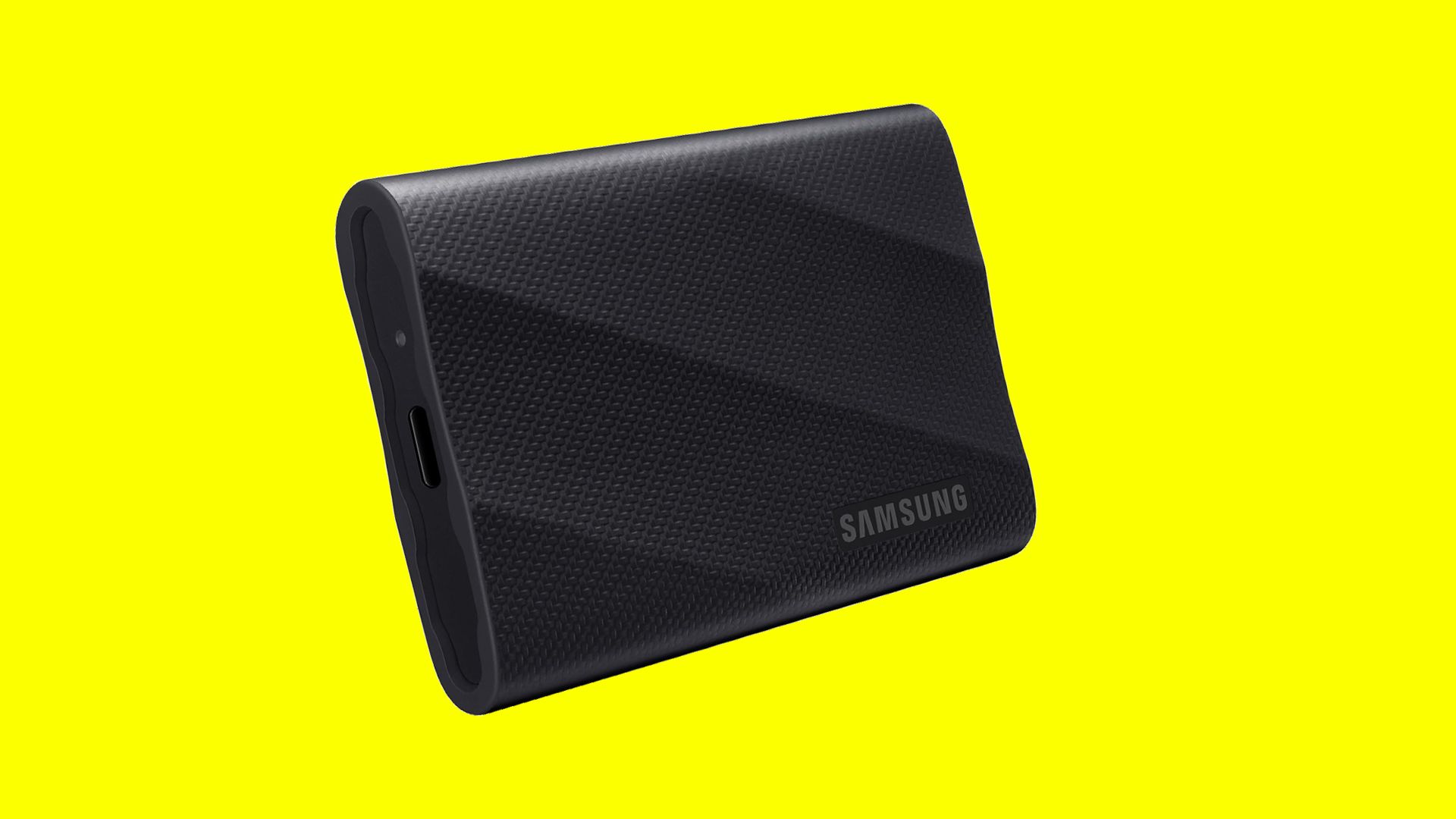
The Samsung T7 1TB Portable SSD Deal: A Case in Point
A prime example of such an opportunity recently emerged on Amazon in the US. The popular Samsung T7 1TB portable SSD, a device that has consistently received high marks for its performance and reliability, was available with a significant discount of 24%. This brought the price down from its listed $287.99 to a more palatable $219.99. This particular deal highlights the potential for substantial savings when these limited-time offers surface.
Such deals are invaluable for consumers who have been holding off on upgrading their storage or those who need to expand their capacity. They represent a chance to acquire high-quality, reliable storage at a price point that more closely resembles the market conditions of the past.
Chronology of Storage Market Shifts
The portable SSD market has experienced several significant evolutionary phases:
- Early Days (Pre-2018): High prices and limited capacity were the norm. Performance was good, but affordability was a barrier for many.
- The Discount Era (2018-2022): Increased manufacturing scale, falling component costs, and fierce competition led to a consistent stream of aggressive discounts, often reaching 50% or more. Portable SSDs became mainstream and highly accessible.
- The AI Catalyst (2023-Present): The rapid growth of AI technologies created an unprecedented demand for high-capacity storage and RAM. Manufacturers began prioritizing the data center market, leading to reduced consumer availability and increased prices.
- The Current Market (Present): A period of higher consumer prices punctuated by occasional, but highly sought-after, promotional deals.
Supporting Data and Industry Insights
While specific figures for the exact allocation of production between consumer and enterprise markets are often proprietary, industry analysis consistently points to the AI boom as the primary driver of current storage market dynamics.
- Semiconductor Demand: Reports from market research firms like Gartner and IDC indicate a significant increase in demand for NAND flash memory and DRAM, essential components for SSDs and RAM, respectively. This demand is largely fueled by data center expansion and AI infrastructure build-outs.
- Component Costs: The underlying costs of producing NAND flash memory and controllers have seen fluctuations, but the overarching demand surge has outstripped supply, leading to higher pricing across the board.
- Manufacturer Statements: While not always explicit about shifting production, statements from executives at major semiconductor companies often allude to strong demand from cloud and AI sectors, indicating a strategic focus on these areas.
Official Responses and Industry Perspectives
Direct official responses from manufacturers regarding the specific impact on consumer SSD pricing are rare. However, industry analysts and spokespeople often provide context:
- Focus on High-Growth Segments: Companies generally emphasize their commitment to serving high-growth markets, which currently include AI and cloud computing. This is a standard business strategy to capitalize on emerging technological trends.
- Market Dynamics: The narrative is often framed around "market dynamics" and "supply and demand." Manufacturers are essentially responding to where the most significant and profitable demand lies.
- Long-Term Outlook: While current prices are elevated, the long-term outlook for storage technology generally involves continued innovation and eventual price stabilization or reduction as new manufacturing processes mature and supply chains adapt. However, the immediate future for consumer-level discounts remains uncertain.
Implications for Consumers and Creative Professionals
The current pricing landscape for portable SSDs has several key implications:
- Budgeting for Storage: Consumers need to adjust their expectations and budgets for acquiring portable SSDs. What was once a relatively inexpensive upgrade may now require a more significant financial outlay.
- Strategic Purchasing: Identifying and acting on limited-time deals, like the Samsung T7 promotion, becomes even more critical. Subscribing to deal alerts and monitoring reputable tech retailers is advisable.
- Prioritizing Needs: For professionals who rely heavily on portable storage for large projects (e.g., video editors, photographers, game developers), the increased cost can impact their operational expenses. They may need to carefully consider the capacity and speed requirements versus the budget constraints.
- Rise of Alternatives (Potentially): While less likely to offer the same combination of speed and portability, the increased cost of SSDs might, in the longer term, lead some users to re-evaluate their reliance on them for certain less performance-critical tasks, potentially exploring higher-capacity traditional Hard Disk Drives (HDDs) for bulk storage, albeit with a significant performance penalty.
- The Value of Tested Recommendations: Reviews and recommendations from trusted sources become even more important. Identifying SSDs that offer the best performance-to-price ratio within the current market is key. The Samsung T7, for example, is often cited as a good balance of speed, durability, and price, even at its higher current price point.
In conclusion, the portable SSD market is undergoing a significant transformation driven by the AI revolution. While the days of ubiquitous 50% off sales may be behind us for now, diligent consumers can still find value. By understanding the underlying market forces and remaining vigilant for opportune moments, individuals can still equip themselves with the essential high-speed storage solutions they need in an increasingly data-centric world.