
Unveiling the GM’s Craft: Justin Alexander on the Art of Preparation, from "Chicken Scratch" to Epic Sagas
FOR IMMEDIATE RELEASE
[DATELINE] – Renowned tabletop role-playing game (TTRPG) theorist and game master (GM) Justin Alexander, celebrated for his influential blog The Alexandrian and groundbreaking "Remixes" of popular campaigns, has offered an unprecedented look into the varied and often intensely personal nature of his GM preparation. Dispelling common assumptions and demystifying the creative process, Alexander revealed that his session notes range from meticulously detailed, multi-volume campaign dossiers to what he candidly describes as "essentially chicken scratch," a testament to his "Smart Prep" philosophy and decades of improvisational skill.
The revelation comes amidst growing public curiosity regarding Alexander’s methodologies, particularly after his recent appearance at Green Dragon Fest 2026, where he ran a scenario titled "Bloodwight Heist." The contrast between the apparent simplicity of the notes used for this high-profile event and the complexity of his published works has sparked considerable discussion within the TTRPG community, highlighting the intricate balance between pre-planning and in-the-moment creativity that defines skilled game mastering.
A Spectrum of Preparation: From Grand Narratives to Minimalist Heists
Justin Alexander’s approach to GM preparation is far from monolithic, a point he frequently addresses when asked by aspiring GMs and fans. His work is often associated with elaborate frameworks, such as The Alexandrian Remix of Eternal Lies, a monumental undertaking that reimagined a classic campaign with intricate continuity, deep thematic integration, and extensive player handouts. Similarly, patrons of The Alexandrian have access to his running files for the Dragon Heist Remix, another example of expansive, detailed campaign notes designed to elevate a published adventure. These projects exemplify a maximalist approach, where every detail, every potential narrative branch, and every player interaction point is considered and documented.
However, Alexander emphasizes that these comprehensive documents represent only one end of his preparation spectrum. His personal notes, designed for an audience of one—himself—are often incomprehensible to outsiders. This was particularly evident during the development of The Vladaam Affair, a campaign arc initially prepped with significant detail but requiring extensive editing and additional writing before it could be shared publicly. The inherent subjectivity of a GM’s personal notes often necessitates a complete translation for broader usability, a laborious process that underscores the gap between personal utility and public consumption.
At the other extreme lies Alexander’s minimalist approach, deeply rooted in his "Smart Prep" philosophy. This principle advocates against prepping elements that can be effectively improvised at the table. For a GM of Alexander’s experience, this means a substantial portion of a scenario’s unfolding narrative, character interactions, and environmental details can be spontaneously generated during play. This capability allows for highly reactive and dynamic sessions, where the story organically evolves in response to player choices, rather than adhering strictly to a pre-scripted path.
Chronology of a "Chicken Scratch" Adventure: The Bloodwight Heist
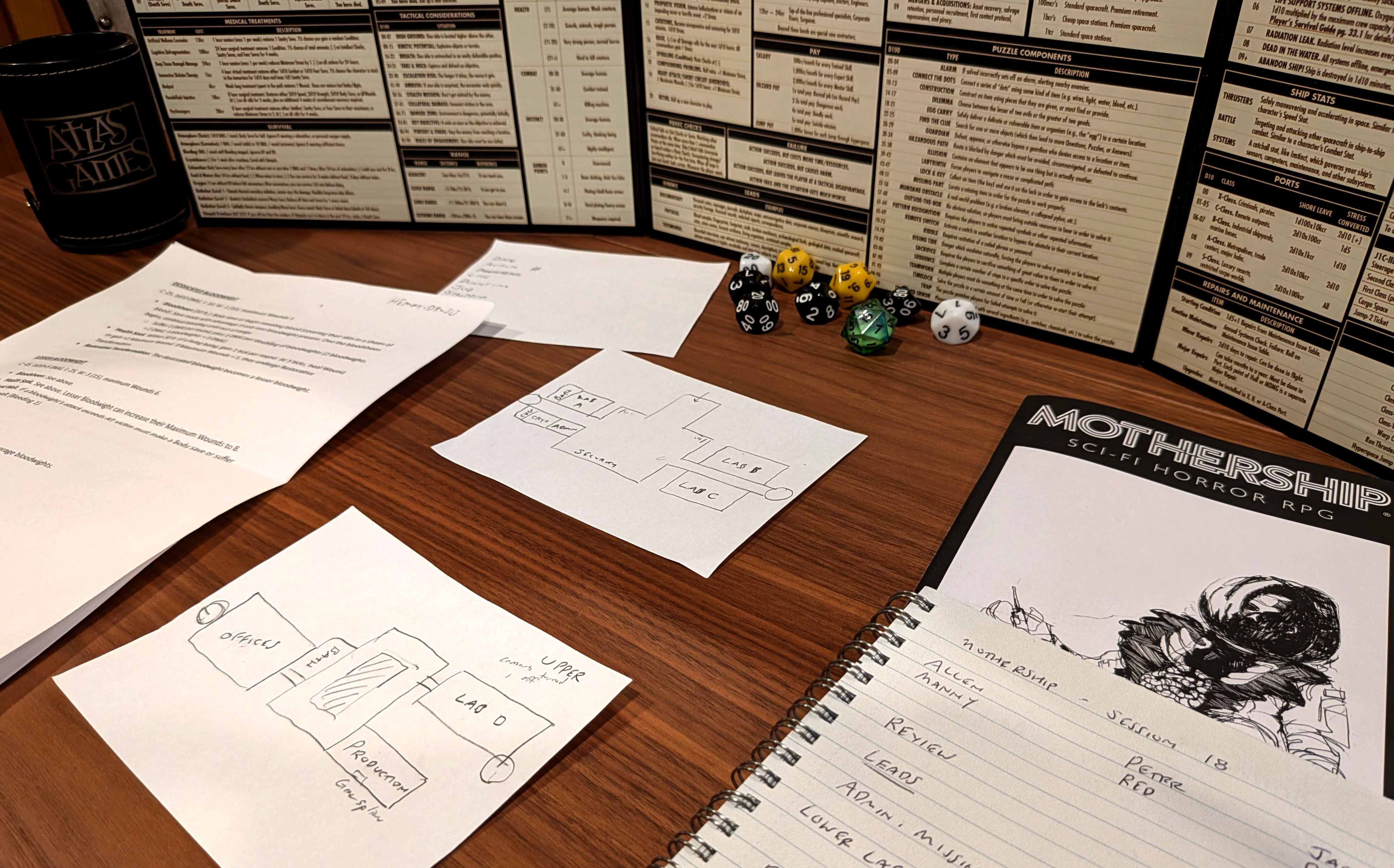
The "Bloodwight Heist" scenario, featured at Green Dragon Fest 2026, serves as a compelling case study for Alexander’s minimalist prep style. Originating as a module for his Mothership open table campaign, its initial notes were remarkably sparse, comprising little more than a job description, a rudimentary location outline, and a few rough sketches.
Initial Conception for Open Table Play:
The "Bloodwight Heist" began its life as a contract for an open-table Mothership campaign. The Mothership RPG, known for its sci-fi horror themes and often brutal gameplay, lends itself well to modular, mission-based scenarios. Alexander’s initial prep for the heist was distilled to its absolute essentials:
- The Job: "Steal a Namir-Radi G7 genesplicer from the Nanopore Genlabs facility located in Zoyechka, Katerineta. 30,000cr." This single entry was formatted into a player-facing "Job Board" card, a minimalist yet effective hook.
- Location Outline (Nanopore Genlabs): A few bullet points categorizing key areas: "Admin – File Servers," "Offices – Cubicles and Offices on north/south side," and "Lower Level – The Blood." These provided only the barest framework for the facility.
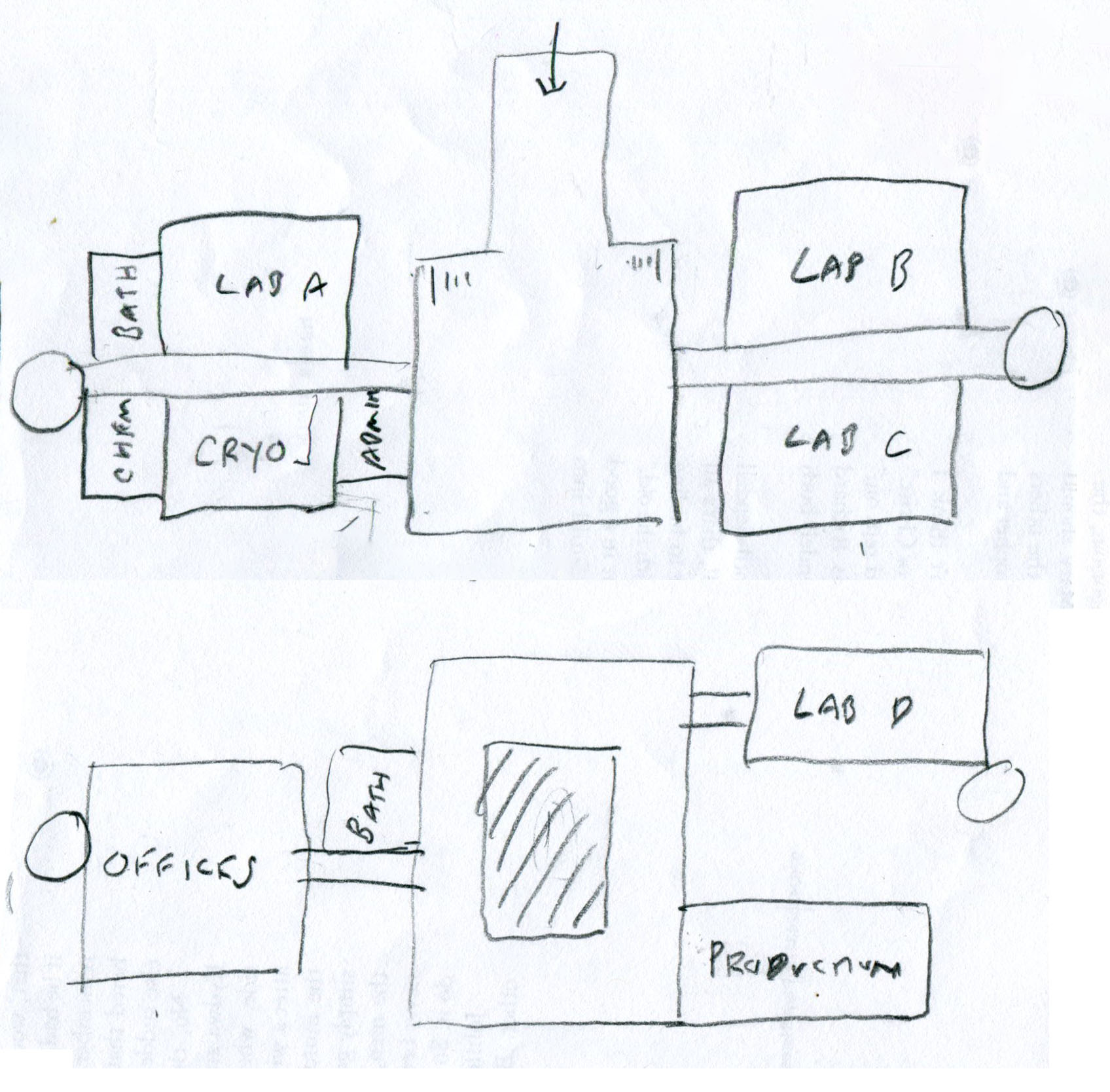
- Visual Aid: A crude, hand-drawn map depicting a two-story scientific research facility with four labs (A-D).
- Monsters: Stat blocks were not created from scratch but "pulled from a different adventure," demonstrating a pragmatic reuse of existing assets.
This lean preparation allowed Alexander maximum flexibility, a critical element for open-table campaigns where player groups and their objectives can shift unpredictably.
Evolution Through Multiple Sessions:
The "Bloodwight Heist" was not a one-and-done scenario; it was run across four distinct sessions with different player groups. This multi-group execution highlighted another facet of Alexander’s adaptable prep.
- Group 1: The initial foray established the baseline for the facility and its challenges.
- Group 2: For the second group, Alexander kept brief notes of Group 1’s actions (e.g., "breaking stuff and blowing up rooms"). This allowed him to dynamically alter the facility’s state, reflecting the consequences of previous incursions. He also introduced an "adversary roster" for the monsters and a security team enforcing a quarantine, adapting the scenario to the evolving narrative.
- Group 3: Federal security forces were "beefed up," escalating the stakes and complexity further.
- Group 4: The fourth group likely encountered a facility significantly modified by the cumulative actions of the preceding teams, creating a living, breathing game world.
This iterative process showcases a sophisticated understanding of emergent narrative, where the GM’s prep becomes a dynamic scaffolding rather than a rigid script.
Green Dragon Fest 2026 Presentation:
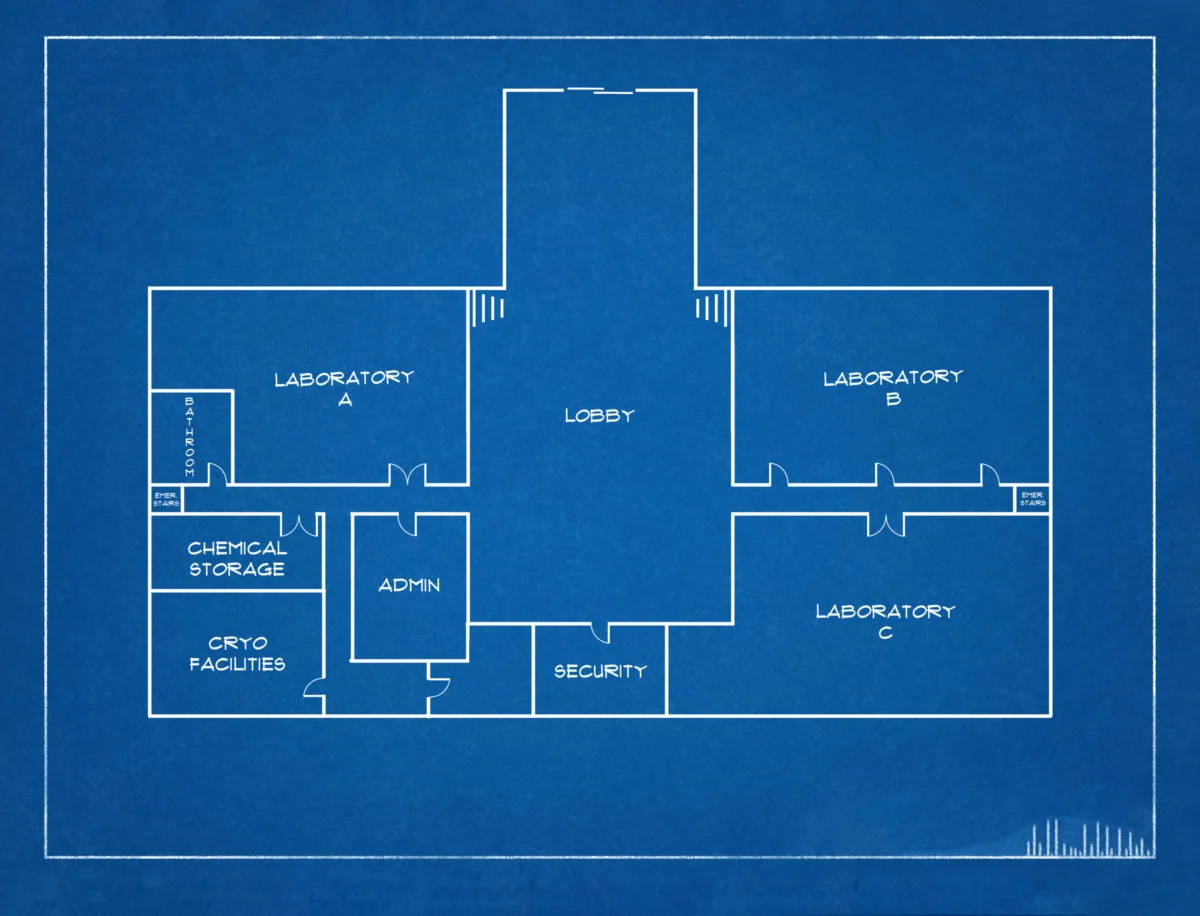
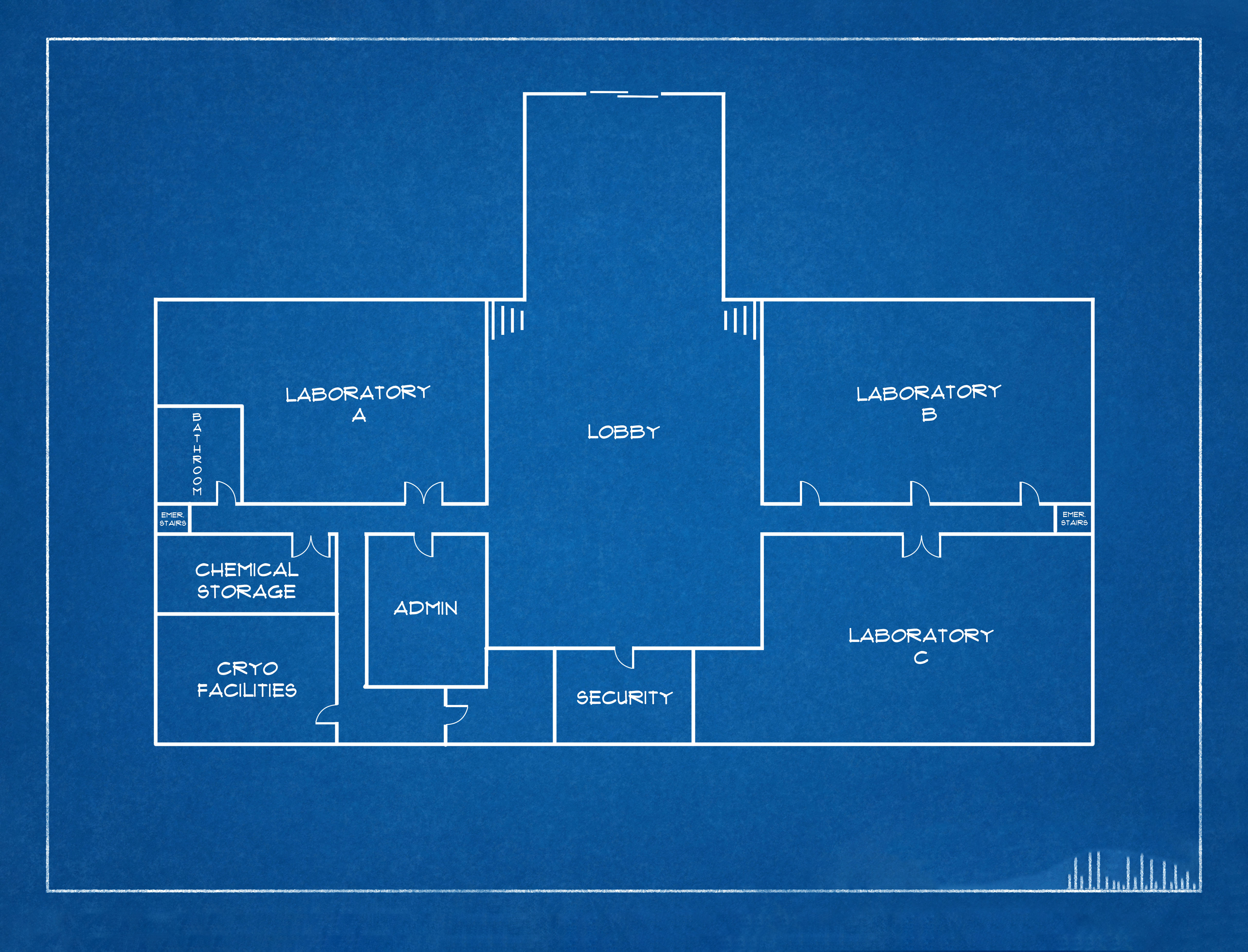
For its presentation at Green Dragon Fest 2026, the "Bloodwight Heist" received a polish, primarily in its player-facing elements. The core heist mechanics and minimalist prep remained largely unchanged. The most notable addition was the creation of "fancier versions of the blueprints" to serve as professional-grade player handouts. These polished visual aids enhanced the players’ immersion and tactical planning without requiring a complete overhaul of the GM’s underlying notes. The festival experience mirrored the open-table evolution, with each subsequent group encountering a site modified by the preceding team’s efforts, creating a shared, evolving narrative for attendees.
Supporting Data: The Pillars of Alexandrian Prep
Alexander’s diverse prep styles are not arbitrary; they are deeply informed by his extensive experience and theoretical contributions to the TTRPG hobby.
The "Smart Prep" Doctrine:
Central to Alexander’s minimalist approach is his "Smart Prep" philosophy. This doctrine, articulated extensively on The Alexandrian, posits that a GM should only prepare what cannot be improvised at the table. This includes key plot points, critical locations, essential non-player characters (NPCs) with specific motivations, and crucial lore elements. Everything else—dialogue, minor NPC details, descriptive flavor text, specific monster tactics (beyond their stat blocks)—can often be generated on the fly. This approach frees the GM from the burden of over-preparation, allowing more energy to be dedicated to the elements that truly drive the narrative and challenge the players. For Alexander, with decades of GMing under his belt, the list of what he can improvise is extensive, making "chicken scratch" notes a viable and efficient strategy.
The Role of System and Scenario Type:
The choice between detailed and minimal prep is also influenced by the specific TTRPG system and the nature of the scenario. Campaigns like Eternal Lies, a sprawling cosmic horror mystery, demand intricate continuity, deep lore, and carefully placed clues to maintain its intricate web of conspiracies. Dragon Heist, a city-based sandbox, benefits from detailed faction dynamics and a rich urban environment. In contrast, Mothership, with its focus on survival horror and modular "one-shot" style scenarios often linked by an overarching open table, is highly conducive to minimalist preparation. The emphasis on immediate threats, resource management, and player-driven exploration means that a lean framework allows for maximum tension and surprise.
The Challenge of Externalizing Internal Lore:
A significant hurdle in transforming personal notes into publishable adventures is the vast amount of implicit knowledge a GM carries. Alexander highlights this with the example of "PT Soil Seeds" from the "Bloodwight Heist." To him, "PT" clearly stands for "Pre-Terraforming," with "PT stations" being a known element within his imagined "Tempest Cluster" setting. This internal consistency and world-building, while robust in his mind, remains largely undocumented in his minimalist notes. To make such an adventure useful for another GM, this unspoken lore, these internal connections, and the underlying logic of the world must be meticulously downloaded onto the page—a process that is, in essence, an act of translation and extensive elaboration. This "after action report" phase, where the GM reconstructs their internal logic for an external audience, is where the "lot of work" truly lies.
Adaptability and Adversary Rosters:
The evolution of "Bloodwight Heist" across multiple groups demonstrates Alexander’s mastery of dynamic scenario design. By tracking previous groups’ actions, he could realistically portray a facility that was being progressively impacted. The introduction of "adversary rosters" for security teams and monsters is another Alexandrian staple, offering GMs a flexible framework for managing opposing forces without having to pre-script every encounter. This method allows for strategic reinforcement, changing patrols, and dynamic responses to player actions, further reducing the need for rigid pre-planning.
Community Reactions and Expert Commentary
Alexander’s candid insights into his preparation methods resonate deeply within the TTRPG community, which is constantly grappling with the perennial question: "How much should I prep?" His work serves as both a reassurance and a challenge to GMs of all experience levels.
Veteran GMs often recognize the truth in Alexander’s dichotomy. "Every GM eventually develops their own shorthand," notes Elara Vance, a prominent TTRPG blogger and community organizer. "What Justin highlights is that this shorthand isn’t just about efficiency; it’s about internalizing the craft to a point where the game flows naturally from a few key prompts. It’s a testament to experience."
The distinction between notes for personal use and those intended for publication also sheds light on the demands of adventure writing. Publishers and editors frequently face the task of transforming a GM’s brilliant, but often idiosyncratic, homebrew notes into a coherent, accessible product for a wider audience. This process involves not just clarity of language but also anticipating the myriad ways a different GM might interpret or run the material, necessitating extensive contextualization and instruction.
Aspiring GMs, in particular, find Alexander’s "Smart Prep" invaluable. "It’s easy to get overwhelmed by the sheer volume of advice on prep," says Kai Chen, a newer GM who follows The Alexandrian. "Seeing that even a master like Justin uses ‘chicken scratch’ for some games gives me permission to not overthink everything. It encourages me to trust my own improvisational skills and focus on what truly matters for the session." The emphasis on "testing your limits" and understanding "what is and isn’t essential prep" offers a practical pathway for GMs to refine their own methods, moving beyond prescriptive guides to discover what works best for their individual style and campaigns.
Implications: Reshaping GMing Pedagogy and Content Creation
Justin Alexander’s detailed breakdown of his prep styles carries significant implications for both the pedagogy of game mastering and the future of TTRPG content creation.
Redefining "Good" Prep:
His work challenges the notion of a single "correct" way to prepare. Instead, it advocates for a dynamic, context-dependent approach. "Good" prep isn’t about volume; it’s about effectiveness and efficiency for the specific GM, game system, and scenario. It encourages GMs to develop a metacognitive awareness of their own strengths and weaknesses, identifying areas where they excel at improvisation and areas where more detailed planning is crucial. This personalized approach to prep can lead to more confident and less stressed GMs.
The Craft of Improvised Storytelling:
The success of "Bloodwight Heist" from minimal notes underscores the importance of improvisational skills in GMing. Alexander’s ability to run engaging, multi-session scenarios with little more than a framework highlights GMing as a performative art form, where quick thinking, adaptability, and a deep understanding of narrative principles are paramount. It suggests that training for GMs should not solely focus on world-building and plot design but also on techniques for spontaneous creation and flexible response.
Challenges and Opportunities for TTRPG Publishers:
For the TTRPG industry, Alexander’s insights illuminate the often-invisible labor involved in transforming a creative concept into a publishable product. The "lot of work" required to translate personal notes into an accessible adventure module represents a significant investment of time and resources. This understanding could lead to:
- Better Author-Editor Collaboration: Acknowledging this translation process upfront can foster more effective collaboration between adventure writers and their editorial teams.
- Innovative Module Design: Publishers might explore new formats that cater to different GMing styles, perhaps offering "minimalist GM notes" alongside fully detailed versions, allowing GMs to choose their preferred level of detail.
- Focus on Core Concepts: Emphasizing the underlying design principles and "Smart Prep" strategies within published modules could empower GMs to adapt and improvise more effectively, rather than feeling constrained by overly prescriptive texts.
Empowering the GM Community:
Ultimately, Alexander’s transparency is an empowering message. By revealing the range of his own methods, from the complex to the deceptively simple, he demystifies the GMing process. He provides a roadmap for GMs to experiment, to find their own balance between preparation and improvisation, and to continuously refine their craft. His work encourages GMs to view their prep as an evolving practice, a personal journey of discovery that can lead to more engaging, dynamic, and ultimately, more satisfying gaming experiences for everyone at the table. As the TTRPG community continues to grow, such insights from its leading voices are invaluable in fostering a more skilled, confident, and innovative generation of game masters.


Leave a Comment