
The Unsung Storytellers: How Cylinder Seals Revealed the Heart of Ancient Mesopotamia
Introduction: Beyond Grand Monuments, A Glimpse into Everyday Life
In the annals of ancient history, few civilizations captivate the imagination quite like Mesopotamia, the "cradle of civilization." Our understanding of this remarkable era is often shaped by monumental discoveries: the towering ziggurats, the epic tales of Gilgamesh, or the grand reliefs adorning royal palaces. Yet, among the most profound and intimately revealing artifacts are the humble cylinder seals. These small, often exquisite, objects, though easily overlooked in vast museum collections, offer an unparalleled window into the daily lives, beliefs, and complex administrative systems of ancient Mesopotamians, from kings to commoners. Far more than mere decorative items, cylinder seals were the binding signatures of their time, a testament to personal identity, commercial transactions, and spiritual devotion, telling a story far more complete and human than any towering statue ever could.
Main Facts: Anatomy of an Ancient Signature
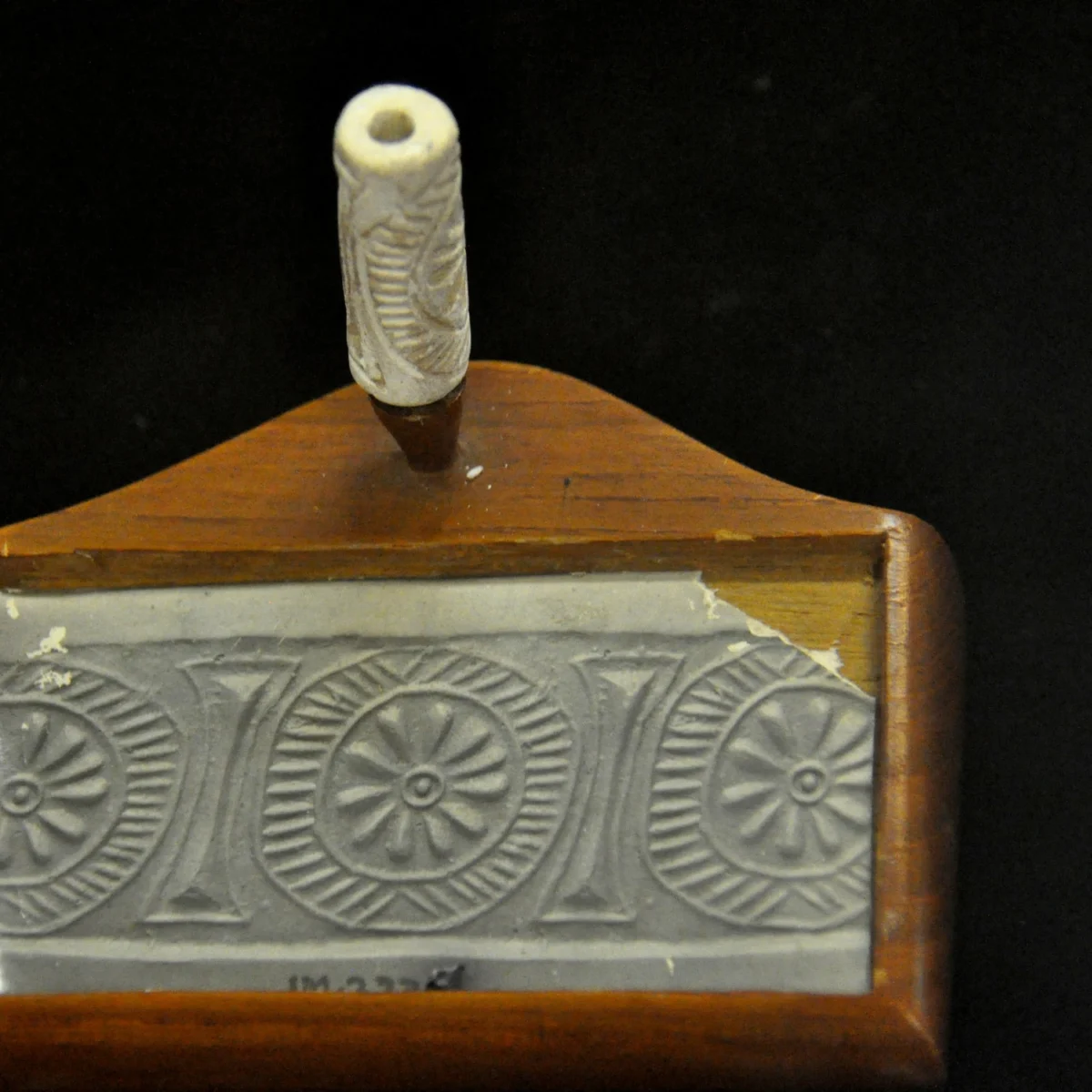
Cylinder seals were essentially personalized impression stamps, intricately carved miniature works of art designed to be rolled across wet clay. Known as kishib in Sumerian and kunukku in Akkadian, these ubiquitous tools were integral to virtually every aspect of Mesopotamian life. Their use transcended social strata; whether it was a king authorizing a decree or a slave validating a transaction, the cylinder seal served as an undeniable mark of authenticity and ownership.
The genesis of these fascinating artifacts can be traced back to the Late Neolithic Period, roughly 7600-6000 BCE, with some scholarly debate placing their earliest origins in ancient Syria or slightly later in Sumer (modern-day Iraq). Crafted from a diverse array of materials, their composition often reflected the owner’s status. Semi-precious stones such as marble, obsidian, amethyst, and the highly prized lapis lazuli were common choices, celebrated not only for their beauty but also for their durability. For the elite, seals fashioned from precious metals like gold or silver denoted immense wealth and power.
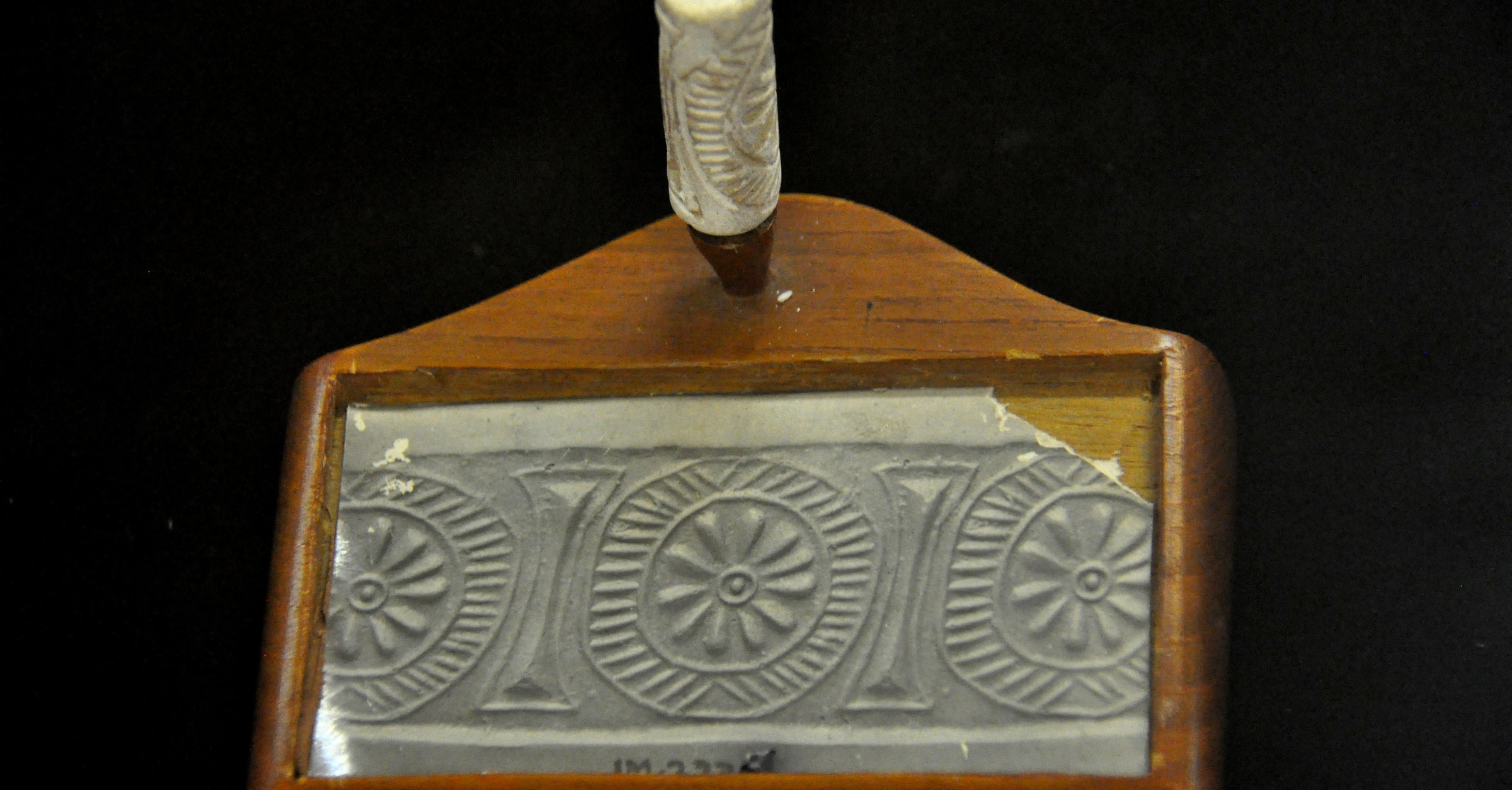
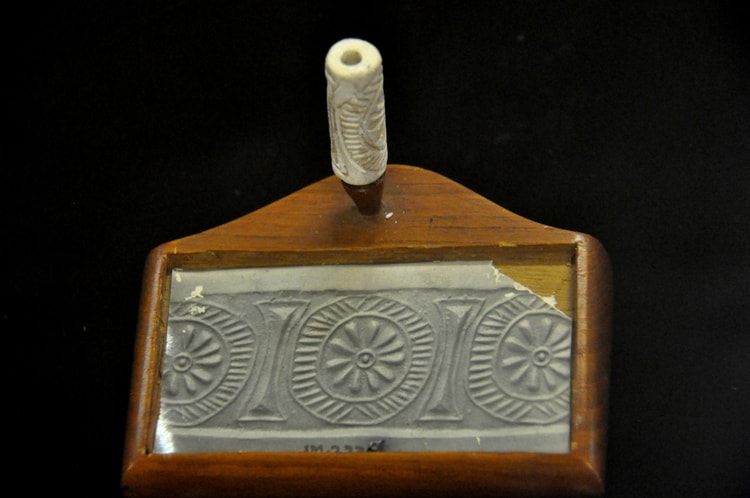
These seals were designed for practical, everyday use. Owners typically wore them on leather strings around their necks or wrists, or conveniently pinned them to their garments. This constant proximity underscored their importance, making them an extension of the individual. When needed, the seal would be pressed and rolled onto moist clay tablets or objects, leaving a unique, raised impression – a binding signature that authenticated documents, legitimized business deals, and secured property, much like a modern signature, stamp, or digital certificate. The permanence of the clay impression ensured the integrity of the information and the legitimacy of the signatory.
Chronology: The Dawn of Sealing and the Great Debate
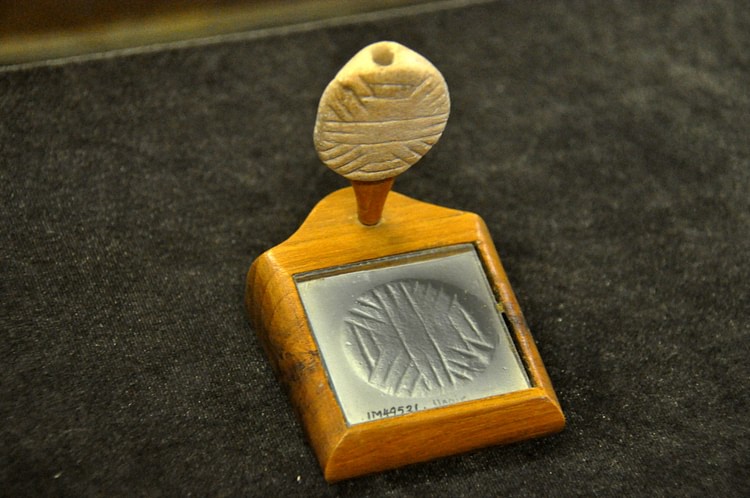
The history of Mesopotamian sealing begins even before the widespread adoption of the cylinder seal. Contemporaneous with, and possibly predating, cylinder seals were stamp seals. These were smaller, typically less than an inch (2 cm) in total, and often less ornate, bearing a closer resemblance to the later signet rings of classical antiquity. While the typical cylinder seal measured between 3-4 inches (7-10 cm) in length, offering a far larger "canvas" for artistic expression, stamp seals provided a simpler, more immediate method of marking.
The question of which came first – the stamp seal or the cylinder seal – has been a point of scholarly contention. Dr. Stephen Bertman suggests the stamp seal preceded the cylinder seal, a logical assumption given its simpler form. However, other prominent scholars like Dr. Gwendolyn Leick and Dr. Senta Green argue for their contemporaneous use. Archaeological evidence indicates that stamp seals remained popular across Mesopotamia, particularly in regions corresponding to modern Syria and Turkey, even as cylinder seals gained prominence elsewhere.
This academic debate often revolves around the precise function of the seals and the types of objects they were intended to mark. One theory posits that cylinder seals evolved from stamp seals due to the emerging need to seal bullae – hollow, rounded clay balls used to enclose tokens representing financial transactions (e.g., pebbles signifying livestock). The rounded surface of a bullae would logically require a rolling action for an effective impression. Conversely, stamp seals were thought to have been used for securing flat clay envelopes, which would be broken open upon receipt. Under this hypothesis, flat envelopes preceded bullae, making the stamp seal the earlier, more efficient tool for flat surfaces.
However, archaeological findings present a more complex picture. Broken clay envelopes have been discovered bearing the impressions of cylinder seals, and conversely, bullae have been found marked with stamp seals. This intermingling of usage complicates a straightforward chronological progression. The most balanced conclusion suggests that while stamp seals might have emerged earlier, both types of seals were widely used across Mesopotamia for various applications, predating even the invention of cuneiform writing. The continued use of stamp seals, even after the advent of the more sophisticated cylinder seal, might be attributed to personal preference or the seals becoming treasured family heirlooms passed down through generations, as noted by Bertman.
Scholar Clemens Reichel, as cited in Joshua Engelhardt’s Agency in Ancient Writing, offers a compelling resolution to this "which came first" dilemma, suggesting that regional needs dictated the preference. Reichel observes: "Unlike the northern sealing tradition of using stamp seals, southern Mesopotamians used cylinder seals, consisting of stone cylinders into which seal designs were engraved. The difference between stamp seal and cylinder seal is much more than a technical one and, in fact, tells us about the very nature of scribal agency behind the seal."
Reichel argues that the limited surface area of a stamp seal restricted the complexity and variability of iconographic designs. Cylinder seals, with their elongated, rectangular "canvas," allowed for elaborate, narrative depictions. This greater capacity for detail and variation was crucial for the increasingly complex bureaucratic entities emerging in southern Mesopotamian cities like Uruk. The ability to create subtle distinctions between seals, identifying individual agents within a vast administrative system, made the cylinder seal ideally suited for the sophisticated societal structures of the south. In contrast, the simpler administrative requirements of the north may have sustained the popularity of stamp seals. This theory elegantly reconciles the geographical distribution and functional differences, suggesting that Sumer developed the cylinder seal to meet its evolving needs, while ancient Syria maintained the stamp seal tradition.
Supporting Data: Artistic Evolution and Multifaceted Roles
Artistic Evolution: Uruk and Jemdet Nasr Styles
The aesthetic and thematic evolution of cylinder seals provides invaluable "supporting data" for understanding Mesopotamian art, religion, and social structures. Two dominant styles emerged during the fourth millennium BCE: the Uruk style and the Jemdet Nasr style, each reflecting distinct artistic sensibilities and, arguably, different societal functions.
Authors Megan Lewis and Marian Feldman describe the Uruk-style seals as exhibiting exceptional naturalism. Animals and human figures are depicted with expressive clarity, showcasing the seal carvers’ mastery. Common motifs included elaborate ritual narratives featuring temples, boats, and offerings to gods, alongside detailed portrayals of the natural world arranged in hierarchical compositions. These seals were meticulously cut, rich in detail, and renowned for their balanced and aesthetically pleasing compositions, often suggesting a high level of artistic patronage.
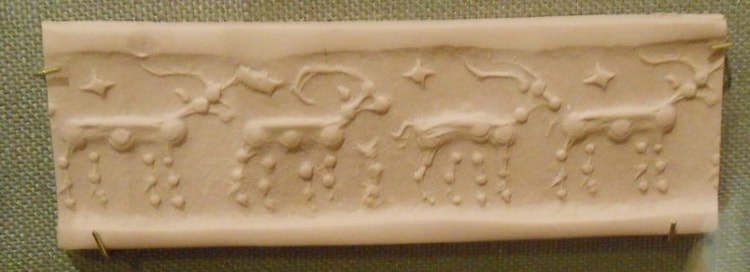
In contrast, Jemdet Nasr-style seals are characterized by a less detailed approach, marked by the heavy use of drills and cutting discs, which produced distinctive round and linear marks. Motifs in this style frequently depicted women with pigtails engaged in domestic labor or herds of animals situated in front of temples. While named after the Jemdet Nasr period (3100-2900 BCE), this style was not exclusive to it and has been found in Late Uruk period contexts, indicating a stylistic overlap or contemporaneous popularity.
Hans Nissen, as referenced by Lewis and Feldman, proposed a functional distinction between these styles. He suggested that Uruk-style seals, with their complexity and unique designs, were primarily the property of elite individuals at the apex of the administrative hierarchy. Their visual distinctiveness was essential for authorizing transactions and controlling the movement and storage of goods, reflecting personal authority. Jemdet Nasr seals, Nissen argued, likely served to identify a "legal person" or institution rather than a private individual. This institutional use would explain the prevalence of repetitive motifs, as individual distinction was less critical than organizational identification.
A Window into Society: Iconography and Social Hierarchy
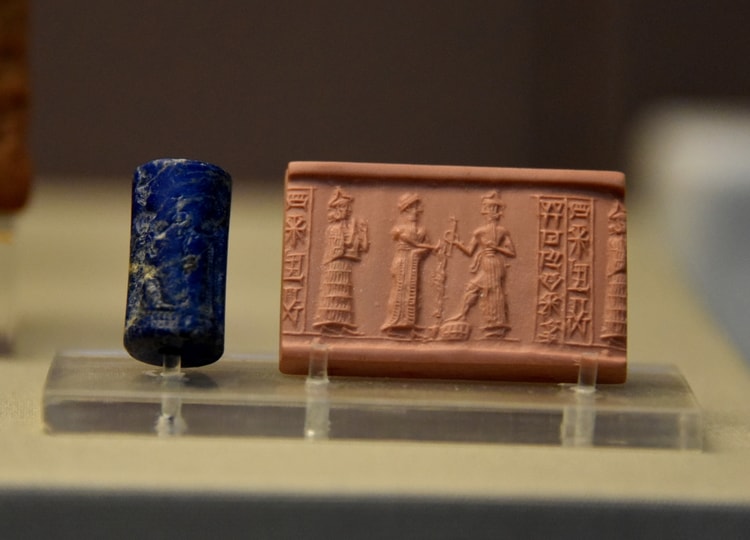
The iconography carved into cylinder seals serves as a rich "time capsule" of Mesopotamian society. As scholar Gwendolyn Leick notes, these pictorial scenes, depicting activities such as weaving, animal husbandry, hunting, and various ritual actions, can indicate "spheres of administrative competence within the Uruk economy." They reveal not only the identity of the seal bearer but also significant details about their occupation, social status, and even their personal beliefs.
Dr. Senta Green further emphasizes the historical value of these images, stating that "each character, gesture, and decorative element can be ‘read’ and reflected back on the owner of the seal, revealing his or her social rank and even sometimes the name of the owner." While similar iconography can be found on stelae, plaques, reliefs, and paintings, the sheer volume of surviving cylinder seals provides the most comprehensive compendium of Mesopotamian visual culture. Through these miniature masterpieces, modern historians can reconstruct aspects of daily life, economic practices, religious rituals, and the intricate social hierarchy of a civilization that flourished millennia ago.
Multifaceted Roles: Practical and Amuletic Functions
The uses of cylinder seals were profoundly diverse, encompassing both practical administrative needs and deep spiritual significance. Lewis and Feldman categorize their primary functions into four key areas:
- Signing and Authenticating: Serving as a personal signature on documents, contracts, and legal agreements.
- Securing and Restricting Access: Used to seal jars, containers, storerooms, or even entire buildings, ensuring that only authorized individuals could access their contents.
- Personal Identification and Authority: Acting as a badge of office, profession, or social status, publicly identifying the owner and their role.
- Amuletic and Spiritual Protection: Believed to possess magical properties, warding off evil spirits, bringing good fortune, or invoking divine protection.
The practical applications are straightforward: a seal provided a verifiable mark of identity and consent in an increasingly complex society. It guaranteed the authenticity of a message, preventing forgery, and secured goods, ensuring they remained untampered. The image on the seal, along with any accompanying text, clearly identified the individual or institution responsible.
However, the "amuletic" function delves into the heart of Mesopotamian cosmology. Many seals were engraved with scenes from myths, depictions of gods, goddesses, protective spirits, or even "demons." In ancient Mesopotamia, the term "demon" did not always carry the universally negative connotation it does today. For instance, Pazuzu, often portrayed as a terrifying winged creature, was paradoxically revered as a protector, especially for pregnant women and their unborn children against the malevolent demon Lamashtu. A Pazuzu amulet was believed to ward off disease and evil. Similarly, other figures or symbols carved on seals were thought to bring luck, fertility, or protection from specific ailments or dangers, connecting the personal object directly to the owner’s spiritual well-being.
Official Responses: Scholarly Perspectives and Decoding the Past
Scholars today approach cylinder seals not just as artistic marvels but as invaluable primary sources. The insights from researchers like Stephen Bertman, Gwendolyn Leick, Senta Green, and Clemens Reichel have significantly shaped our understanding of these artifacts. Their "official responses" to the archaeological evidence illuminate the seals’ origins, evolution, and profound cultural impact.
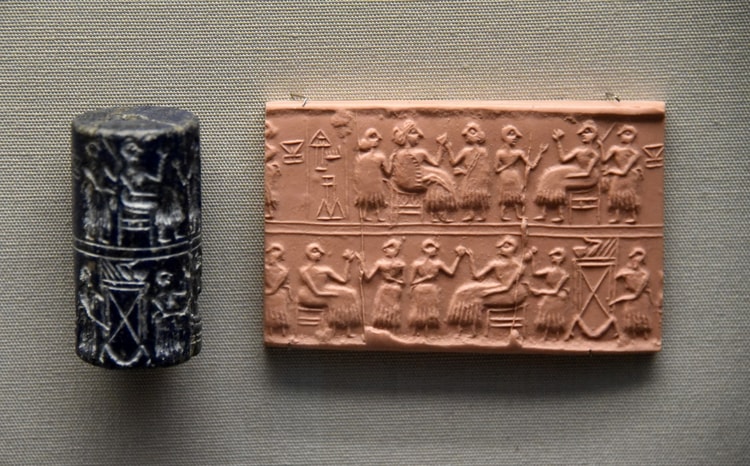
Bertman’s observation that seals "sometimes became heirlooms" underscores their personal value and continuity across generations. Green’s emphasis on seals as "small time capsules" highlights their utility in tracing stylistic shifts and regional variations in art. She notes that through the iconography, historians can "meet someone ‘in person’ who lived over 2,000 years ago," providing a tangible link to individual lives. Lewis and Feldman consolidate the seals’ meaning into three core areas: the identity of the owner, their economic function, and their connection to the Mesopotamian belief system and cosmology.
Even after the monumental invention of cuneiform writing around 3600/3500 BCE, cylinder seals did not diminish in importance. Instead, their role adapted and integrated with the new writing system. Mesopotamian legal documents, as translated by Theophile J. Meek, consistently demonstrate this integration: after the details of a case or transaction were meticulously recorded in cuneiform on a clay tablet, the names of the involved parties would be signed, each preceded by "The seal of…" This practice confirms the continued, indeed reinforced, significance of the seals as markers of personal authority and legal consent. The symbols that once solely conveyed the owner’s identity were now often augmented or replaced by cuneiform script, providing additional data such as the owner’s name, father’s name, title, occupation, and even the ruler or god they served, making them even more comprehensive identifiers.
Implications: The Enduring Power of Identity and Permanence
The Enduring Power of Identity: Seals in Mesopotamian Law and Life
The profound implications of cylinder seals extend deeply into the legal and social fabric of ancient Mesopotamia. Their use as personal identification was paramount, making their loss a matter of grave concern, akin to losing one’s credit cards or identity documents today. Bertman describes how, upon discovering a lost seal, an individual would immediately "record the date and time of loss with an official to insure that transactions made after the loss would be invalid." This sophisticated legal mechanism highlights the Mesopotamians’ understanding of personal security and the potential for fraud, mirroring modern concerns about identity theft.
Some seals explicitly depicted an owner’s occupation, using symbolic representations – for example, a spider for a weaver – often surrounded by symbols that spelled out the individual’s name. Such seals served as a public badge of honor and skill, while also being crucial for authenticating professional transactions. The loss of such a seal was not merely the loss of an object, but a potential compromise of one’s professional and personal identity, underscoring their irreplaceable value.
A Symbol of Permanence in an Impermanent World
Perhaps one of the most compelling implications of the cylinder seal, as proposed by Stephen Bertman, lies in its symbolic resonance with the Mesopotamian worldview. He posits that in a land frequently ravaged by unpredictable floods that could obliterate entire cities, ancient Mesopotamians were acutely aware of life’s inherent impermanence. The epic of Gilgamesh, a foundational text of Mesopotamian literature, poignantly illustrates this theme through the hero’s failed quest for eternal life.
Against this backdrop of fragility and transience, the stone cylinder seal stood as a powerful counterpoint. Crafted from durable materials, bearing an unalterable impression, and passed down through generations, it became "the ultimate symbol of permanence in an impermanent world." This inherent stability, combined with its deeply personal and legal functions, elevated the cylinder seal beyond a mere tool to a badge of honor, a cherished possession that offered a small but significant anchor in a constantly shifting reality. It represented an individual’s enduring mark on the world, a legacy etched in stone and clay.
Connecting Across Millennia: The Lasting Fascination of Cylinder Seals
Today, cylinder seals continue to captivate scholars, historians, and museum visitors alike. Their enduring fascination stems from their unique ability to bridge the vast chasm of time, offering a tangible connection to individual lives lived thousands of years ago. Each seal is a miniature archive, reflecting the prevailing artistic styles, religious beliefs, economic practices, and social structures of its era.
Through the meticulous study of their iconography, materials, and usage, archaeologists and historians continue to unravel the intricate tapestry of Mesopotamian civilization. They provide an intimate glimpse into the aspirations, fears, and daily routines of people who, despite the immense temporal distance, grappled with universal human experiences – the need for identity, security, legacy, and a connection to the divine. The cylinder seal, therefore, is not just an artifact; it is a profound testament to the human spirit, a small object with an immense story, ensuring that the voices of ancient Mesopotamia continue to resonate across the millennia.


Leave a Comment