Taking the Wheel: Why Elizabeth Banks’ Magic School Bus Movie Must Journey Inward
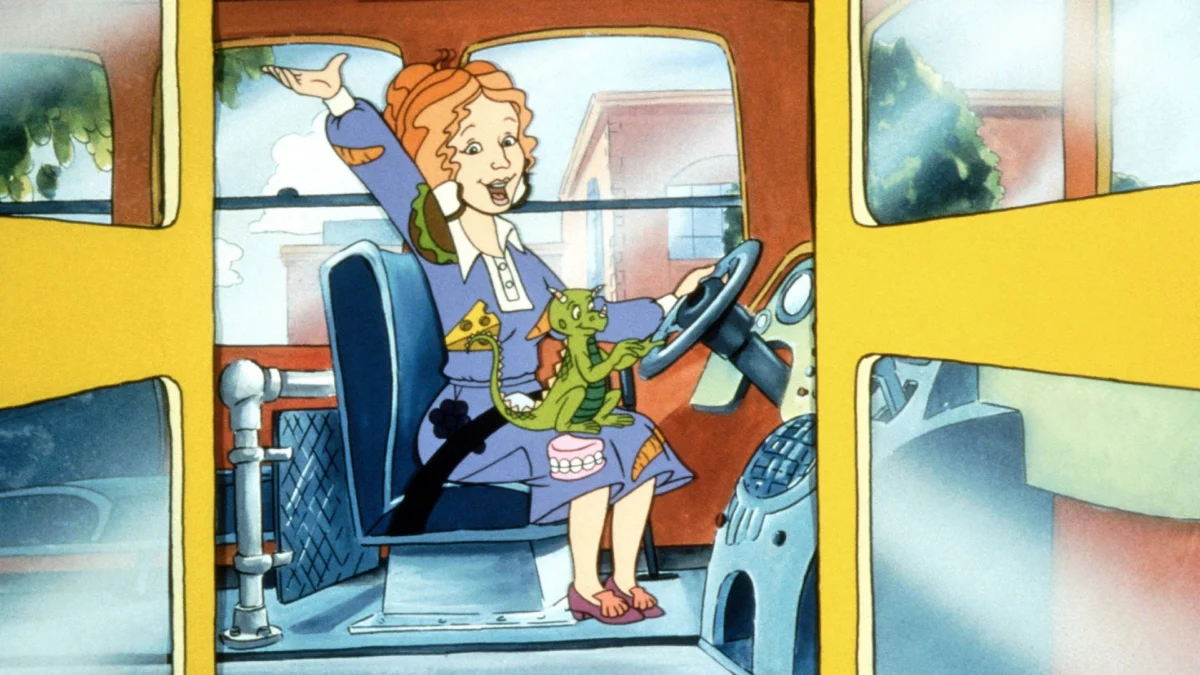
The announcement of a live-action The Magic School Bus film has ignited a wave of nostalgia across multiple generations. With Hollywood multi-hyphenate Elizabeth Banks set to portray the eccentric and indomitable Ms. Frizzle, the project represents a significant investment in "edutainment" intellectual property. However, as Universal Pictures and Scholastic Entertainment move forward with the adaptation, a critical creative question remains: which of the many adventures from the franchise’s forty-year history should serve as the foundation for its big-screen debut?
While the series has explored the depths of the ocean and the far reaches of the solar system, industry analysts and long-time fans alike are coalescing around a singular recommendation. To capture the heart, humor, and high-stakes science that defined the original series, the film should prioritize an adaptation of the seminal story "Inside Ralphie," based on the book The Magic School Bus Inside the Human Body.
Main Facts: A New Era for Walkerville’s Most Famous Teacher
The upcoming Magic School Bus film is a joint venture between Universal Pictures, Scholastic Entertainment, and Elizabeth Banks’ own Brownstone Productions. Banks, known for her roles in The Hunger Games and her directorial work on Pitch Perfect 2 and Cocaine Bear, will step into the role originally made iconic by Lily Tomlin in the 1990s animated series.
The film marks the first time the franchise will be rendered in a live-action/hybrid format. The core premise remains faithful to the source material: a class of diverse students at Walkerville Elementary School boards a yellow school bus that possesses the ability to shrink, grow, and transform into various vehicles to explore scientific phenomena firsthand.
The choice of Elizabeth Banks is seen by many as a strategic move. Banks possesses the "manic-academic" energy required for Ms. Frizzle—a character who is equal parts mentor, adventurer, and fashion icon. Her involvement as a producer also suggests a film that will balance family-friendly comedy with the sophisticated visual effects expected of modern blockbuster cinema.
Chronology: From Scholastic Books to Global Icon
The journey of The Magic School Bus began in 1985, born from the collaboration of author Joanna Cole and illustrator Bruce Degen. Published by Scholastic, the books were revolutionary for their time, utilizing a "side-bar" format where students’ reports and humorous asides supplemented the main narrative. The series was designed to make complex scientific concepts—geology, anatomy, astronomy—accessible and entertaining for elementary-aged children.
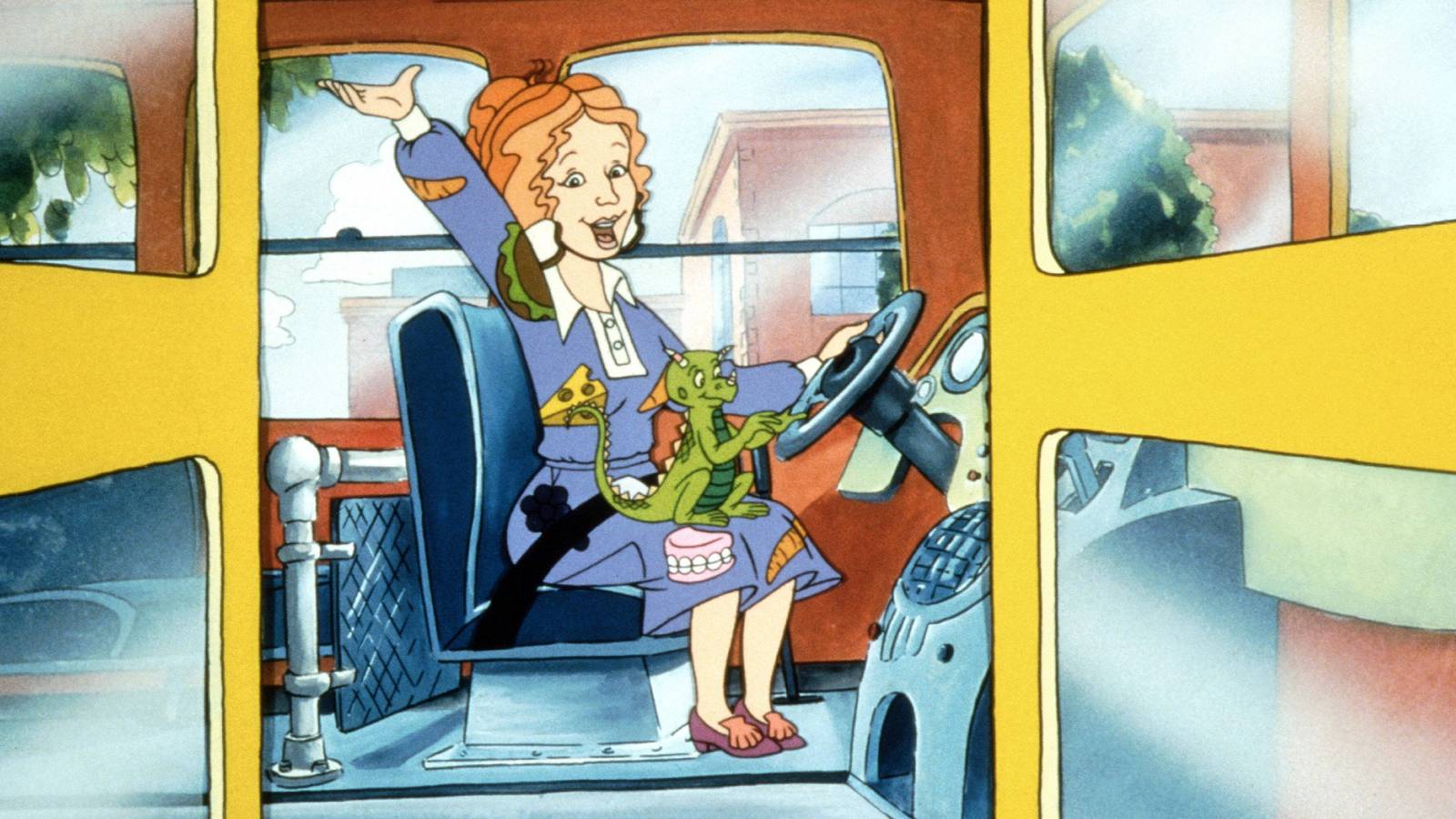
In 1994, the property transitioned to television. The Magic School Bus animated series, which ran until 1997, became a cornerstone of PBS’s educational programming. It was the first fully animated series to be broadcast on PBS and featured a stellar voice cast, including Lily Tomlin as Ms. Frizzle and Malcolm-Jamal Warner as the producer of the "interstitial" segments. The show won numerous awards, including a Daytime Emmy, and cemented the "Frizzle" philosophy: "Take chances, make mistakes, and get messy!"
The franchise saw a resurgence in 2017 with the Netflix original series The Magic School Bus Rides Again. This sequel series introduced Ms. Frizzle’s younger sister, Fiona (voiced by Kate McKinnon), while Lily Tomlin’s original character was promoted to "Professor Frizzle." While the animation style was modernized, the core mission of STEM education remained intact. The announcement of the live-action film represents the fourth major iteration of the IP, signaling its enduring relevance in a rapidly changing media landscape.
Supporting Data: The Case for "Inside Ralphie"
In the search for the perfect cinematic narrative, "Inside Ralphie" (and its literary counterpart Inside the Human Body) stands out for several structural and thematic reasons.
1. High-Stakes Narrative Tension
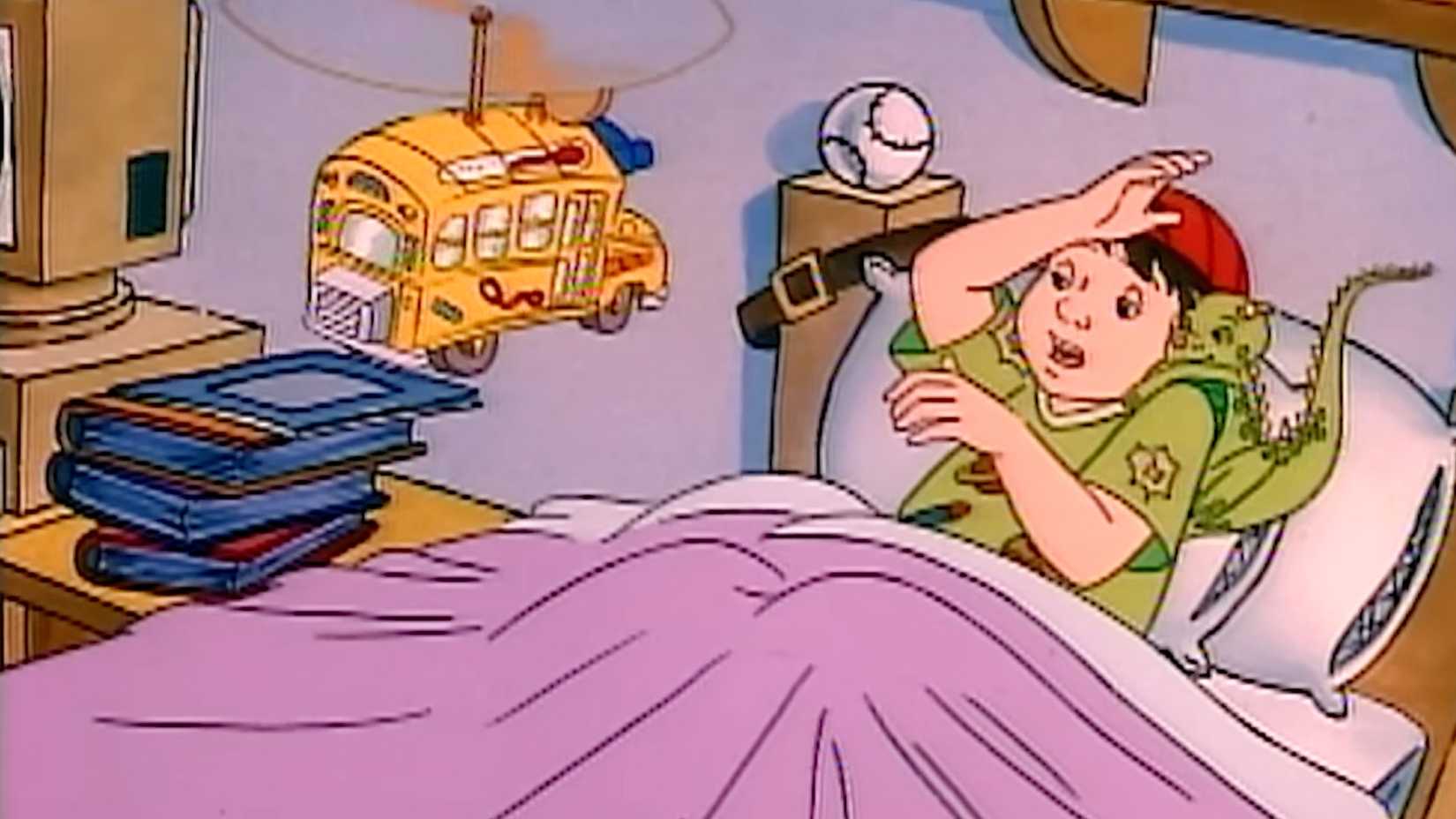
Unlike a field trip to a museum or a park, "Inside Ralphie" begins with a crisis: Ralphie Tennelli, the class’s resident dreamer and sports enthusiast, is sick at home. Ms. Frizzle’s decision to take the class inside their classmate to find the source of his illness provides a ticking-clock element that is essential for a feature-length film. The mission is not just to learn; it is to help a friend. This adds an emotional layer that a trip to the moon might lack.
2. A Tradition of "Micro-Voyages"
The concept of shrinking down to enter the human body is a storied tradition in science fiction. From the 1966 classic Fantastic Voyage to the 1987 comedy Innerspace and even the 2001 animated film Osmosis Jones, the "inner world" provides a rich visual palette. For a modern film, this allows for cutting-edge CGI to render the bloodstream, the lungs, and the immune system as alien, breathtaking landscapes. It transforms biology into an epic adventure.
3. Character-Centric Development
A movie needs to ground its spectacle in character growth. By centering the story on Ralphie’s illness, the film can explore the personalities of the individual students. We see Dorothy Ann’s reliance on her books, Carlos’s penchant for puns, and Arnold’s famous reluctance ("I knew I should have stayed home today!"). Exploring the body of one of their own classmates creates a sense of intimacy and community that reinforces the show’s themes of teamwork.

4. Pedagogical Depth
Anatomy is perhaps the most relatable branch of science for children. Understanding why we get sick, how white blood cells fight off infections, and how the heart functions provides immediate, practical knowledge. In an era where health literacy is more important than ever, a big-budget exploration of the human immune system serves the franchise’s original mission perfectly.
Official Responses and Production Philosophy
While specific plot details remain under wraps, representatives from Scholastic Entertainment have expressed excitement about the transition to live-action. Iole Lucchese, Scholastic Entertainment president, noted in a previous statement that the goal is to bring the "magic" of the bus to life in a way that feels "tangible and real" for a new generation.
Elizabeth Banks has also spoken broadly about her approach to the project. Through Brownstone Productions, Banks has emphasized a desire to honor the "strong, female-led" nature of the original character while ensuring the film appeals to the parents who grew up with the show.
"Ms. Frizzle is a character who encourages curiosity and bravery," a source close to the production shared. "The film isn’t just about a bus that changes shape; it’s about the idea that the world—and even our own bodies—is a place of wonder if you’re willing to look closely enough."
Universal Pictures has reportedly tapped writers who specialize in "family-plus" content—films that provide slapstick and wonder for children while maintaining a witty, sophisticated script for adults. This "Pixar-esque" approach is seen as the gold standard for reviving 90s-era properties.
Implications: The Future of the "Frizzle-Verse"
The success of The Magic School Bus movie could have far-reaching implications for the film industry and educational media.
The Rise of "Nostalgia-Core" STEM
We are currently witnessing a "nostalgia-core" movement where studios are mining educational properties from the 80s and 90s. If The Magic School Bus succeeds, it could pave the way for live-action adaptations of other Scholastic hits, such as Wishbone or Animorphs (the latter of which is also in development). It suggests that there is a massive market for films that offer more than just "superhero" spectacle—films that value intellectual curiosity.
A New Standard for Educational Visual Effects
The film will likely set a new bar for how science is visualized. If the production chooses the "Inside Ralphie" route, they have the opportunity to create a definitive visual representation of the human body for the 21st century. This could lead to partnerships with educational institutions, where clips from the film are used in classrooms, much like the original animated series was for decades.
Reinventing the Teacher Archetype
In a broader cultural sense, Banks’ Ms. Frizzle arrives at a time when the role of educators is being heavily debated. A film that celebrates a teacher who is unconventional, daring, and fiercely dedicated to her students’ intellectual growth is a powerful statement. Ms. Frizzle has always been a "cool" teacher, but a modern live-action version can make her a cinematic hero on par with Indiana Jones—someone for whom the "temple" is the classroom and the "treasure" is knowledge.
As production continues, the pressure is on to get the "magic" right. Whether they are navigating the alveoli of the lungs or dodging white blood cells, the class of Walkerville Elementary is about to take their biggest leap yet. If the filmmakers listen to the history of the franchise, they will know that the most incredible journey isn’t to the stars—it’s right inside of us.