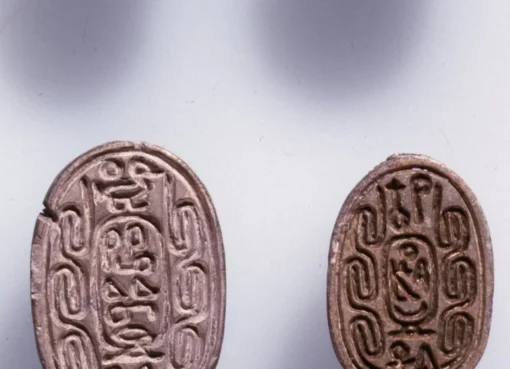
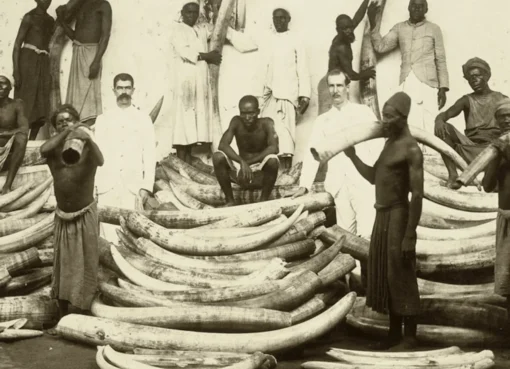
Ancient Egypt’s Turbulent Twilight: Re-evaluating the Third Intermediate Period
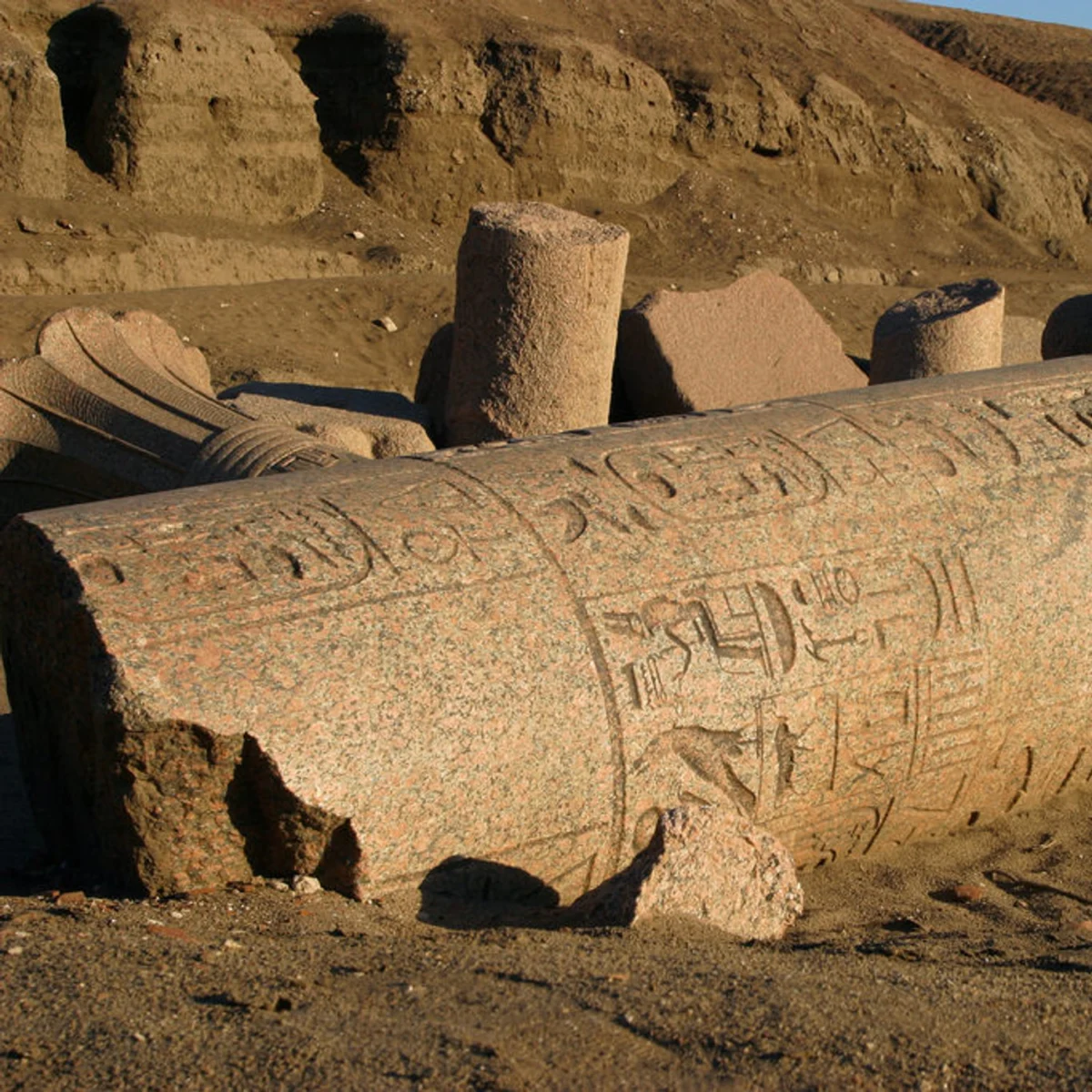
Cairo, Egypt – Spanning nearly five and a half centuries from approximately 1069 to 525 BCE, the Third Intermediate Period represents a pivotal and often misunderstood epoch in the long and storied history of ancient Egypt. Following the resplendent era of the New Kingdom and preceding the Late Period, this era, as defined by 20th-century Egyptologists, stands apart from its predecessors not merely as a time of divided rule but as a crucible forged by internal disunity and relentless foreign incursions. While earlier scholars often painted it as a "dark age" of chaos and decline, contemporary research offers a more nuanced perspective, revealing a period marked by significant cultural resilience, innovative governance, and the gradual redefinition of Egyptian identity in a changing geopolitical landscape.
Main Facts: A Shifting Paradigm of Power
The conventional historical division of ancient Egypt into "kingdoms" and "intermediate periods" serves primarily as a modern interpretive framework. "Kingdoms" denote periods of robust central government and unified rule, while "intermediate periods" signify times of fragmentation and decentralized authority. Unlike the First and Second Intermediate Periods, where internal tensions between rival power centers (Herakleopolis vs. Thebes, Thebes vs. Hyksos/Nubians) often erupted into open conflict, the Third Intermediate Period presented a unique dynamic. Power was largely shared, albeit with fluctuating influence, between the secular rulers of Tanis in Lower Egypt and the theocratic High Priests of Amun at Thebes in Upper Egypt.
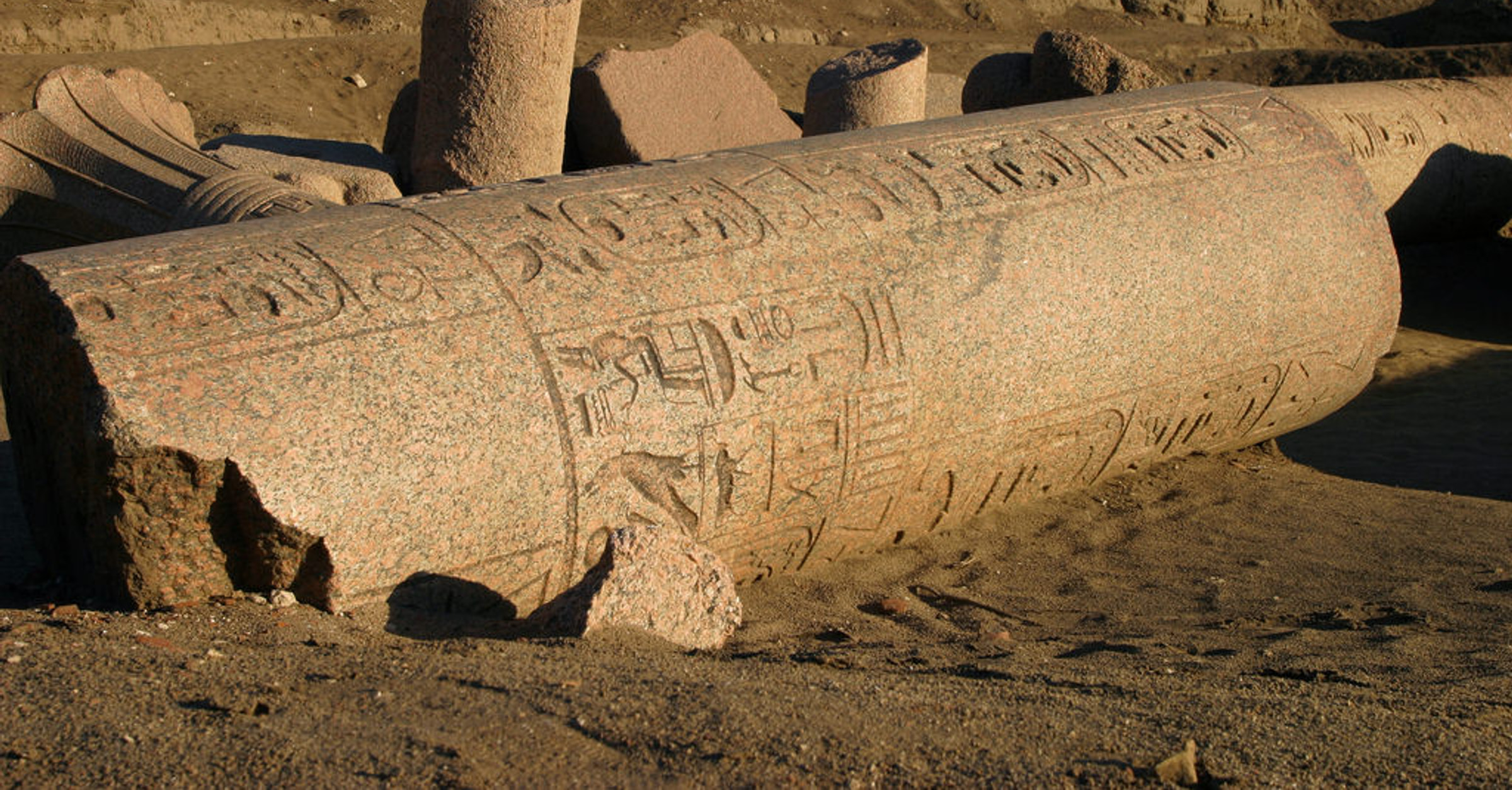
However, the defining characteristic of this era, setting it apart from its predecessors, was the pervasive and escalating presence of foreign powers. Beginning with the gradual encroachment of Libyans, followed by successive invasions from the Kushites (Nubians) and later the formidable Assyrians and Persians, the Third Intermediate Period became indelibly marked as the "era of foreign invasion." This external pressure, coupled with internal fragmentation, ultimately reshaped Egypt’s political autonomy and left an enduring legacy on its subsequent trajectory.
Chronology: A Tapestry of Dynasties and Invasions
The Third Intermediate Period encompasses several dynasties, each contributing to the complex political mosaic of the time:
- 21st Dynasty (c. 1077-943 BCE): Established by Smendes in Tanis, this dynasty coexisted with the powerful High Priests of Amun in Thebes.
- 22nd Dynasty (c. 943-716 BCE): Founded by Shoshenq I, a Libyan king who temporarily reunified Egypt and initiated a period of military resurgence.
- 23rd Dynasty (c. 837-728 BCE): A period of increasing fragmentation, with multiple local rulers asserting independence across Egypt.
- 24th Dynasty (c. 727-716 BCE): A short-lived dynasty based in Sais, often overlapping with the rise of Kushite power.
- 25th Dynasty (c. 747-656 BCE): The Kushite (Nubian) dynasty, which unified Egypt under its rule and ushered in a period of cultural revival.
- 26th Dynasty (c. 664-525 BCE): The Saite Period, which saw the expulsion of the Assyrians and a final, concerted effort to restore Egypt’s former glory before the Persian conquest.
Supporting Data: Reinterpreting a "Dark Age"
Early Egyptologists, heavily influenced by 19th and 20th-century political ideals valuing strong central authority, often viewed the intermediate periods as inherently chaotic and detrimental. The decentralized nature of these eras was seen as perilous, leading to a perception of the Third Intermediate Period as a protracted decline culminating in the "extinction" of Egyptian culture. However, modern scholarship, drawing on a broader range of archaeological and textual evidence, offers a more nuanced interpretation.
Cultural Continuity and Innovation: Despite the political fragmentation, Egyptian culture demonstrated remarkable resilience. Traditional burial rites, integral to the Egyptian worldview and a source of some of its most magnificent art, continued to be observed. Artistic production, far from stagnating, showed striking innovation, particularly in the intricate detailing of bronze, faience, silver, and gold artifacts, as well as in inscriptions, paintings, and statuary. While large-scale monumental building projects were less common due to the lack of a unified central government to mobilize resources, smaller, regionally focused constructions and temple additions continued.
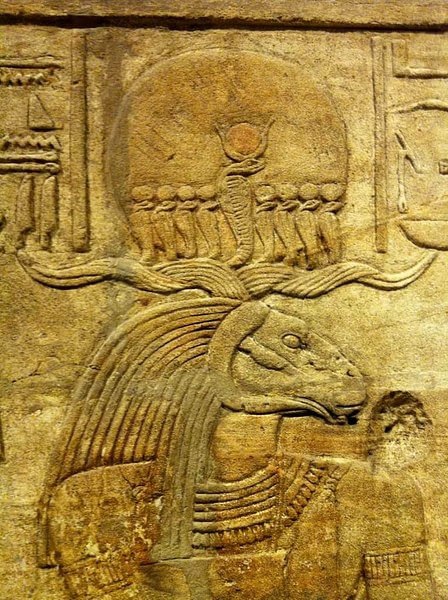
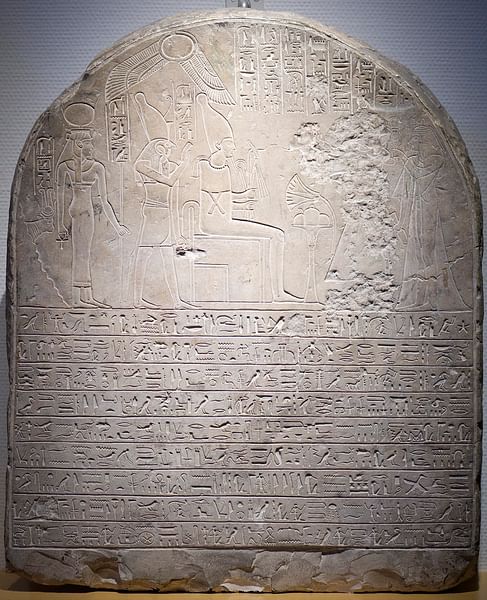
Religious Evolution: The religious landscape also saw significant developments. The concept of the pharaoh as a son of god gained renewed emphasis, leading to the proliferation of the mammisi or "birth house" – local temples dedicated to the worship of a child god, often associated with the sun and part of a divine triad. The ancient Egyptian tradition of divine triads (father, mother, child) found new prominence with the burgeoning popularity of the cult of Isis, alongside Osiris and Horus. This cult, known for its emphasis on compassion and resurrection, would eventually outlast the worship of Amun and spread its influence far beyond Egypt, notably impacting early Christianity in the Roman world.
The Power of Amun and Oracular Rule: The waning power of the pharaoh, particularly in the late New Kingdom, allowed the High Priests of Amun at Thebes to ascend to unprecedented levels of authority. By the end of Ramesses XI’s reign, the god Amun himself, through his priests, was effectively the ruler of Upper Egypt. This was not a mere symbolic role; divine oracles, facilitated by the priests at the sprawling Temple of Karnak, became the basis for governmental practice. As scholar Marc van de Mieroop notes, "The god made decisions of state in actual practice. A regular Festival of the Divine Audience took place at Karnak when the god’s statue communicated through oracles, by nodding assent when he agreed." This unique form of theocratic governance at Thebes stood in stark contrast to the more pragmatic, secular rule from Tanis.
The "Tale of Wenamun" as a Social Mirror: The literary work The Tale of Wenamun, while now largely considered historical fiction, provides a vivid snapshot of Egypt’s diminished international standing and internal challenges at the cusp of the Third Intermediate Period. It depicts a Theban official’s arduous journey to Byblos for cedar, an expedition that would have been routine in the New Kingdom but now highlighted Egypt’s weakened prestige, the dominance of local nomarchs (like Smendes), and the struggles of a fragmented state to assert its will.
Official Responses: Navigating Disunity and External Threats
The various ruling entities throughout the Third Intermediate Period adopted distinct strategies to manage the challenges of their time.
The 21st Dynasty: A Concordat of Coexistence: The initial division of power between Tanis and Thebes, surprisingly, did not immediately lead to widespread civil war. Instead, the early 21st Dynasty saw a remarkable period of cooperation. The kings of Tanis, such as Smendes, and the High Priests of Amun at Thebes, like Herihor, often maintained familial ties and supported each other’s projects. Smendes, for example, assisted Thebes during a flood, and High Priest Pinudjem I aided King Psusennes I in constructing the Amun temple at Tanis. This arrangement, likened by Mieroop to a "concordat between church and state," allowed for regional autonomy while maintaining a semblance of overall Egyptian identity. However, this decentralized system meant that the actual reach of both Tanis and Thebes rarely extended far beyond their immediate regions, empowering local nomarchs across the country.
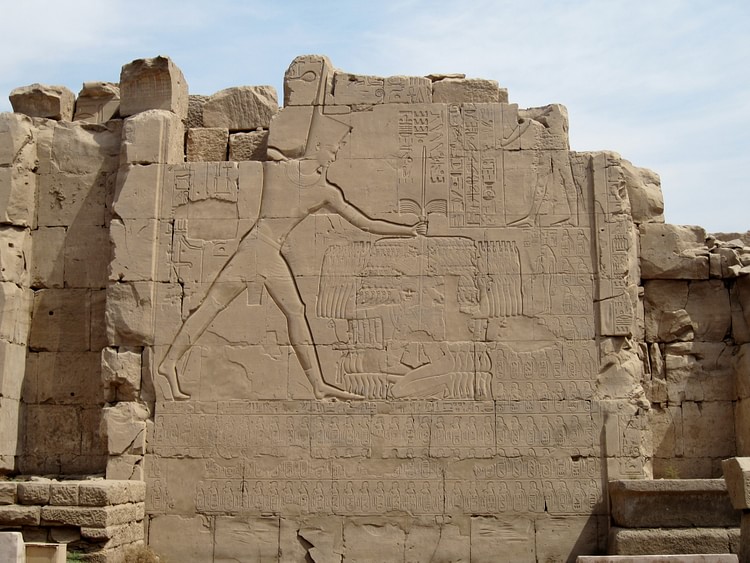
The 22nd Dynasty: Libyan Resurgence: The 22nd Dynasty, founded by the Libyan Shoshenq I, marked a significant attempt at reunification and a return to imperial ambitions. Shoshenq I, likely the biblical Shishak, campaigned vigorously in Judah and Israel, leaving inscriptions at Karnak detailing his victories. He reformed both the Tanite government and the Theban priesthood, making the latter an appointed rather than hereditary position. His reign brought a temporary revitalization of the economy and a brief echo of New Kingdom strength. However, this resurgence proved short-lived; after his death, Egypt again fractured into multiple local kingdoms.
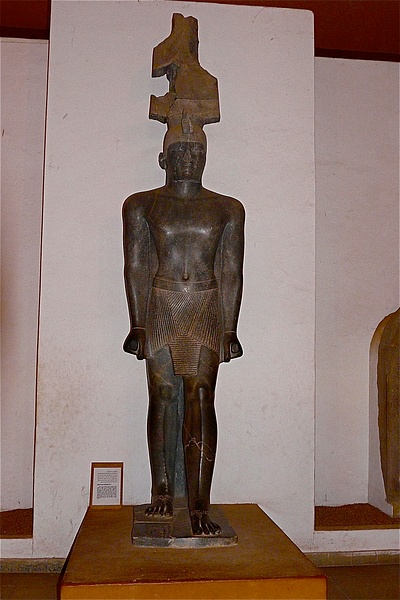
The Kushite (25th) Dynasty: Cultural Preservationists: The Kushite kings, who founded the 25th Dynasty, presented a unique case of foreign rule. Admirers of Egyptian culture, they sought not to destroy but to preserve and revitalize it. Kashta strategically appointed his daughter, Amenirdis I, as God’s Wife of Amun, effectively taking control of Upper Egypt. His son, Piye, launched military campaigns to unify the fragmented Lower Egypt, then returned to his capital at Napata, leaving local rulers in place but subservient. Shabaka, Piye’s successor, completed the unification, actively restoring temples, preserving historical documents, and appointing his own son as High Priest of Amun at Thebes. This period is often seen as a "Nubian Renaissance," where Egyptian traditions were not only maintained but celebrated and protected.
The 26th Dynasty (Saite Period): A Last Egyptian Stand: The Kushite rule, however, put Egypt on a collision course with the rising Assyrian Empire. After initial defeats, Psammeticus I, founder of the 26th Dynasty, orchestrated a shrewd campaign to expel the Assyrians and reunify Egypt. Ruling from Sais, he initiated a period of "archaism," consciously harkening back to the glories of the Old and Middle Kingdoms in art, architecture, and administration. His successors, Necho II and Amasis II, continued this policy, expanding the military (including a novel Greek mercenary navy), stimulating the economy, and undertaking significant building projects. Amasis II, in particular, brought a period of remarkable prosperity and stability, restoring much of Egypt’s lost prestige.
Implications: The End of an Era and the Dawn of Foreign Domination
The Third Intermediate Period, despite its internal complexities and external pressures, undeniably contributed to Egyptian history. It demonstrated the resilience of Egyptian culture, the adaptability of its religious practices, and the ability of its people to maintain their identity even under fragmented or foreign rule. However, the inability of any single indigenous power to establish long-term, comprehensive control after the New Kingdom had profound implications for Egypt’s future.
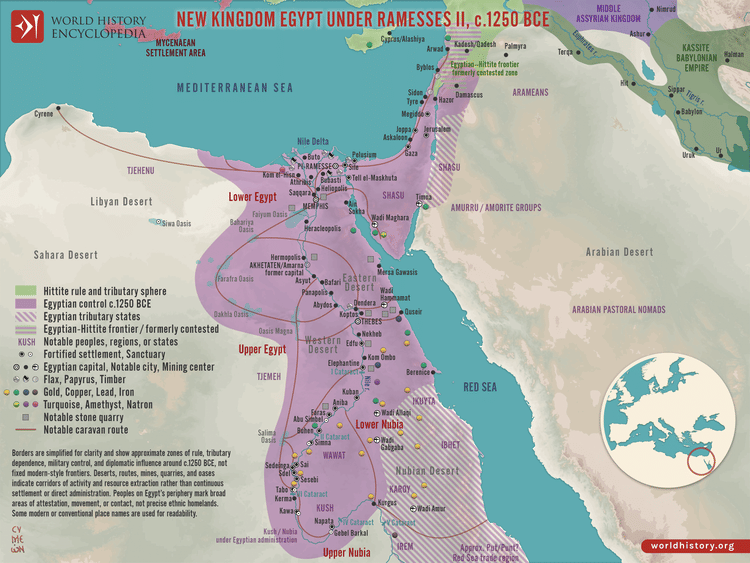
The fragmentation that intensified after the 22nd Dynasty left Egypt critically vulnerable. The strategic buffer zones in the Levant, painstakingly established by New Kingdom pharaohs, had eroded, bringing Egypt directly into contact with powerful empires like Assyria and later Persia. The Battle of Pelusium in 525 BCE, where the Persian king Cambyses II famously exploited Egyptian reverence for animals, marked the end of the 26th Dynasty and, effectively, the end of the Third Intermediate Period.
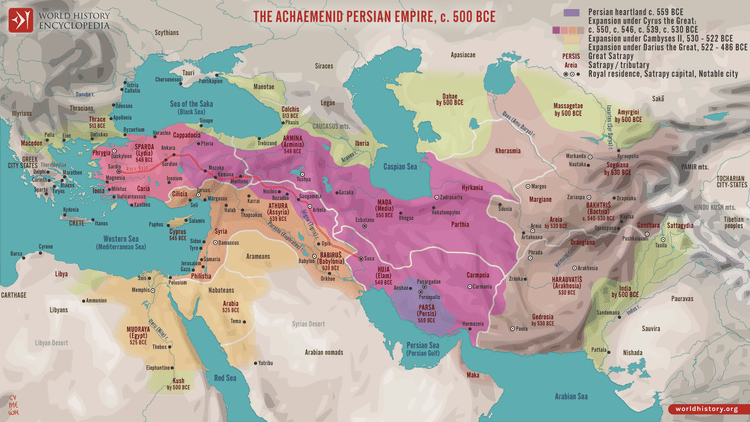
With the Persian conquest, Egypt lost its autonomy for centuries, becoming a satrapy within a vast empire. While brief periods of independence would emerge, particularly during the 28th-30th Dynasties of the Late Period, they were often fleeting and contested. The return of the Persians in 343 BCE cemented their control until Alexander the Great’s arrival in 331 BCE, after which Egypt fell under Greek (Ptolemaic) and then Roman rule.
The Third Intermediate Period, therefore, serves as a crucial transition. It was not merely an epilogue of decline but a transformative era where the ancient Egyptian state, accustomed to millennia of pharaonic unity, grappled with new models of governance, integrated foreign influences, and ultimately found itself drawn into the burgeoning global empires of the ancient world. Its legacy is one of both challenge and enduring cultural spirit, a testament to a civilization’s ability to adapt even as its political fortunes waned.