
Unlocking Antiquity: Cylinder Seals as the Linchpin of Mesopotamian Civilization
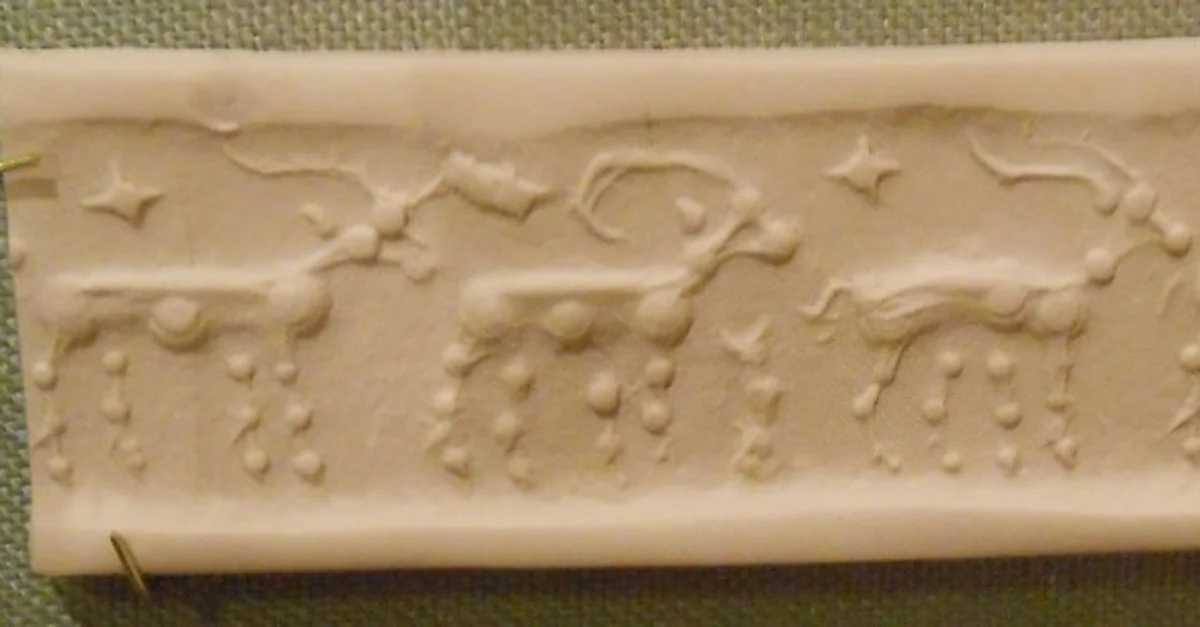
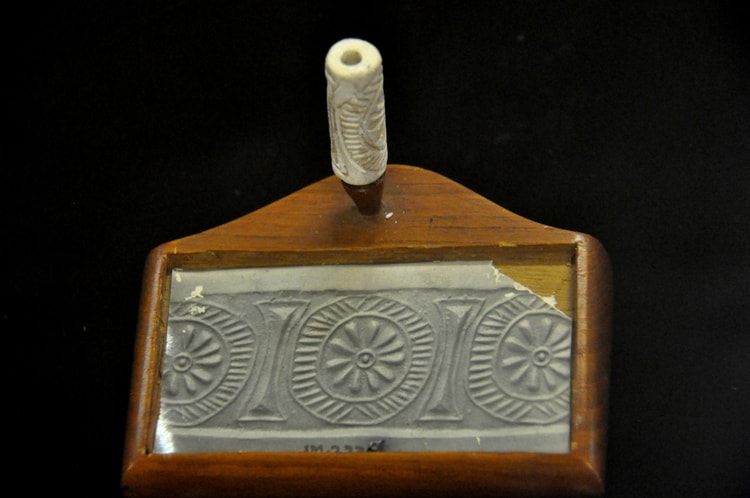
Baghdad, Iraq – In the heart of what was once ancient Mesopotamia, a testament to early human ingenuity continues to reveal the intricate workings of the world’s first civilizations. Far from being mere decorative trinkets, cylinder seals, known as kishib in Sumerian and kunukku in Akkadian, served as the indispensable personal identification and authentication tools for millennia, shaping the administrative, economic, and spiritual fabric of societies from royals to slaves. These small, meticulously carved cylinders, rolled across moist clay, left an indelible mark—a signature that sealed contracts, legitimized transactions, and even guarded against malevolent forces.
Main Facts: The Ancient World’s Universal ID
Cylinder seals were impression stamps, typically made from durable materials, used extensively across ancient Mesopotamia, a region roughly corresponding to modern-day Iraq, Kuwait, northeastern Syria, southeastern Turkey, and southwestern Iran. Their primary function was to authenticate identity in correspondence and legal documents, effectively serving as the precursor to modern signatures, ID cards, and even corporate logos. Every individual, from the highest-ranking priest-king to the humblest laborer, possessed a seal, making it a universal symbol of personal agency and belonging within a structured society.
These seals were not just practical instruments; they were deeply personal objects, often worn around the neck or wrist on strings of leather or pinned to garments, much like a precious amulet. Their ubiquitous presence underscores a highly organized society that valued accountability, authenticity, and the formal recording of information—principles that laid the groundwork for future legal and administrative systems.
A Journey Through Time: Chronology and Origins
Genesis in the Neolithic
The origins of cylinder seals trace back to the Late Neolithic Period, roughly between 7600 and 6000 BCE. Early evidence suggests their emergence in regions corresponding to modern-day Syria, though some scholarly claims posit a slightly later origin in Sumeria, in what is now southern Iraq. This initial period saw the development of simpler stamp seals, which were flatter and pressed onto clay rather than rolled. The transition to the more complex cylinder form marked a significant technological and artistic leap, allowing for more extensive narrative scenes and detailed inscriptions.
The precise impetus for their invention is debated, but it likely coincided with the burgeoning complexity of early urban centers. As populations grew, trade networks expanded, and administrative needs intensified, a more robust system for verifying identities and transactions became essential. The ability to create a continuous, non-repeating impression across a larger surface of clay offered a distinct advantage over the smaller, discrete marks of stamp seals.
Evolution of Purpose and Form
Over thousands of years, cylinder seals evolved considerably, reflecting changes in artistic styles, religious beliefs, and bureaucratic demands. From their early utilitarian forms, they transformed into sophisticated miniature artworks, each telling a unique story about its owner, their status, occupation, and even their worldview. This evolution paralleled the rise and fall of great Mesopotamian empires—Sumerian, Akkadian, Babylonian, Assyrian—with each civilization imbuing the seals with their distinct cultural characteristics. The enduring presence of cylinder seals throughout these epochs highlights their fundamental role in maintaining social order and facilitating complex societal interactions.
Crafting Identity: Materials, Manufacture, and Artistic Expression
Precious Materials, Enduring Legacy
Cylinder seals were crafted from a diverse array of materials, each choice reflecting economic factors, trade networks, and symbolic significance. Semiprecious stones were particularly favored, including the deep blue lapis lazuli (often imported from as far away as modern-day Afghanistan, indicating extensive ancient trade routes), shimmering obsidian, vibrant amethyst, and mottled marble. Rarer and more prestigious seals were fashioned from precious metals such as gold and silver, signifying immense wealth and high social status. The durability of these materials ensured that the seals could withstand continuous use and survive for millennia, becoming invaluable archaeological finds today.
The meticulous selection of materials was not merely aesthetic; it was practical. Hard stones provided a clear, sharp impression and were resistant to wear, symbolizing the enduring nature of the agreements they authenticated. The intrinsic value of the materials also enhanced the seal’s prestige, reinforcing its importance as a personal and legal instrument.
The Art of the Sealcutter (Burgul/Purkullu)
The creation of cylinder seals was a highly specialized and respected craft. The artisans responsible, known as burgul in Sumerian and purkullu in Akkadian, underwent rigorous training, typically apprenticing with a master sealcutter for at least four years. This demanding period honed their skills in stone carving, design, and the intricate art of intaglio.
Their workshops were equipped with specialized tools, including fine copper chisels and gravers for detailed carving, whetstones for sharpening, borers for creating the central hole (allowing the seal to be worn or pinned), and saws for cutting rough stone. It is believed that sealcutters often purchased pre-cut "blanks" from dealers, then added the intricate finishing touches and personalized designs in their own shops.
The most remarkable aspect of their technique was intaglio carving—a process where the design is cut into the surface of the stone. When rolled onto soft clay, this sunken design creates an image in relief, essentially a "photographic reverse" or negative. To achieve this, the artist had to mentally reverse the image as they carved, requiring extraordinary spatial reasoning and precision. Given the minuscule scale and the hardness of the materials, the skill of the burgul was unparalleled, leading to their high remuneration and esteemed position in society.
Distinctive Styles: Uruk and Jemdet Nasr
The artistic evolution of cylinder seals is categorized into distinct styles, reflecting the cultural and aesthetic sensibilities of their respective periods. Two prominent early styles are the Uruk-Style and the Jemdet Nasr-Style, named after key archaeological sites that yielded significant examples.
Uruk-Style seals, prevalent during the Uruk period (circa 4000-3100 BCE), are celebrated for their exceptional naturalism and expressive clarity. As noted by scholars Megan Lewis and Marian Feldman, these seals depict animals and human figures with remarkable lifelike detail, suggesting a deliberate aim for artistic precision and narrative power. Common motifs included ritual narratives involving temples, boats, and offerings to gods, as well as highly organized depictions of the natural world, often arranged hierarchically. These seals are characterized by their skillful cutting, intricate details, and a balanced, aesthetically pleasing composition, reflecting a sophisticated artistic tradition that paralleled the rise of monumental architecture and early writing systems.
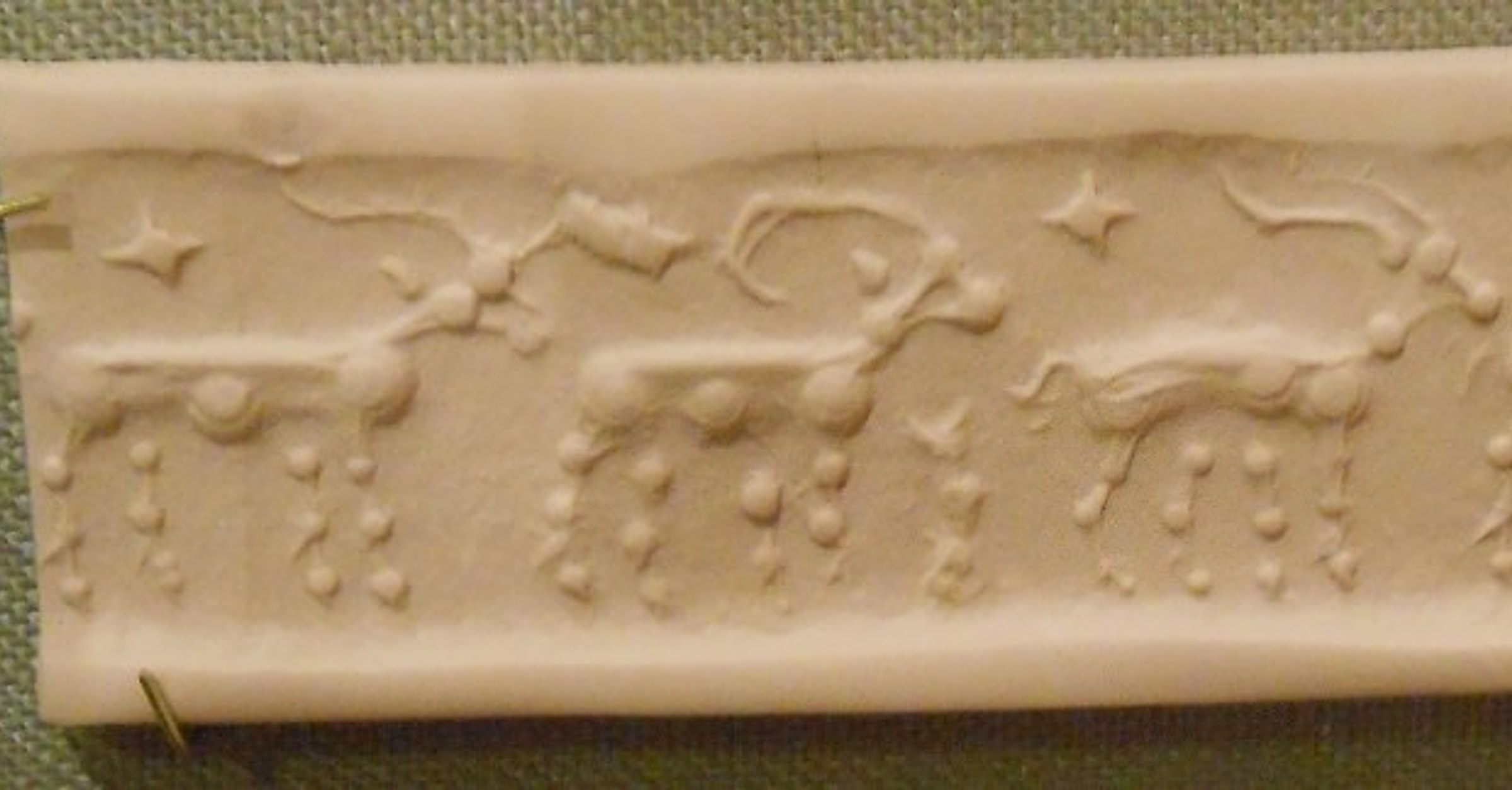
In contrast, Jemdet Nasr-Style seals, from the subsequent Jemdet Nasr period (circa 3100-2900 BCE), exhibit a more stylized and less detailed aesthetic. They are distinguished by the heavy use of drills and cutting discs, which produced characteristic round and linear marks. Motifs from this period often featured women with pigtails engaged in domestic labor, and herds of animals depicted in front of temples. While perhaps less naturalistic than their Uruk predecessors, these seals offer invaluable insights into daily life, social structures, and religious practices of the time, emphasizing themes of fertility, community, and the agricultural basis of society. The shift in style reflects evolving artistic tools, techniques, and possibly changing cultural priorities.
Beyond Signatures: Bureaucracy, Authority, and Belief
The Administrative Backbone: Cylinder vs. Stamp Seals
The simultaneous existence of cylinder seals and stamp seals in ancient Mesopotamia provides a fascinating insight into the differing administrative needs of various regions. While stamp seals were smaller, less ornate, and typically under an inch (2 cm) in size—more closely resembling later signet rings—cylinder seals averaged 3-4 inches (7-10 cm) in length. Scholar Clemens Reichel suggests that this coexistence was a matter of practical necessity and the demands of local bureaucracy.
Regions like modern-day Syria and Turkey, which often favored stamp seals, may have had less complex administrative structures, requiring simpler authentication. However, in the highly urbanized and bureaucratized regions to the south, particularly in cities like Uruk, the cylinder seal became indispensable. Uruk, a pioneering metropolis, developed an exceptionally intricate bureaucracy with numerous agencies managing vast resources, trade, and legal affairs. Such a system demanded detailed information on every document: not only the identity of the signatory but also the specific office or agency from which the document originated.
The limited surface area of stamp seals simply could not accommodate this level of detail. Cylinder seals, with their extended surface, provided ample space to carve the name of the agency, the name and title of the individual within that agency, and often a narrative scene reinforcing their authority or role. This capacity for extensive inscription made cylinder seals the perfect tool for maintaining accountability and transparency within complex administrative frameworks, underscoring their critical role in the management of early states and economies.
A Multifaceted Role: Practical and Spiritual
The utility of cylinder seals extended far beyond mere administrative functions. Their uses were both profoundly practical and deeply spiritual. On the practical front, they were essential for:
- Authentication: Providing an undeniable personal signature on documents, letters, and packages.
- Legal Binding: Legitimizing business deals, land sales, marriage contracts, and other agreements.
- Access Control: Sealing storerooms, jars, and containers to restrict access to authorized individuals, the broken seal serving as proof of tampering.
- Personal Identification: Clearly identifying an individual’s name, occupation, and social status.
Spiritually, cylinder seals held significant "amuletic" power. Mesopotamians believed these seals, often imbued with images of gods, protective spirits, or symbols of cosmic order, could ward off evil spirits, protect the wearer from harm, or bring good luck. This dual function meant that a seal was not just a tool but a personal talisman, connecting the individual to both the temporal and divine realms.
For rulers, the seal was an amplified symbol of power and divine mandate. It demonstrated their strength, their ability to govern, and their crucial role as intermediaries between the people and the gods. A famous seal from ancient Persia, for instance, depicts an unknown king heroically controlling chaos, symbolized by two griffin-like creatures. The monarch stands at the center, stately and in control, holding the creatures by their manes, thus maintaining order in the cosmos. Such royal seals, used to authenticate decrees and pronouncements, served as a constant visual reminder of the king’s stature and his sacred duty to uphold universal order.
Global Reach: From Mesopotamia to Mesoamerica
While Mesopotamian cylinder seals are the most widely known and studied, their use was not confined to the Fertile Crescent. Archaeological evidence confirms their presence in ancient Egypt, where they were adopted and adapted to local iconography and administrative practices. More strikingly, cylinder seals developed completely independently in Mesoamerica, with Olmec cylinder seals dating back to circa 650 BCE. This independent innovation in a vastly different cultural context highlights the intuitive human need for reliable authentication and personal identification tools across diverse civilizations. Despite these parallel developments, the Mesopotamian cylinder seal remains preeminent due to its unparalleled longevity, widespread adoption, and the sheer volume of surviving examples that continue to illuminate the ancient world.
The Weight of a Lost Identity: Official Responses and Societal Impact
Safeguarding Personal and Public Trust
The profound significance of a cylinder seal meant that its loss was a matter of grave concern, akin to the modern-day loss of a personal ID or credit cards. The seal represented not just an individual’s name but their entire identity, their authority, and their place within society. The potential for fraudulent transactions or misrepresentation was immense.
Ancient Mesopotamian societies had established clear protocols to mitigate such risks. As scholar Stephen Bertman notes, "if someone lost their seal, the former owner would record the date and time of loss with an official to insure that transactions made after the loss would be invalid." This bureaucratic "official response" underscores a sophisticated legal and administrative system capable of tracking and invalidating personal identification, demonstrating a deep understanding of public trust and the need for legal recourse. This practice is a striking parallel to modern identity theft protection and the reporting of lost financial instruments, showcasing the enduring human need for secure identification.
An Unbroken Chain of Authority
Beyond preventing fraud, the elaborate system surrounding cylinder seals ensured an unbroken chain of authority and accountability. Each seal, through its unique engravings, conveyed the owner’s occupation, official position, and personal name. For example, a weaver’s seal might feature a spider (symbolizing weaving) alongside specific cuneiform signs for their name, making their identity unmistakable. The loss of such a seal was not merely an inconvenience; it was a threat to one’s social standing and could potentially compromise one’s professional and legal standing.
The meticulous recording of seal ownership, usage, and loss reflects a society that prioritized order, legal certainty, and the maintenance of social hierarchy. The seals were integral to the functioning of daily life, from the smallest market transaction to the grandest royal decree, reinforcing the trust and structure necessary for a complex civilization to thrive.
Echoes Through Time: The Enduring Implications of Cylinder Seals
The study of cylinder seals offers an unparalleled window into the ancient world, revealing far more than just administrative practices. Their enduring implications resonate across various fields of historical inquiry:
- Understanding Ancient Economies: The seals provide tangible evidence of trade, contracts, property ownership, and economic transactions, allowing historians to reconstruct ancient market dynamics and commercial networks.
- Legal and Administrative Systems: They illuminate the sophistication of early legal codes, bureaucratic structures, and the importance of formal documentation in ancient states. The practice of invalidating lost seals speaks volumes about the legal foresight of these civilizations.
- Religious Beliefs and Mythology: The iconography on many seals offers direct insights into Mesopotamian religious practices, pantheons of gods, mythical narratives, and the everyday spiritual lives of its people, including their belief in amulets and divine protection.
- Artistic Development and Craftsmanship: The seals showcase the remarkable artistic skill and aesthetic sensibilities of ancient artisans, demonstrating advancements in carving techniques, material mastery, and narrative composition across different historical periods. They are miniature masterpieces that convey grand stories.
- Social Structures and Identity: Each seal is a snapshot of an individual’s identity, status, and role within their society. Collectively, they paint a rich picture of social hierarchies, occupations, and daily life, providing intimate glimpses into the human experience thousands of years ago.
For historians, archaeologists, and art historians, cylinder seals are invaluable primary sources. They are not static artifacts but dynamic narratives etched in stone, clay, and metal, preserving the voices, beliefs, and transactions of a world long past. Their study continues to enrich our understanding of how early human societies organized themselves, communicated, and built the foundations of civilization. The humble cylinder seal, therefore, stands as a powerful testament to human ingenuity, a lasting legacy that continues to unlock the secrets of antiquity and connect us to our ancient past.


Leave a Comment