
Usagi Engine Emerges: A Free, Open-Source Lua-Powered 2D Game Development Platform
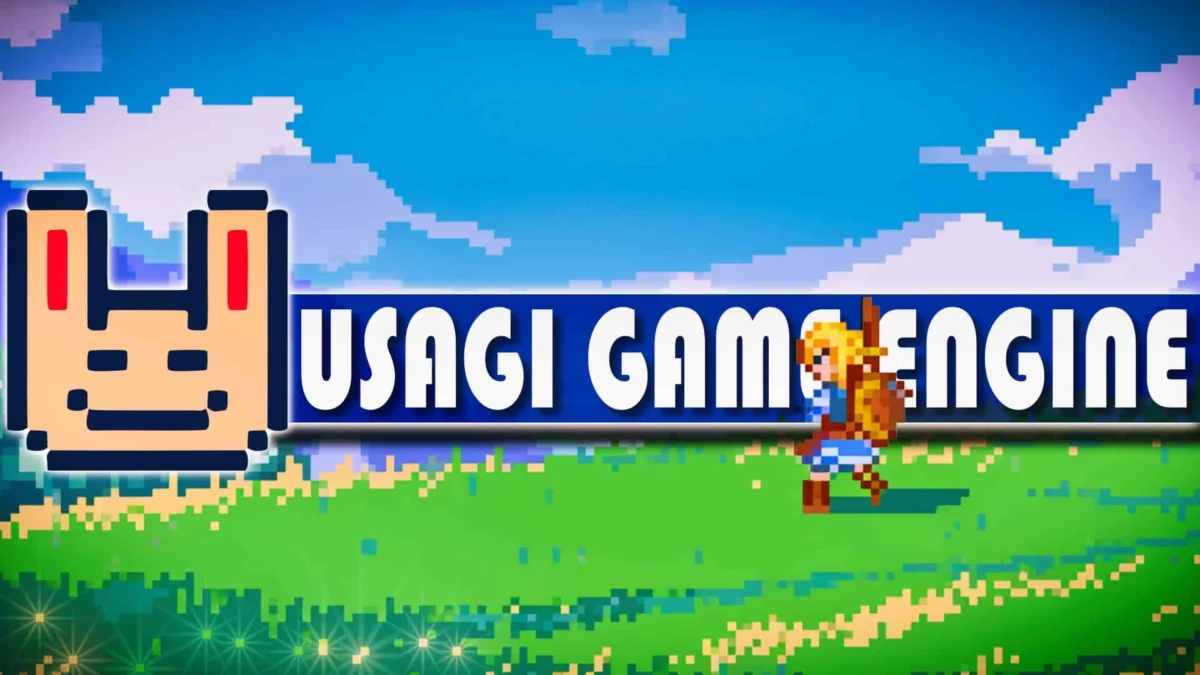
Game development enthusiasts have a new contender in the arena of accessible and powerful 2D game engines with the unveiling of Usagi. This free and open-source platform, built upon the versatile Lua programming language, promises a streamlined development experience for creators across Windows, macOS, and Linux. Drawing clear inspiration from the beloved LÖVE framework and the retro-chic PICO-8 console, Usagi aims to strike a balance between simplicity and capability, making game creation more approachable for a wider audience.
The Genesis of Usagi: A Vision for Accessible Game Creation
Usagi’s inception stems from a desire to provide developers with a robust yet easy-to-learn tool for crafting 2D games. The engine’s core philosophy appears to be rooted in simplifying the often-complex landscape of game development, allowing creators to focus on their artistic vision and gameplay mechanics rather than wrestling with intricate engine architecture. The choice of Lua as its primary scripting language is a significant indicator of this philosophy. Lua is renowned for its lightweight nature, embeddability, and ease of integration, making it a popular choice for game scripting and a relatively gentle learning curve for aspiring programmers.
While the provided content is concise, the explicit mention of LÖVE and PICO-8 as inspirations offers crucial insights into Usagi’s design principles. LÖVE, a 2D game framework, is celebrated for its clean API and the freedom it grants developers, while PICO-8, a "fantasy console," champions creative constraints and a distinctive retro aesthetic. Usagi appears to be synthesizing these strengths, aiming for the flexibility of LÖVE with a potentially curated and user-friendly approach reminiscent of PICO-8’s design philosophy. This suggests an engine that encourages rapid prototyping and a focus on core gameplay loops, without sacrificing the potential for more ambitious projects.
Key Features and Design Pillars
Although a detailed feature list is not present in the initial announcement, the fundamental design of Usagi points towards several key pillars:
- Cross-Platform Compatibility: A cornerstone of modern game development, Usagi’s support for Windows, macOS, and Linux ensures that games created with the engine can reach a broad audience without the need for platform-specific modifications. This is a critical advantage for independent developers and small teams looking to maximize their reach.
- Lua as the Scripting Language: The adoption of Lua positions Usagi as an attractive option for those already familiar with the language or those seeking a beginner-friendly entry point. Lua’s simplicity and performance make it well-suited for game logic, AI, and UI scripting.
- Open-Source and Free: The commitment to being free and open-source is a significant boon for the indie game development community. This not only removes financial barriers to entry but also fosters transparency, community collaboration, and the potential for user-driven improvements and extensions. Developers can inspect the engine’s source code, understand its inner workings, and even contribute to its development.
- Ease of Use: The emphasis on being "easy to use" suggests that Usagi likely features a well-organized API, straightforward project setup, and potentially integrated tools or a workflow that minimizes boilerplate code and complex configurations. This is vital for attracting new developers and enabling faster iteration cycles.
- 2D Focus: Usagi’s explicit designation as a "2D game engine" clarifies its scope. This specialization allows for optimization and feature sets tailored specifically for two-dimensional game creation, potentially leading to greater efficiency and a more focused development experience compared to general-purpose engines.
A Chronological Perspective (Based on Available Information)
The provided information offers a snapshot of Usagi’s current state, with its announcement as a new, readily available engine. While a detailed development timeline is not available, we can infer the following:
- Development Phase: The release of Usagi signifies that it has moved beyond its initial conceptualization and development stages. The engine is now mature enough to be shared with the public.
- Public Introduction: The current announcement marks Usagi’s formal introduction to the wider game development community. This likely involves making the engine’s code and documentation publicly accessible.
- Ongoing Development: As an open-source project, Usagi is expected to be in a continuous state of evolution. Future updates will likely address bug fixes, performance enhancements, new features, and potentially community-driven contributions.
Supporting Data and Resources
To facilitate understanding and adoption, Usagi provides several key resources:
- Usagi Game Engine Homepage: This is the central hub for all official information regarding the engine. Developers can expect to find documentation, tutorials, and potentially news updates here.
- Usagi Itch.io Page: The presence on Itch.io, a popular platform for independent game developers, indicates an intention to foster a community around Usagi and showcase games built with it. This page may also host downloadable versions of the engine and related assets.
- Usagi GitHub Repository: The availability of the source code on GitHub is a testament to its open-source nature. This repository is crucial for developers interested in contributing to the project, reporting bugs, or simply understanding its internal architecture.
- Introductory Video: The mention of an accompanying YouTube video suggests a visual demonstration of Usagi in action. Such videos are invaluable for providing a quick overview of the engine’s capabilities and user interface, offering a practical glimpse into the development workflow.
Official Responses and Community Engagement
As a newly launched open-source project, official responses from the Usagi development team are intrinsically linked to community engagement. The availability of the GitHub repository is a direct invitation for developers to interact, ask questions, and provide feedback.
The "Key Links" provided are the primary channels for this interaction. The Usagi Game Engine Homepage will likely host forums or a contact method. The GitHub repository, through its issue tracker and pull request system, is the most direct avenue for technical discussions and contributions. Itch.io can also serve as a platform for community feedback, especially from those experimenting with the engine for their game projects.
The success of an open-source project like Usagi often hinges on its ability to foster a vibrant and supportive community. This involves active maintenance of the code, clear and comprehensive documentation, and responsiveness to user inquiries and contributions.
Implications for the Game Development Landscape
The emergence of Usagi has several potential implications for the broader game development landscape:
- Lowering Barriers to Entry: By offering a free, open-source, and easy-to-use platform, Usagi can empower aspiring game developers, students, and hobbyists who might be intimidated by the cost or complexity of commercial engines. This democratization of game creation could lead to a surge of new and innovative indie titles.
- A Niche for Lua Developers: For developers already proficient in Lua, Usagi presents an attractive and focused environment for 2D game development. This could attract a dedicated user base who value the language’s strengths and the engine’s streamlined approach.
- Competition and Innovation: The entry of a new engine, especially one with a clear vision and distinct inspirations, can stimulate competition and drive innovation within the game engine market. This can benefit all developers as engines strive to offer better features and user experiences.
- The Rise of Specialized Engines: Usagi’s focus on 2D development aligns with a growing trend of specialized engines catering to specific needs. While large, all-encompassing engines remain dominant, engines like Usagi can carve out significant niches by excelling in particular areas.
- Community-Driven Development: The open-source model inherent to Usagi means its future trajectory will be heavily influenced by its community. This can lead to rapid adaptation to developer needs and the creation of unique features and extensions that might not be prioritized by proprietary engines.
In conclusion, Usagi enters the game development scene with a compelling proposition: a free, open-source, and user-friendly 2D game engine powered by Lua, inspired by established frameworks. Its success will likely depend on its ability to deliver on its promise of ease of use, foster a strong community, and continuously evolve to meet the needs of its growing user base. For anyone looking to embark on their 2D game development journey, Usagi presents a promising and accessible new avenue to explore.



Leave a Comment