
The Architecture of Fandom: From the Cutting Room Floor to the Pizza Planet Pop-Up
In the contemporary landscape of speculative fiction and cinematic history, the lines between commercial marketing, historical revisionism, and the personal trajectories of genre icons often intersect in unexpected ways. From the transformation of a Los Angeles pizzeria into a Pixar-themed "Pizza Planet" to the retrospective appreciation of the "invisible" editing that saved Star Wars, the genre continues to evolve by looking both forward to new releases and backward at the unsung figures who shaped its foundation.
This report examines the current state of these cultural milestones, analyzing the promotional strategies of major studios, the historical impact of pioneering editors and publishers, and the surprising collegiate origins of today’s most prominent media personalities.
Main Facts: The Intersection of Promotion and Legacy
The speculative fiction community is currently witnessing a convergence of high-profile events. Disney and Pixar have launched an ambitious experiential marketing campaign for the upcoming Toy Story 5, leveraging nostalgia through global "Pizza Planet" pop-ups. Simultaneously, historians and film critics are revisiting the pivotal role of Marcia Lucas in the success of the original Star Wars, highlighting how structural editing choices can define a franchise’s survival.
In the literary world, the "Cosmere" expanded universe created by Brandon Sanderson is reaching new heights with major television adaptations, while the genre remembers the 109th anniversary of the birth of Lester del Rey, a man whose dual legacy as an author and a publisher fundamentally altered the commercial viability of science fiction and fantasy.

Chronology of Influence: From 1915 to 2024
To understand the current state of the genre, one must trace the timeline of these disparate yet connected events:
- June 2, 1915: Lester del Rey is born. His later work would bridge the gap between the "Golden Age" of science fiction and the modern publishing era.
- 1976–1977: Marcia Lucas takes over the editing of Star Wars: A New Hope. Her decision to implement a "ticking clock" during the Battle of Yavin transforms a lackluster sequence into a cinematic masterpiece.
- 1996–2000: Future Jeopardy! host Ken Jennings and future fantasy mogul Brandon Sanderson room together at Brigham Young University (BYU), marking the beginning of a friendship between two of the most successful "nerd culture" icons of the 21st century.
- May–June 2024: Papa Johns announces a global transformation of select locations into "Pizza Planet" pop-ups to promote the June 19 release of Toy Story 5.
Supporting Data: Commercial Strategies and Historical Revisions
The Experiential Marketing of ‘Toy Story 5’
The transformation of the Papa Johns location at 8180 Melrose Ave in Los Angeles into a "Pizza Planet" is more than a simple brand crossover; it is a meticulously designed "immersive experience." According to promotional data, the event—scheduled for Friday, June 12—will feature:
- Curbside Nostalgia: A replica of the iconic Pizza Planet truck.
- Thematic Entry: "Robot Guards" at a designated Spaceport Entry.
- Exclusive Merch: Limited-edition items from high-end brands including Crocs, Adidas, Pandora, and Belkin, distributed via claw machines.
- Global Reach: Similar pop-ups are confirmed for London, Seoul, and Madrid, indicating Disney’s strategy to treat the Toy Story brand as a global lifestyle entity rather than just a film franchise.
The Marcia Lucas Intervention
New analysis from Inverse provides quantitative context to the "saving" of Star Wars. The original cut by John Jympson reportedly lacked the urgency required for a space opera climax. Marcia Lucas’s contribution was the introduction of a 30-minute countdown for the Death Star to fire on the Rebel base.
This "ticking clock" was entirely a product of the editing room. By repurposing footage and adding voiceover cues, Lucas created a narrative tension that did not exist in the original script. Actor Mark Hamill has corroborated her influence, noting that she was the primary advocate for keeping the "kiss for luck" scene between Luke and Leia—a moment George Lucas initially intended to cut due to mixed reactions during previews.

The BYU Connection: Jennings and Sanderson
The synergy between Ken Jennings and Brandon Sanderson highlights the "nerd-to-mainstream" pipeline. During their time as English majors at BYU, Sanderson served as the editor of the school magazine while working the night shift at a Best Western.
Jennings recalls Sanderson returning from shifts to read drafts of his early novels aloud in their shared kitchen. This period of high-output writing—enabled by the solitude of night-shift hospitality work—laid the groundwork for the Mistborn and Stormlight Archive series. Today, those works are being adapted for Apple TV, representing a significant shift in the fantasy television market toward "hard magic" systems and interconnected universes.
Official Responses and Perspectives
The impact of these events is best understood through the reflections of those involved.
Ken Jennings on Brandon Sanderson:
In a recent Jeopardy! Q&A, Jennings reflected on his roommate’s success with a mix of humor and admiration. "At the time, Brandon was just working at the Best Western… which I guess leaves you lots of time to write 1200-page novels," Jennings remarked. He noted that despite his own record-breaking success on television, Sanderson’s influence in the world of epic fantasy arguably carries more weight within dedicated fandom circles.
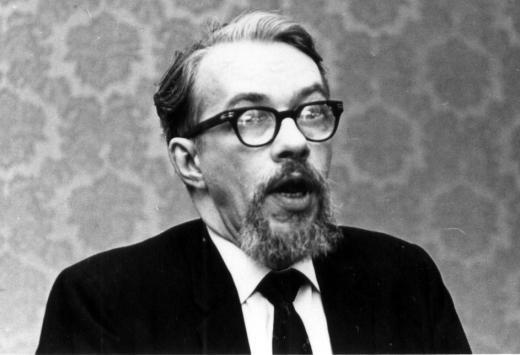
Paul Weimer on Lester del Rey’s Legacy:
Science fiction critic Paul Weimer emphasizes that del Rey’s influence was twofold. While he is often remembered as the founder of Del Rey Books (alongside his wife Judy-Lynn del Rey), his prose was equally provocative. Weimer points to the 1954 novella "For I am a Jealous People" as a prime example of del Rey’s "muscular" storytelling. The story, which depicts a humanity that refuses to surrender even when God sides with an invading alien force, remains a hallmark of mid-century speculative fiction for its subversion of religious and cosmic tropes.
Implications: The Future of Genre Media
The convergence of these stories suggests several key trends for the future of the science fiction and fantasy industries.
1. The "Theatric-Retail" Hybrid
The Toy Story 5 pop-up represents the increasing necessity for "Instagrammable" physical locations to drive digital engagement. By limiting the event to those 18 and older for certain sessions and requiring reservations via Eventbrite, Disney is targeting the "kidult" demographic—adults with high disposable income who grew up with the original 1995 film. This suggests that future film promotions will rely less on traditional trailers and more on high-concept, short-term physical installations.
2. The Recognition of Post-Production
The renewed focus on Marcia Lucas signals a broader cultural movement to recognize the "invisible" labor of women in film history. As fans become more sophisticated in their understanding of film production, the narrative of the "lone genius" (e.g., George Lucas) is being replaced by a more nuanced understanding of collaborative art. This shift may influence how future "Making Of" documentaries and historical archives are curated.

3. The Centralization of Fantasy Intellectual Property
With Brandon Sanderson’s Mistborn and Stormlight Archive heading to Apple TV, we are seeing the rise of a new "King of Fantasy." Following the conclusion of Game of Thrones, streaming services have been desperate for sprawling, multi-book epics. Sanderson’s disciplined writing schedule and massive existing fanbase make him the logical successor to the high-fantasy throne, potentially shifting the tone of TV fantasy from "grimdark" to more structured, system-based magic narratives.
4. The Enduring Power of the "Trope"
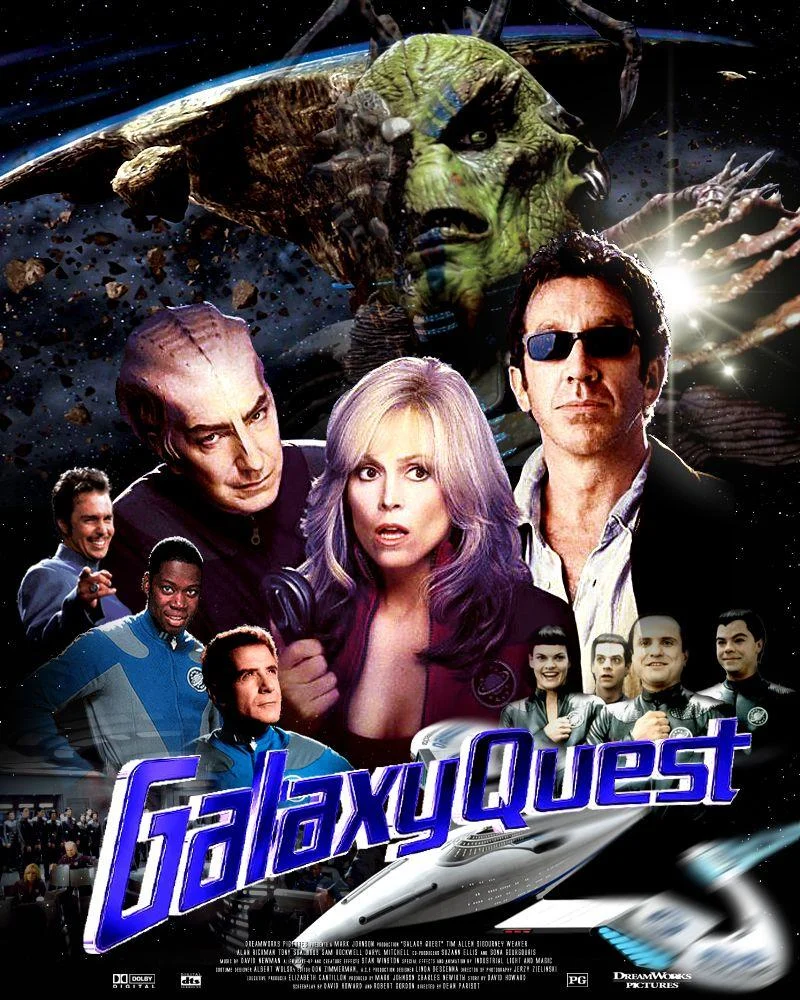
The inclusion of "The 20 Best Corridors in Film" by The Guardian—highlighting the "choppy, crushy" utility corridor in Galaxy Quest—underscores the enduring affection for genre tropes. Whether it is the Argonath bookends from The Lord of the Rings or the nostalgic pull of a Pizza Planet truck, the "furniture" of science fiction remains a vital part of the fan experience.
Conclusion
The current state of speculative fiction is a tapestry of commercial ambition and historical reverence. While corporations like Disney and Papa Johns utilize the "Pizza Planet" iconography to drive contemporary sales, the community continues to find value in the foundational work of Lester del Rey and the transformative editing of Marcia Lucas. As Brandon Sanderson prepares to bring his "Cosmere" to global television audiences, he does so as part of a lineage of "nerd culture" that has moved from the night-shift desk of a Best Western to the center of the global entertainment economy.
In this environment, the "ticking clock" first introduced in a 1977 editing bay continues to run, driving the genre toward an increasingly immersive and interconnected future.

Leave a Comment