Angela Liu Unpacks "Magical Girl Eater": A Grim Reflection on Nostalgia, Capitalism, and Identity
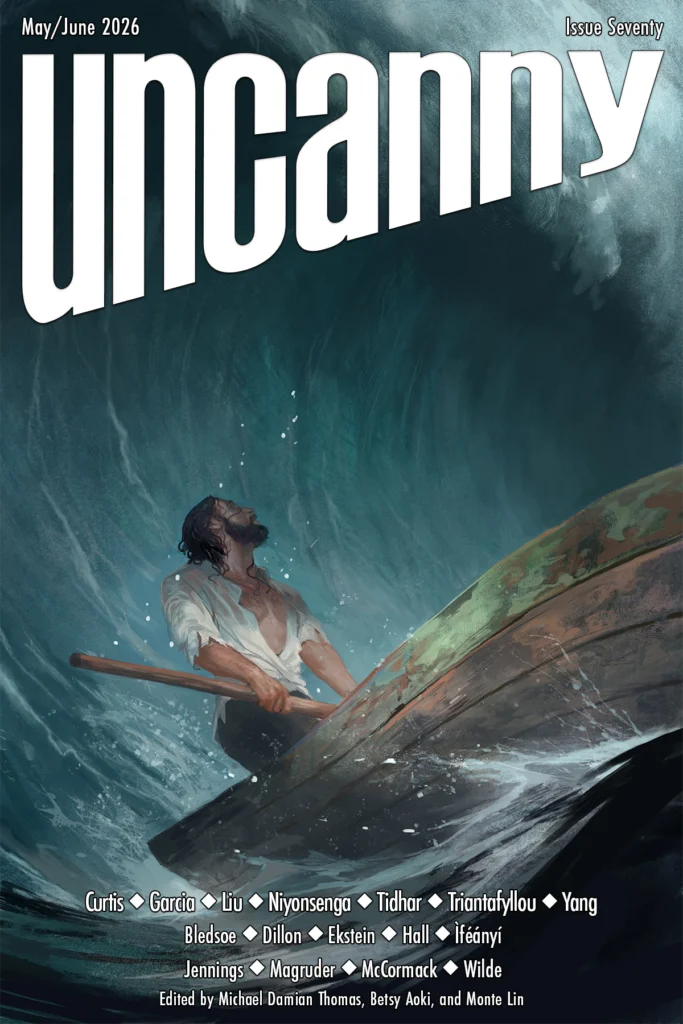
New York, NY / Tokyo, Japan – In an increasingly commercialized world where cherished childhood memories are routinely repackaged and sold back to consumers, Chinese-American writer and poet Angela Liu stands out as a poignant voice exploring the darker undercurrents of modern fandom and corporate influence. A three-time Nebula Award finalist and a 2025 Astounding Award finalist, whose work has also garnered nominations for the Hugo, Locus, Ignyte, and Rhysling Awards, Liu consistently delivers narratives that resonate with critical acclaim and popular interest. Her latest offering, "Magical Girl Eater," published in the esteemed Uncanny Magazine, is a sharp, fast-paced story that delves into the unsettling intersection of corporate interests and nostalgic fandom, exposing the true price of fame and the relentless pressures of public scrutiny.
Liu, whose academic background includes researching mixed reality at Keio University in Japan with a focus on new narrative platforms, brings a unique blend of technological insight and deep human empathy to her writing. She is known for tackling complex themes such as intergenerational trauma and "weird things," weaving them into stories and poems published in leading speculative fiction venues like Clarkesworld, Strange Horizons, and Lightspeed. "Magical Girl Eater" marks her sixth appearance in Uncanny Magazine, solidifying her reputation as a prolific and thought-provoking author within the genre.
The Genesis of a Grim Fairy Tale: Unpacking "Magical Girl Eater"
The inspiration for "Magical Girl Eater" emerged from a deeply personal observation by Liu: the pervasive resurgence of Sailor Moon merchandise. What began as a nostalgic encounter with luxury bags, makeup cases shaped like transformation compacts, and premium-boxed replicas of childhood toys, quickly evolved into a critical examination of consumer culture. Liu recounts a strange duality of desire and skepticism, acknowledging the irrationality of paying exorbitant prices for items that once cost a fraction, yet simultaneously feeling the pull of deep-seated childhood longings. "Growing up, who didn’t want to be one of the sailor scouts, with their own planet name?" she muses, articulating a universal sentiment among a generation raised on the iconic anime. The realization that as a working adult, she could now afford the very items she coveted as a child, crystallized her desire to write a story about "the commoditization of nostalgia."
This spark ignited a broader exploration into how typical magical girl tropes – the heroic figures, their unique costumes and weapons, their dedicated fan bases, and their pursuit of "justice" – would transform under the pervasive influence of capitalism. Liu sought to answer fundamental questions: Who becomes the "villain mastermind" in a world driven by profit? How do costumes and weapons evolve when designed for marketability? Who are the fans when the narrative becomes a product? And what does "justice" truly mean when monetary interests dictate the plot?
A lifelong reader of fanfiction, Liu has always been fascinated by the "what happens after the original story ends" question. She posits that in real life, happy endings are elusive, and stories continue. If iconic figures like Sailor Moon and her friends existed in our world, how would they navigate their immense popularity, the relentless merchandising, and the corporate partnerships that would inevitably follow? How would public perception shift under such commercial pressures? Liu admits that even she was surprised by the swift descent into darkness once corporate stakeholders were introduced into even the most innocent of scenarios, highlighting the corrosive potential of unchecked commercialism on pure, idealistic narratives.
Deep Dive into the Narrative: Research, Themes, and Cultural Commentary
Liu’s meticulous research for "Magical Girl Eater" extended beyond mere observation, delving into the evolving landscape of popular culture, merchandise, and media adaptations. She meticulously analyzed new products, collaborations, and remakes of beloved series from the 90s and early 2000s, discerning which resonated authentically and which felt like cynical cash grabs. This analytical approach informed the story’s core critiques.
The Commodification of Childhood: "Magical Girl Eater" and Nostalgia Marketing
The Sailor Moon phenomenon served as a primary case study for Liu’s exploration of nostalgia marketing. She notes the striking shift in target demographics for these goods. What began as children’s toys has morphed into luxury items explicitly aimed at older generations with disposable income. Examples like Sailor Moon x Jimmy Choo shoes, a $10,000+ Luna-P bag, $3,000+ bedroom furniture sets, and designer wedding rings underscore the exorbitant prices and the sophisticated marketing strategies employed to tap into adult consumers’ deep-seated emotional connections to their childhoods. This trend reveals a calculated exploitation of nostalgia, transforming cherished memories into premium commodities, where the emotional value is leveraged to justify inflated prices. The story implicitly asks: at what point does celebrating a beloved franchise become an act of corporate extraction, and what happens to the inherent magic when it’s filtered through a price tag?
Deconstructing the Magical Girl Trope Through a Capitalist Lens
Liu’s story masterfully deconstructs the archetypal magical girl narrative, reimagining its elements through the unforgiving lens of capitalism. The traditional "villain mastermind" is no longer an otherworldly evil but a corporate entity, manipulating public sentiment and profiting from the heroines’ struggles. Costumes and weapons are no longer magical artifacts but branded merchandise, carefully designed for maximum consumer appeal and market saturation. The concept of "justice" becomes ambiguous, potentially serving corporate agendas rather than genuine societal good. This recontextualization is particularly potent as it challenges the inherent innocence and idealism of the genre, forcing readers to confront the uncomfortable reality of what happens when beloved cultural icons are subjected to the relentless demands of a profit-driven industry. The story explores the question of what happens "after the original story ends," positing that the true monsters in a capitalist society might not be fantastical beasts but the very systems that govern our desires and identities.
Cultural Representation and the Perils of "Replaceability"
Liu’s research also highlighted a contentious issue in modern media: the prevalence of "live-action" remakes of popular cartoons and anime, often marred by instances of whitewashing. She cites the Death Note and Ghost in the Shell live-actions as particularly egregious examples, where characters of color or those with distinct cultural origins were recast with white actors. This problematic trend led Liu to ponder the concept of "replaceability" – what elements of a story or character are considered vital versus nonvital. She observed how superheroes are frequently rebooted and recast, implying that the "person inside the costume matters less than the costume itself." This idea of interchangeability, of replacing individuals simply to inject "new life" into a franchise, became the "emotional backbone" of "Magical Girl Eater." It underscores a deeper critique of identity and authenticity, questioning whether the essence of a character or a narrative can truly be preserved when commercial interests prioritize market appeal over original integrity. Liu’s story suggests that in a commodified world, even identity can become a disposable asset.
From DIY to Designer: The Evolution of Cosplay
Another significant observation for Liu was the evolution of cosplay. Historically a labor of love, requiring hours, even months, of meticulous crafting, cosplay has undergone a dramatic transformation. The rise of mass-produced costumes, readily available online and delivered within days, has democratized participation but also commercialized the art form. Furthermore, the emergence of "cosplay-inspired clothing collaborations" with real fashion brands, where fans can spend hundreds of dollars on a "uniform" jacket, demonstrates the ultimate integration of fandom into mainstream consumer culture. This trend directly inspired the poignant line in her story: "anyone can be a magical girl!" While seemingly empowering, this statement carries a subtle critique, suggesting that the unique, personal connection to a character might be diluted when authenticity is superseded by accessibility and commercial branding. It challenges the reader to consider the cost of convenience and the potential loss of creative expression in the pursuit of mass market appeal.
Weaving Worlds: Liu’s Signature Themes and Literary Craft
Angela Liu’s literary output is characterized by a consistent return to several profound themes, which she masterfully explores across her diverse body of work.
Memory’s Labyrinth: Shaping, Trapping, and Saving
"Memory is probably the most common theme in all my stories," Liu states, emphasizing its multifaceted nature. She delves into how memories sculpt our identities, offering both solace and confinement. For Liu, memories are precious, universally accessible, and profoundly connective. Yet, they are also tools of manipulation, used by individuals to control others or even deceive themselves. The terrifying implication that altering someone’s memories could fundamentally change who they are is a recurring fascination for her, echoing the psychological depth found in speculative fiction that questions the very fabric of identity. This theme often intersects with intergenerational trauma, a core aspect of her writing, where ancestral memories and experiences subtly shape contemporary lives.
The Art of Transformation: From Human to Monster and Back
Liu is drawn to the concept of transformation, particularly the journey into monstrosity. "I like monsters," she confesses, revealing her interest in exploring the myriad ways people become (or save) them. Her stories often begin with the monstrous, then meticulously trace backward to uncover the genesis of that transformation. Her debut published story, "Ppaka," features a character convinced he is a frog, while "Another Girl Under the Iron Bell" explores a demon who may have once been human. This format allows Liu to delve into the complex interplay of identity, circumstance, and humanity, challenging readers to empathize with the ‘other’ and understand the paths that lead to radical change.
Sustenance and Storytelling: The Role of Food
A charming and consistent element across all of Liu’s stories is the presence of food. More than just a sensory detail, food serves as a narrative anchor and a problem-solving mechanism. "If I get stuck writing, I will always write a food scene to work through it," she explains, linking this creative habit to her family’s tradition of discussing and resolving issues over meals. In her narratives, food often symbolizes comfort, connection, culture, and the grounding realities of everyday life, providing moments of respite or revelation amidst fantastical or unsettling events. It’s a subtle yet powerful thread that adds a layer of authenticity and warmth to her often "weird" or grim tales.
The Art of Brevity: Angela Liu’s Appreciation for Flash Fiction
Liu expresses a profound appreciation for flash fiction, a form she cherishes for its experimental potential and conciseness. As a mother and caretaker with limited reading time, flash fiction offers the perfect balance of depth and brevity. She sees it as "a great form for experimenting, a real sandbox for playing with ideas, language, and format where every line matters." She actively seeks out flash fiction in magazines like Lightspeed, Nightmare, Uncanny, Small Wonders, and hex, and shares several personal favorites, including "We Never Went Away, We Just Hid Better" by Sam Rebelein and "Quantum Eurydice" by Avi Burton. This admiration for the compact yet impactful narrative form undoubtedly influences her own ability to craft potent, short stories like "Magical Girl Eater."
Official Recognition and Industry Context
Angela Liu’s consistent presence on the shortlists for major speculative fiction awards—including the Nebula, Astounding, Hugo, Locus, Ignyte, and Rhysling Awards—serves as compelling official validation of her exceptional talent and the profound impact of her work. These nominations, voted on by peers and readers within the science fiction and fantasy community, underscore her critical acclaim and her rising prominence in the literary world. Her repeated appearance in Uncanny Magazine—with "Magical Girl Eater" marking her sixth story in its pages—is further testament to her consistent quality and the magazine’s recognition of her unique voice. Uncanny Magazine itself is a highly respected and award-winning publication in the SFF field, known for its commitment to diverse voices and groundbreaking speculative fiction, making Liu’s regular contributions a significant achievement. Her ability to consistently deliver stories that resonate with both readers and critics speaks volumes about her skill in blending compelling narratives with sharp social commentary.
Implications and Future Horizons
Angela Liu’s "Magical Girl Eater" is more than just a story; it’s a critical commentary on the pervasive nature of commercialism and its impact on culture and personal identity. By dissecting the beloved magical girl genre, Liu holds a mirror to society, reflecting our collective susceptibility to nostalgia marketing and the subtle ways corporate interests can corrupt even the purest ideals. Her work encourages readers to question the narratives they consume and the forces that shape them, providing a vital contribution to contemporary speculative fiction that grapples with complex social issues.
Looking ahead, Liu is embarking on an ambitious new chapter: her first novel. As a participant in the prestigious Clarion West Novel Writing cohort this year, she is dedicating the coming months to this significant undertaking. This move signals a natural progression for an author whose short stories have already explored such rich thematic territory. Given her established prowess in weaving intricate narratives around memory, transformation, intergenerational trauma, and the "weird," her novel is anticipated to offer an expansive exploration of these profound concepts, promising to further solidify her position as a leading voice in speculative literature. Her continued journey promises to enrich the literary landscape with stories that are not only entertaining but also deeply insightful and provocatively relevant.