The Boer War: A Crucible of Modern Warfare and Imperial Reckoning
Main Facts
The conflict known by many names – the Boer War, the Second Anglo-Boer War, the South Africa War, and for the Boers, the Second War of Freedom (1899-1902) – stands as a grim testament to the twilight of Victorian imperialism and a stark precursor to the brutal realities of 20th-century total warfare. Fought between the British Empire and the two independent Boer republics of the Transvaal and the Orange Free State, it was a struggle born of decades of simmering rivalry over land, resources, and sovereignty in Southern Africa.
Though ultimately won by the British, the victory came at a profound cost, both moral and material. The war forced the British to deploy an unprecedented number of troops for an overseas conflict, reaching nearly 450,000 imperial and colonial soldiers against a maximum of 60,000 highly mobile Boer fighters. The protracted and difficult campaign exposed significant flaws in British military doctrine and strategy, compelling them to adopt increasingly controversial and brutal tactics. These included widespread scorched-earth policies, which saw countless farms and homes razed, and the establishment of civilian concentration camps, where tens of thousands perished from disease and malnutrition.
The Boer War was a watershed for several reasons. It showcased technologically advanced weaponry, like smokeless powder rifles and machine guns, fundamentally altering combat dynamics. It was the first major conflict to be extensively documented by early forms of mass media, with newsreels and photography bringing the grim realities of war directly to the British public and the wider world. Crucially, it was one of the earliest modern wars where civilian deaths, particularly within the concentration camps, far outweighed those of combatants, foreshadowing a tragic trend in subsequent global conflicts. The war’s legacy cast a long shadow over British imperial ambition and laid critical groundwork for the racial segregation that would later define South Africa.
Chronology
Roots of Conflict: A Century of Rivalry (Pre-1899)
The roots of the Boer War stretch back to the 17th century with the arrival of Dutch settlers in Southern Africa, who became known as Boers, meaning "farmers," or Afrikaners, speaking their unique derivative of Dutch, Afrikaans. They established a distinct pastoral culture, often clashing with indigenous African kingdoms as they expanded their territories. British control over the Cape Colony, solidified in 1806, introduced a new imperial power to the region. Tensions escalated significantly in the 1830s with the "Great Trek," a mass migration of Boers inland to escape British rule, particularly their policy of abolishing slavery and the increasing influence of Anglo-Saxon culture. This migration led to the creation of the independent Boer republics: the Transvaal (1852) and the Orange Free State (1854).
For decades, the British and Boers engaged in a complex dance of territorial expansion and economic competition, both at the expense of African states. The British sought to safeguard the vital Cape of Good Hope shipping route and expand their influence, establishing colonies like Natal (1843). A nominal British suzerainty over the Boer republics was claimed but fiercely rejected by the Boers, fueling resentment.
The discovery of vast mineral wealth dramatically intensified this rivalry. Diamonds were found in Griqualand in 1867, leading to a swift British annexation in 1871 and its merger with Cape Colony. This blatant takeover of the Kimberley diamond mines was deeply resented by the Boers. Even more significantly, gold was discovered in the Witwatersrand region of the Transvaal in 1886. The ensuing gold rush drew an influx of foreign workers, primarily British, known as "Uitlanders" ("Outsiders"), who quickly outnumbered the Boers in the goldfields. The British, heavily invested in the mines, were incensed that these immense riches were controlled by the Boer government, which imposed discriminatory laws and taxes on the Uitlanders, denying them political rights.
The British continued their expansion, defeating the powerful Zulu Kingdom in the Anglo-Zulu War of 1879 and annexing territories like Basutoland (1884), Bechuanaland (1885), and Swaziland (1893). However, a prior British annexation of the Transvaal in 1877, under the pretext of providing security after a Boer loss to the Pedi, backfired. It led to the First Anglo-Boer War (1880-81), a series of skirmishes decisively won by the Boers, humiliating the British and restoring Boer independence, albeit with ambiguous terms regarding British suzerainty.
Anglo-Boer relations plunged to new depths with the disastrous Jameson Raid at the end of 1895. Organized by Cecil Rhodes, the Prime Minister of the Cape Colony, and led by Dr. Leander Starr Jameson, this ill-conceived coup attempt by a group of mine owners and colonial irregulars aimed to spark an Uitlander uprising in the Transvaal. The raid failed utterly, and its British orchestrators were disowned, but the damage was done. Transvaal President Paul Kruger responded by strengthening his military, acquiring modern weapons from Germany and France, and forming a defensive military alliance with the Orange Free State. This alliance, coupled with the prospect of a Boer-German alignment, convinced British colonial authorities, particularly Colonial Secretary Joseph Chamberlain and High Commissioner Alfred Milner, that British dominance in Southern Africa and the ambition for a unified, British-controlled Union of South Africa were under severe threat.
Kruger’s continued discrimination against the Uitlanders provided what the British considered a moral justification for intervention. As British military preparations intensified, Kruger issued a 48-hour ultimatum on October 9, 1899, demanding the withdrawal of British troops from Transvaal’s borders. The British refused, and war was declared on October 11, 1899.
The War’s Opening Salvo: Boer Offensive (October 1899 – February 1900)
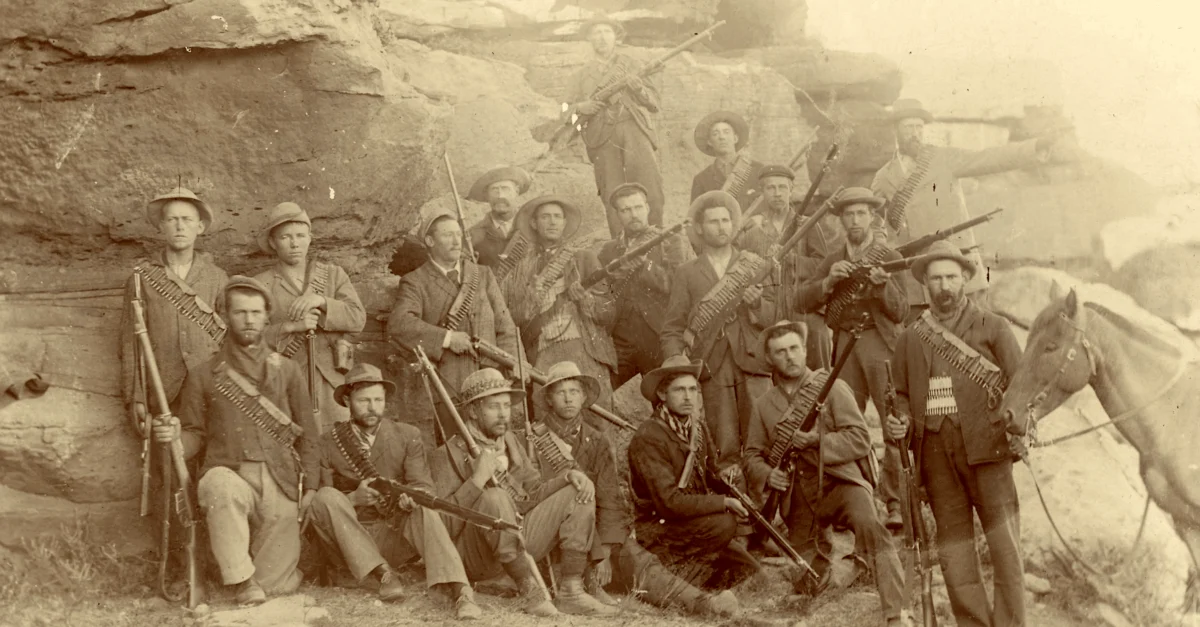
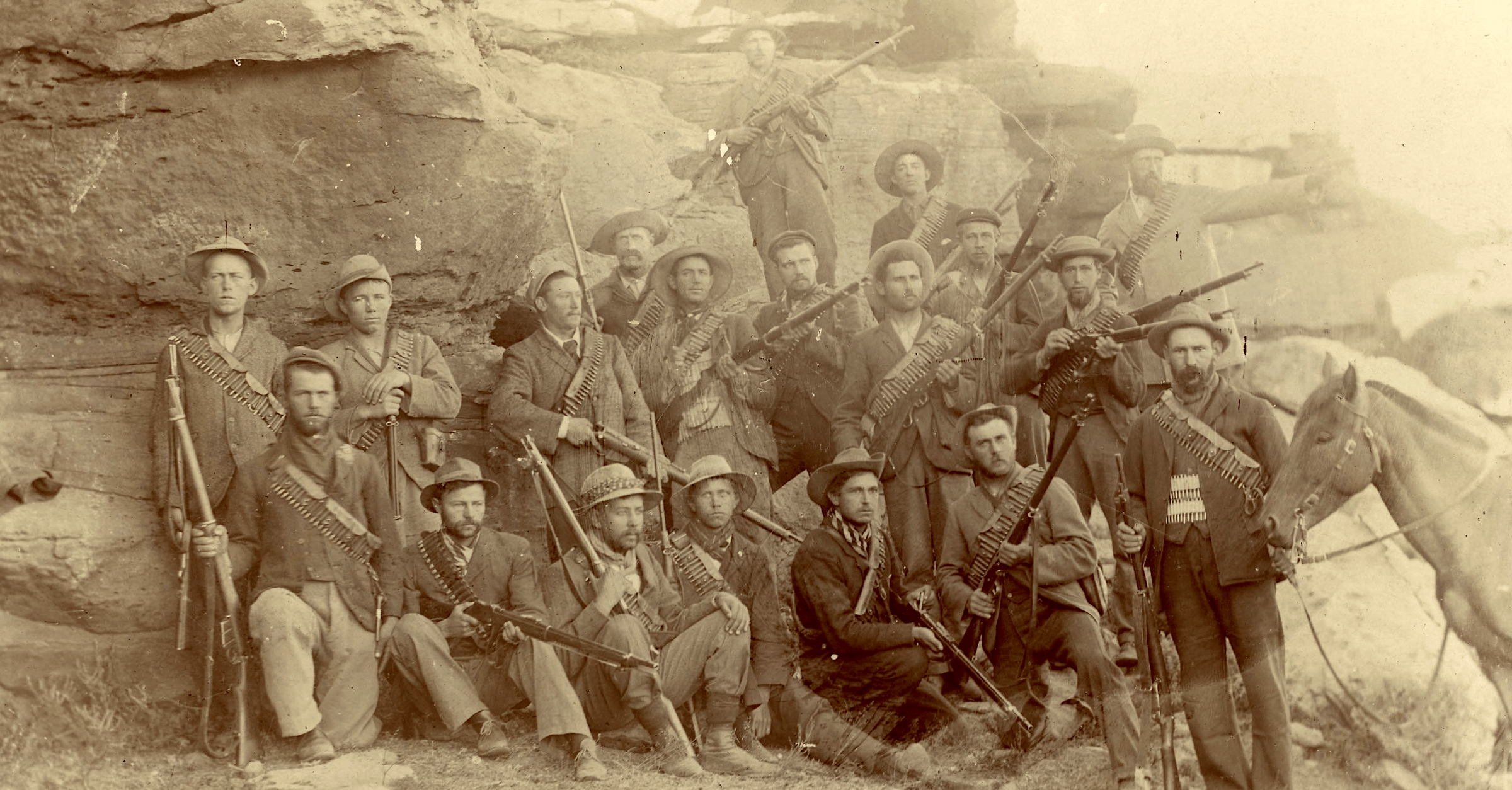
Recognizing their numerical disadvantage against the impending might of the British Empire, the Boers adopted a strategy of swift, decisive action. Their fighters, though not professionally trained soldiers, were formidable. They were expert horsemen and marksmen, intimately familiar with the rugged veld terrain. Equipped with the latest smokeless Mauser rifles, Maxim machine guns, and German artillery pieces, their commandos were highly mobile and effective in skirmishes. Their skill at long-range shooting and ability to blend into the landscape made them an "unseen force," rendering traditional British close-quarters and volley-fire tactics suicidal. British officers were forced to abandon their conspicuous swords and rank badges to avoid becoming prime targets.
The early months of the war saw a series of shocking Boer victories, exposing the unpreparedness and tactical inflexibility of the British army. In mid-December 1899, during what became known as "Black Week," the Boers inflicted three significant defeats on the British at Stormberg, Magersfontein, and Colenso. These battles highlighted British commanders’ blunders, unrealistic objectives, poor communication, and inadequate maps. The Boers further humiliated the British at the Battle of Spion Kop in January 1900, demonstrating their unexpected resilience.
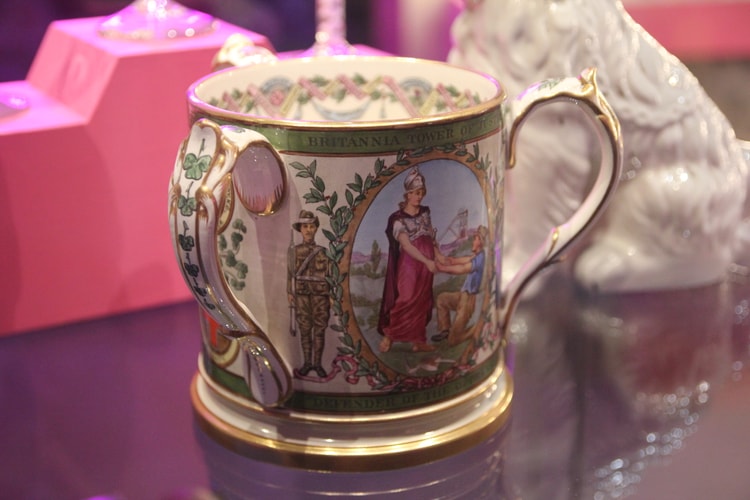
The war also introduced several innovations that bridged 19th and 20th-century warfare. The telegraph facilitated rapid communication, while combined artillery and infantry attacks showcased evolving tactics. The extensive use of volunteer soldiers on both sides, blanket coverage in the daily press, the use of cinematic film to record events, and the publication of personalized records from soldiers’ diaries and photographs brought the conflict home to the public as never before. A massive patriotic souvenir industry blossomed, emblazoning soldiers and generals on everyday items.
Despite their initial successes, the Boers made a strategic error by committing significant numbers of their mobile commandos to lengthy sieges of British garrisons at Ladysmith, Kimberley, and Mafeking. While intended to tie down British forces, these sieges also tied down valuable Boer fighters who could have been used more effectively in offensive operations. The Siege of Mafeking (1899-1900) became particularly symbolic. It demonstrated that this was no ordinary colonial conflict against a technologically inferior foe, but a modern, "European civil war" in terms of weaponry. More tragically, it showed that civilians would be heavily involved and suffer frequent casualties. The British garrison and allied Tswana warriors held out for 217 days, making its resourceful commander, Robert Baden-Powell, a national hero. However, these sieges ultimately proved the folly of the Boer strategy: they could not win a prolonged war of attrition against the numerically superior British Empire.
The British Resurgence and Conventional Phase (February 1900 – September 1900)
The early defeats shocked the British public and government, leading to a massive military buildup. Unlike the First Boer War, the British were determined to win at all costs, deploying a formidable force that rapidly swelled from 25,000 to over 250,000 men, including significant contingents of colonial troops from Australia, New Zealand, and Canada. This numerical superiority, along with the appointment of new, more capable commanders – Field Marshal Lord Roberts as Commander-in-Chief and Lord Kitchener as his chief of staff – decisively shifted the momentum.
Roberts quickly implemented a more aggressive strategy. In February 1900, British forces relieved Kimberley and encircled a Boer army at Paardeberg, forcing its surrender – a major psychological blow. Bloemfontein, the capital of the Orange Free State, was seized next. On May 24, the Orange Free State was formally annexed and renamed the Orange River Colony. A week later, Johannesburg, the economic heart of the Transvaal, fell. In June, the British captured Pretoria, the Transvaal capital, and in October, the Transvaal itself was annexed.
These conventional victories effectively ended the first phase of the war. The Boer republics had been militarily defeated, their capitals occupied, and their formal independence extinguished. Many believed the war was over. However, the Boer leadership, unwilling to accept defeat, transitioned to a new phase of protracted guerrilla warfare, signaling that the conflict was far from concluded.
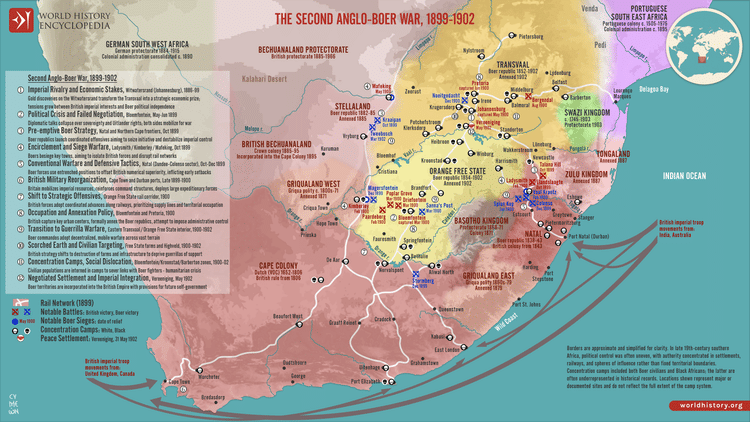
The Brutal Counter-Insurgency: Scorched Earth and Concentration Camps (September 1900 – May 1902)
Faced with the annexation of their republics, the remaining Boer commandos, led by generals like Louis Botha, Jan Smuts, and Christiaan de Wet, adopted highly effective guerrilla tactics. They launched swift, hit-and-run raids on British supply lines, railway infrastructure, and isolated garrisons, melting back into the vast landscape before British forces could respond. They also made daring incursions into Cape Colony, hoping to spark a wider rebellion. This prolonged insurgency proved incredibly frustrating and costly for the British.
Lord Roberts returned to Britain, leaving Lord Kitchener in sole command to quell the guerrilla war. Kitchener, a veteran of colonial campaigns, implemented a brutal but effective counter-insurgency strategy. To deny the Boers logistical support and freedom of movement, he divided the former republics into a vast "steel chequerboard" using thousands of miles of barbed wire fences, guarded by an intricate network of some 8,000 concrete blockhouses. This system severely restricted Boer mobility and made it harder for them to evade capture.
The most controversial aspects of Kitchener’s strategy were the scorched-earth policy and the establishment of concentration camps. To deprive the commandos of any sustenance or refuge, British forces systematically destroyed crops, confiscated livestock, and burned down thousands of Boer farms and homes. This left the Boer civilian population, primarily women and children, utterly destitute. Kitchener then ordered these displaced civilians, along with Black African non-combatants, to be rounded up and interned in "refugee" or "concentration" camps.
The conditions in these camps were appalling. Overcrowding, inadequate sanitation, and severe shortages of food, water, and medical supplies led to widespread disease, particularly measles, typhoid, and dysentery. The wilful negligence and woefully inadequate planning resulted in a catastrophic loss of life. By the end of the war, an estimated 28,000 Boer civilians, 80% of whom were children, perished in the camps. Even more tragically, around 20,000 Black Africans also died in separate, often even worse, camps. In total, approximately 117,000 Boer women and children and 119,000 Black Africans were interned in 46 concentration camps. These figures starkly contrast with the roughly 7,000 Boers and 22,000 British-led combatants killed in direct fighting.
The sheer scale of death and suffering in the camps provoked widespread outrage, both internationally and within Britain itself. Humanitarian aid worker Emily Hobhouse, a British activist, meticulously documented the horrific conditions, publishing damning reports that stirred public conscience. Her efforts led to the establishment of the Fawcett Commission, an official British inquiry that confirmed her findings. The scandal forced the British government to take action, transferring control of the camps from the army to civilian authorities and implementing reforms to improve conditions. Kitchener officially ended the scorched-earth policy and ordered no more Boer women and children be arrested in December 1901.
The Treaty of Vereeniging and Concluding the Conflict (May 1902)
Despite the immense suffering and the numerical odds, Boer resistance continued until early 1902. The last major battle of the war, Roodewal, was won by the British on April 11, 1902. Exhausted and facing insurmountable odds, the remaining Boer leaders finally agreed to negotiate. The Second Boer War officially concluded on May 31, 1902, with the signing of the Treaty of Vereeniging.
Under the terms of the treaty, the Boer republics accepted annexation into the British Empire. In return, the British agreed to pay £3 million for reconstruction, provide limited self-government, and pardon all combatants. Boer prisoners of war were released in June and July. The material losses were immense: over 30,000 homesteads had been burned down, millions of livestock killed, and at least a third of a million horses perished. The land was devastated, and its people traumatized.
Supporting Data
A War of Firsts: Technology and Tactics
The Boer War was a transitional conflict, showcasing the impact of industrialization and technological advancements on warfare. The Boers’ effective use of modern German Mauser rifles, firing smokeless powder, gave them a significant advantage in accuracy and concealment compared to the British Lee-Metford rifle, which initially used black powder producing tell-tale smoke. This, combined with Maxim machine guns and modern artillery pieces, meant that massed infantry charges, a staple of 19th-century warfare, became suicidal. The war forced British commanders to adapt, emphasizing skirmishing lines, better use of cover, and more coordinated artillery support.
Logistics and communication were also revolutionized. The extensive railway network in South Africa was crucial for British troop and supply movements, though it also became a prime target for Boer guerrilla raids. The telegraph allowed for rapid command and control, while field telephones were used for tactical communication. Medical services, while still rudimentary by modern standards, saw advancements in field hospitals and evacuation procedures, though disease remained the primary killer. The importance of mounted infantry, combining cavalry mobility with infantry firepower, became evident, leading to reforms in British military doctrine.
The Human Cost: Casualties and Suffering
The casualty figures from the Boer War paint a grim picture, particularly regarding civilian suffering. Approximately 22,000 British and colonial soldiers died, with disease accounting for the vast majority (around 14,000) rather than combat wounds. Around 7,000 Boer combatants were killed. However, the most shocking statistics relate to the civilian population. The concentration camps claimed the lives of an estimated 28,000 Boer women and children and 20,000 Black Africans, bringing the total civilian death toll to nearly 50,000. This meant that civilian deaths far outnumbered combatant deaths for both sides combined, a horrifying precedent for 20th-century conflicts. The material devastation was equally staggering, with the scorched-earth policy laying waste to the agricultural heartland of the Boer republics.
Media and Public Opinion: A War Under the Lens
The Boer War was the first "media war," extensively covered by an army of war correspondents, photographers, and early cinematographers. Figures like Winston Churchill, then a young journalist, gained fame reporting from the front lines. Photography and early newsreels brought vivid, often graphic, images of the conflict to audiences back home, fostering unprecedented public engagement. This immediate access to information fueled both fervent patriotism and a growing anti-war movement.
British propaganda initially painted the Boers as backward, oppressive farmers, and the war as a righteous defense of Uitlander rights and imperial prestige. However, the reports of civilian suffering in the concentration camps, championed by figures like Emily Hobhouse, shattered this narrative. The imagery of starving women and children, widely circulated, sparked a moral outcry that profoundly impacted British public opinion and led to widespread international condemnation. The war also saw the rise of a massive patriotic souvenir industry, from porcelain mugs to matchboxes, reflecting a widespread "war fever" that gripped the nation.
The Overlooked Contributions: Black Africans in the Conflict
Often marginalized in historical narratives, Black Africans played diverse and crucial roles in the Boer War. Over 100,000 Black Africans actively assisted the British war effort, serving as soldiers, scouts, runners, grooms, porters, servants, and laborers. They provided vital intelligence, performed essential logistical tasks, and, in some cases, engaged in direct combat, often under British command or as self-armed defense units. Their contributions were indispensable to the British campaign. However, their sacrifices and loyalty were tragically betrayed. Their leaders were explicitly excluded from the peace talks, and the Treaty of Vereeniging explicitly deferred any discussion of Black African political rights until white self-government was established, effectively cementing their disenfranchisement and laying the groundwork for future racial discrimination.
Official Responses
British Imperial Strategy and Justifications
The British government, under Prime Minister Lord Salisbury, justified the war as a necessary measure to protect British interests, assert imperial authority, and safeguard the rights of British subjects (Uitlanders) in the Boer republics. Initially, the public was largely supportive, fueled by jingoistic press reports and a sense of imperial destiny. The early Boer victories, however, triggered a crisis of confidence, leading to a swift overhaul of military leadership and a massive deployment of imperial resources.
The official response to the concentration camp scandal was initially one of denial and downplaying the severity of the conditions. However, the relentless advocacy of Emily Hobhouse and the damning findings of the Fawcett Commission forced the government to acknowledge the crisis. This led to a significant policy shift, including the transfer of camp administration from the military to civilian authorities and a concerted effort to improve sanitation, food, and medical provisions. While these reforms reduced mortality, the immense human cost remained a stain on Britain’s imperial conscience. Post-war, the British government faced the daunting task of reconstruction and reconciliation, attempting to integrate the defeated Boers into a unified South Africa under British hegemony.
Boer Resistance and Diplomatic Efforts
The Boer leadership, under President Paul Kruger, initially sought to leverage international sympathy for their small republics against the mighty British Empire. Kruger’s diplomatic efforts, particularly appealing to Germany, aimed to secure external intervention, but these proved ultimately fruitless. The Boers’ initial strategy of conventional warfare and sieges reflected their belief in their military prowess, a belief reinforced by their victory in the First Anglo-Boer War.
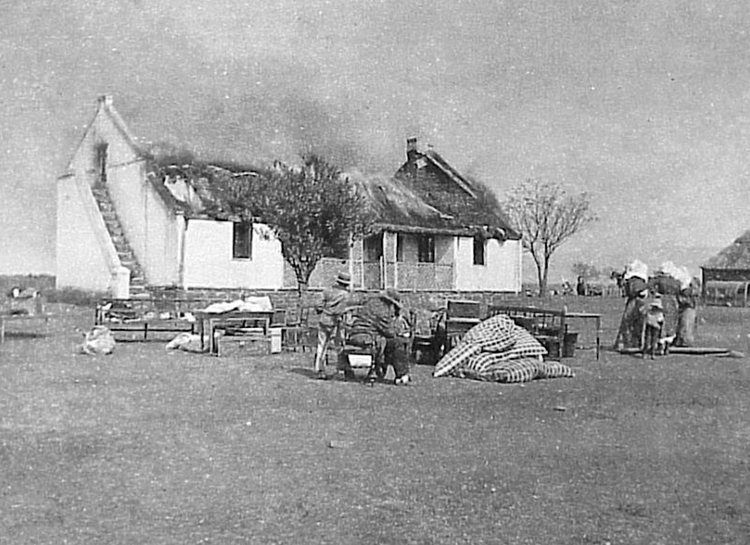
However, once their capitals were captured and their conventional forces dispersed, the Boer generals displayed remarkable adaptability, shifting to a highly effective guerrilla campaign. This strategic pivot prolonged the war for another two years, draining British resources and morale. The Boer leaders ultimately agreed to peace only when it became clear that further resistance was futile and would only lead to more suffering for their devastated civilian population. Their negotiators, though defeated, secured significant concessions in the Treaty of Vereeniging, including financial aid for reconstruction and a promise of eventual self-government, which would profoundly shape the future of South Africa.
International Condemnation and Britain’s Image
The Boer War, particularly the scorched-earth tactics and concentration camps, generated widespread international condemnation. European powers, notably Germany, France, and Russia, along with the United States, viewed Britain’s actions with alarm and hostility. Political cartoons in foreign newspapers often depicted Britain as a brutal oppressor, undermining its carefully cultivated image as a beacon of civilization and justice. Diplomatic protests were lodged, and the war contributed to a general deterioration of Anglo-German relations, further fueling the naval arms race that would precede World War I. This global outcry underscored the moral ambiguities of empire and forced Britain to confront a critical examination of its own imperial conduct on the world stage.
Implications
Reshaping the British Empire
The Boer War was an expensive victory for Britain, costing an estimated £200 million (equivalent to £21 billion today). This immense financial burden, coupled with the moral outrage generated by the concentration camps, sparked a profound re-evaluation of imperial policy. Economists and social scientists like J. A. Hobson, in his influential work "Imperialism: A Study" (1902), argued that imperial expansion was driven not by national interest but by powerful private actors seeking personal profit at the taxpayer’s expense. This critique fueled a growing anti-imperialist sentiment within Britain, questioning the very purpose and morality of empire.
Militarily, the war exposed significant shortcomings in the British Army, leading to comprehensive reforms in training, tactics, and logistics that would prove vital for the challenges of World War I. Figures like Kitchener and Baden-Powell, who gained prominence during the conflict, would go on to shape British military and social institutions. The war also highlighted the growing strength of its self-governing colonies (Australia, New Zealand, Canada), whose contributions strengthened imperial bonds but also fostered a nascent sense of national identity within these dominions. The war ultimately marked a turning point, signaling the decline of unchallenged British imperial dominance and raising questions about the sustainability and ethics of empire.
The Foundations of Apartheid in South Africa
The legacy of the Boer War in South Africa was particularly devastating and long-lasting. The physical devastation of the land and the trauma of the concentration camps left deep scars on the Afrikaner population, fostering a powerful sense of nationalism and victimhood that would define their future political identity.
Crucially, the Treaty of Vereeniging’s explicit deferral of Black African political rights proved to be a catastrophic betrayal. Over 100,000 Black Africans had supported the British, hoping for an end to Boer discrimination and the granting of political freedoms. Instead, their situation worsened. The post-war period saw the entrenchment of discriminatory laws, effectively excluding Black Africans from political participation and economic opportunity. In 1910, the formation of the Union of South Africa, combining the Cape Colony, Natal, and the two former Boer republics, placed power firmly in the hands of the white minority, especially the Afrikaners, who quickly moved to consolidate their control. This institutionalized racial segregation and disenfranchisement laid the direct foundations for the apartheid system, which would dominate South