The Capital Wasteland Reborn: Fan-Led Unreal Engine 5 Project Reimagines Fallout 3 for the Modern Era

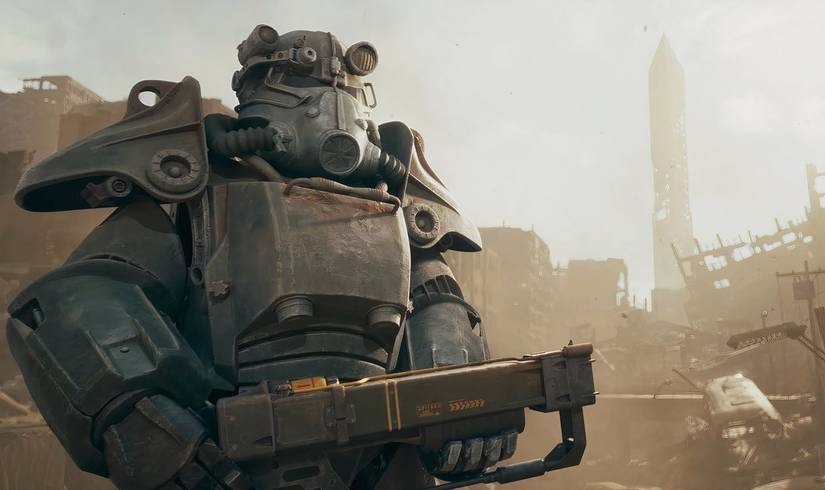
The post-apocalyptic ruins of Washington D.C. have never looked more hauntingly beautiful—or technically sophisticated. While Bethesda Game Studios remains tight-lipped regarding an official return to the 2008 classic, a dedicated developer has taken the mantle of restoration. By leveraging the power of Unreal Engine 5, a new fan project is demonstrating exactly what a modern Fallout 3 remaster could look like, bridging the gap between nostalgic gameplay and cutting-edge visual fidelity.
Main Facts: A New Frontier in Fan Remasters
In a move that has captured the attention of the global gaming community, developer and YouTube creator Julian Uccetta has unveiled a groundbreaking project: a functional port of Fallout 3 running within Unreal Engine 5.7. Unlike traditional "remakes" that rebuild games from the ground up with new assets, Uccetta’s project utilizes a sophisticated, custom-built plugin system. This system allows for the direct importation of Bethesda’s original data-driven architecture into the Unreal environment.
The project is more than a simple visual overhaul. It represents a fundamental shift in how the game handles lighting, shadows, and physical interactions. By migrating the "Gamebryo" engine’s logic into Unreal Engine 5, the developer has managed to maintain the specific "feel" of Fallout 3—including its idiosyncratic physics and object manipulation—while draped in the advanced rendering capabilities of modern hardware.
Key features of this Unreal Engine 5 transition include:

- Global Illumination: Utilizing Unreal’s advanced lighting systems to replace the static, often flat lighting of the 2008 original.
- Faithful Physics: The retention of the "grabbing" mechanic, a staple of Bethesda RPGs, now operating with higher precision within the new engine.
- Asset Preservation: The use of original game assets to ensure the aesthetic remains true to the bleak, "green-tinted" atmosphere of the Capital Wasteland.
- Custom Plugin Architecture: A toolset that potentially allows for other Bethesda titles (excluding Skyrim: LE and Fallout 4) to undergo similar transformations.
Chronology: From the Great War to the Unreal Engine
The journey of Fallout 3 is one of the most storied in gaming history. To understand the significance of this fan-made remaster, one must look at the timeline of the franchise’s evolution.
2008: The Birth of the Capital Wasteland
In October 2008, Bethesda Softworks released Fallout 3, moving the series from its isometric roots into a fully 3D, first-person open world. Built on the Gamebryo engine, it set a new standard for environmental storytelling. Despite its critical acclaim, the engine was often criticized for its "clunkiness" and technical limitations, even at the time of release.
2015–2023: The Age of Modding and Rumors
As the years passed, Fallout 3 became increasingly difficult to run on modern Windows operating systems, often requiring community-made patches just to launch. During this period, rumors of a remaster began to circulate, fueled by Microsoft’s acquisition of ZeniMax Media (Bethesda’s parent company). In 2023, leaked documents from the FTC v. Microsoft legal case explicitly listed a "Fallout 3 Remaster" on a release roadmap, though no official announcement followed.
2024–2026: The Unreal Transition
Following the massive success of the Fallout television series on Amazon Prime, interest in the older titles reached a fever pitch. In early 2026, Julian Uccetta released the first glimpses of the Unreal Engine 5.7 port. This project arrived at a time when the "official" remaster rumors had gone cold, providing fans with a tangible look at the series’ potential future.

Supporting Data: Technical Analysis and Community Reception
The technical achievement of porting a Gamebryo-based game to Unreal Engine 5 cannot be overstated. Bethesda’s proprietary "data-driven architecture" is notoriously complex, relying on .esm and .esp files that dictate everything from NPC schedules to the placement of every tin can in the wasteland.
Technical Synthesis
The plugin developed by Uccetta acts as a translator. It reads the original game data and maps it to Unreal’s systems. This allows for:
- Lumen Integration: Unreal Engine’s real-time global illumination system provides dynamic shadows that react to the game’s day/night cycle in a way the 2008 engine never could.
- Stability Improvements: By moving away from the 32-bit limitations of the original Fallout 3 executable, the Unreal port can theoretically handle more on-screen assets and higher-resolution textures without the frequent "Crash to Desktop" (CTD) issues that plague the original.
Community Sentiment
The reception from the Fallout fanbase has been overwhelmingly positive. On social media and YouTube, users have highlighted the "respectful" nature of the remaster. One commenter noted, "This is the exact remaster I want! Original assets just with a new engine supporting real shadows, lights and effects!"
Another praised the preservation of the game’s unique "jank," specifically the physics system: "I appreciate that one of the first things you showed was grabbing… visually EXACTLY what I remember FO3’s physics looked like." This feedback underscores a critical data point: fans do not necessarily want a "modernized" Fallout that plays like a generic shooter; they want the original experience polished to a 21st-century shine.
Official Responses: The Silence of the Vault
As of mid-2026, Bethesda Softworks and Microsoft have not issued an official statement regarding Julian Uccetta’s project. Historically, Bethesda has maintained a complex relationship with the modding community. While they famously encourage modding through the Creation Kit, they have occasionally issued "Cease and Desist" orders when projects involve porting assets between different game engines or distributing copyrighted materials.
However, the industry landscape is shifting. With the Fallout brand currently at its highest valuation in a decade, many analysts believe Bethesda may be hesitant to shut down high-quality fan projects that keep the community engaged.
In the absence of an official response, the "official" remaster remains a ghost in the machine. While the leaked 2023 roadmap suggested a release was planned, Bethesda’s focus has largely remained on Starfield updates and the ongoing development of The Elder Scrolls VI. This vacuum of official content has given the fan-led Unreal project a status akin to a "community-sanctioned" lighthouse for the franchise.
Implications: The Future of Game Preservation and Development
The success of the Fallout 3 Unreal Engine 5 project has far-reaching implications for both the modding community and the broader gaming industry.

A New Standard for "Remasters"
Uccetta’s work suggests that the future of remasters may not lie in "remaking" assets, but in "re-engining" them. If a single developer can create a plugin that bridges Gamebryo and Unreal, it opens the door for a wave of high-fidelity ports of classic titles like The Elder Scrolls IV: Oblivion or Fallout: New Vegas. This approach preserves the artistic intent of the original creators while removing the technical bottlenecks of aging software.
The Challenge to AAA Studios
Projects like this place a certain amount of pressure on major publishers. When a fan project achieves visual parity with what consumers expect from a $70 retail release, it forces studios to justify their own development timelines and price points. If the "official" Fallout 3 remaster eventually surfaces and offers less visual improvement than Uccetta’s Unreal port, Bethesda may face significant criticism from a tech-savvy audience.
Legal and Ethical Evolution
The project also highlights the ongoing debate over "abandonware" and game preservation. As original hardware and software become obsolete, fan-made ports in modern engines may become the only viable way to play these titles on future platforms. This could eventually lead to a more formalized relationship between IP holders and elite modders—a "prosumer" model where fans are hired to bring their passion projects into the official fold.
Final Outlook
For now, Julian Uccetta’s Fallout 3 in Unreal Engine 5.7 remains a beacon of what is possible. It is a testament to the enduring legacy of the Capital Wasteland and the ingenuity of a community that refuses to let its favorite stories fade into the digital dust. Whether Bethesda eventually releases an official version or allows these fan projects to reach completion, one thing is certain: the journey from Vault 101 is far from over. The wasteland is calling, and thanks to the power of Unreal, it has never looked more invitingly radioactive.