Digital Hauntology and the Virtual Machine: An In-Depth Look at ‘Overbit’
The indie gaming landscape has long been a fertile ground for experimental narratives that challenge the boundaries between the player and the software. From the fourth-wall-breaking antics of Doki Doki Literature Club to the unsettling simulated environments of Hypnospace Outlaw, "meta-games"—titles that acknowledge their existence as software—have carved out a significant niche. The latest entry to command attention in this subgenre is Overbit, a title that blends the frantic energy of WarioWare with the unsettling atmosphere of a digital ghost story.
Recently showcased at the BIG Conference (Bilbao International Games Conference), Overbit presents itself not merely as a game, but as a corrupted relic of the early 2000s computing era. It is a horror-comedy-RPG that utilizes the very architecture of a computer—files, cursors, and the simulated internet—to engage, frustrate, and occasionally terrify the player.
Main Facts: The Architecture of a Hostile Operating System
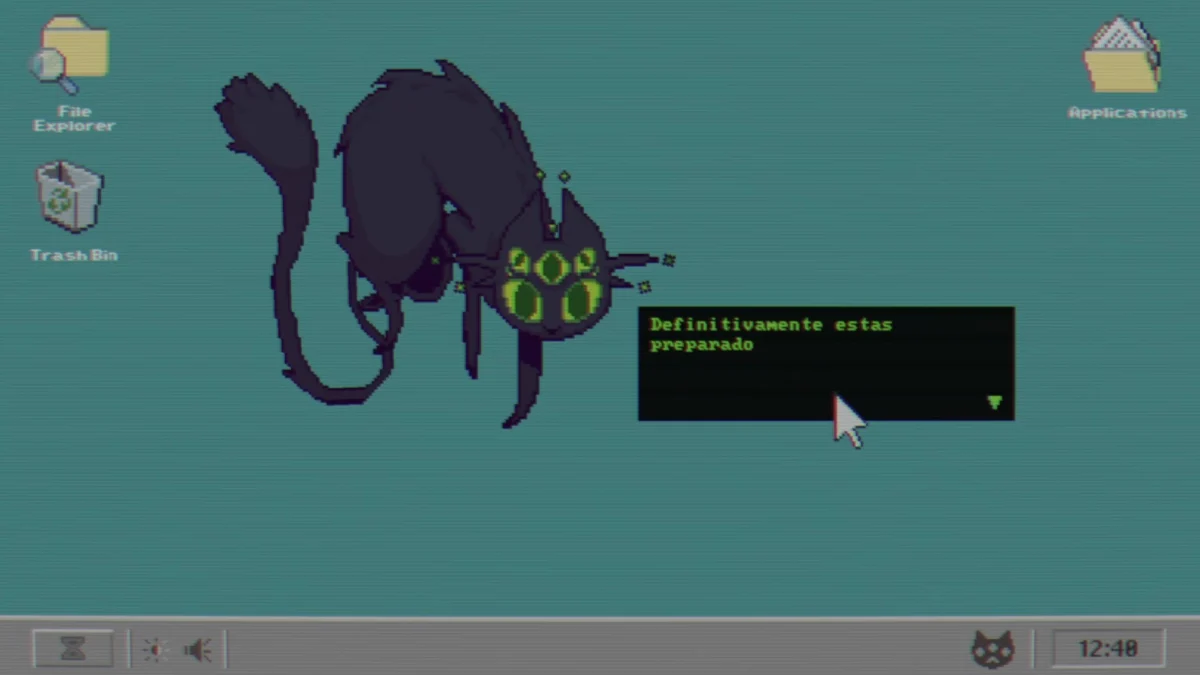
At its core, Overbit is a narrative-driven experience centered around a mysterious virtual machine (VM). Upon "downloading" and booting this simulated OS, the player is thrust into a world that feels both nostalgic and deeply wrong. The game utilizes a 2000s-era aesthetic, complete with the clunky UI, pixelated icons, and the specific color palettes of the Windows XP and early Mac OS eras.
The primary gameplay loop involves "poking around" the directory of this virtual machine. However, this exploration is far from passive. The OS is inhabited by a cast of "quirky creatures" that live within the file structure. While some of these entities are benign or simply trying to survive the gradual decay of their digital home, others have become corrupted.
Interaction with these files often triggers high-stakes, "rage-inducing" minigames. These challenges are designed to be sudden and disorienting, often playing back-to-back with little room for error. The game’s "horror-comedy" label stems from this juxtaposition: the absurdity of dodging giant cat paws or rhythmically clicking through pop-ups, contrasted with the genuine anxiety of a game that seemingly takes control of the player’s hardware.
Key features of Overbit include:
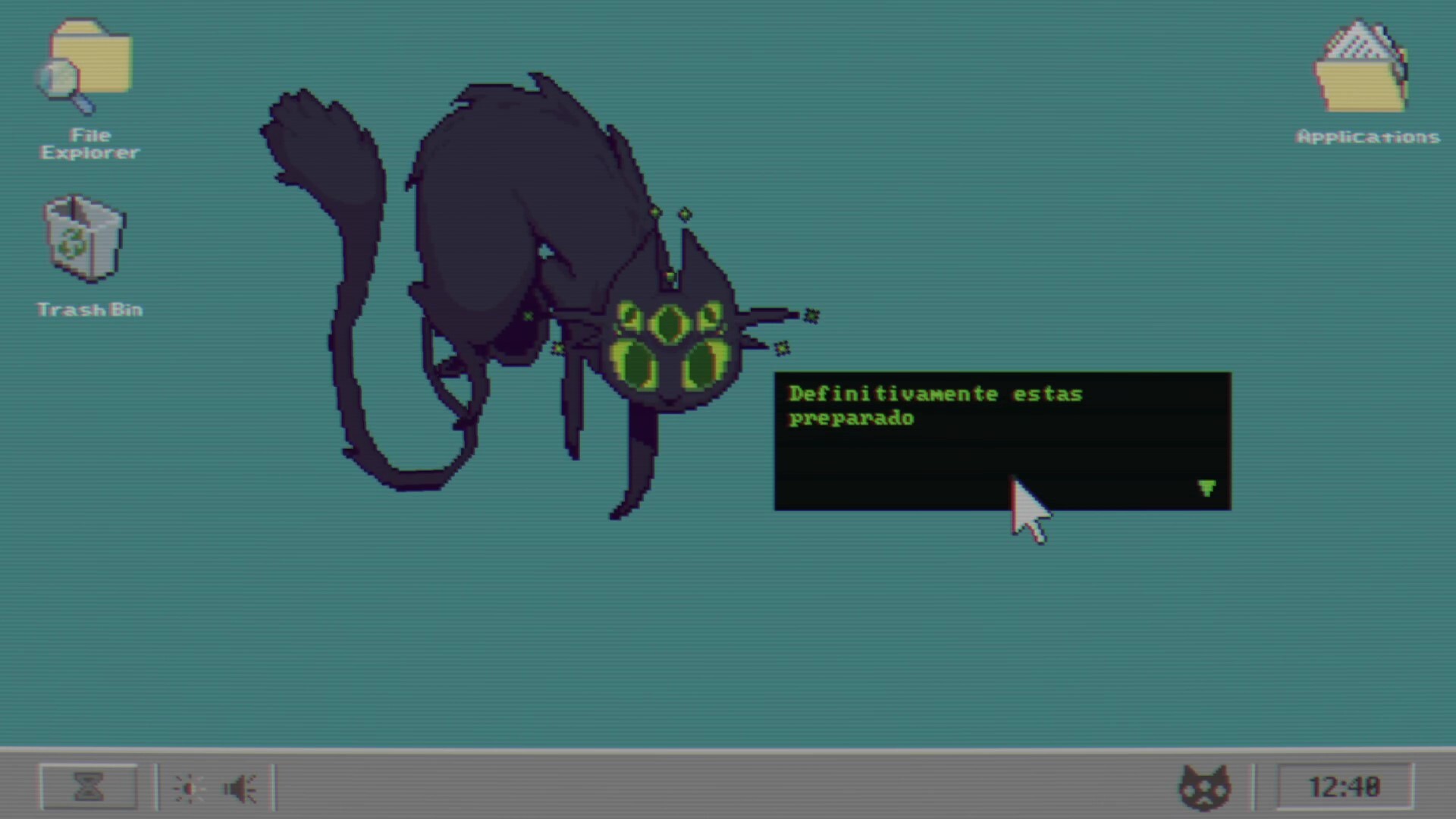
- Meta-Mechanical Interference: The game simulates system errors, launches unsolicited pop-ups, and—most significantly—hijacks the player’s mouse cursor to impede progress.
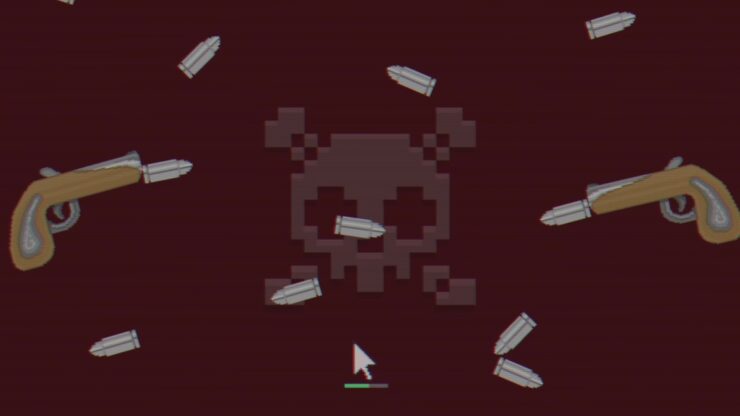
- Genre Fluidity: It transitions seamlessly between an RPG-lite exploration mode and "bullet-hell" style minigames.
- Aesthetic Authenticity: A deep commitment to the "Y2K" aesthetic, capturing the specific anxiety and wonder of the early internet.
- Accessibility Options: Despite its "rage-inducing" reputation, the developers have included variable difficulty settings to ensure the narrative remains reachable for all players.
Chronology: From Boot Sequence to Digital Decay
The experience of Overbit follows a deliberate chronological escalation. The "story" of the game is not told through traditional cutscenes but through the act of digital archaeology.
- The Initial Boot: The player begins by launching the virtual machine. Initially, the environment appears to be a standard, albeit dated, operating system. The first few interactions involve simple file management and meeting the "residents" of the desktop.
- The Discovery of Corruption: As the player digs deeper into the sub-folders and "hidden" directories, the tone shifts. The quirky creatures begin to mention the "falling apart" of their world. The first "attacks" occur here—mini-games triggered by opening what appeared to be harmless data files.
- The Escalation of Hostility: Mid-game, the "hostile OS" elements become more frequent. This is where the WarioWare comparisons are most apt. The player might be trying to read a piece of lore when the mouse is suddenly pulled away by an invisible force, or a barrage of "Error" windows begins to cascade across the screen, requiring rapid-fire clicking to clear.
- The Narrative Unfolding: Through the successful completion of these challenges, the player pieces together the origin of the virtual machine. The chronology of the VM’s creation—and the subsequent tragedy that led to its current corrupted state—serves as the driving force behind the player’s progression.
- The "Point of No Return": In classic meta-horror fashion, the game eventually reaches a state where it "refuses to let the player leave," trapping them within the simulated environment for the final narrative climax.
Supporting Data: The Rise of the "Interface Horror" Subgenre
Overbit does not exist in a vacuum; it is part of a growing trend of "Interface Horror" or "OS Simulators." To understand its potential impact, one must look at the data and trends surrounding similar titles.
According to industry analysts, the "Nostalgia Tech" aesthetic (spanning the late 90s to mid-2000s) has seen a 40% increase in tag usage on platforms like Steam over the last three years. This aesthetic, often referred to as "Frutiger Aero" or "Y2K Core," resonates deeply with both Gen Z (who view it as an "aesthetic") and Millennials (who view it as a formative memory).
Furthermore, the "Meta" tag on Steam has seen a significant surge in player engagement. Titles like Inscryption and KinitoPET have demonstrated that players are increasingly interested in games that "break the container" of the monitor. KinitoPET, specifically, which also features a simulated desktop assistant that "malfunctions," became a viral sensation in early 2024, proving that there is a massive market for games that simulate a desktop environment to deliver scares.
During the BIG Conference, observers noted that Overbit stood out due to its mechanical variety. While many OS simulators rely heavily on reading text, Overbit’s reliance on "super frustrating" but mechanically tight minigames provides a higher level of active engagement. The inclusion of difficulty toggles is a data-driven response to the "Souls-like" difficulty curve often found in indie games, which can sometimes alienate players who are more interested in the narrative than the mechanical challenge.
Official Responses and Developer Philosophy
While the developers of Overbit have kept much of the late-game content under wraps to preserve the "surprise" element, their presentation at the BIG Conference highlighted several core philosophies.
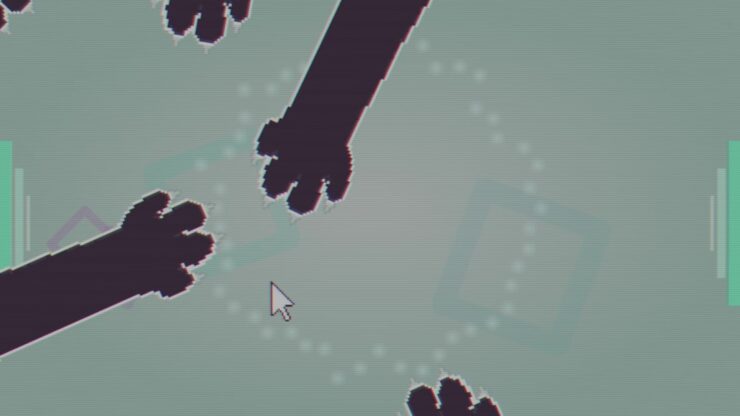
The primary goal was to create a game that felt "alive" and "reactive." The developer’s intent behind the mouse hijacking and the pop-up errors was not merely to frustrate, but to create a sense of "digital presence"—the idea that the computer is a character in its own right.
In response to questions regarding the game’s difficulty, the development team emphasized that the "rage-inducing" nature of the minigames is a thematic choice. It is meant to mirror the frustration of dealing with a dying, buggy computer. However, they officially stated that "accessibility is a must." By providing different difficulty levels, they aim to balance the "hardcore" challenge of bullet-hell segments with the desire to tell a cohesive, "captivating" story about the creatures living within the files.
The comparison to WarioWare was also acknowledged by the team. They aimed to capture that "micro-game" energy where the player must understand a new set of rules in seconds. This rapid-fire cognitive load is intended to keep the player in a state of high alert, making the eventual horror beats more effective.
Implications: The Future of Meta-Narrative Gaming
The emergence of Overbit carries several implications for the future of indie development and digital storytelling.
1. The Computer as a Haunted House
Overbit reinforces the shift in horror settings from physical locations (haunted mansions, abandoned hospitals) to digital spaces. In an era where most of our lives are spent behind screens, the "corrupted file" or the "malfunctioning OS" becomes a more relatable and immediate source of anxiety than traditional monsters. This suggests a future where "Cyber-Horror" becomes a dominant subgenre.
2. The Gamification of UI
By turning system errors and cursor movements into gameplay mechanics, Overbit challenges the traditional UI/UX design philosophy. Usually, a UI is meant to be invisible and seamless. Overbit makes the UI the antagonist. This "hostile design" creates a unique form of immersion that could be utilized in non-horror contexts, such as educational games about cybersecurity or digital literacy.
3. The "Wishlist" Economy and Indie Visibility
The strategy of showcasing Overbit at major conferences like BIG and leveraging the reach of indie journalists like Jupiter Hadley is crucial in the current "Discovery Crisis" on Steam. The game’s reliance on a strong, recognizable aesthetic (the 2000s PC) makes it highly "GIF-able" and shareable on social media, which is often the primary driver for "Wishlist" growth in the modern market.
4. Psychological Engagement through Frustration
Overbit explores the thin line between "good" frustration (which leads to a sense of accomplishment) and "bad" frustration (which leads to a "rage-quit"). By successfully navigating this balance, the game explores the psychology of persistence. The implication for developers is that "frustration" can be a narrative tool if handled with the right level of polish and accessibility.
In conclusion, Overbit is more than a simple collection of minigames. It is a sophisticated exploration of our relationship with technology, nostalgia, and the "ghosts" we leave behind in our digital footprints. As it continues its development toward a full release on Steam, it stands as a testament to the creative potential of the meta-game genre—reminding us that sometimes, the most terrifying things are the ones already living inside our computers.