The Bucketverse: Inside KFC’s Global Strategic Pivot and the Visual Rebirth of a Fast-Food Icon
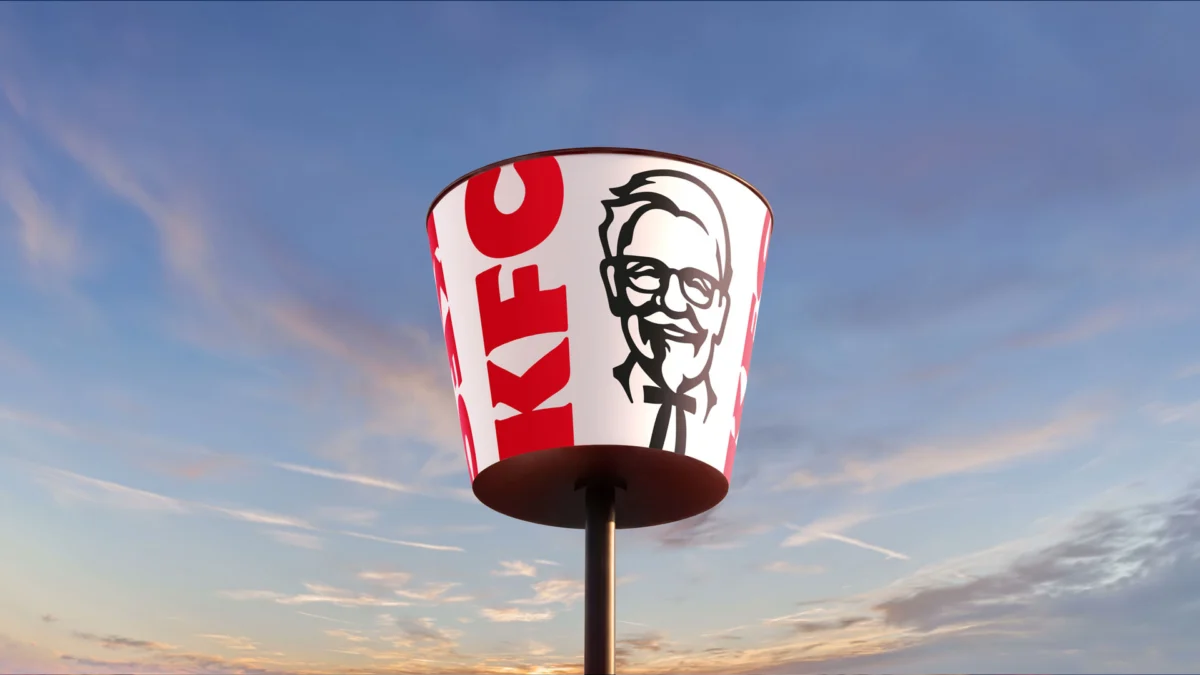
LONDON — In an era where fast-food competition is no longer fought merely on the merit of secret recipes but through the lens of digital "ecosystems" and lifestyle branding, Kentucky Fried Chicken (KFC) has fired a significant salvo. The poultry giant, in collaboration with the renowned branding agency Jones Knowles Ritchie (JKR), has unveiled a comprehensive global rebrand dubbed the “Bucketverse.”
This initiative represents more than a cosmetic facelift; it is a fundamental restructuring of the brand’s visual shorthand, digital architecture, and physical footprint. As KFC prepares for its "next chapter," the company is doubling down on its most recognizable asset—the bucket—transforming it from a mere vessel for fried chicken into a 360-degree framing device for the modern consumer experience.
Main Facts: A 360-Degree Brand Evolution
The "Bucketverse" rebrand is a sweeping overhaul that touches every facet of the KFC experience. Developed alongside JKR—the agency famously responsible for the celebrated retro-modernization of Burger King—the new identity seeks to balance the heritage of Colonel Harland Sanders with the demands of a digital-first, global marketplace.
The Visual Identity System
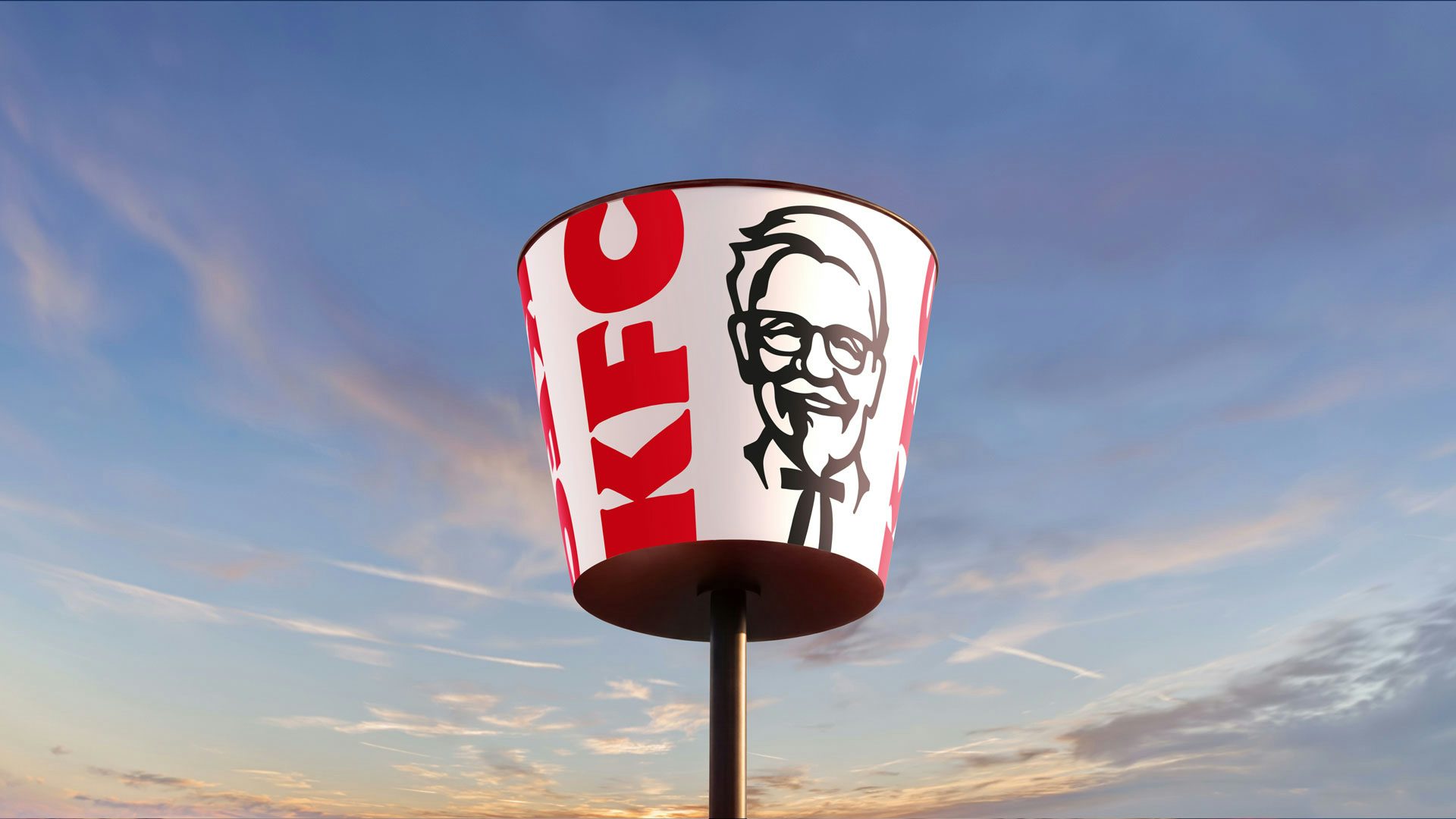
At the heart of the rebrand is a refreshed logo and a more expressive Colonel Sanders. While the previous iterations of the logo favored a flat, minimalist aesthetic that aligned with mid-2010s design trends, the 2026 update introduces more depth and dynamism. The squared-off edges of the past have been softened, and the lettermark has been refined for better legibility across various resolutions.
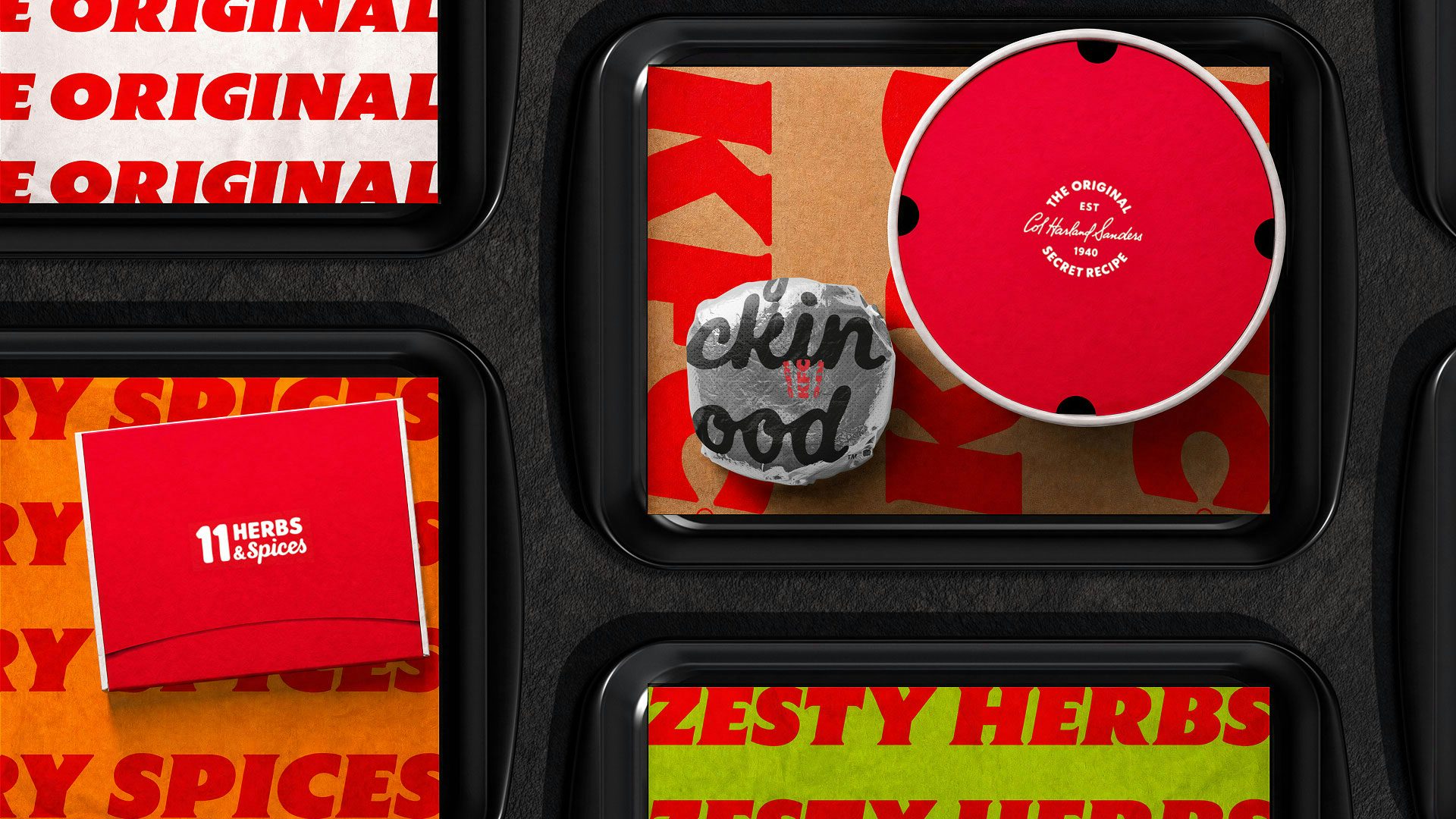
Furthermore, the brand has introduced a secondary color palette titled "Herbs and Spices." While the iconic red, white, and black remain the primary pillars, this new palette adds earthy tones and vibrant accents designed to provide flexibility in digital environments and localized marketing.
The "Bucket" as a Strategic Anchor
Perhaps the most significant shift is the elevated role of the KFC bucket. JKR has reimagined the bucket as a "framing system." In advertising, the silhouette of the bucket will now serve as a window into the brand’s world, used to crop photography, house illustrations, and anchor digital interfaces. By turning a physical object into a graphic device, KFC aims to create a "visual thread" that connects a billboard in London to a mobile app in Dubai.
Global Rollout and Product Integration
The rebrand is not limited to aesthetics. It coincides with a significant menu innovation strategy. KFC is introducing a new range of boneless chicken products and a global suite of signature sauces. Additionally, the company is launching "Kwench by KFC," an expanded beverage platform designed to compete in the high-growth flavored drink and refreshment category.
Chronology: From Roadside Stand to the "Bucketverse"
To understand the weight of this rebrand, one must look at the trajectory of KFC’s visual history, which spans nearly a century.

- 1930s–1950s: The Foundation. Harland Sanders begins serving chicken at a gas station in North Corbin, Kentucky. The brand identity is inseparable from the man himself.
- 1952: The first official KFC franchise opens in Utah. The "Colonel" becomes the face of the brand, and the first iteration of the logo features his hand-drawn likeness.
- 1957: The iconic paper bucket is introduced by Pete Harman, a franchise pioneer. It quickly becomes the industry standard for family-sized meals.
- 1991: The brand officially shortens its name from "Kentucky Fried Chicken" to "KFC." This move was strategically intended to distance the brand from the word "fried" during a period of increased health consciousness.
- 2014–2018: KFC undergoes several "back-to-basics" campaigns, reintroducing the Colonel in various comedic personas (played by actors like Norm Macdonald and Jim Gaffigan) and simplifying the logo to a flat, red-and-white striped "apron" design.
- 2024–2025: Internal development begins on a "Masterbrand" strategy to unify the disparate visual identities used by different international markets.
- June 2026: The "Bucketverse" is officially unveiled. The rollout begins in the United Kingdom and Ireland, with Australia, the United States, and Asian markets scheduled for transition throughout the remainder of 2026.
Supporting Data: Design Details and Market Context
The "Bucketverse" is a data-driven response to the "Chicken Wars"—the hyper-competitive market segment where KFC, Popeyes, Chick-fil-A, and Wingstop vie for dominance. According to industry analysts, the modern fast-food consumer prioritizes "experience" and "brand personality" alongside food quality.
Bespoke Typography and Illustration
A key component of the new system is the introduction of bespoke typefaces. In the past, KFC markets often used varying fonts, leading to a fragmented brand image. The new, unified typography is designed to be "unmistakably KFC"—bold, slightly idiosyncratic, and optimized for mobile screens.
JKR has also introduced a new photography style that emphasizes "food cravings" through high-contrast lighting and tight, macro shots of the product. This is supplemented by a new illustration library that allows the brand to communicate in a more playful, less corporate tone, particularly on social media platforms like TikTok and Instagram.
The "Next-Gen" Restaurant
Physical infrastructure is receiving a parallel update. "Next-gen" restaurant concepts are currently being piloted in Texas and Dubai. These locations move away from the traditional "utility" feel of fast food, instead offering "immersive dining environments."

- Digital Canvases: Menu boards are being treated as "brand canvases" rather than static lists. They feature motion graphics that react to the time of day and weather.
- Immersive Lighting: The use of red neon and "Herbs and Spices" ambient lighting creates a moodier, more premium feel intended to encourage longer dwell times and "Instagrammable" moments.
Official Responses: The Creative Philosophy
The leadership at both KFC and JKR have emphasized that this rebrand is an evolution of heritage rather than a rejection of it.
Sean Thomas, the Global Executive Creative Director at JKR, explained the rationale behind the "Bucketverse" concept:
"KFC has always believed in doing things differently, with a passion and originality that created a category and made it unmistakable. Our role was to help it evolve for the next chapter, in a way that only KFC could. Where to start? By building a world and experience that consumers could step into. We call it the Bucketverse."
Thomas further noted that the "360 evolution" ensures that every touchpoint—from the greaseproof paper in the basket to the tone of voice in a customer service tweet—feels connected. "More expressive, more connected, more KFC," he added.

KFC’s internal marketing team has also clarified a major shift in the use of their most famous asset: the slogan "Finger Lickin’ Good." Moving forward, the company will treat the phrase not just as a tagline, but as a "behavioral principle." This means the concept of "Finger Lickin’ Good" will dictate customer service training, the ergonomics of packaging, and the quality of the digital interface. The goal is to ensure the "satisfaction" implied by the slogan is felt at every stage of the customer journey, not just during the meal.
Implications: The Future of Heritage Brands in a Digital Age
The launch of the "Bucketverse" carries significant implications for the fast-food industry and the broader world of corporate branding.
1. The Death of Flat Design
For the last decade, "debranding" or "flat design" dominated the landscape, with companies stripping away shadows, gradients, and personality in favor of hyper-minimalism. KFC’s move toward a more textured, expressive, and "maximalist" system suggests that the pendulum is swinging back. Brands are realizing that in a crowded digital feed, minimalism can often lead to invisibility.
2. Lifestyle Integration
By launching a range of customized apparel—including the already-viral bucket hat—KFC is following a trend set by brands like McDonald’s and Taco Bell. They are attempting to move from being a "food provider" to a "lifestyle brand." This strategy is particularly effective with Gen Z and Gen Alpha consumers, who view brand loyalty as a form of self-expression.
3. Global Consistency vs. Local Relevance
The "Bucketverse" provides a modular framework that allows for global consistency while leaving room for local flavor. The "Herbs and Spices" palette and the flexible framing system allow a franchise in Japan to maintain the core KFC identity while utilizing imagery and promotions that resonate with local cultural nuances.
4. Operational Challenges
The success of the "Bucketverse" will ultimately depend on its execution at the store level. While a high-concept rebrand looks impressive in a JKR case study, the challenge for KFC lies in its massive franchise network. Updating thousands of restaurants, training tens of thousands of staff on "behavioral principles," and rolling out new digital screens across diverse economies is a gargantuan task.
Conclusion
KFC’s "Bucketverse" is a bold bet on the power of nostalgia fused with modern technology. By centering the entire brand around the bucket—a symbol of communal eating and comfort—KFC is attempting to reclaim its status as the definitive leader in the chicken category. As the rollout continues through 2026, the industry will be watching closely to see if this "next chapter" results in the "Finger Lickin’ Good" growth the company anticipates.