The Relapse of Rick Sanchez: Examining the Narrative Stagnation and Character Depth in Rick and Morty Season 9

The landscape of adult animation has rarely seen a character as complex, polarizing, or enduring as Rick Sanchez. As Rick and Morty enters its ninth season, the series continues to grapple with the fundamental question that has haunted its protagonist since 2013: Can a man with the power of a god ever truly overcome his own humanity? In Season 9, Episode 4, titled “A Ricker Runs Through It,” the writers deliver a visceral, sobering reminder that while Rick has conquered multiversal threats and avenged his family’s murder, his greatest enemy remains the bottle.
Main Facts: A Return to the Flask
Season 9, Episode 4 marks a significant narrative pivot for the long-running Adult Swim series. Following a period of relative stability and emotional growth—most notably after the resolution of the Rick Prime arc in Season 7—the show has recently leaned into a "New Rick" persona. This iteration of the character is more self-aware, attends therapy, and shows a burgeoning, albeit grumpy, respect for his grandson, Morty.

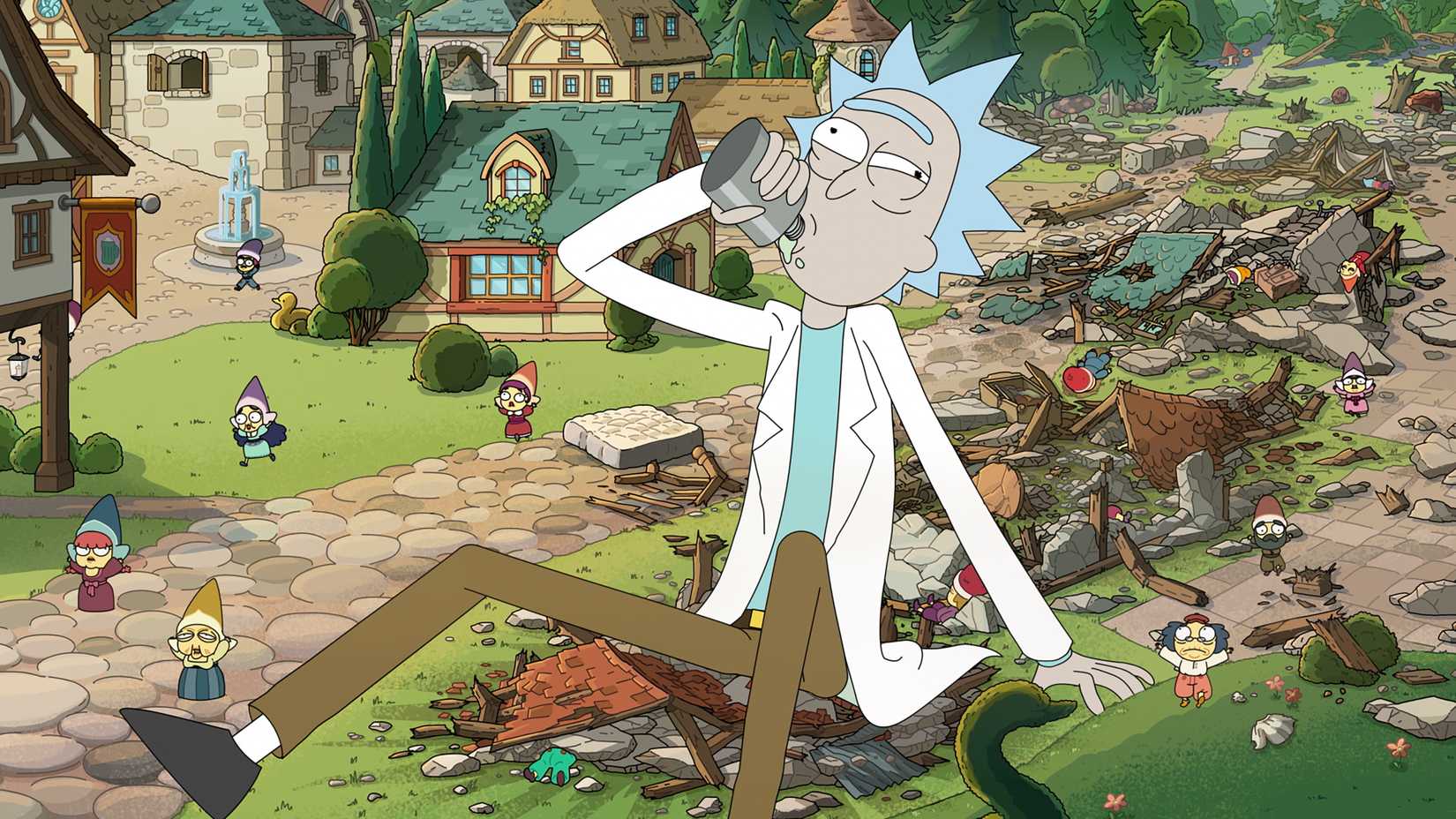
However, “A Ricker Runs Through It” disrupts this trajectory. The episode opens not with a high-concept sci-fi premise, but with a grounded and uncomfortable depiction of acute alcoholism. Rick is shown returning home in a state of total intoxication, losing control of his bodily functions, and ultimately locking himself out of his own sophisticated security systems.
The plot centers on the introduction of "Reese," a character Morty believes to be a long-time family friend and fishing buddy. The devastating reveal—that Reese is actually a sentient, biological fail-safe designed to grant Rick access to his accounts during drunken blackouts—serves as the episode’s emotional anchor. It highlights a dark truth: Rick’s "improvement" has not cured his addiction; it has merely forced him to build more elaborate infrastructures to manage it.
Chronology: The Evolution of an Anti-Hero
To understand the impact of Episode 4, one must look at the decade-long evolution of the series.

- The Shock-Value Era (Seasons 1–2): In its infancy, Rick and Morty relied heavily on the "mean-spirited genius" trope. Rick’s alcoholism was often used as a comedic device—a source of burps, erratic behavior, and "edgy" nihilism. The show mocked sensitivity and prioritized high-concept parodies over emotional continuity.
- The Serialization Shift (Seasons 3–5): The series began to explore the consequences of Rick’s behavior. Episodes like "Pickle Rick" (the therapy monologue) and "The Old Man and the Seat" suggested that Rick’s cynicism was a defense mechanism against profound loneliness and a sense of inadequacy.
- The Reconstruction (Seasons 6–8): Following the departure of co-creator Justin Roiland and a shift in the writing staff, the show moved toward a "soberer" tone. Rick Prime, the ultimate antagonist, was defeated, and Rick began to actively participate in the Smith family dynamic. Fans and critics alike noted that the "edge" of the early seasons had been replaced by a more mature, character-driven drama.
- The Season 9 Relapse: “A Ricker Runs Through It” acts as a corrective to the notion that character growth is a linear, permanent process. By reintroducing Rick’s alcoholism in its most pathetic and destructive form, the show honors the reality of addiction—a cycle of recovery and relapse.
Supporting Data: The Science and Psychology of Rick’s Vice
The episode doesn’t just portray drinking; it attempts to diagnose it within the show’s internal logic. During a confrontation with Morty, Rick defends his behavior by citing a "genetic illness." This isn’t merely an excuse; the show provides supporting data through the character of Beth Smith.
Beth’s reliance on wine has been a recurring subplot since Season 1. By linking Rick’s struggle to Beth’s, and potentially Morty’s future, the writers frame alcoholism as the "true" Smith family legacy—more so than portal travel or scientific genius. This thematic thread is supported by the absurdist but dark revelation of "Hog Planet." Rather than seeking treatment, Rick has terraformed an entire world of porcine creatures that produce a steady stream of vodka. This suggests that Rick’s resources are so vast that they actually enable his self-destruction, making his recovery more difficult than that of an average human.
From a production standpoint, the decision to maintain Rick’s flaws is a strategic one. According to viewership data and critical analysis from previous seasons, episodes that feature "Perfect Rick" often suffer from a lack of tension. Conflict is the engine of storytelling; if Rick is no longer a danger to himself or his family, the stakes of their adventures diminish.
Official Responses: The Creative Philosophy
While official press releases from Adult Swim remain focused on the show’s renewal through Season 12, showrunner Dan Harmon has frequently discussed the "Harmon Circle" or "Story Circle" in relation to character development. The philosophy suggests that characters must go out of their comfort zone, adapt, and return—but they are only changed in a small, incremental way.
Writing for ScreenRant, Cathal Gunning notes that the show’s decision to drop the "self-improvement" gag in Episode 4 was a "bracing reminder" of the character’s core identity. The creative team appears to be signaling that while the genre of the show can change—from space opera to domestic comedy to psychological thriller—the nature of the protagonist is fixed.
Critics have pointed out that this episode serves as a response to fans who missed the "early-season edge." By grounding the darkness in a real-world struggle like addiction rather than just "random" cruelty, the writers have found a way to maintain the show’s grit without sacrificing the narrative maturity they have built over the last three years.

Implications: The Longevity of Conflict
The implications of “A Ricker Runs Through It” are twofold: they affect the internal world of the Smith family and the external future of the franchise.
1. The Erosion of the Rick-Morty Partnership
For several seasons, the "partnership of equals" was the goal. However, this episode proves that Morty is still, and perhaps always will be, a victim of Rick’s choices. The psychological trauma of discovering that a "friend" like Reese was merely a biological password key suggests that Morty’s journey toward independence is far from over. If Rick cannot be trusted to stay sober, Morty cannot be trusted to stay by his side.
2. Avoiding the "Flanderization" Trap
Many long-running animated series fall into "Flanderization," where characters become caricatures of their most popular traits. By allowing Rick to fail—and fail miserably—the writers avoid turning him into a "Generic Wise Mentor." They acknowledge that his genius does not grant him immunity from the human condition.

3. The Path to Season 12
With Rick and Morty confirmed for at least three more seasons, the show must find ways to keep the central dynamic fresh. The "addiction arc" provides a sustainable source of drama. It allows for "monster-of-the-week" episodes (like the furniture-murder plot in the same episode) to coexist with a heavy, overarching character study.
In conclusion, “A Ricker Runs Through It” is a masterclass in balancing the absurd with the agonizing. It suggests that the most dangerous thing Rick Sanchez ever invented wasn’t the portal gun or the microverse battery; it was the series of excuses he uses to keep from looking in the mirror. As Season 9 progresses, the question is no longer whether Rick can save the universe, but whether he can survive the silence of his own garage when the flask runs dry. The edge is back, but this time, it’s pointed inward.