Gnaughty Gnomes: Redefining the Local Multiplayer Chaos Through Strategic Card Drafting
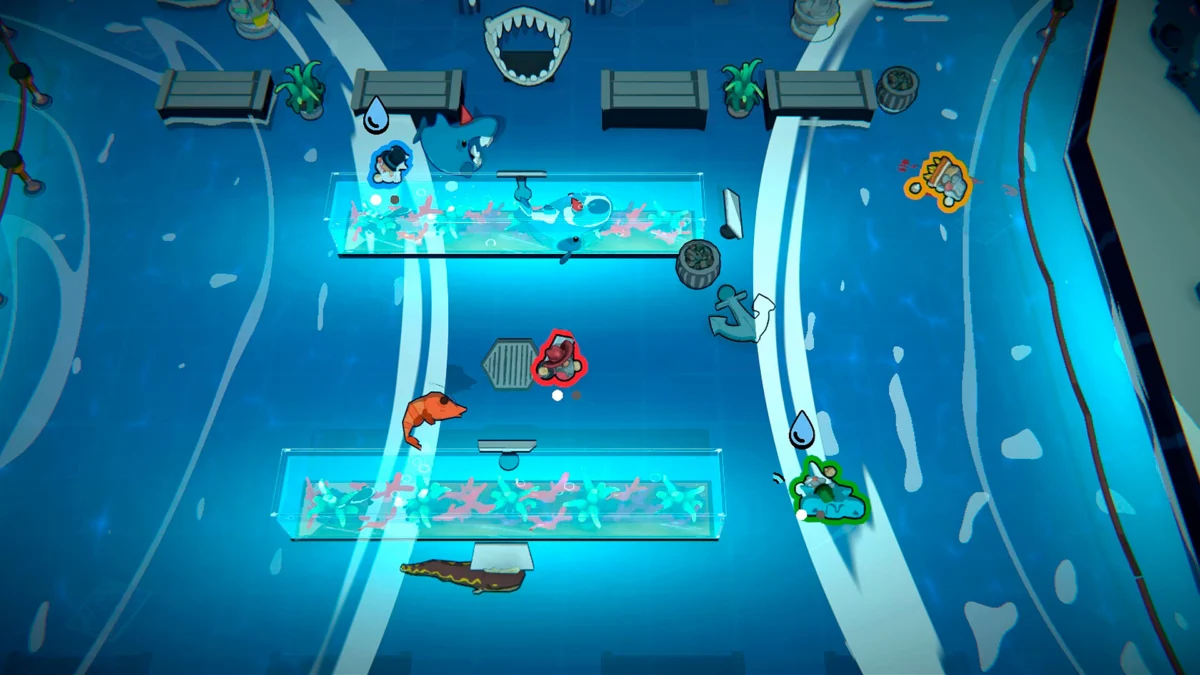
The landscape of local multiplayer gaming has undergone a significant transformation over the last decade. From the physics-based hilarity of Gang Beasts to the frantic cooperation of Overcooked, the "couch play" genre has evolved from simple competitive brawlers into complex, multi-layered experiences. Entering this vibrant arena is Gnaughty Gnomes, a party game that distinguishes itself by blending traditional arena combat with a sophisticated, game-altering card drafting system. Recently showcased at the BIG Conference (Bilbao Games Conference) and now available on Steam, the title represents a polished synthesis of chaotic action and tactical foresight.
Main Facts: A New Contender in the Party Game Arena
At its core, Gnaughty Gnomes is a local multiplayer brawler designed for one to four players. While the premise—being the last gnome standing—might seem familiar to fans of the genre, the execution relies on a unique synergy between real-time environmental interaction and turn-based character progression.
The Core Gameplay Loop
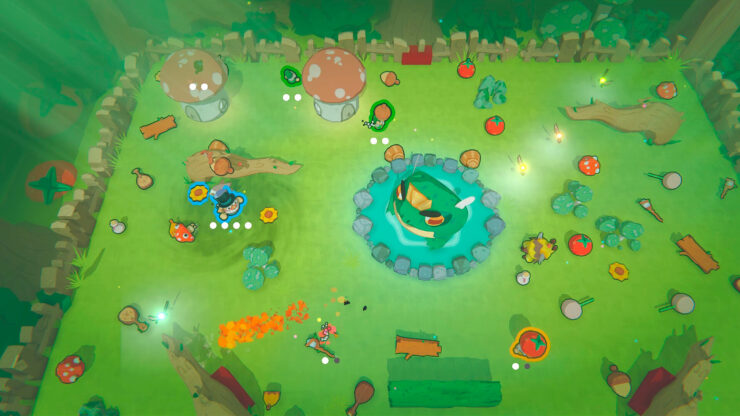
Players find themselves thrust into a variety of meticulously designed environments, ranging from dense forest clearings to hazardous ponds dominated by giant, predatory frogs. The objective is survival, achieved through a combination of environmental mastery and combat prowess. Players can:
- Interact with the Environment: Throwing objects, triggering fires, and navigating terrain-specific hazards.
- Combat Mechanics: Picking up various weapons and utilizing character-specific movements to outmaneuver opponents.
- Avoid External Threats: Each level features unique "third-party" hazards, such as frog tongues that can snatch an unwary gnome from the field of play.
The Card System: A Tactical Layer
What truly separates Gnaughty Gnomes from its peers is the inclusion of over 150 unique cards. Between rounds, the game transitions from high-speed action to a strategic drafting phase. This phase allows players to select upgrades that persist until the end of the match. These cards range from simple stat boosts to "meta-cards" that alter the rules of the next drafting phase itself.
Diverse Game Modes
Recognizing that the "brawler" format may not suit every social gathering, the developers have included several distinct modes:
- Free-for-All Battle: The classic survival experience.
- Team Battle: Encouraging cooperative strategy within the chaotic framework.
- Prop Hunt: A non-combative mode where the focus shifts from aggression to stealth and environmental camouflage.
Chronology: From Concept to the BIG Conference and Steam Launch
The development of Gnaughty Gnomes follows a trajectory typical of high-quality indie titles, characterized by iterative design and community feedback.
Initial Development and Design Philosophy
The project began with the goal of solving a common problem in party games: the "snowball effect." In many competitive games, the player who wins the first round gains an advantage that makes them unstoppable. The developers of Gnaughty Gnomes sought to invert this by implementing a "comeback mechanic" within their card drafting system, ensuring that the player in last place always gets the first pick of the new upgrades.
The BIG Conference Showcase
A pivotal moment in the game’s timeline was its presentation at the BIG Conference (Bilbao Games Conference). This event serves as a major hub for European indie developers to showcase their work to industry professionals and the public. During the conference, Gnaughty Gnomes was praised for its "polished" feel—a term often elusive in the world of indie party games. Attendees noted the surprising depth of the card interactions, particularly how certain cards influenced the game not just in the immediate round, but in the subsequent drafting phases.
Official Release
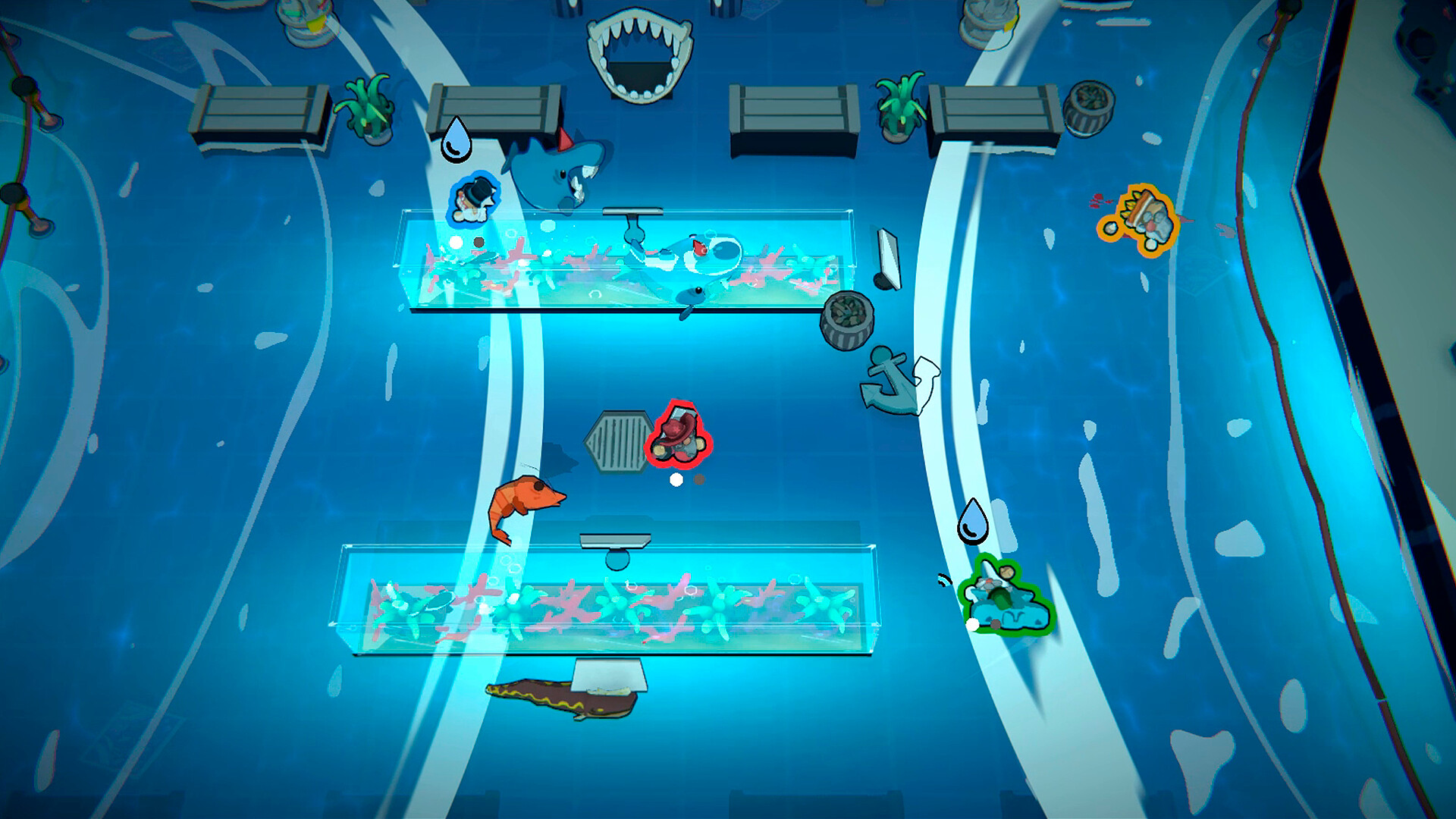
Following the positive reception at trade shows and the refinement of its 150+ card deck, Gnaughty Gnomes officially launched on Steam. The transition to a full release saw the inclusion of extensive customization options, allowing players to personalize their gnomes, thereby increasing the "cuteness" factor that contrasts sharply with the game’s inherent mechanical chaos.
Supporting Data: The Mechanics of Chaos
To understand the depth of Gnaughty Gnomes, one must look at the quantitative and qualitative data regarding its card system and level design.
The Anatomy of the 150-Card Deck
The game’s longevity is tied directly to its deck of over 150 cards. These are categorized by rarity and function:
- Stat Enhancers: Increasing speed, throw distance, or fire resistance.
- Item Spawners: Granting players specific weapons at the start of a round.
- Environmental Modifiers: Changing how the stage hazards behave.
- Drafting Manipulators: Cards that allow a player to "steal" a future pick or see hidden cards in the next draft.
The "stacking" mechanic is particularly noteworthy. Because upgrades persist throughout the entire game, players can create "builds." A player might focus entirely on speed and fire-starting, turning the arena into a scorched-earth zone that they alone can navigate quickly.
Level-Specific Hazards and Interactive Elements
The game features a wide array of maps, each requiring a different tactical approach. For instance:
- The Frog Pond: Players must manage the threat of other gnomes while staying out of the "tongue-zone" of a central giant frog.
- The Forest: Focuses on verticality and the use of throwable organic matter.
- Fire Mechanics: Fire in Gnaughty Gnomes is dynamic. It can be triggered by certain cards or environmental triggers and spreads realistically, forcing players to constantly reposition.
Official Responses: Developer Insights and Critic Perspectives
While the developers have remained focused on the iterative improvement of the game, their design choices speak volumes about their philosophy of "fair chaos."
Addressing the Balance Challenge
In interviews and developer logs, the team behind Gnaughty Gnomes has emphasized the importance of balance in a game governed by RNG (Random Number Generation). By allowing the player in last place to pick first, the developers have created a self-correcting ecosystem. This "catch-up" logic ensures that even if a player is struggling with the mechanical controls, they can compensate through strategic card selection.
Critical Reception
Industry experts, including prolific indie journalist Jupiter Hadley, have highlighted the game’s unique "feel." Hadley noted that despite the abundance of local multiplayer titles on the market, Gnaughty Gnomes feels "unique and fun" due to its depth. "I was surprised that some cards didn’t even matter until the round AFTER they were picked, as they affected the next lot of picking," Hadley remarked, pointing to the game’s sophisticated "meta-game" that exists outside of the actual combat.
The consensus among early players and critics is that the game achieves a rare balance: it is accessible enough for all ages (as evidenced by its "cute" aesthetic and intuitive controls) but deep enough for competitive players who want to master the synergies of the 150-card deck.
Implications: The Future of "Smart" Party Games
The success and design of Gnaughty Gnomes have broader implications for the indie gaming industry and the local multiplayer genre.
The Convergence of Genres
Gnaughty Gnomes is part of a growing trend where "party games" are no longer synonymous with "simple games." By integrating deck-building and drafting mechanics—genres typically associated with high-level strategy and slow-paced play—into a frantic brawler, the developers have proven that there is a market for "smart" chaos. This convergence suggests that future indie titles may continue to borrow "crunchy" mechanics from hardcore genres to add replayability to social games.
The Resilience of Local Multiplayer
In an era dominated by online matchmaking and "Games as a Service" (GaaS), Gnaughty Gnomes reaffirms the value of the local multiplayer experience. The game’s design encourages physical proximity—the shouting, the immediate reactions to a lucky card draw, and the shared laughter of a sudden frog-tongue elimination. Its presence on Steam, with support for various controller configurations, suggests a continued demand for games that facilitate "couch co-op" and competitive social gatherings.
Accessibility as a Design Pillar
The inclusion of a "Prop Hunt" mode and extensive customization options demonstrates a commitment to broad-spectrum accessibility. By providing modes that do not require combat, the game opens itself up to players who may find traditional brawlers too stressful or mechanically demanding. This "modular" approach to game design—where the same assets and world are used for vastly different gameplay experiences—is likely to become a standard for indie developers looking to maximize their reach.
Conclusion
Gnaughty Gnomes stands as a testament to the creative potential of the indie scene. By taking the established tropes of the party brawler and infusing them with a sophisticated, strategic card-drafting system, the developers have created an experience that is simultaneously chaotic and calculated. Whether it is being played at a major conference like BIG or in a living room among friends, the game offers a polished, frantic, and ultimately rewarding experience. As it continues to find its audience on Steam, Gnaughty Gnomes serves as a reminder that with enough polish and a few "gnaughty" ideas, the local multiplayer genre still has plenty of room to grow.