Strategic Pivot: Paramount Navigates Awards Eligibility and Fan Backlash for ‘Avatar Aang: The Last Airbender’
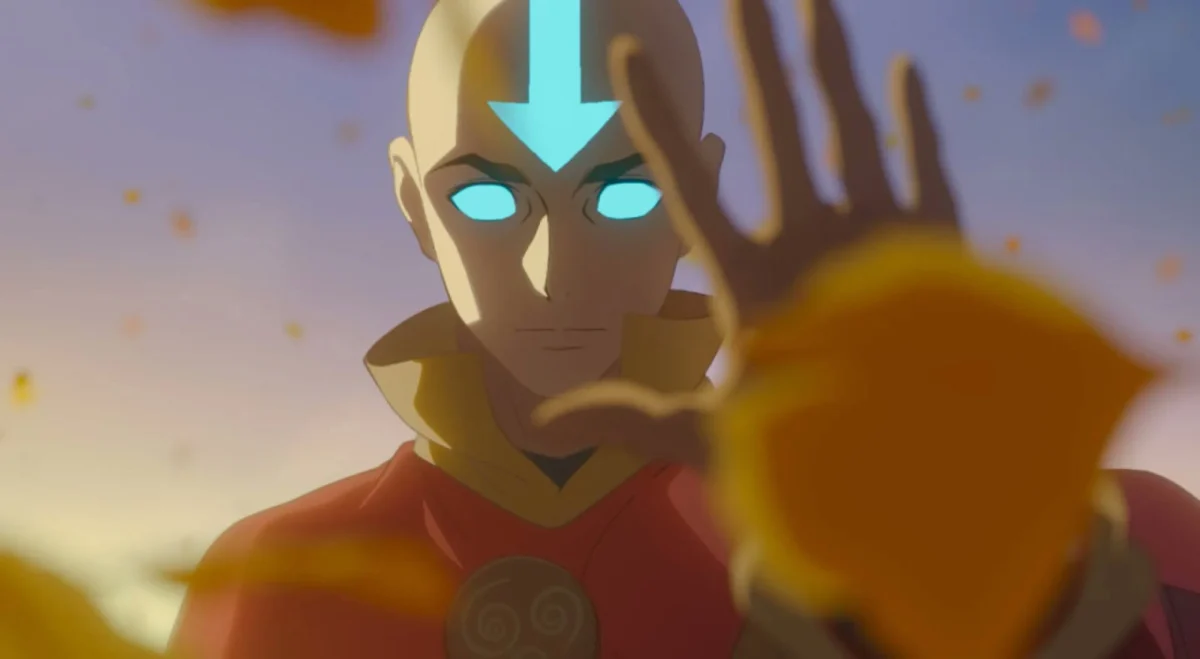
In a move that highlights the increasingly complex relationship between streaming platforms and traditional cinematic distribution, Paramount has announced a strategic "course correction" regarding the release of its highly anticipated animated feature, Avatar Aang: The Last Airbender. After initially pivoting the project from a wide theatrical release to a Paramount+ streaming exclusive, the studio has now confirmed a strictly limited, one-week theatrical run in select markets.
This decision, reported by industry insiders and confirmed via various trade outlets, is not merely a concession to a vocal fanbase but a calculated maneuver aimed at the 2027 awards circuit. The film, which serves as a direct sequel to the iconic Nickelodeon series, has been mired in a whirlwind of scheduling shifts, security breaches, and marketing adjustments that reflect the volatile nature of modern franchise management.
Main Facts: A Hybrid Release Strategy
The core of the recent announcement involves a "tiptoe" back into the theatrical space. While Avatar Aang: The Last Airbender will still make its global debut on the Paramount+ streaming service on Saturday, July 25th, it will be preceded by a hyper-limited theatrical engagement. Starting July 24th, the film will screen in select theaters exclusively in New York City and Los Angeles. This run is scheduled to conclude on July 30th, lasting exactly one week.
In addition to these metropolitan screenings, Paramount has scheduled a special presentation at San Diego Comic-Con (SDCC) on July 24th. This event is designed to serve as both a promotional anchor and a celebration of the franchise’s legacy, providing a "prestige" environment for the film’s first public viewing. However, for the vast majority of the global audience, the "theatrical experience" for this particular chapter of the Avatar saga will remain out of reach, as the studio maintains its focus on driving subscriptions to its proprietary streaming platform.
Chronology: From Big Screen Ambitions to Streaming Necessity
The road to Avatar Aang: The Last Airbender has been anything but linear. To understand the current controversy, one must look at the timeline of the film’s development and the shifting priorities of Paramount Global.

- The Announcement of Avatar Studios (2021): Following the massive resurgence of the original series on Netflix during the pandemic, Paramount (then ViacomCBS) announced the formation of Avatar Studios. Led by original creators Michael Dante DiMartino and Bryan Konietzko, the studio was tasked with expanding the "Avatarverse" through multiple films and series. This film was positioned as the flagship theatrical return for the franchise.
- The Original Theatrical Plan: Throughout 2023 and early 2024, the film—then known under various working titles—was slated for a wide theatrical release in the fall of 2025. Fans expected a massive marketing push typical of a tentpole animated feature.
- The Streaming Shift: In a surprising move earlier this year, Paramount executives announced that the film would bypass a wide theatrical window entirely. Citing a need to bolster Paramount+ content, the release was moved up significantly to July 2025. This decision was met with immediate and intense backlash from fans who felt the animation quality and the scale of the story deserved a cinematic presentation.
- The Security Breach: Adding to the project’s woes, the film was recently leaked in its entirety online. This unprecedented breach led to a swift investigation by federal authorities, resulting in the arrest of the individual responsible. The leak put immense pressure on Paramount to stabilize the film’s reputation and ensure that its official release still felt like an "event."
- The Awards Pivot (July 2024): Realizing that a streaming-only release would disqualify the film from the Academy Award for Best Animated Feature, Paramount finalized the plan for the one-week NYC/LA run.
Supporting Data: The Logistics of Awards Eligibility
The decision to return to theaters, however briefly, is rooted in the strict bylaws of the Academy of Motion Picture Arts and Sciences (AMPAS). Per Variety, the primary driver for the one-week run is to ensure the film qualifies for the 2027 awards season.
To be eligible for the Best Animated Feature category, a film must have a qualifying theatrical run. Historically, this required a seven-day run in Los Angeles County. However, recent rule changes have expanded these requirements to include screenings in additional metropolitan areas (such as New York, Chicago, or Atlanta) to prevent "paper releases"—the practice of playing a film in an empty theater just to check a box.
By scheduling the film in New York and Los Angeles from July 24th to July 30th, Paramount effectively satisfies these criteria. This allows the studio to market the film as an "award-contending" piece of cinema rather than a "direct-to-video" sequel. This distinction is vital for the brand’s prestige, especially as it attempts to compete with the high-caliber output of studios like Sony Pictures Animation and Disney/Pixar.
Furthermore, the voice cast reflects this "prestige" ambition. The film features an ensemble of high-profile talent, including:
- Eric Nam as the adult Aang.
- Jessica Matten as Katara.
- Steven Yeun as Zuko.
- Dave Bautista as the villainous Tagah.
- Ke Huy Quan, Taika Waititi, and Ken Jeong in supporting roles.
- Dee Bradley Baker returning to voice the fan-favorite creatures Appa and Momo.
The investment in such a diverse and star-studded cast suggests that Paramount originally intended for this to be a billion-dollar box office contender before internal corporate shifts prioritized streaming growth.

Official Responses and the Shadow of the Leak
Paramount’s official stance has been one of "celebrating the fans," though the corporate reality appears more focused on damage control. In promotional materials for the SDCC screening, the studio emphasized the "legacy" of the series, attempting to move the conversation away from the recent leak and the distribution controversy.
The leak remains a dark cloud over the production. While the arrest of the leaker provided some closure, the fact that the entire movie existed on torrent sites and social media platforms weeks before its premiere has compromised the "mystery" of the plot. The film follows Aang and his friends—Katara, Sokka, Toph, and Zuko—years after the conclusion of the Hundred Year War. The story centers on Aang discovering an ancient power that could prevent the extinction of Air Nomad culture, a narrative hook that was intended to be a major reveal.
Publicly, the creators have remained focused on the work. Michael Dante DiMartino and Bryan Konietzko have expressed their excitement about seeing these characters grow into adulthood, a transition that fans have waited nearly two decades to witness. However, the "shrewd" nature of the theatrical reversal has not gone unnoticed by industry analysts, who view it as a symptom of a studio trying to have its cake and eat it too: reaping the subscription benefits of streaming while maintaining the "Oscar-worthy" label of a theatrical film.
Implications: A Fragmented Future for the Avatarverse
The release of Avatar Aang: The Last Airbender serves as a litmus test for the future of the franchise. The implications of this release strategy are three-fold:
1. The Streaming vs. Cinema Conflict
Paramount’s hesitation illustrates the identity crisis currently facing major studios. If a massive IP like Avatar: The Last Airbender cannot sustain a wide theatrical release, it signals a lack of confidence in the mid-to-high budget animated market. Conversely, if the film performs exceptionally well on Paramount+, it may justify the studio’s decision to sacrifice box office revenue for long-term platform retention.

2. Awards Season Optics
By forcing a one-week run, Paramount is betting that the film’s quality will stand up to critical scrutiny. However, the "limited" nature of the run might alienate the very critics and Academy members the studio is trying to woo. There is often a stigma attached to films that do the "bare minimum" for eligibility, and Avatar Aang will need to prove its artistic merit to overcome the "streaming movie" label.
3. Fan Trust and Brand Loyalty
The Avatar fanbase is notoriously protective of the source material. The "limited" theatrical run, confined only to the two largest U.S. cities, has already sparked frustration among international fans and those in mid-market cities who were eager to see the "bending" action on a large screen. This perceived "gatekeeping" of the cinematic experience could dampen the enthusiasm for future Avatar Studios projects, which include two more planned films and a new television series.
In conclusion, Avatar Aang: The Last Airbender is a film caught between two worlds. On one hand, it is a labor of love from its original creators, boasting a stellar cast and a continuation of one of the most beloved stories in animation history. On the other, it is a pawn in a larger corporate strategy involving streaming metrics and awards eligibility. As July 25th approaches, the industry will be watching closely to see if Aang’s return can soar above the controversy or if it will be grounded by the weight of its own distribution drama.