The Virtual Horizon: A Comprehensive Analysis of the Most Anticipated VR Titles for 2026
The landscape of the interactive entertainment industry in 2026 presents a striking paradox. While the broader gaming sector continues to grapple with a turbulent economic climate—marked by high-profile studio closures and systemic layoffs—the Virtual Reality (VR) sector is experiencing a renaissance of creative ambition. As hardware such as the Meta Quest 3 and 3S reach critical mass, developers are shifting away from short "experiences" toward deep, mechanically complex, and narratively rich titles.
This report examines ten of the most significant VR projects slated for release in the latter half of 2026, analyzing their technical innovations, genre contributions, and the studios driving the medium forward.
1. Main Facts: The 2026 Software Portfolio
The upcoming slate of VR titles is defined by a shift toward "full-scale" gaming. Developers are no longer content with wave shooters; the 2026 lineup is dominated by JRPGs, tactical cooperative shooters, and high-physics action-adventures.
The "Big Ten" of 2026
- The Lightkeepers (Meta Quest 3/3S): Developed by the team behind Medieval Dynasty New Settlement, this title blends Lovecraftian horror with a day-night survival loop. It features maritime exploration and "overnight" tower defense mechanics.
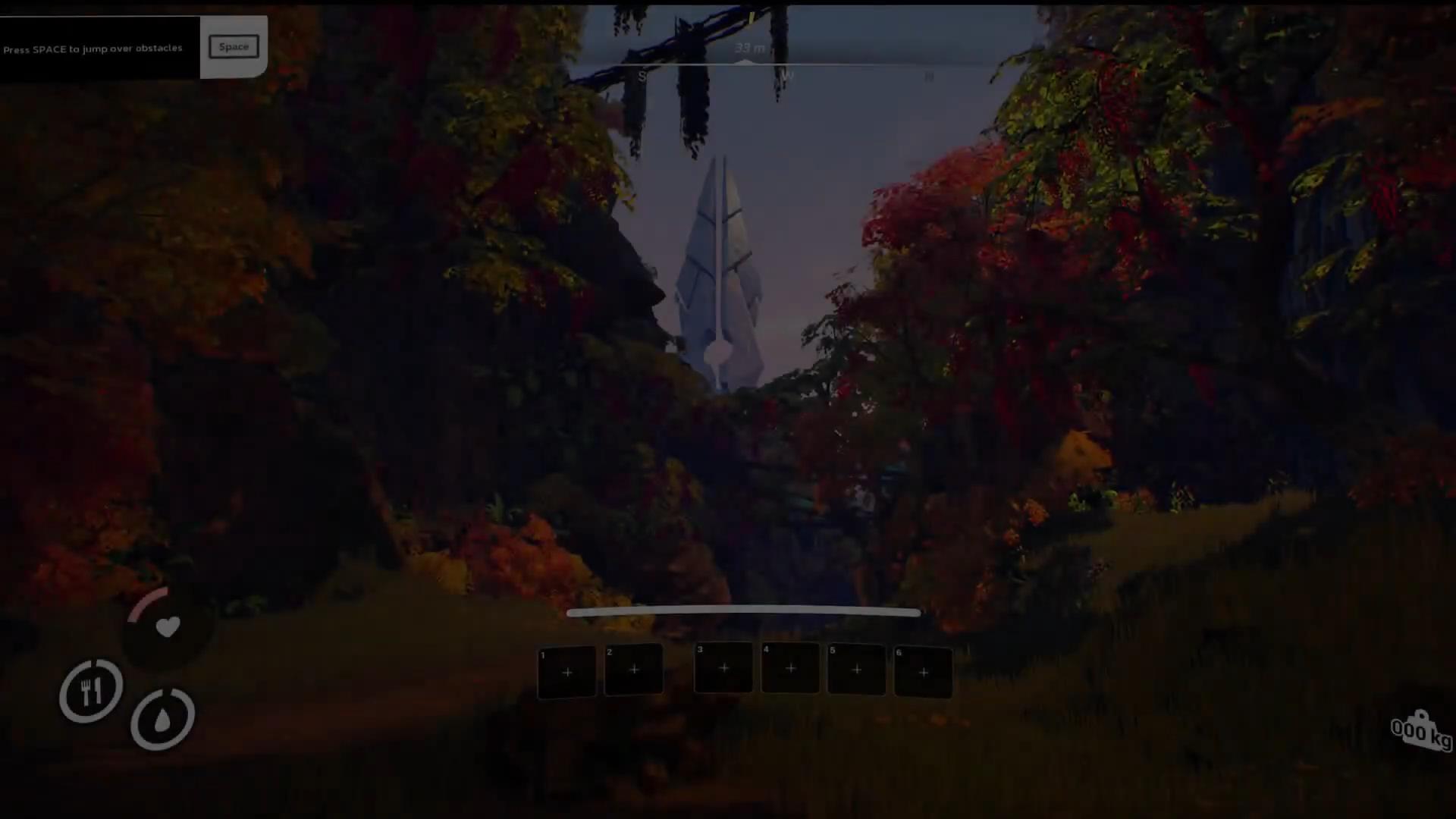
- The Signal: Stranded on Sirenis (PC VR): A "Flat2VR Spark" project that bridges the gap between traditional and immersive gaming. It focuses on a sentient planet and high-intensity shooting reminiscent of the Destiny franchise.
- Knights of Fiona (Quest/SteamVR): Character Bank’s attempt at the first "full-scale" VR JRPG, offering solo and three-player co-op play in a hand-crafted fantasy world.
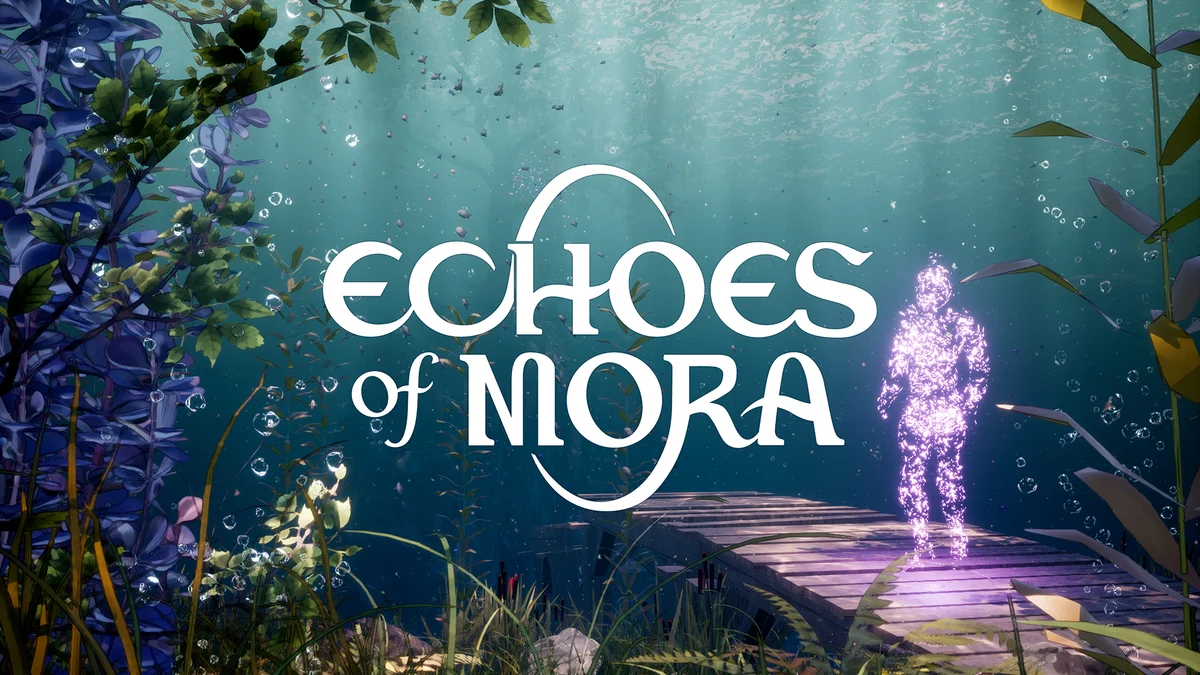
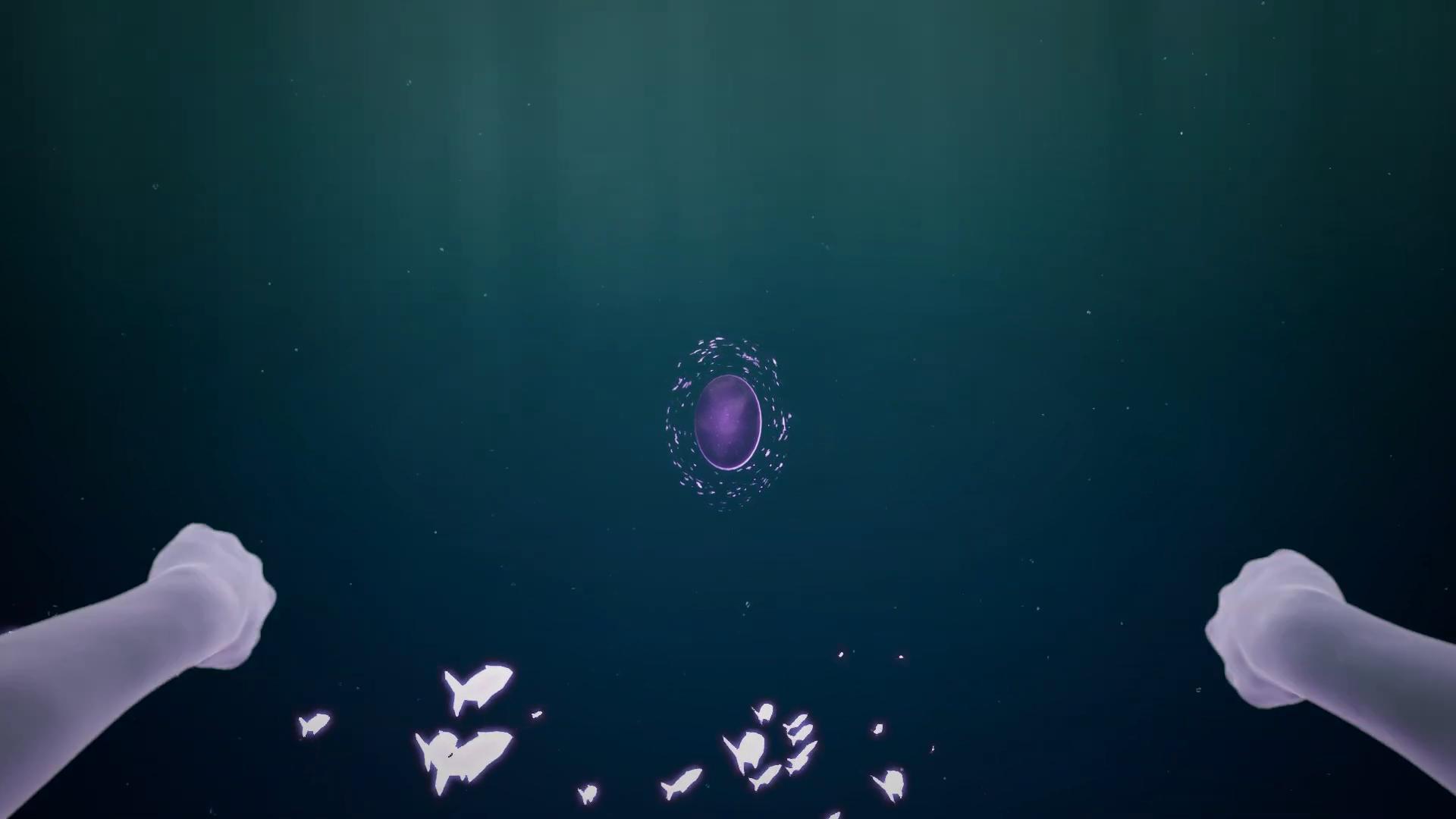
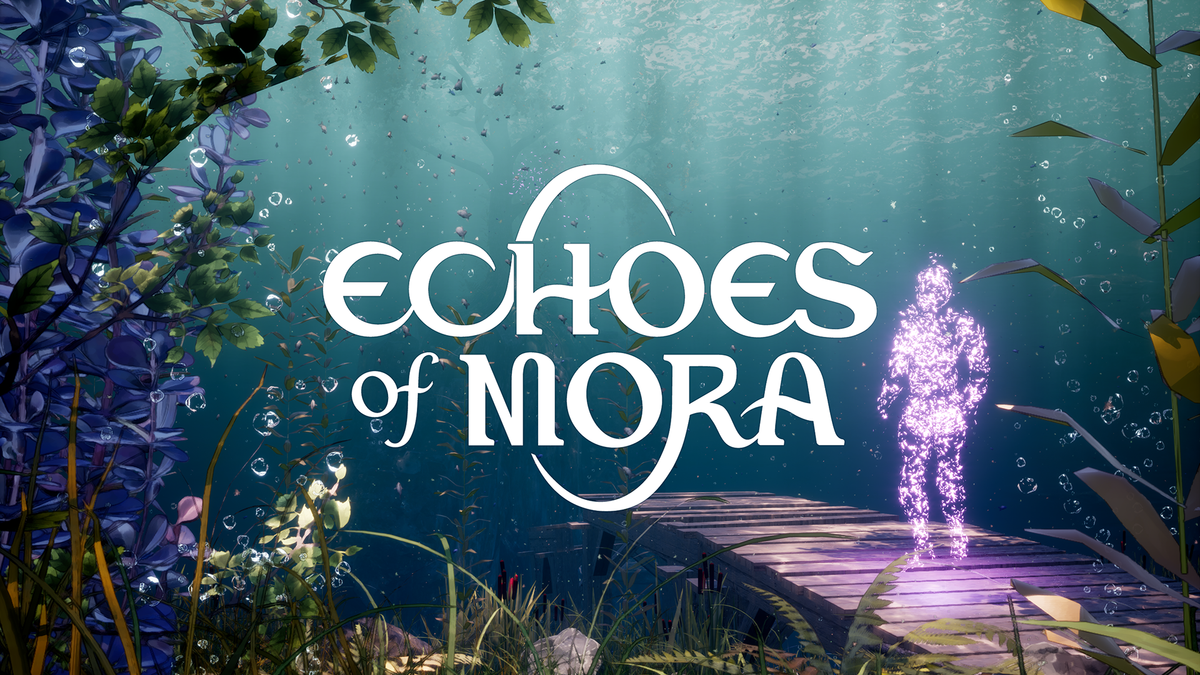
- Echoes of Mora (PC VR): A melancholic, underwater mystery that combines the survival tension of Subnautica with the narrative depth of Everybody’s Gone to the Rapture.
- Adrian’s Quest (SteamVR): A single-player adventure casting the player as an android. It draws heavy inspiration from the cult classic Stormland, focusing on interactive environments and bizarre weaponry.
- Sol Protocol (Quest/SteamVR): A cooperative roguelike focusing on multi-role ship management (Captain, Pilot, Gunner), emphasizing procedural generation and teamwork.
- Automa (Quest/SteamVR/PSVR2): A high-fidelity sci-fi adventure set in a dystopian Southeast Asian city. It prioritizes physics-based interactions in the vein of Half-Life: Alyx.
- G-Rebels (PC VR): A spiritual successor to the 1997 classic G-Police, offering a dystopian flight-sim experience in a massive open-world city.
- The Warp – Cephisso (SteamVR): A narrative horror title that utilizes physical VR interactions—such as manual bolt-action reloading—to heighten tension in a derelict starship setting.
- Guardians Planetfall (Quest/SteamVR): Frequently described as "Helldivers 2 for VR," this tactical shooter focuses on procedural missions and four-player squad coordination.
2. Chronology: The 2026 Release Calendar
The release schedule for 2026 shows a strategic clustering of titles intended to capitalize on the holiday hardware sales of the Quest 3S and the ongoing maturation of the SteamVR ecosystem.
- July 20, 2026: G-Rebels (PC VR) launches, marking the first major "summer blockbuster" for the flight-sim community.
- Q3 2026 (July–September): This quarter is dominated by exploration and survival. Echoes of Mora is scheduled for a late Q3 release after previous delays. Sol Protocol enters Early Access on Meta Quest in September.
- September 2026: The Lightkeepers is expected to debut on the Quest Store, aligning with the seasonal shift toward horror and darker themes.
- October 2026: Sol Protocol expands its Early Access reach to the SteamVR platform, while The Warp – Cephisso is slated to bring sci-fi horror to PC audiences.
- Late 2026 (TBD): Major ambitious projects including Automa, Guardians Planetfall, and Knights of Fiona are currently targeting the final window of the year. These titles represent the "heavy hitters" intended to drive software attachment rates during the winter season.
3. Supporting Data: Platforms and Technical Specifications
The 2026 lineup illustrates a clear divide in the VR market between standalone accessibility and high-end PC VR fidelity.

Platform Distribution
- Meta Quest 3/3S Dominance: Seven of the ten most anticipated games are targeting Meta’s standalone platform. This underscores the industry’s reliance on Meta’s hardware install base for financial viability.
- The PC VR Niche: Titles like G-Rebels and The Warp remain exclusive to SteamVR, catering to enthusiasts with high-end GPUs who demand superior visual fidelity and complex physics simulations that standalone mobile chips cannot yet handle.
- Hybrid Innovation: The Signal: Stranded on Sirenis represents the growing "Flat2VR" movement, where games are designed from the ground up to support both traditional monitors and VR headsets, broadening the potential player base.
Mechanical Innovations
A key data point across these titles is the move toward Physicality. The Warp – Cephisso and Automa both feature "full-object interactivity." In these games, every item in the environment is a physics object, and weapons require manual, multi-step manipulation (e.g., chambering individual rounds). This trend is a direct response to the standard set by Half-Life: Alyx in 2020, which players now view as the benchmark for high-end VR.

4. Official Responses and Industry Context
Studio leaders and industry analysts suggest that 2026 is a "prove-it" year for VR. With the initial novelty of the medium having faded, developers are now focusing on genre gaps that have long frustrated the community.
Addressing the JRPG Void
Character Bank, the developer of Knights of Fiona, has noted that the JRPG genre is "sadly in short supply in VR." Their response has been to build a "full-scale" experience rather than a simplified spin-off. By including three-player co-op, they are attempting to merge the social nature of modern gaming with the traditional depth of Japanese role-playing mechanics.

The Rise of "Social Roguelikes"
Singular Perception, the team behind Sol Protocol, has utilized an extensive Open Alpha period (running since March 2026) to refine their co-op mechanics. Their official stance emphasizes that VR is at its strongest when it facilitates "asymmetric cooperation"—where different players have distinct, vital roles within a single vehicle or mission.
Environmental Storytelling
The developers of The Signal have leaned into the "sentient planet" concept to differentiate their survival-shooter from competitors. By utilizing a "desperate monologue" from the planet itself, they are attempting to elevate the genre from a simple resource-gathering loop to a psychological narrative experience.
5. Implications: The Future of the Medium
The 2026 release slate carries significant implications for the future of the VR industry. If these titles succeed, they will validate several burgeoning trends:
- The Death of the "VR Experience": The industry is successfully pivoting toward 20-40 hour campaigns and infinitely replayable roguelikes. This addresses the primary criticism that VR lacks "meaty" content.
- The Standardization of Physics: As seen in Automa and The Warp, "canned" animations are being replaced by real-time physics. This increases immersion but also raises the barrier to entry for developers, who must now account for unpredictable player interactions with every object in a scene.
- The Helldivers Effect: The success of Guardians Planetfall will determine if the "live-service cooperative" model can thrive in VR. If players embrace the procedural, squad-based combat, it could open the door for more persistent, community-driven VR worlds.
- Hardware Maturation: The focus on Meta Quest 3/3S suggests that developers are finally comfortable optimizing for mobile chipsets without sacrificing the core "VR feel." This parity between standalone and PC VR is essential for the medium’s long-term growth.
In conclusion, while the broader gaming industry faces structural challenges, the VR sector in 2026 is entering a phase of creative maturity. The upcoming months will not only provide a diverse array of entertainment for headset owners but will also serve as a litmus test for the commercial viability of high-depth, high-physics immersive gaming.