The End of an Era: CD Projekt Red Announces Technical Overhaul and Narrative Bridge for The Witcher 3
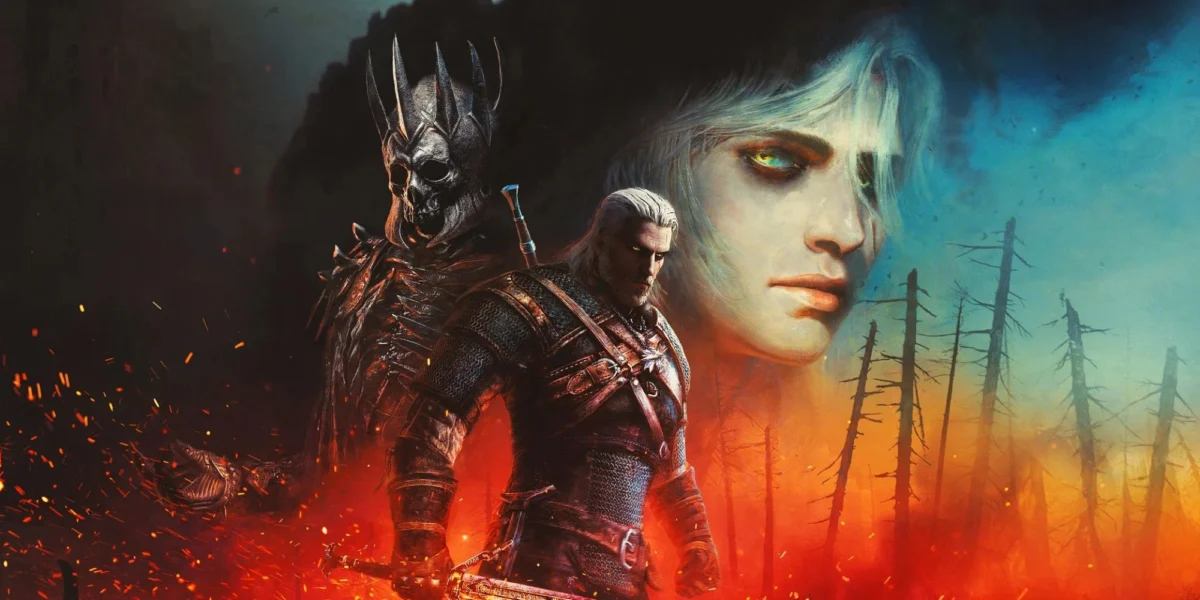
The landscape of high-end PC gaming is undergoing a significant shift as developers move to shed the "technical debt" of previous generations. In a move that has sparked both intense excitement and logistical concern among the global gaming community, CD Projekt Red (CDPR) has officially confirmed a massive technical and narrative pivot for its 2015 masterpiece, The Witcher 3: Wild Hunt.
As the studio prepares to launch the newly announced expansion, Songs of the Past, it is simultaneously "cutting the cord" with legacy technology. This transition includes the formal end of support for Windows 10, the total abandonment of Hard Disk Drive (HDD) compatibility, and the transition to an exclusively DirectX 12 environment. These changes represent more than just a routine patch; they signify a foundational restructuring of one of the most successful RPGs in history to prepare players for the franchise’s future.
I. Main Facts: A New Expansion and a Technical Threshold
The announcement centers on two major pillars: the arrival of Songs of the Past and a mandatory hardware upgrade path for PC players.
Songs of the Past is positioned not merely as a standalone adventure but as a narrative "bridge." According to CDPR, the expansion is designed to resolve lingering threads from Geralt of Rivia’s journey while explicitly setting the stage for the next mainline Witcher entry, which is widely understood to feature Ciri in a central role.
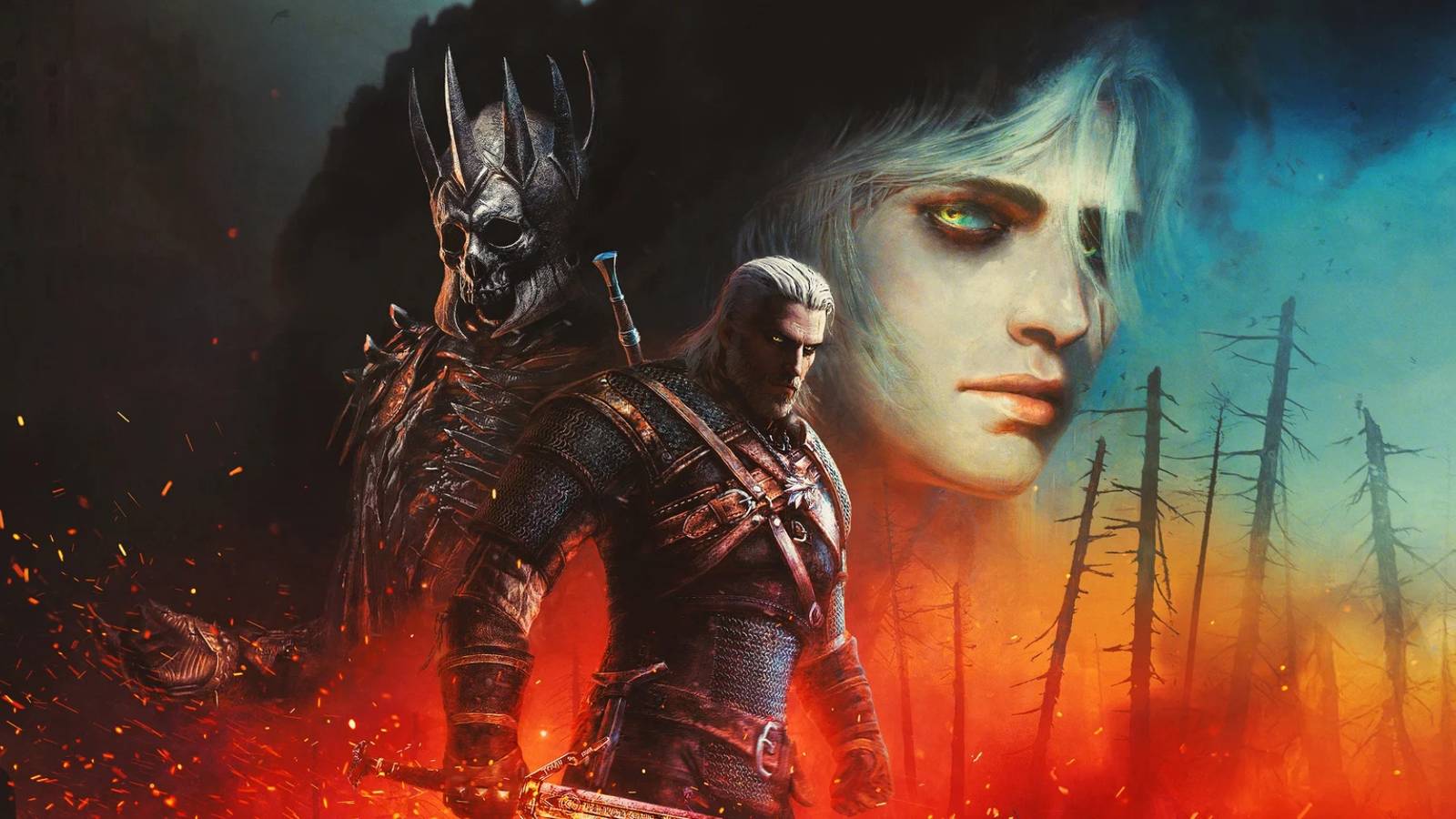
However, the price of this narrative progression is a heightened technical barrier. CD Projekt Red has confirmed that the next major update—coinciding with or preceding the DLC—will effectively render the game unplayable on older hardware configurations. Key changes include:
- Operating System: Formal end of support for Windows 10.
- Storage: Mandatory requirement for Solid State Drives (SSD); HDDs are no longer supported.
- API: Exclusive use of DirectX 12, removing the legacy DirectX 11 toggle.
- Purpose: The update aims to standardize the game’s architecture to align with modern development practices and the capabilities of the current console generation (PlayStation 5 and Xbox Series X/S).
II. Chronology: From 2015 Icon to 2027 Future
To understand the magnitude of this shift, one must look at the decade-long evolution of The Witcher 3.
- May 2015 – Launch: The Witcher 3: Wild Hunt releases to critical acclaim, running on REDengine 3. It was designed for the PlayStation 4 and Xbox One era, supporting Windows 7 and 8 and optimized for mechanical hard drives.
- 2015–2016 – The Gold Standard: The release of Hearts of Stone and Blood and Wine established the game as the benchmark for post-launch content.
- December 2022 – The Next-Gen Update (v4.0): CDPR released a massive free update introducing ray tracing, integrated mods, and 4K textures. While this update introduced DirectX 12, it maintained a DirectX 11 "Legacy" mode for older PCs.
- Early 2024 – The REDkit Release: CDPR released official modding tools, signaling a desire to let the community sustain the game.
- July 2026 – The "Songs of the Past" Reveal: CDPR confirms the new expansion and the impending technical sunsetting of legacy systems.
- 2027 (Expected) – The New Era: The scheduled release of Songs of the Past and the final hardware-mandated patch.
III. Supporting Data: The Hardware Divide
The decision to drop Windows 10 and HDD support is backed by sobering industry data. While Windows 10 remains a dominant operating system, Microsoft has set an official end-of-support date for October 2025.
The Windows 10 Statistics
Current estimates suggest that nearly one billion machines globally are still running Windows 10. A significant portion of these users have not upgraded to Windows 11 due to the "TPM 2.0" hardware requirement—a security module missing from many older CPUs. By ending support for Windows 10, CDPR is effectively informing millions of potential players that their current hardware will no longer be "test-safe" for future Witcher content.

The SSD vs. HDD Performance Gap
The move to "SSD Only" is a response to the "streaming bottleneck." In The Witcher 3’s massive open world, assets (textures, NPCs, audio) must be pulled from storage into RAM constantly.
- HDD Speed: Typically 80–160 MB/s.
- SATA SSD Speed: Up to 550 MB/s.
- NVMe SSD Speed: 3,500–7,000+ MB/s.
Modern game design, particularly the high-fidelity assets expected in Songs of the Past, requires the near-instantaneous seek times of an SSD. Continuing to support HDDs would require developers to "throttle" the game’s engine, leading to pop-in, stuttering, and longer loading screens for all players.
Updated System Requirements
While the full list is pending final optimization, CDPR has signaled that the minimum requirements will now align more closely with the "Recommended" specs of the 2022 Next-Gen update. This includes a minimum of 16GB of RAM and GPUs with robust DirectX 12 Ultimate support (NVIDIA RTX 20-series or AMD RX 6000-series and newer).
IV. Official Responses: Security and Sustainability
CD Projekt Red’s official communication on the matter emphasizes that this is a move dictated by both security and development efficiency. On their technical support portal, the studio clarified the rationale behind the OS shift:
"In light of Microsoft’s decision to end support for Windows 10, we will no longer test our games on this operating system. Without ongoing security updates, official platform support, and continued GPU driver support from manufacturers, we cannot guarantee a stable or safe experience for our players."
The developer also noted that maintaining two separate versions of the game—the DirectX 11 legacy version and the DirectX 12 modern version—was doubling the workload for the Quality Assurance (QA) teams. By streamlining the game to a single API (DirectX 12), the studio can focus all its resources on optimizing the performance of Songs of the Past and ensuring the "bridge" to the next game is as seamless as possible.
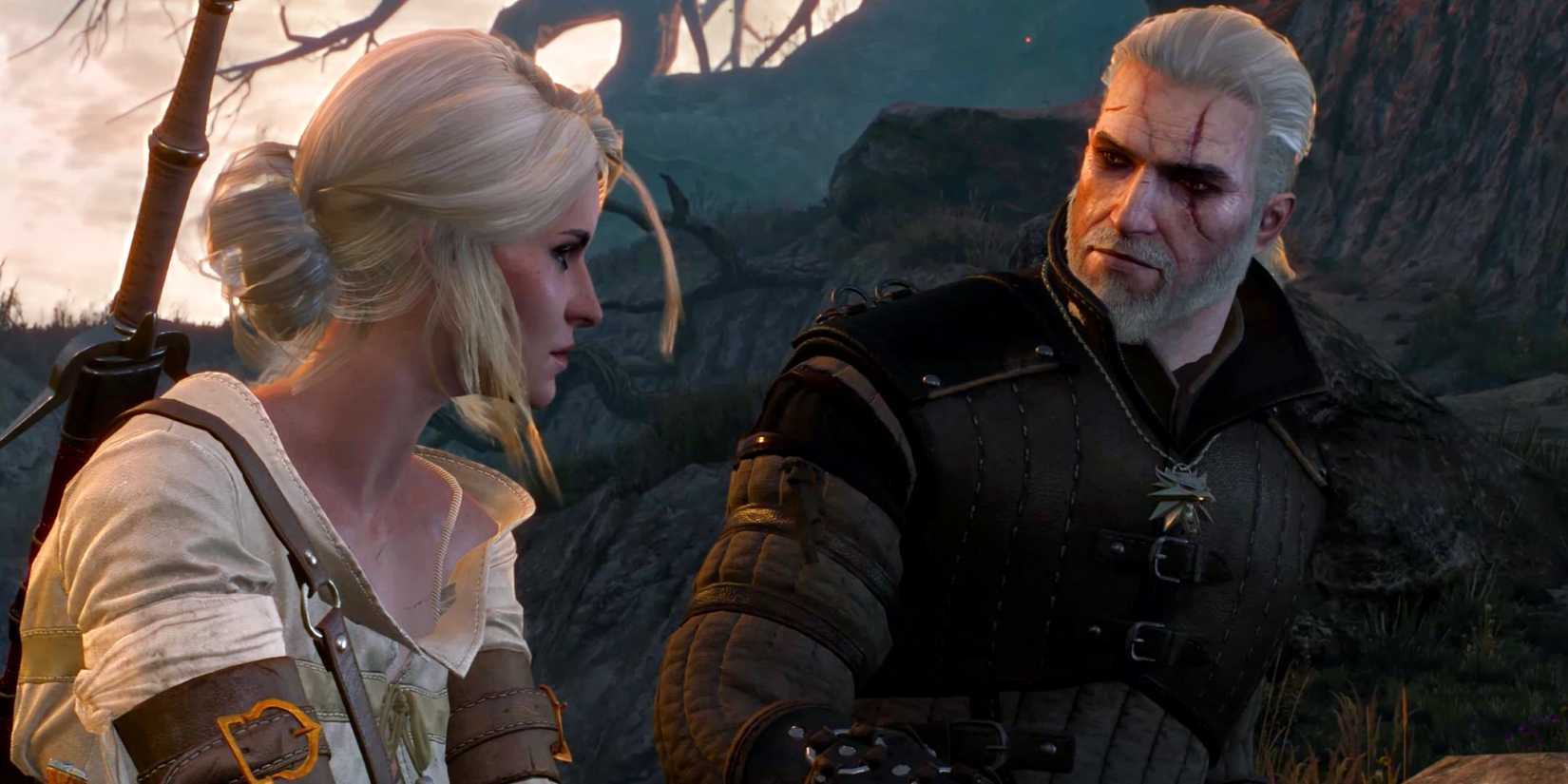
Regarding the narrative, CDPR representatives have been tight-lipped but evocative. "Geralt’s story has many echoes," one lead writer noted during a recent briefing. "Songs of the Past is about those echoes—and how they shape the path Ciri must eventually walk alone."
V. Implications: What This Means for the Future
The implications of these changes are three-fold, affecting the community, the technology, and the franchise’s narrative trajectory.
1. The Modding Community
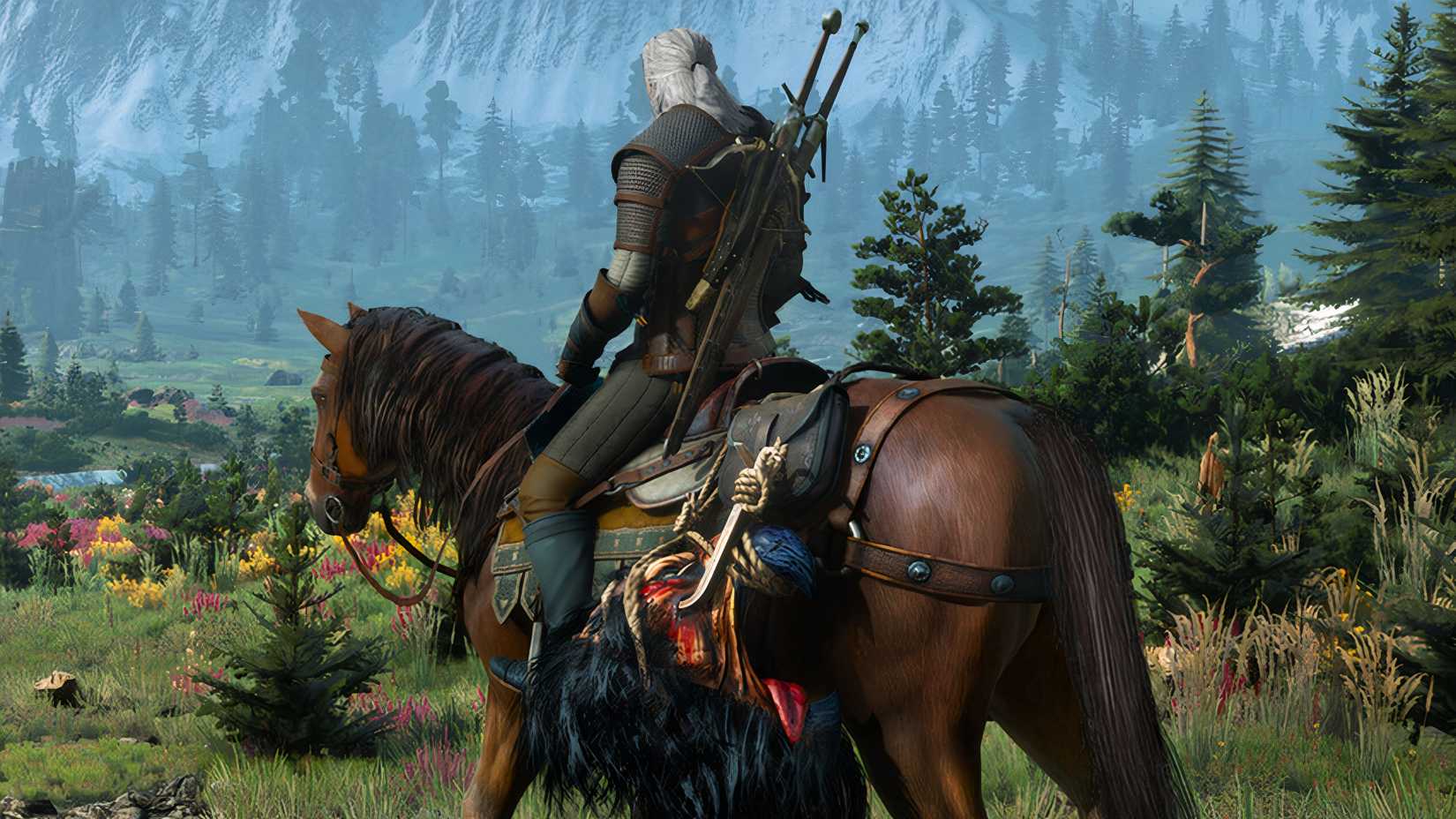
The Witcher 3 has one of the most vibrant modding communities in gaming history. However, many popular mods were built on the DirectX 11 framework or rely on legacy file structures. The transition to a DirectX 12-only, SSD-mandated environment will likely "break" a significant portion of the current mod library. While the recently released REDkit may help authors update their work, a period of instability for modded playthroughs is inevitable.
2. A Precedent for Legacy Titles
CDPR’s move sets a bold precedent. Usually, developers leave older games "as is" to maintain compatibility. By choosing to upgrade a 12-year-old game (by the time the DLC arrives) to modern standards, CDPR is treating The Witcher 3 as a "living platform" rather than a static product. This suggests that the studio views the game as essential "required reading" for the upcoming Witcher 4 (Project Polaris).
3. The Narrative Hand-Off
The most significant implication is the confirmation of the "Ciri-led next game." For years, fans have debated whether Geralt would return as a protagonist. Songs of the Past appears to be the definitive answer. By bridging the gap, CDPR is preparing the audience for a generational shift. The "Songs" in the title likely refers to the legends Geralt has created, which will serve as the mythic backdrop for Ciri’s new journey.
Conclusion
As The Witcher 3 prepares for its final evolution, the message from CD Projekt Red is clear: the path to the future requires leaving the past behind—both in terms of hardware and storytelling. For players with aging PCs, the countdown has begun to upgrade. For fans of the lore, the wait for Geralt’s true swan song is nearly over, promising a high-fidelity farewell to the White Wolf and a breathtaking introduction to the era of the Lady of Space and Time.