The Long Night: "The Batman Part II" Delayed Until 2028 Amidst Studio Turmoil
Hollywood, CA – Fans eagerly anticipating the return of Robert Pattinson’s brooding Caped Crusader will need to exercise an unprecedented level of patience. Warner Bros. has officially pushed the release date for "The Batman Part II" from its previously announced slot in October 2027 to February 18, 2028. This significant delay means a staggering six-year gap between the critically acclaimed 2022 film "The Batman" and its highly anticipated sequel, a hiatus that rivals even the most drawn-out waits for beloved cinematic sagas. The decision, part of a broader shake-up in the studio’s release calendar, underscores the complex interplay of internal scheduling conflicts, strategic priorities, and ongoing corporate legal battles currently gripping the entertainment giant.
A Staggering Six-Year Hiatus for the Caped Crusader
The news landed like a batarang in the night for the dedicated fanbase of Matt Reeves’ "The Batman" universe. Robert Pattinson’s portrayal of Bruce Wayne, a gritty, detective-noir take on the iconic superhero, resonated deeply with audiences and critics alike, earning widespread praise for its dark tone, intricate plot, and powerful performances. The initial 2022 film left viewers hungry for more, establishing a compelling foundation for a sprawling Gotham saga. To now face a six-year void before the next chapter is a substantial test of loyalty and anticipation.
This extended break between installments places "The Batman Part II" in a unique, and somewhat precarious, position. In an era where superhero franchises often churn out sequels every two to three years to maintain momentum, a half-decade-plus wait could either intensify demand to a fever pitch or risk diluting the immediate cultural relevance established by its predecessor. For a character as iconic as Batman, however, the allure often transcends typical franchise cycles, and the unique artistic vision of director Matt Reeves and star Robert Pattinson might be just enough to sustain interest over the long haul.
The New Release Date and Its Implications
The new date of February 18, 2028, shifts the film from a prime autumn slot, often favored for prestige genre releases, to an early-year window. While February has seen its share of successful blockbusters, it typically lacks the immediate gravitas and box office potential associated with summer tentpole seasons or the year-end holiday rush. This move suggests a re-evaluation of the film’s strategic placement within Warner Bros.’ broader annual slate, potentially aiming to dominate a less crowded period or to give other high-priority projects a clearer path.
The original October 1, 2027, date had itself been a point of anticipation, signaling a return to the dark, atmospheric mood that defined the first film, perfectly aligning with the Halloween season. The move away from this thematically appropriate slot hints that external factors, rather than creative timing, were the primary drivers of this significant schedule adjustment. For fans, it’s not just a matter of waiting longer, but also a shift in the perceived "season" for Batman’s return, detaching it from the gothic autumnal aesthetic that many had come to associate with Reeves’ vision.
Chronology of the Delay
The decision to postpone "The Batman Part II" was not an isolated event but rather a consequence of a carefully orchestrated, yet disruptive, studio recalibration. Understanding the sequence of events and the underlying motivations provides crucial insight into the current state of Warner Bros. Discovery and its cinematic strategy.
The Domino Effect: How One Film Shifted Another
The immediate catalyst for "The Batman Part II"’s delay was the strategic repositioning of J.J. Abrams’ upcoming film, "The Great Beyond." This highly anticipated project from the acclaimed director and producer was moved into the October 1, 2027 slot originally designated for the Batman sequel. This move initiated a clear "domino effect," pushing the Caped Crusader’s return all the way into the following year.
The decision to grant "The Great Beyond" such a prominent and sought-after release window speaks volumes about J.J. Abrams’ continued influence within Warner Bros. and the perceived importance of his project. Abrams, a titan in Hollywood known for revitalizing major franchises like "Star Wars" and "Star Trek," commands significant creative and strategic leverage. His projects are often treated as high-priority endeavors, suggesting that "The Great Beyond" is seen as a major tentpole for the studio, potentially with a different genre appeal or target audience that Warner Bros. believes requires the October slot for maximum impact.
Such inter-film scheduling conflicts are not uncommon in the competitive landscape of major studios, but they typically involve projects of similar scale or strategic importance. The fact that "The Great Beyond" displaced a sequel to a highly successful, established superhero franchise like "The Batman" indicates a calculated decision, likely weighing projected box office, critical reception, and overall brand impact for both films within the studio’s long-term portfolio. It suggests a strategic re-prioritization that places Abrams’ original project in a position of immediate importance over the continuity of the Batman narrative, at least in terms of its theatrical timeline.
A History of Anticipation: From Announcement to Postponement
The journey of "The Batman Part II" has been one marked by high expectations from its inception. The original film, released in March 2022, was a resounding success, grossing over $770 million worldwide against a production budget of $185-200 million. More importantly, it garnered immense critical acclaim, with particular praise for its unique tone, visual style, and the performances of its lead cast. This success quickly led to the confirmation of a sequel, with Matt Reeves returning to direct and Robert Pattinson reprising his role.
Initial announcements and subsequent development updates kept fan excitement bubbling. Discussions about returning cast members, the introduction of new villains, and the deepening of Bruce Wayne’s psychological journey fueled constant speculation across social media and fan forums. The original October 2027 release date felt like a reasonable, albeit lengthy, wait for a production of this scale and ambition. It allowed time for Reeves to craft another meticulously detailed script and for the intricate pre-production and filming processes to unfold.
However, the Hollywood landscape has been fraught with challenges in recent years. While the initial report attributes this specific delay to an internal scheduling conflict rather than external factors like the WGA and SAG-AFTRA strikes of 2023, it’s worth noting that the broader environment of production uncertainties and shifting studio strategies has made release dates more fluid than ever. The pandemic also taught studios to be more agile, often leading to delays and reshuffles as they navigate an evolving theatrical market. This latest postponement of "The Batman Part II" serves as a stark reminder that even the most anticipated blockbusters are subject to the intricate, often opaque, machinations of corporate decision-making and competitive studio scheduling.
Supporting Data and Broader Context
The shift in "The Batman Part II"’s release date is not merely a logistical tweak; it is inextricably linked to the seismic corporate maneuvers and legal entanglements currently defining Warner Bros. Discovery. These macro-level events cast a long shadow over every decision regarding its valuable cinematic assets.
Warner Bros. Under Scrutiny: The Paramount Acquisition Saga
As Deadline meticulously reported, this latest release schedule adjustment occurs "as the pending Paramount acquisition of the 103-year-old Warner Bros. remains held up by myriad antitrust lawsuits including the attorney general of California, New York and ten other states." This ongoing legal battle is a colossal factor influencing every strategic move by Warner Bros. Discovery.
The potential acquisition of Paramount Global by Warner Bros. Discovery is a multi-billion dollar deal that, if approved, would reshape the Hollywood landscape. However, it has drawn intense scrutiny from regulatory bodies and state attorneys general who are concerned about potential monopolistic practices. Antitrust lawsuits are designed to prevent mergers that could significantly reduce competition, harm consumers through higher prices or fewer choices, or stifle innovation in the market.
The involvement of attorneys general from major states like California (home to Hollywood) and New York (a financial and media hub) signals the seriousness of these concerns. These lawsuits can be protracted and incredibly costly, diverting significant financial resources, executive attention, and strategic planning away from day-to-day operations and into legal defense and negotiation. In such an environment of uncertainty, studios often become more conservative with their big-budget investments and more strategic, even cautious, about their release schedules. They might prioritize projects perceived as more "safe" or those with established creative leads (like J.J. Abrams) to ensure stable revenue streams amidst the corporate turbulence. Delaying a major sequel like "The Batman Part II" could be a way to manage cash flow, reallocate resources, or simply avoid committing to a fixed date when the entire corporate structure is in flux.
The Shifting Sands of Studio Strategy
Beyond the immediate acquisition drama, Warner Bros. Discovery operates within a Hollywood ecosystem that is rapidly evolving. The industry is grappling with declining theatrical attendance for all but the biggest blockbusters, the ongoing streaming wars, and the need to maximize returns on intellectual property. Studios are increasingly focusing on fewer, higher-budget "tentpole" films that can draw audiences to cinemas and then fuel their streaming platforms.
"The Batman" franchise, with its proven critical and commercial success, is undoubtedly a cornerstone of Warner Bros.’ cinematic future. Its delay might also be viewed through the lens of maximizing its impact. By pushing it to 2028, the studio could be aiming for a period where the market is clearer, or perhaps aligning it with a broader DC strategy under James Gunn and Peter Safran, even if it exists in an "Elseworlds" capacity. The studio is in the midst of a significant overhaul of its DC Extended Universe (DCEU), transitioning to a new slate of films and television shows under Gunn and Safran. While "The Batman" universe is explicitly separate from this new DCU continuity, its strategic placement within the overall Warner Bros. Discovery portfolio is still crucial. The studio needs to ensure that all its major IPs, whether connected or standalone, are given the best possible chance to succeed.
Financial pressures and shareholder expectations are also constant drivers of these decisions. Every major studio release is a massive investment, and delays, while costly in the short term, can sometimes be seen as a necessary evil to avoid a potentially larger financial misstep down the line. The ongoing corporate flux likely necessitates a more conservative and calculated approach to scheduling, ensuring that assets like "The Batman Part II" are deployed at the most opportune moment.
The Competitive Landscape of February 2028
The new release date for "The Batman Part II" on February 18, 2028, places it in a different competitive arena. It is currently slated to go up against an "untitled Disney film" and Takashi Yamazaki’s "Grandgear."
The presence of an "untitled Disney film" is, by itself, a formidable challenge. Disney’s slate includes a vast array of potential blockbusters, from Marvel and Star Wars properties to Pixar animations, live-action remakes, and original content. Depending on what this untitled film turns out to be, it could represent direct competition for the same audience demographic or a complementary release that targets a different segment. Disney rarely places its tentpole releases without careful consideration, so their untitled project in the same window suggests a strong contender.
Takashi Yamazaki’s "Grandgear" introduces another intriguing element. Yamazaki is an acclaimed Japanese director known for his visual effects prowess, particularly with films like "Godzilla Minus One," which garnered international critical acclaim and an Academy Award. While "Grandgear" may not carry the immediate brand recognition of Batman or Disney in Western markets, Yamazaki’s rising international profile and potential for a unique, visually spectacular film could attract a significant audience, especially among genre enthusiasts.
February, while not a traditional blockbuster month, has seen success stories for superhero films. "Black Panther" (February 2018) famously shattered box office records, demonstrating that strong critical reception and cultural relevance can turn any month into a prime release window. However, it also means "The Batman Part II" will need to fight harder to carve out its space and dominate the conversation, especially against a potentially strong Disney contender. The studio will undoubtedly be analyzing these competitive factors closely as 2028 approaches, possibly making further adjustments if the landscape changes.
Official Responses and Fan Reactions
In the wake of such a significant schedule alteration, the nature of official communication, or the lack thereof, often speaks volumes. The immediate responses from key creatives and the subsequent ripple through the dedicated fanbase provide a critical snapshot of the moment.
Matt Reeves’ Subtle Acknowledgment: The "Camera Test"
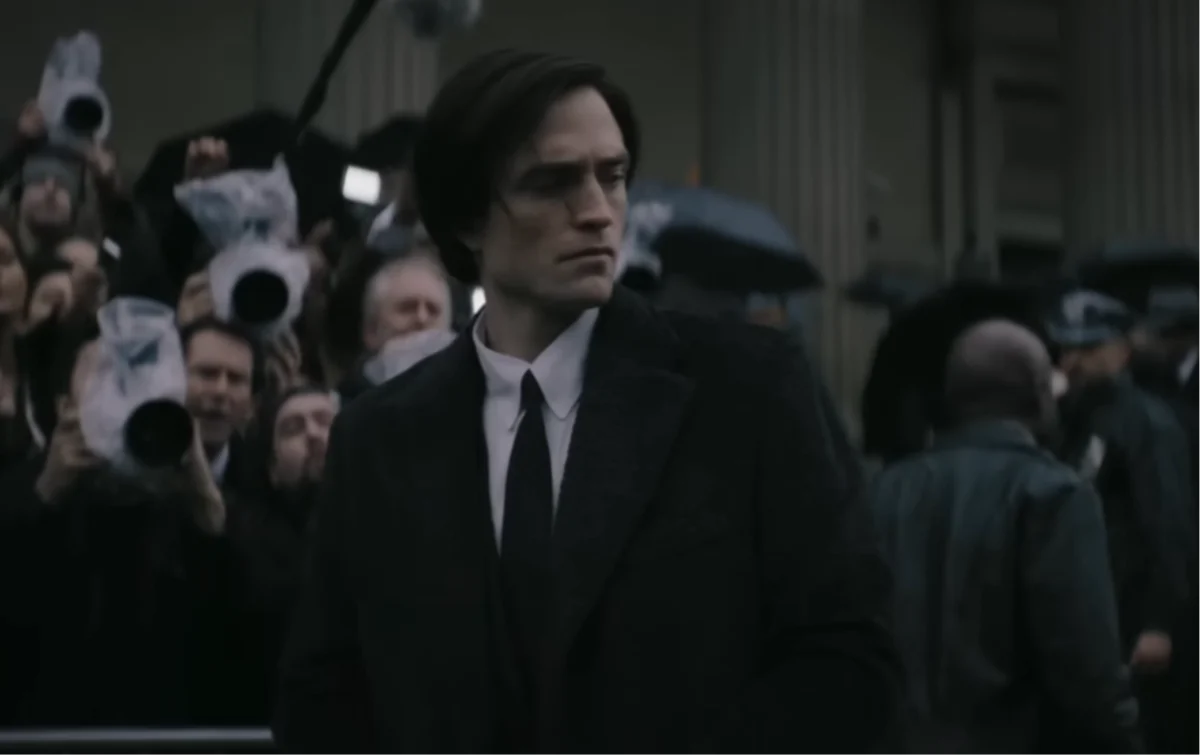
Director Matt Reeves, a filmmaker known for his meticulous craft and deep engagement with his projects, offered a subtle yet potent acknowledgment of the delay. Shortly after the announcement, Reeves took to social media, sharing a short video clip posted to Vimeo. Simply labeled "camera test," the video showed Robert Pattinson’s Batman turning slowly to face the camera, bathed in dramatic, almost oppressive, darkness, underscored by a brooding musical score.
This "camera test" is more than just a technical snippet; it’s a carefully curated artistic statement. The imagery – a figure emerging from shadow, a slow, deliberate turn, the intense gaze – reinforces the established tone of Reeves’ Batman: dark, psychological, and profoundly atmospheric. In the absence of a lengthy statement from the studio, Reeves’ decision to share this particular piece of footage can be interpreted in several ways. It serves as a reassurance to fans that the project is indeed moving forward, that the creative vision remains intact, and that the long wait will ultimately be worth it. It’s a powerful, non-verbal communication that bypasses formal corporate channels, speaking directly to the audience in the language of cinema. The "dark" aesthetic, as noted in the original report, is not just a visual choice but a thematic promise, signaling that despite the delays, the grim, compelling world of this Batman remains steadfast. It also subtly reinforces the director’s commitment, suggesting that even with a prolonged timeline, the focus remains on delivering a film that meets the high standards set by its predecessor.
Studio Silence and the Weight of Expectation
In stark contrast to Reeves’ artistic communication, Warner Bros. Discovery has largely maintained a characteristic silence regarding the specifics of the delay, beyond the official schedule update. No detailed press release or executive statement has been issued to elaborate on the strategic reasoning behind pushing "The Batman Part II" back by over four months, especially given the significant wait already entailed.
This lack of explicit explanation is typical of major studios operating amidst complex corporate maneuvers. During periods of potential mergers, acquisitions, or ongoing legal battles, companies often adopt a cautious communication strategy, providing only essential information to avoid misinterpretation, legal complications, or further speculation that could impact shareholder confidence or regulatory approval processes. The Paramount acquisition saga, with its "myriad antitrust lawsuits," provides a clear rationale for this guarded approach. Any detailed commentary on scheduling decisions could inadvertently reveal strategic priorities or financial vulnerabilities that legal teams would prefer to keep private.
However, this corporate reticence places an added burden on fan relations. While the core audience for "The Batman" is dedicated, a prolonged silence can breed frustration, speculation, and even distrust. It leaves the creative team, like Matt Reeves, to bridge the gap with symbolic gestures, while the studio navigates its corporate challenges behind a veil of minimal public disclosure. The weight of expectation now rests heavily on the studio to ensure that when "The Batman Part II" finally arrives, it delivers a cinematic experience that justifies the extended period of anticipation and quiet.
Fan Community’s Response: Disappointment, Speculation, and Enduring Hope
The fan community’s reaction to the delay has been a predictable blend of disappointment, fervent speculation, and, ultimately, enduring hope. Social media platforms, fan forums, and dedicated subreddits immediately lit up with discussions following the announcement.
Initial reactions often expressed frustration, with many comparing the six-year wait to the infamous hiatuses between seasons of beloved streaming shows, echoing the article’s own "Severance" analogy. Memes quickly emerged, humorously lamenting the "long night" until Batman’s return, or speculating on how much older Robert Pattinson would look. There was also a wave of theories attempting to decipher the real reason behind the delay, ranging from script rewrites and production challenges (despite no official confirmation of such) to more elaborate conspiracies involving the broader DC universe reboot.
However, beneath the initial wave of disappointment, a current of unwavering loyalty and anticipation remains. "The Batman" cultivated a passionate fanbase that appreciates Matt Reeves’ unique vision and Pattinson’s committed performance. Many fans expressed understanding that good art takes time, and if a delay is necessary to ensure the quality of the sequel, then it is a sacrifice they are willing to make. The success of "The Penguin" spin-off series, starring Colin Farrell, which is set to bridge some of the gap between films, also helps to maintain engagement and remind audiences of the rich world Reeves has created. Ultimately, while the wait is long, the enduring strength of the Batman character and the proven quality of this particular cinematic iteration ensure that hope for a phenomenal sequel continues to burn brightly within the dedicated fan community.
Implications for the Franchise and DC Universe
The delayed release of "The Batman Part II" sends ripples across multiple facets of the entertainment industry, from the immediate franchise trajectory to the broader DC cinematic landscape and even the future of theatrical distribution.
The Extended Narrative Arc: What Six Years Means for Bruce Wayne
A six-year gap between films is a significant period in any cinematic narrative, especially for a character-driven story like Matt Reeves’ Batman. The original film introduced a relatively early-career Bruce Wayne, still grappling with his identity and the psychological toll of his crusade. The extended wait offers both challenges and unique opportunities for the narrative arc.
On one hand, maintaining continuity of tone and character development over such a long period can be difficult. Will Robert Pattinson’s portrayal evolve naturally, or will the extended break necessitate a more dramatic leap in his character’s journey? However, this delay also grants Matt Reeves an expansive canvas. It allows for a more significant passage of time within the fictional Gotham, enabling deeper character development for Bruce Wayne, potentially showing him as a more seasoned, albeit still tormented, Dark Knight. The intervening years could be filled with un-seen battles, silent victories, and profound personal growth that informs the character we meet in 2028. This long-form approach, less common in traditional superhero franchises, could allow for a more mature and complex exploration of Bruce Wayne’s psyche and his relationship with Gotham. The delay could also be strategically leveraged to allow the highly anticipated spin-off series "The Penguin" to fully develop its narrative, further enriching the world before the next main film arrives.
Cast and Crew Commitments: Managing a Long-Term Project
The practicalities of maintaining a high-profile production over an extended timeline are considerable. Securing the availability of a star-studded cast, including Robert Pattinson as Batman, Colin Farrell as Oz Cobb/The Penguin, Jeffrey Wright as Commissioner Gordon, Andy Serkis as Alfred Pennyworth, and Barry Keoghan as The Joker, along with new additions like Marvel stars Scarlett Johansson and Sebastian Stan, Jayme Lawson, Charles Dance, Gil Perez-Abraham, and Sebastian Koch, presents a logistical challenge.
Major actors like Scarlett Johansson and Sebastian Stan have incredibly busy schedules, often committing to multiple projects years in advance. The delay might necessitate renegotiations, careful scheduling, and potentially even creative adjustments if conflicts arise. Furthermore, maintaining the creative momentum and cohesion of the crew, from cinematographers to costume designers, over such a prolonged period requires dedicated leadership from Matt Reeves and the production team. There are also financial implications, as development costs can escalate with delays, and talent contracts often include clauses for extended timelines. However, the prestige associated with "The Batman" franchise, and the strong working relationships forged on the first film, might mitigate some of these challenges, making it easier to re-assemble the core team.
"The Batman" in the Multiverse: An Elseworlds Anchor
"The Batman" franchise holds a unique position within Warner Bros.’ broader DC strategy. It has been explicitly designated as an "Elseworlds" project, meaning it exists outside the primary continuity of James Gunn and Peter Safran’s rebooted DC Universe. This distinction allows Matt Reeves and his team creative freedom, unburdened by the need to connect to a larger shared universe.
The delay, while frustrating for fans, might not significantly impact its "Elseworlds" status. In fact, by creating a larger temporal gap, it could further emphasize its standalone nature, allowing the new DCU to establish itself without immediate comparison or perceived competition. "The Batman" stands as a critical and commercial success story for Warner Bros. amid a tumultuous period for its DC properties. Its continued success is vital for the studio, serving as an anchor of quality and profitability, demonstrating that DC characters can thrive in diverse, non-connected narratives. The delay underscores the studio’s commitment to ensuring this particular franchise retains its artistic integrity and commercial viability, even if it means a longer wait.
A Test of Patience: The Future of Theatrical Release Schedules
Ultimately, the postponement of "The Batman Part II" is a stark reminder of the evolving landscape of Hollywood and the challenges facing theatrical releases. In an age of instant gratification and content saturation, asking audiences to wait six years for a sequel to a major blockbuster is a significant test of patience.
This trend of extended waits for high-profile sequels, sometimes due to production complexities, sometimes due to corporate restructuring, could become a more common feature of the cinematic experience. Studios are increasingly prioritizing fewer, bigger films, investing heavily in each. This demands meticulous planning, but also flexibility when unforeseen circumstances or strategic shifts dictate. The success of "The Batman Part II" in 2028 will not only be a testament to the enduring appeal of its creative vision but also an indicator of whether audiences are willing to endure longer waits for quality, or if the pace of modern media consumption will eventually render such delays unsustainable for maintaining mass cultural impact. For now, fans can only wait, hoping that the long night will yield a dawn worthy of the Caped Crusader’s return.