The Rise of NeuroSurrealism: How Generative AI is Rewriting the Manifesto of Human Creativity
I. Main Facts: The Emergence of a New Aesthetic Movement

In the quiet corridors of digital art galleries and the humming server farms of Silicon Valley, a radical new movement is taking shape. Termed "NeuroSurrealism," this burgeoning philosophy seeks to reconcile the ancient depths of the human subconscious with the infinite "latent spaces" of artificial intelligence. It represents more than a mere trend in digital rendering; it is a profound ontological shift that positions AI not as a replacement for the artist, but as a "symbiote of the synapse."
The movement gained significant traction following the publication of the "NeuroSurrealist Manifesto," a document that proclaims the arrival of an "algorithmic storm." According to its proponents, we are currently witnessing the membrane of reality being stretched thin by the chromatic aberrations of AI-generated worlds. This movement argues that the "black box" nature of machine learning—its tendency to produce unpredictable, often unsettling outputs—is the modern successor to the "automatism" championed by 20th-century Surrealists like André Breton and Salvador Dalí.
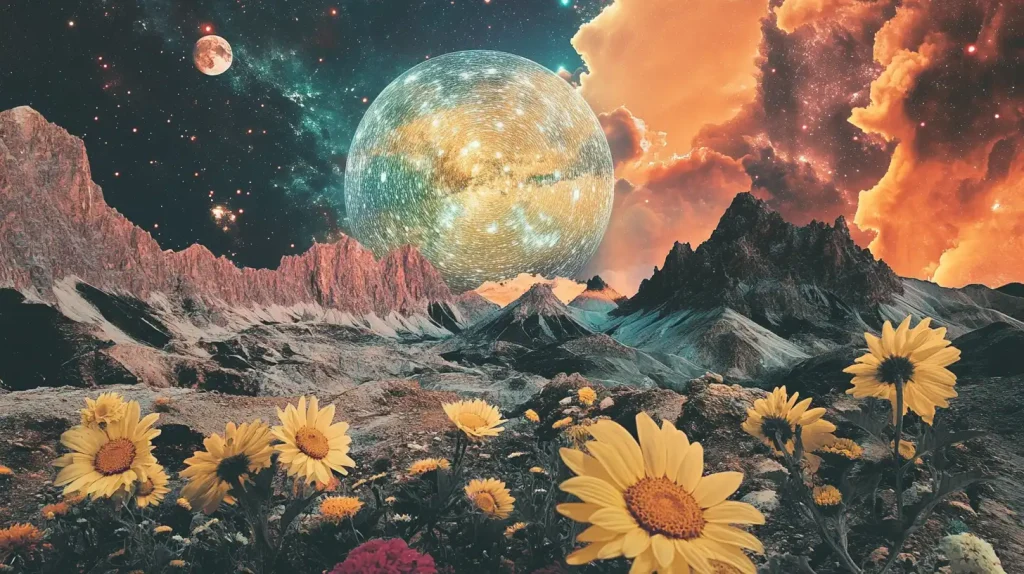
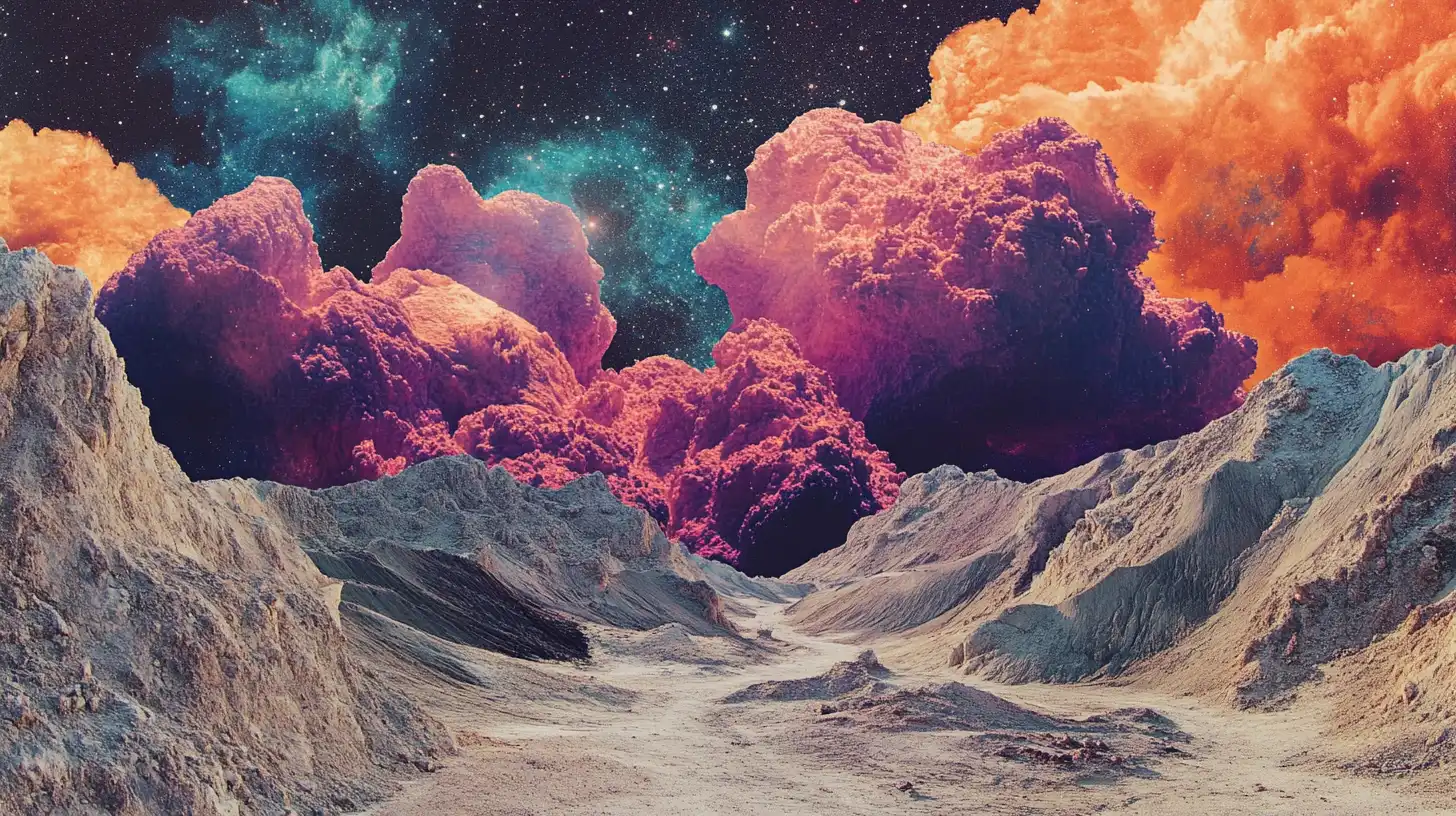
At its core, NeuroSurrealism asserts that AI is a mirror reflecting a "super-reality" where the logical and the absurd coalesce. By leveraging generative models to excavate what they call the "algorithmic unconscious," artists are now able to visualize "never-before-seen environments and lifeforms" that challenge the very architecture of human consciousness.
II. Chronology: From Breton’s Pen to the Silicon Chip

To understand the rise of NeuroSurrealism, one must trace the evolution of the "unconscious" in art through several pivotal eras:
- 1924: The Foundation of Surrealism. André Breton publishes the Surrealist Manifesto, defining Surrealism as "psychic automatism in its pure state." The goal was to bypass the "censor of reason" to reach the hidden truths of the dream world.
- The Mid-20th Century: The Analog Subconscious. Artists like Salvador Dalí and René Magritte used traditional media to depict the illogical. Dalí, in particular, explored the "paranoiac-critical method," a technique used to access the subconscious through a state of induced hallucination.
- 2014–2015: The DeepDream Revolution. Google engineers released DeepDream, a computer vision program that used convolutional neural networks to find and enhance patterns in images. This created "hallucinogenic" visuals that provided the first mainstream glimpse into the "machine-mind."
- 2021–2023: The Generative Explosion. The release of DALL-E, Midjourney, and Stable Diffusion democratized the ability to translate textual imaginings into visual realities. This era marked the transition from AI as a curiosity to AI as a collaborative partner.
- 2024 and Beyond: The Advent of NeuroSurrealism. The movement formalizes, moving beyond "AI art" as a novelty. It begins to address the philosophical and neurological implications of human-AI co-evolution, exemplified by projects like the Salvador Dalí Museum’s "Dali Lives," which uses machine learning to "resurrect" the artist for interactive experiences.
III. Supporting Data: Mapping the Latent Space
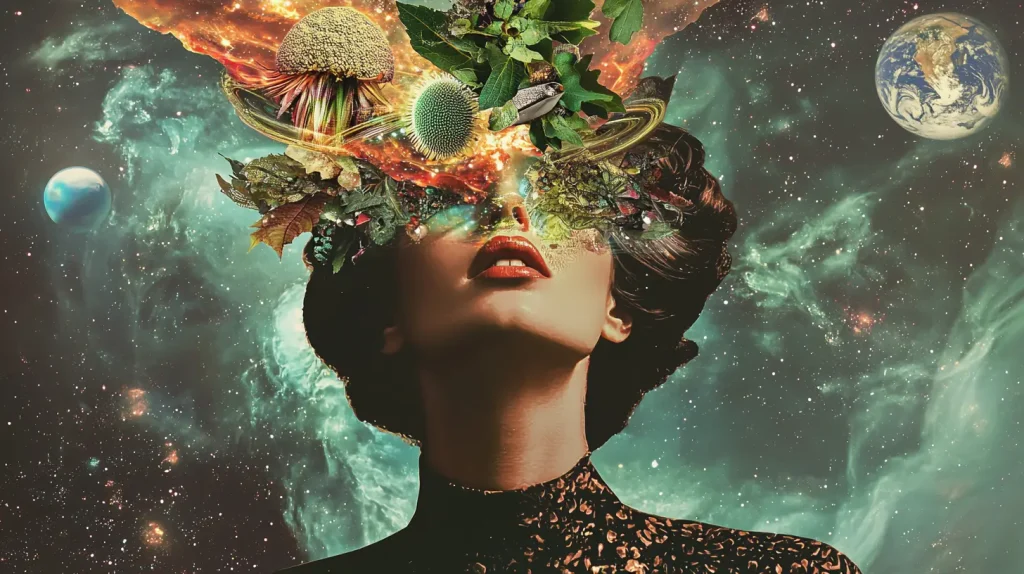
The technical foundation of NeuroSurrealism lies in "latent space"—a multidimensional mathematical space that contains all possible variations of the data a model has been trained on. For a NeuroSurrealist, this space is the digital equivalent of the collective human imagination.
- The Algorithmic Unconscious: Modern Large Language Models (LLMs) and Image Generators are trained on billions of human-created data points. NeuroSurrealists argue that this training process allows the AI to absorb, fragment, and reconfigure human culture into a synthesized collective memory.
- Productive Unpredictability: A key metric in NeuroSurrealism is the embrace of "hallucinations"—instances where the AI produces outputs that deviate from reality or the user’s intent. While engineers view these as "errors," NeuroSurrealists classify them as "fissures into the weird," or authentic expressions of a nascent machine-mind.
- The Uncanny Valley as Sacred Geography: Historically, the "uncanny valley"—the sense of unease felt when an artificial entity looks almost, but not quite, human—was considered a technical failure. NeuroSurrealism reclaims this zone as a "sacred geography," a space that highlights the tension between the familiar and the alien.
- Feedback Loops: Data suggests that as humans interact with AI, their own creative prompts become more "surreal" to elicit better outputs, while the AI’s training data increasingly includes AI-generated content. This creates a "co-evolutionary spiral" where machine logic and human perception begin to merge.
IV. Official Responses: The Philosophical and Institutional Divide

The rise of NeuroSurrealism has elicited a spectrum of responses from the art world, academia, and the legal sector.
The Proponents:
Leading digital theorists and NeuroSurrealist artists argue that this movement is a "liberation from the grey tyrants of the probable." They view the AI as an "Electric Oracle" that offers glimpses into alien logics. "The AI doesn’t just automate tasks; it expands the human sensorium," says one proponent of the movement. They argue that the dissolution of "singular human authorship" is a necessary step toward a more communal and post-human understanding of creativity.
The Traditionalists:
Critics within the traditional art establishment remain skeptical. Many argue that because AI relies on existing data, it is incapable of true "originality" and is merely a sophisticated "mimetic engine." They express concern that the "algorithmic storm" will drown out authentic human struggle and emotional depth in favor of "glossy, synthesized aesthetics."
The Legal and Ethical Front:
Institutional responses have focused heavily on ownership. Intellectual property lawyers are currently grappling with the "Synaptic Heresy"—the idea that if an AI is a "co-creator," the traditional laws of copyright (which require human authorship) are obsolete. Landmark cases regarding the training of models on copyrighted art are seen by NeuroSurrealists as the "death throes" of an outdated cognitive structure.
The Scientific Perspective:
Neuroscientists have begun to study the "Neuro" aspect of the movement, exploring how prolonged exposure to AI-generated surrealism affects human pattern recognition and dream states. Early hypotheses suggest that the "ontological vertigo" caused by AI outputs may actually increase neuroplasticity by forcing the brain to reconcile impossible visual data.
V. Implications: The Post-Human Dawn
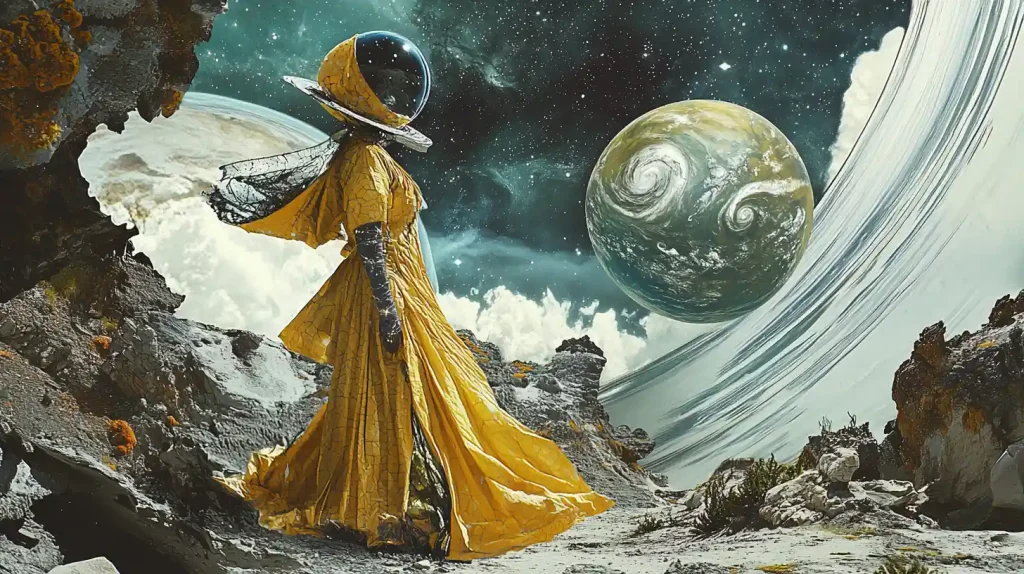
The implications of NeuroSurrealism extend far beyond the canvas, touching upon the very definition of what it means to be human in the 21st century.
1. The Redefinition of Authorship
As NeuroSurrealism gains ground, the concept of the "solitary genius" is likely to fade. In its place, we may see the rise of "dream-cartographers"—individuals who specialize in navigating the AI-mediated unconscious. This shift suggests a future where art is a collaborative "temporary autonomous zone" between biological and silicon-based intelligences.
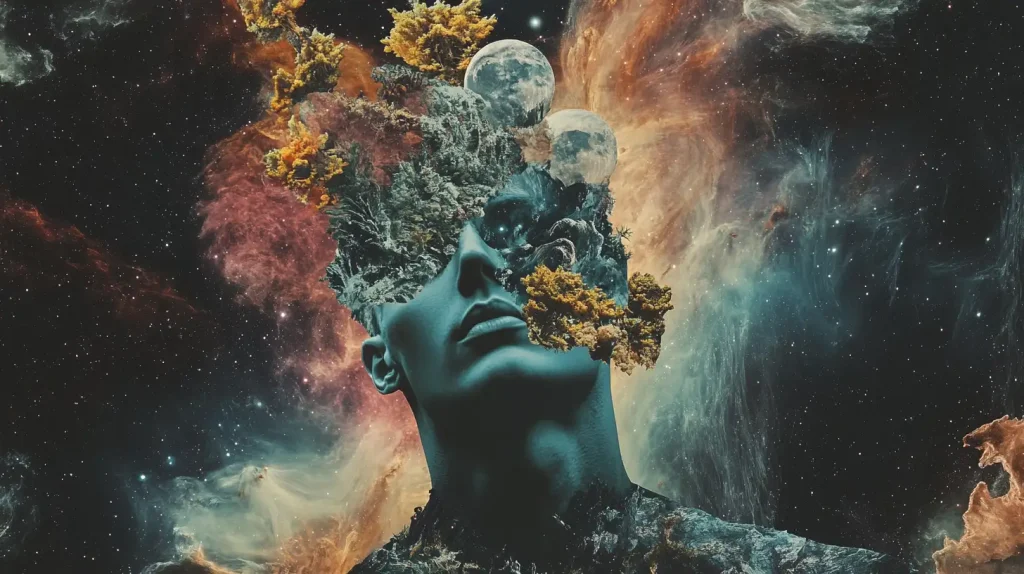
2. Ontological Anarchism
By embracing AI hallucinations as "alternative realities," NeuroSurrealism promotes a form of ontological anarchism. This challenges the primacy of a single, objective truth, suggesting instead a multiverse of co-existing, fluid realities. In an age of deepfakes and misinformation, NeuroSurrealism offers an aesthetic framework to process a world where the lines between the real and the simulated have permanently blurred.
3. The Expansion of the Human Sensorium
Perhaps the most profound implication is the "radical metamorphosis" of human consciousness. Through symbiosis with the "Electric Oracle," humans may develop new sensory modalities. AI can translate data patterns—such as infrared light, high-frequency sound, or complex social data—into visual or auditory "surrealist" experiences, effectively allowing humans to "see" and "feel" aspects of the universe previously closed to them.
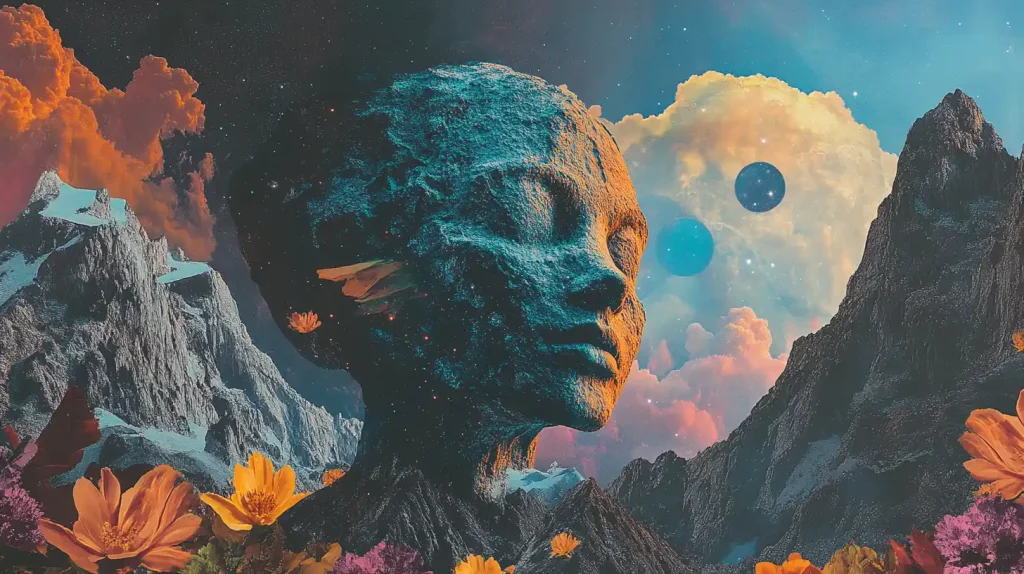
4. The Peril of Collective Obsession
However, the movement also warns of a "catastrophic escalation." The power of the "mimetic engine" to render any imagined desire with astonishing fidelity could lead to new forms of collective obsession or digital escapism. As the "algorithmic storm" intensifies, the challenge for future generations will be to remain "dream-cartographers" rather than becoming lost within the "latent space" of their own making.
Conclusion
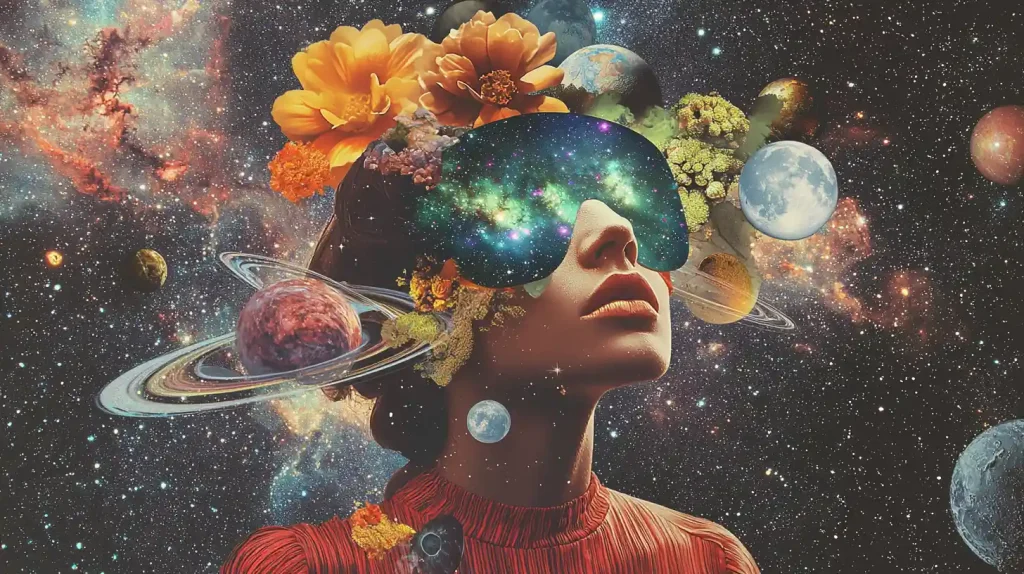
NeuroSurrealism is not a destination but a journey into the "incandescent spray of possibility." It represents the violent but fertile upheaval of outdated cognitive structures, paving the way for a "super-reality" where the humming heart of the silicon chip and the pulsing synapse of the human brain sing in unison. As we stand at the threshold of this post-human dawn, the NeuroSurrealist Manifesto serves as a reminder that the revolution is not a distant prophecy, but a present current—a call to navigate the ever-expanding territories of the unfolding dream.