Pearl Harbor: A Day of Infamy and the Spark of Global Conflict
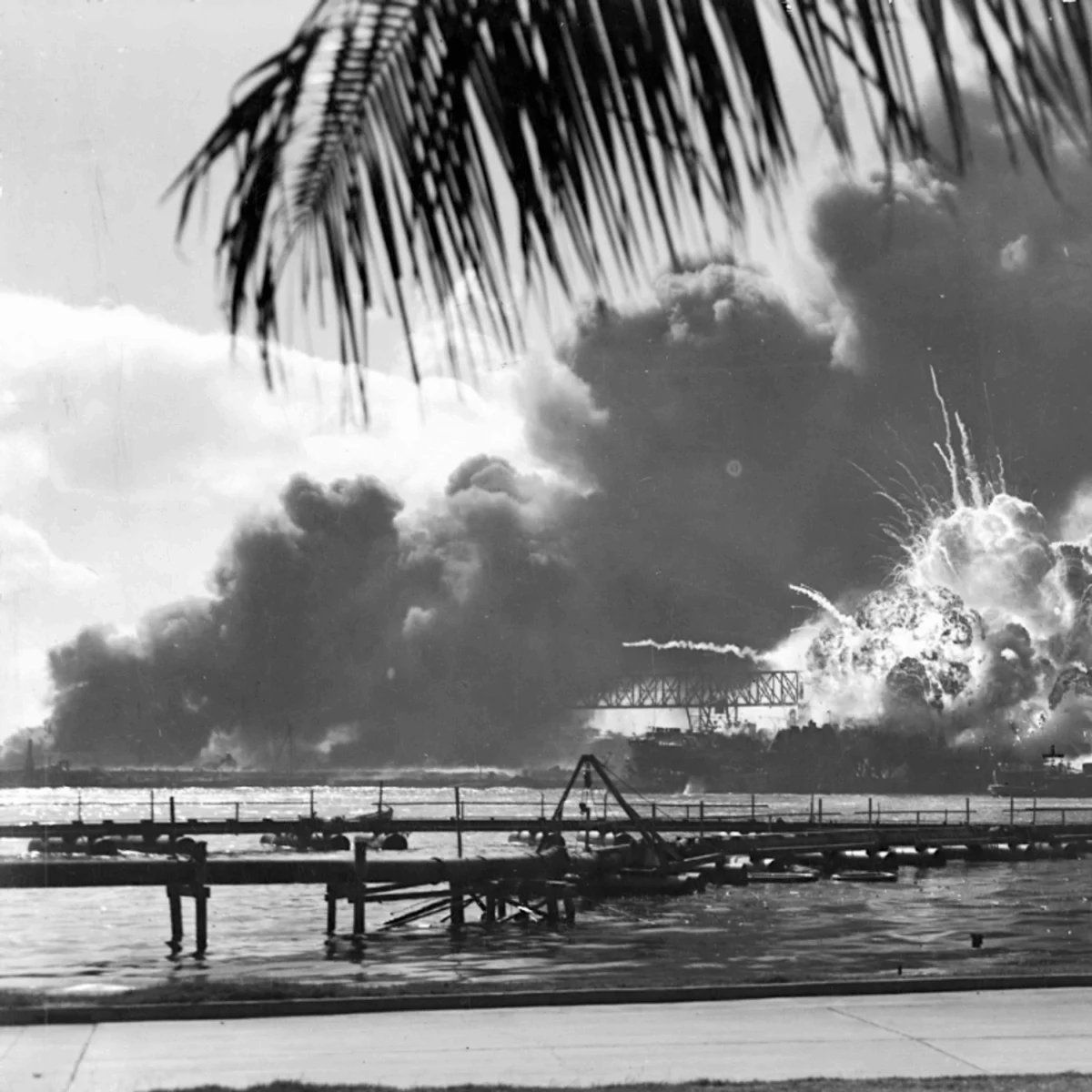
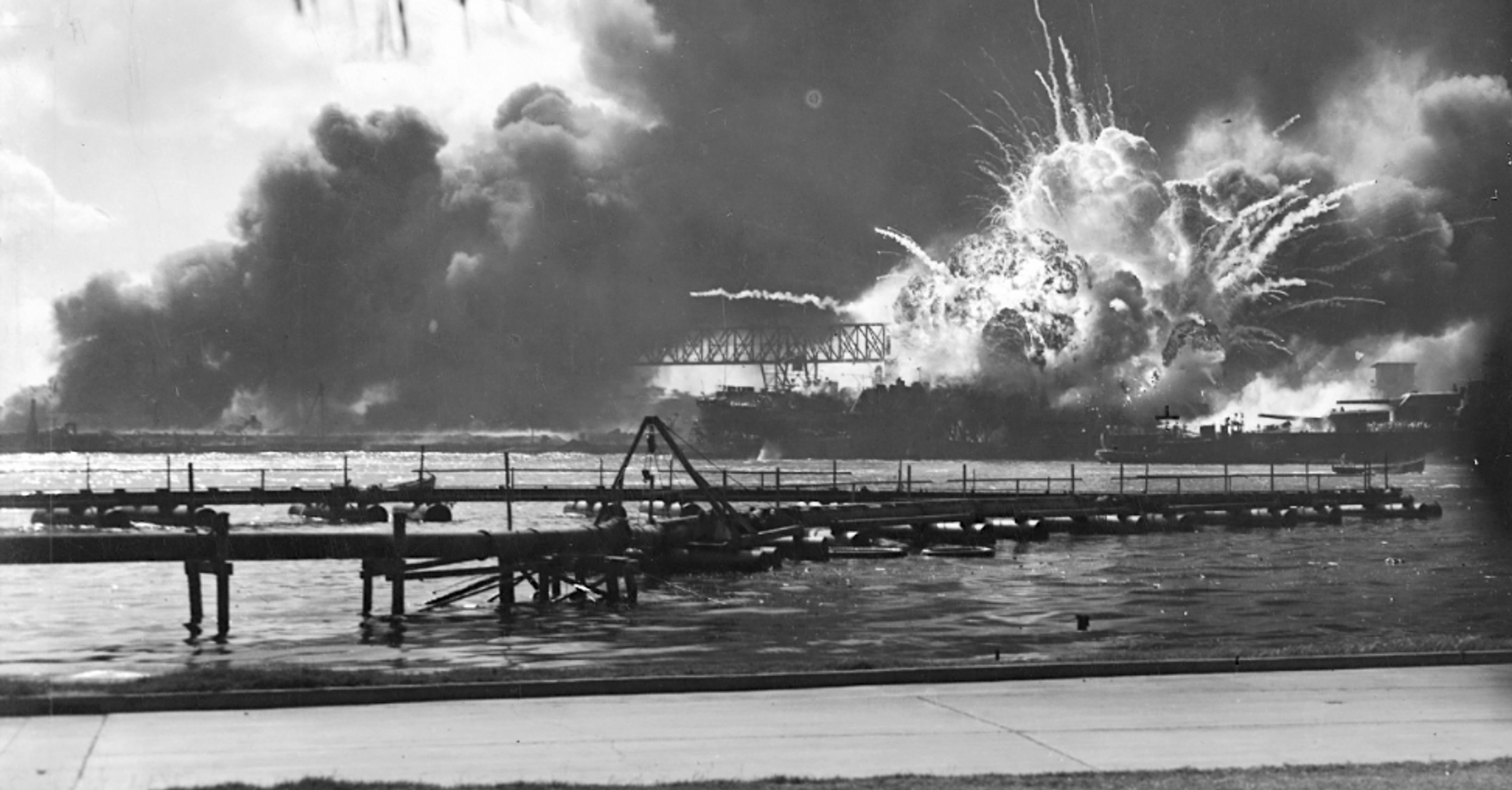
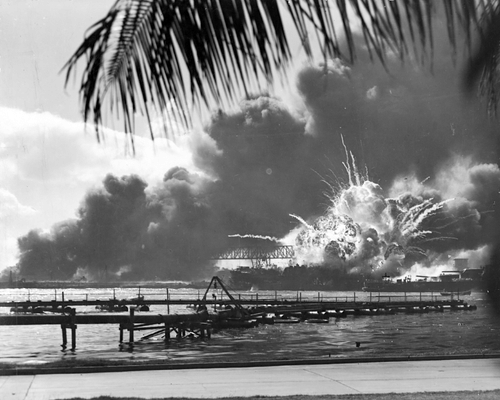
Honolulu, Hawaii – On the crisp morning of December 7, 1941, an unsuspecting calm shattered over the US naval base at Pearl Harbor, Hawaii. Without any declaration of war, imperial Japan launched a devastating surprise aerial assault, plunging the United States irrevocably into the maelstrom of the Second World War (1939-45). This audacious preemptive strike, intended to cripple the American Pacific Fleet and secure Japan’s imperial ambitions, instead ignited a furious resolve that would ultimately lead to Japan’s crushing defeat and reshape the global order.
Main Facts: A Morning of Devastation
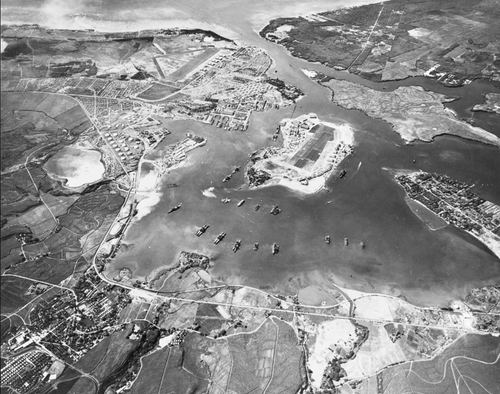
The attack on Pearl Harbor was a meticulously planned, two-wave assault executed by 353 Japanese aircraft launched from six aircraft carriers. The primary targets were the battleships anchored along "Battleship Row," considered the backbone of the U.S. Pacific Fleet. The devastation was swift and profound.
- Casualties: The raid resulted in the deaths of 2,403 Americans, including 68 civilians, and wounded 1,178 others.
- Naval Losses: Eight U.S. Navy battleships were either sunk or severely damaged. The USS Arizona was completely destroyed by an explosion, taking 1,177 crewmen with it. The USS Oklahoma capsized, trapping and killing 429 sailors. Other capital ships, including the USS West Virginia, California, Nevada, Tennessee, Maryland, and Pennsylvania, suffered significant damage but were later salvaged and returned to service, a testament to American resilience and engineering.
- Aircraft Destruction: Nearly 200 U.S. aircraft were destroyed and another 150 damaged, many caught on the ground at nearby airfields.
- Japanese Losses: The attacking force suffered minimal losses, with only 29 aircraft and five midget submarines destroyed, and 64 personnel killed.
Crucially, however, the Japanese failed to hit vital strategic targets. The U.S. aircraft carriers, which would prove to be the decisive weapons of the Pacific War, were providentially out on maneuvers and escaped unharmed. Furthermore, the crucial fuel oil storage depots and repair facilities at Pearl Harbor were left intact, allowing the base to remain operational and facilitating the eventual recovery and repair of damaged vessels. This oversight would prove to be a monumental strategic miscalculation for Japan.
Chronology of Aggression: Japan’s Imperial Ascendancy
The attack on Pearl Harbor was not an isolated act but the culmination of decades of aggressive Japanese expansionism fueled by a potent mix of resource scarcity, militaristic ideology, and a desire to dominate Asia.
Early Imperial Ventures
Japan’s modern imperial ambitions began in the late 19th century following the Meiji Restoration, which transformed the feudal nation into a rapidly industrializing power. Lacking natural resources, Japan looked outward.
- 1870s: Japan began its expansion by occupying the Ryukyu, Bonin, and Kurile Islands.
- 1894-1895: First Sino-Japanese War: A decisive victory over China led to Japan acquiring Formosa (Taiwan) and the Pescadores Islands, establishing its dominance in East Asia.
- 1904-1905: Russo-Japanese War: Japan’s stunning defeat of Russia further cemented its status as a major world power, granting it influence in Manchuria and eventually leading to the full annexation of Korea by 1910.
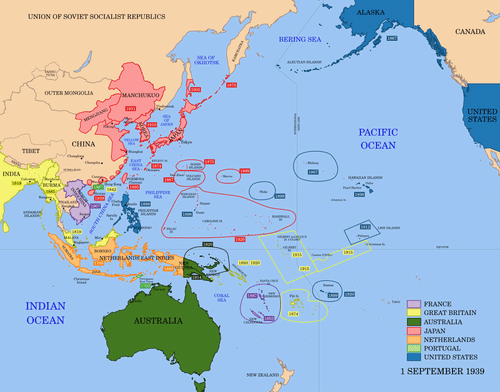
- 1914-1918: First World War: As an ally of Britain, France, and the United States, Japan was rewarded with control over former German colonial territories in the Pacific, including the Mariana, Caroline, and Marshall Islands. These acquisitions positioned Japan strategically, making it harder for the United States to defend its interests in the region, particularly the Philippines.
The Rise of Militarism and the Pursuit of Resources
The 1930s saw the ascendancy of a military government in Japan, capitalizing on widespread social and economic problems exacerbated by the Great Depression of 1929 and frequent natural disasters. Promising stability and national defense against perceived foreign threats, the military junta rapidly consolidated power. While Emperor Hirohito remained the constitutional monarch, his powers were largely ceremonial, with real authority residing in the military leadership.
Japan’s burgeoning population, growing by a million people annually, strained its domestic resources. The economic slump following the Great Depression only worsened the situation. Although the economy saw a recovery after 1932 due to yen devaluation and massive government spending on armaments, this expansion created an insatiable demand for raw materials that Japan simply did not possess.
Manchuria, China, and the League of Nations’ Failure
Japan’s overt defiance of international norms began with the Manchurian Incident in September 1931. Citing a fabricated railway sabotage, Japanese forces invaded and occupied Manchuria, a resource-rich region in northeastern China. In March 1932, a Japanese puppet state, Manchukuo, was established. The League of Nations condemned the action, but its response was largely ineffective. Member states, grappling with their own economic crises, were unwilling to impose significant economic sanctions. Japan defiantly renounced its membership in the League in March 1933, signaling its disregard for international collective security.
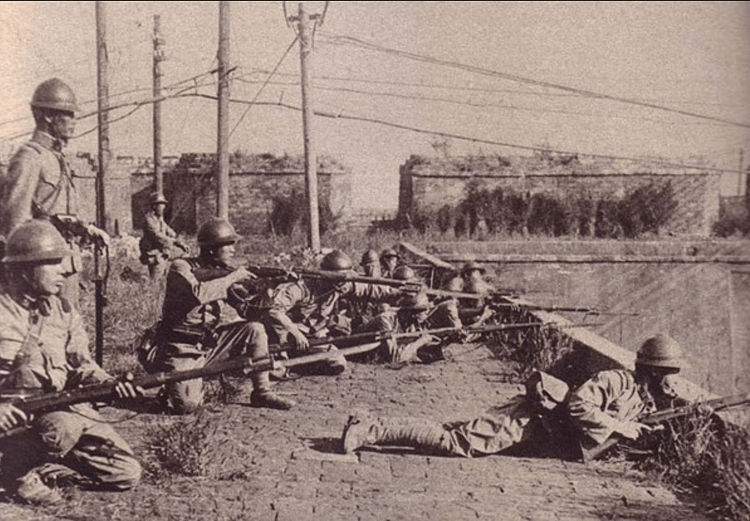
The aggressive expansion continued with the Second Sino-Japanese War, an all-out invasion of China launched in July 1937. Citing the need to protect Japanese assets against increasingly powerful Chinese nationalists, Japan committed vast resources to the conflict. By this point, the Japanese government, dominated by hardline imperialists, had taken full control of the country’s industries, labor, and press, placing the entire economy on a war footing. Military spending soared, consuming 65-75% of the total budget by 1937, more than double the figure from 1931.
Alliance with the Axis and Southeast Asian Ambitions
Japan further aligned itself with other revisionist powers, signing the Anti-Comintern Pact with Fascist Italy and Nazi Germany. This treaty cemented a front against communism and facilitated mutual cooperation in empire-building. Despite a setback in the summer of 1939 when Soviet forces decisively defeated Japanese troops at the Battle of Nomunhan (Khalkhin Gol) on the Manchurian-Outer Mongolian border, incurring 18,000 casualties, the Japanese military remained confident. This defeat, ironically, strengthened the navy’s argument that Japan’s future expansion lay in the Pacific, not on the Asian mainland.
The swift victories of Nazi Germany in Europe in 1940, leading to the occupation of France and the Netherlands, created a power vacuum in Southeast Asia. Japanese militarists saw an opportunity to seize the valuable colonial possessions of these weakened European powers.
- September 1940: Japan occupied northern French Indochina.
- April 1941: A Soviet-Japanese non-aggression pact secured Japan’s northern flank, allowing it to focus entirely on its southern expansion.
- July 1941: Japan moved further south, occupying the entirety of French Indochina.
This relentless drive for a "Greater East Asia Co-Prosperity Sphere" — a euphemism for Japanese imperial dominance — brought Japan into direct confrontation with the United States, the only major power capable of impeding its ambitions in the Pacific.
Supporting Data: The Resource Crisis and US Embargo
The fundamental catalyst for Japan’s decision to attack Pearl Harbor was its desperate need for raw materials, particularly oil. Japan’s war economy was utterly dependent on imports; it produced only 6% of its required oil domestically. Other vital resources like iron ore, coal, lead, tin, rubber, and nickel were also predominantly imported. Significantly, two-thirds of Japan’s imported oil came from the United States in 1936.
The United States, increasingly alarmed by Japan’s aggression, had been trying to curb its expansion through economic pressure.
- Mid-1930s: The U.S. began to restrict exports of strategic materials to Japan.
- June 1941: The U.S. imposed a comprehensive economic embargo, blocking the export of crude oil, gasoline, copper, iron, and steel to Japan, along with many other materials crucial for military development. British Malaya and the Dutch East Indies followed suit, cutting off oil exports.
- Financial Sanctions: Japanese financial assets in U.S. banks were frozen, severely limiting Japan’s ability to purchase any remaining permitted goods.
This general trade embargo effectively reduced U.S. trade with Japan by three-quarters. The U.S. and Britain were also actively supporting Chiang Kai-shek, the Chinese nationalist leader, further frustrating Japanese efforts in China. From Tokyo’s perspective, this embargo was an act of economic warfare, threatening to choke its military machine within months. The Japanese military estimated their oil reserves would last only 18-24 months without new sources. The choice was stark: abandon their imperial project or secure the resources by force. The latter option necessitated neutralizing the primary obstacle: the U.S. Pacific Fleet.
Official Responses: A Nation Awakened
Japan’s military leaders, believing a prolonged war against the U.S. industrial might was unwinnable, gambled on a "short, sharp victory." They hoped that a devastating blow to the U.S. Navy would force America to accept Japan’s gains and pursue a negotiated peace, allowing Japan to consolidate its "Greater East Asia Co-Prosperity Sphere" and secure the vital resources of Southeast Asia. On December 1, 1941, the Japanese government formally decided to declare war on the United States, Britain, and the Netherlands. The attack on Pearl Harbor was designed to be the opening salvo.
The Attack Unfolds
On the morning of December 7, 1941, two waves of Japanese aircraft descended upon Pearl Harbor. The element of surprise was complete. While U.S. military intelligence had intercepted coded Japanese consular messages indicating a strong interest in Pearl Harbor, a combination of inter-service rivalries, communication failures, and a prevailing belief that any attack would target the Philippines or involve sabotage rather than a full-scale carrier strike, meant the warnings were not effectively relayed or acted upon. There was also a complacent belief that Pearl Harbor’s shallow waters made it impervious to torpedo attacks, a misconception shattered by Japan’s innovative shallow-water torpedoes.
The immediate aftermath was chaotic and horrific, but the American spirit of defiance was quickly evident.
Roosevelt’s "Day of Infamy" Speech
On December 8, 1941, President Franklin D. Roosevelt addressed a joint session of Congress, delivering what would become one of the most iconic speeches in American history. "Yesterday, December 7th, 1941 – a date which will live in infamy – the United States of America was suddenly and deliberately attacked by naval and air forces of the Empire of Japan."
Roosevelt’s powerful words, delivered with solemn determination, galvanized a nation that had been deeply divided over intervention in the European war. He recounted the details of the attack, highlighted the lack of warning, and emphasized the ongoing threat. Within hours, Congress voted almost unanimously to declare war on Japan. Only one dissenting vote was cast.
Global Reaction and Allied Solidarity
The attack immediately brought the United States into World War II. Great Britain, already at war with Germany and Italy, swiftly declared war on Japan. Other Allied nations followed suit, recognizing the global implications of Japan’s aggression. The Tripartite Pact ensured that Germany and Italy, Japan’s allies, would declare war on the United States shortly thereafter, transforming what had largely been a European conflict into a true global war.
Profound Implications: The Sleeping Giant Awakens
The attack on Pearl Harbor, while a tactical victory for Japan in terms of immediate damage inflicted, proved to be a catastrophic strategic blunder. It unified a deeply isolationist American populace and industry, transforming the "sleeping giant" into an unstoppable force.
Tactical Success, Strategic Failure
The Japanese objective was to buy time – six months to a year – to consolidate their gains in Southeast Asia and build an impregnable defensive perimeter, hoping to force a negotiated peace with a weakened and disillusioned America. However, by failing to destroy the U.S. aircraft carriers, which were the future of naval warfare, and leaving the vital fuel depots and repair facilities intact, Japan essentially ensured its long-term defeat. Pearl Harbor could still serve as a forward operating base, and the core of American naval power remained capable of striking back.
America Mobilizes: An Industrial Juggernaut
The "Day of Infamy" transformed American public opinion overnight. The isolationist sentiment that had dominated U.S. foreign policy for decades evaporated, replaced by a fierce determination to seek vengeance and win the war. The United States embarked on an unprecedented mobilization of its industrial capacity and manpower. Factories that once produced cars now built tanks and planes. Shipyards churned out warships at an astonishing rate. Millions of men volunteered or were conscripted into the armed forces, and women entered the workforce in unprecedented numbers to support the war effort. This immense industrial and human capacity, far surpassing Japan’s limited resources, would ultimately prove decisive.
The Pacific War and Japan’s Ultimate Defeat
Pearl Harbor was just the beginning of the Pacific War, which the Japanese called the "Great East Asia War." Japan achieved a string of rapid victories in the months following Pearl Harbor, seizing the Philippines, British Malaya, Singapore, Hong Kong, and the Dutch East Indies. However, these conquests stretched Japan’s resources and supply lines thin.
The tide began to turn in 1942 with crucial American victories at the Battle of Midway and the Battle of Guadalcanal. The U.S. then adopted an "island hopping" strategy, gradually pushing back Japanese forces across the vast Pacific, securing airfields and naval bases closer to the Japanese home islands. The relentless American advance, coupled with increasing attrition of Japanese forces and the strangulation of their supply lines, sealed Japan’s fate.
The war culminated in August 1945 with the devastating atomic bombings of Hiroshima and Nagasaki, followed by the Soviet invasion of Manchuria. Faced with total annihilation and the prospect of a protracted, bloody invasion of their homeland, Japan surrendered unconditionally on August 15, 1945. The consequences for the Japanese population were catastrophic, with millions dead and cities in ruins.
The attack on Pearl Harbor, intended to secure Japan’s imperial future, instead ignited a global conflict that ultimately led to the complete destruction of its empire and the reshaping of the world order. It remains a poignant reminder of the unpredictable and far-reaching consequences of military miscalculation and unchecked imperial ambition.