The Anatomy of the Final Girl: How ‘Teenage Sex and Death at Camp Miasma’ Redefines the Slasher Paradigm
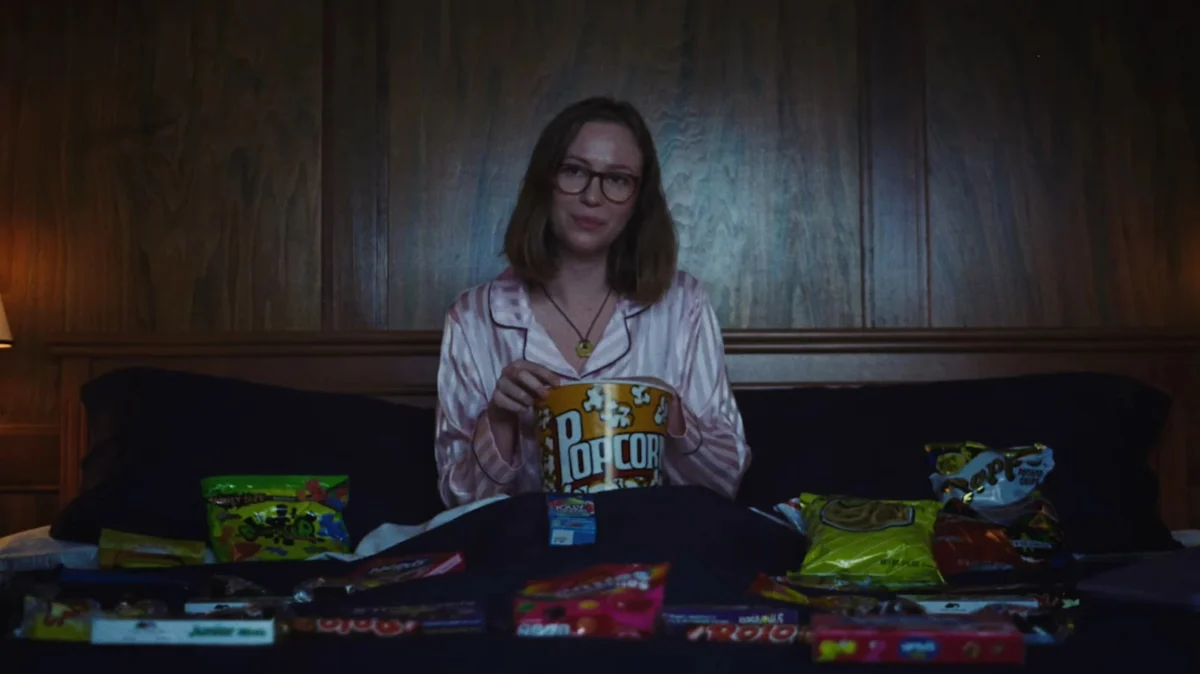
The year 2026 has marked a significant turning point for the horror genre, specifically for the subgenre that many critics once considered "exhausted": the slasher. While the 2010s and early 2020s were defined by "elevated horror" and psychological dread, Jane Schoenbrun’s latest masterwork, Teenage Sex and Death at Camp Miasma, has returned to the blood-soaked woods of the 1980s—not to simply pay homage, but to perform a forensic autopsy on the very concept of the slasher film.
Starring Hannah Einbinder and Gillian Anderson, the film has quickly become a cultural lightning rod, sparking intense debates about gender, media consumption, and the "rules" of survival. By weaving together academic film theory with a visceral, surrealist narrative, Schoenbrun has created a cinematic thinkpiece that interrogates why we watch, why we scream, and what it means to survive.
Main Facts: A Meta-Textual Descent into ‘Little Death’
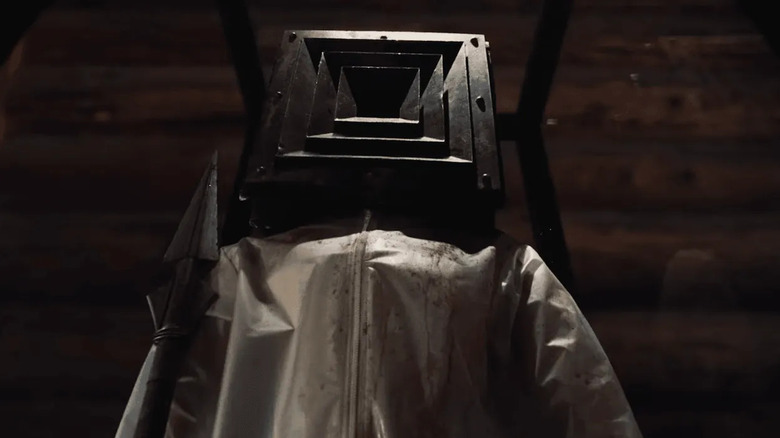
Teenage Sex and Death at Camp Miasma follows Kris (Hannah Einbinder), a visionary queer director obsessed with a fictional 1980s slasher franchise titled Little Death. The franchise, a clear stand-in for the Friday the 13th or Sleepaway Camp era, features a killer known as "Little Death" who dispatches camp counselors with a signature harpoon.
The narrative engine ignites when Kris travels to the original filming location—a now-decrepit, snow-covered summer camp—to track down Billy Presley (Gillian Anderson). Billy was the "Final Girl" of the original Little Death film, but unlike the real-world scream queens who embraced the convention circuit, Billy has lived a reclusive, Norma Desmond-esque existence in the ruins of the set.
The film operates on two levels: a literal slasher revival and a meta-commentary on the genre. It doesn’t just feature kills; it discusses the semiotics of the kill. As Kris and Billy’s relationship deepens, the boundaries between the 1980s film and their current reality begin to dissolve, suggesting that the "rules" of the slasher are not just cinematic tropes, but psychological shackles.
Chronology: From ‘Scream’ to the New Sincerity
To understand the impact of Camp Miasma, one must look at the evolution of horror’s self-awareness. In 1996, Wes Craven’s Scream revolutionized the genre by introducing the "Randy Meeks" archetype—the character who knows they are in a movie and recites the rules of survival: no sex, no drugs, and never say "I’ll be right back."
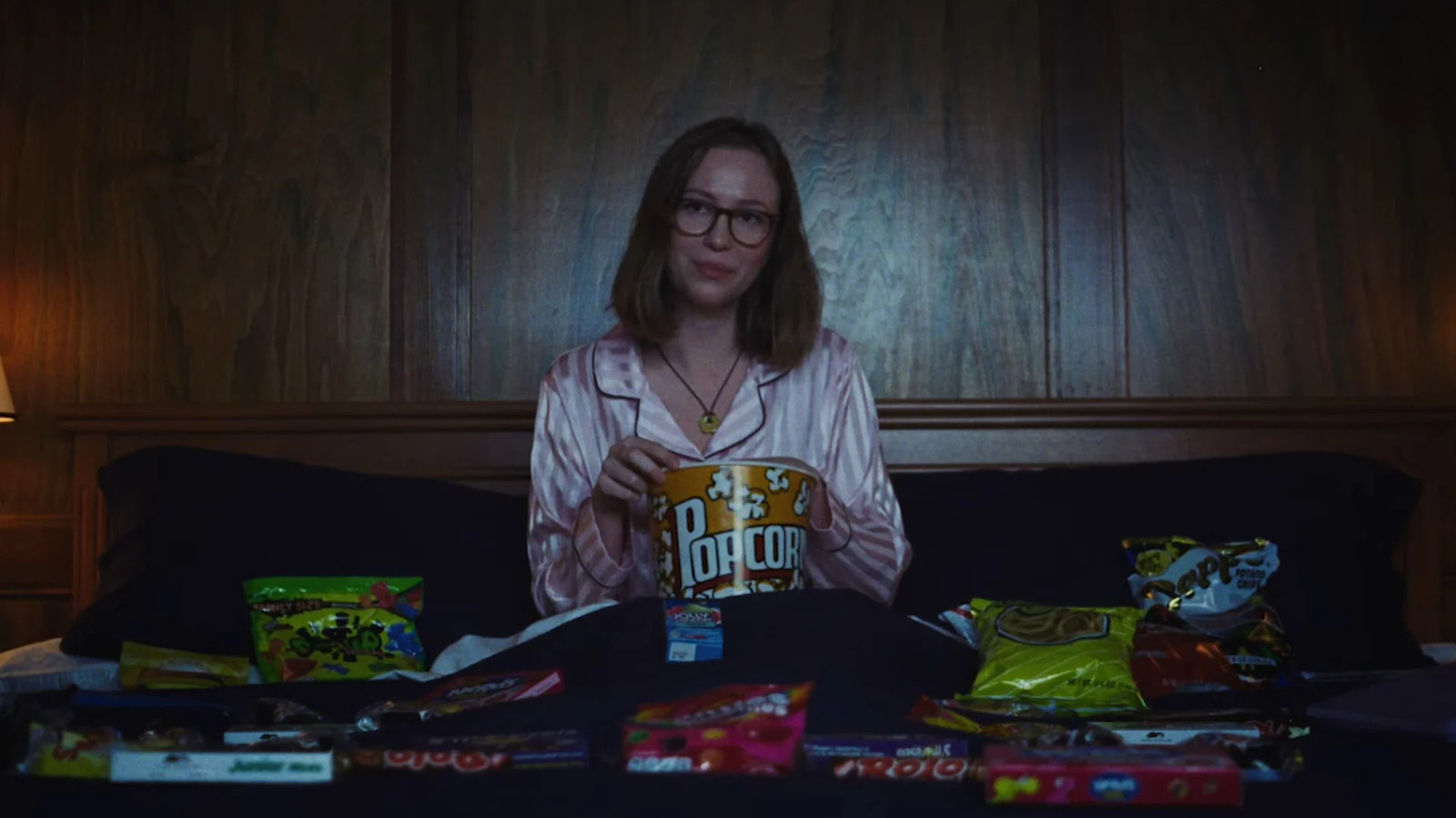
For thirty years, these rules were the gold standard for meta-horror. However, as the 2020s progressed, the "self-aware slasher" became a trope in itself. Filmmakers like Jane Schoenbrun, who previously explored the blurring of digital and physical reality in We’re All Going to the World’s Fair (2021) and I Saw the TV Glow (2024), recognized that the conversation needed to move beyond survival tactics.
Released in early 2026, Camp Miasma represents the culmination of this chronological shift. It moves from the "How" of the slasher (how to survive) to the "Why" (why the genre demands a pure, female survivor). The film’s release followed a decade of discourse regarding the "Final Girl" trope, positioning it as the definitive word on the subject for a generation of viewers raised on Letterboxd reviews and video essays.
Supporting Data: The Academic Foundation of the Final Girl
The intellectual backbone of Teenage Sex and Death at Camp Miasma is Carol J. Clover’s seminal 1992 text, Men, Women, and Chain Saws: Gender in the Modern Horror Film. Clover famously coined the term "Final Girl" to describe the female protagonist who outlasts her peers through a combination of resourcefulness, intelligence, and, most crucially, sexual purity.
The Morality of the Blade
As the film highlights through Kris’s monologues, slasher films are essentially morality tales. They operate on a strict, almost Puritanical code:
- The Punishment of Transgression: Sex and drug use are treated as capital offenses.
- The Barometer of Purity: The Final Girl is the audience’s moral compass. She is often "de-feminized" or made more "masculine" (the use of phallic weapons like knives or chainsaws) to earn her survival.
- The Mirror Effect: The audience is forced to identify with the female victim as she transitions from prey to predator.
‘La Petite Mort’
Schoenbrun leans heavily into the linguistic connection between sex and death. The fictional killer’s name, "Little Death," is a direct translation of the French expression la petite mort—a euphemism for an orgasm. By doing so, the film makes the subtext of 80s slashers explicit: the moment of death and the moment of sexual climax are inextricably linked in the genre’s DNA. The film provides "data" in the form of visual juxtapositions—flesh and fluids, pleasure and pain—proving that the slasher is not about hate, but about a distorted form of intimacy.
Official Responses: Critical Acclaim and the ‘Letterboxd’ Backlash
The response to Teenage Sex and Death at Camp Miasma has been polarized, reflecting the film’s own internal tensions.
Critical Consensus
Mainstream critics have hailed Gillian Anderson’s performance as a career-best. The Hollywood Reporter noted: "Anderson portrays Billy Presley not as a victim, but as a ghost trapped in a celluloid prison. Her performance is a haunting reminder of how we discard our icons once they’ve finished screaming for us."
Hannah Einbinder has also received praise for her portrayal of Kris, a character who represents the modern horror fan—someone who has analyzed the genre so deeply that they risk losing their own identity to it.
The "Academic" Backlash
However, a segment of the horror community has expressed "meta-annoyance." Some critics argue that Schoenbrun is "explaining the joke," presenting decades-old academic theories (like Clover’s) as if they were brand-new discoveries. On social media platforms and film forums, users have pointed out that while the film is aesthetically brilliant, its "revelations" about gender and the male gaze have been discussed in university film departments since the early 90s.
Schoenbrun, ever the provocateur, seems to have anticipated this. The film includes scenes of Kris waxing poetic about the "true meaning" of horror in a way that feels intentionally like a pretentious Letterboxd review. The film isn’t just about the slasher; it’s about the discourse surrounding the slasher.
Implications: The Future of Identity in Media
The release of Teenage Sex and Death at Camp Miasma carries profound implications for the future of the horror genre and the way we consume media.
1. The Integration of Self and Media
A recurring theme in Schoenbrun’s work is how individuals use media to construct their identities. In Camp Miasma, Kris doesn’t just like Little Death; she is the movie. This reflects a broader societal trend where a person’s guiding philosophical principles are often replaced by the aesthetics of the media they consume. The film warns that when we use fiction as a substitute for a voice, we risk becoming as hollow as a discarded film set.
2. Reclaiming the "Trash"
By treating the 80s slasher with the gravity of a Shakespearean tragedy, Schoenbrun forces the audience to recontextualize "trashy" cinema. The film suggests that even the lowliest "video nasty" contains profound truths about our cultural obsession with gendered violence. It encourages a "new sincerity" in horror fandom, where viewers interrogate their emotional responses rather than just counting body counts.
3. The End of the "Rules"
Perhaps the most significant implication is that Camp Miasma may have finally killed the "Randy Meeks" era of horror. By making the subtext the text, Schoenbrun has left future filmmakers with a choice: they can no longer rely on simple meta-commentary. The "rules" have been broken, analyzed, and buried under the snow of Camp Miasma. What comes next must be something entirely new.
Conclusion
Teenage Sex and Death at Camp Miasma is a challenging, often abrasive, but ultimately essential piece of 2026 cinema. It serves as a bridge between the visceral thrills of the past and the psychological complexities of the present. Whether you find its academic leanings enlightening or redundant, there is no denying the power of its central question: When the movie ends and the Final Girl walks away, what part of her is left behind in the dark?
As the film continues its theatrical run, it stands as a testament to the enduring power of the slasher—a genre that, much like its masked killers, refuses to stay dead, no matter how many times we try to bury it.