Ungraded Set to Revolutionize Raw Trading Card Market with Groundbreaking 3D Imaging Technology
LONDON, UK – [Date of Publication] – The burgeoning market for collectible trading cards, from the nostalgic allure of Pokémon to the strategic depths of Magic: The Gathering and Yu-Gi-Oh!, is on the cusp of a significant transformation. A new UK-based startup, Ungraded, is poised to launch a dedicated marketplace aiming to address one of the most persistent challenges faced by collectors: the opaque and often risky process of buying and selling "raw" or ungraded cards online. Utilizing what it describes as "groundbreaking" 3D imaging technology, Ungraded promises unprecedented transparency, allowing potential buyers to inspect cards with meticulous detail before purchase, effectively bridging the trust gap that currently plagues this segment of the multi-billion-dollar industry.
The announcement comes as a welcome development for enthusiasts who frequently navigate a landscape fraught with uncertainty. Unlike high-value cards that warrant the expense and time of professional grading services like PSA, BGS, or CGC, the vast majority of collectible cards traded online fall into the "raw" category. These transactions, often conducted through generalist platforms, are notoriously susceptible to misrepresentation regarding condition, authenticity concerns, and even outright fraud, leading to widespread frustration and financial losses for both buyers and sellers. Ungraded, founded by a pair of seasoned Pokémon card collectors from Cornwall, aims to provide a secure, specialized, and transparent alternative for this crucial segment of the market.
The Core Problem: A Market Built on Trust, Undermined by Uncertainty
The allure of trading card games (TCGs) extends far beyond gameplay, tapping into a vibrant secondary market driven by rarity, nostalgia, and speculative investment. However, this market is bifurcated. At the apex sit ultra-rare, high-value cards, often encased in tamper-evident slabs by professional grading companies after rigorous assessment of their condition. These graded cards command premium prices, and their authenticity and state are verified, offering peace of mind to high-stakes investors.
Below this elite tier lies the vast ocean of "raw" cards. These are cards that, for various reasons—cost of grading, lower individual value, or simply the owner’s preference—have not been submitted for professional assessment. While individually less expensive than their graded counterparts, collectively they represent an enormous volume of transactions. The current ecosystem for trading these cards is largely dominated by platforms like eBay, TCGPlayer, or CardMarket. While these platforms offer reach, they inherently lack standardized verification for raw cards. Sellers often provide limited, static images, sometimes of questionable quality, making it difficult for buyers to accurately gauge a card’s true condition. Discrepancies between advertised and actual condition, the prevalence of counterfeit cards, and the risk of non-delivery are endemic issues that erode buyer confidence and complicate the selling process.
"Speaking from experience, buying and selling rare Pokémon cards on the internet can be a bit of a nightmare," an industry commentator recently noted, echoing sentiments widely held by collectors. "Outside of the cards pricey enough to be officially graded and sealed inside a fancy case by the likes of PSA, looking for less top-dollar cards comes with the constant risk of stumping up the cash for something that either doesn’t arrive at all, arrives in a condition different to what you were expecting, or turns out to be a complete fake." It is precisely this "fuss and frustration of rolling the dice online" that Ungraded endeavors to eliminate.
Main Facts: Ungraded’s Innovative Approach
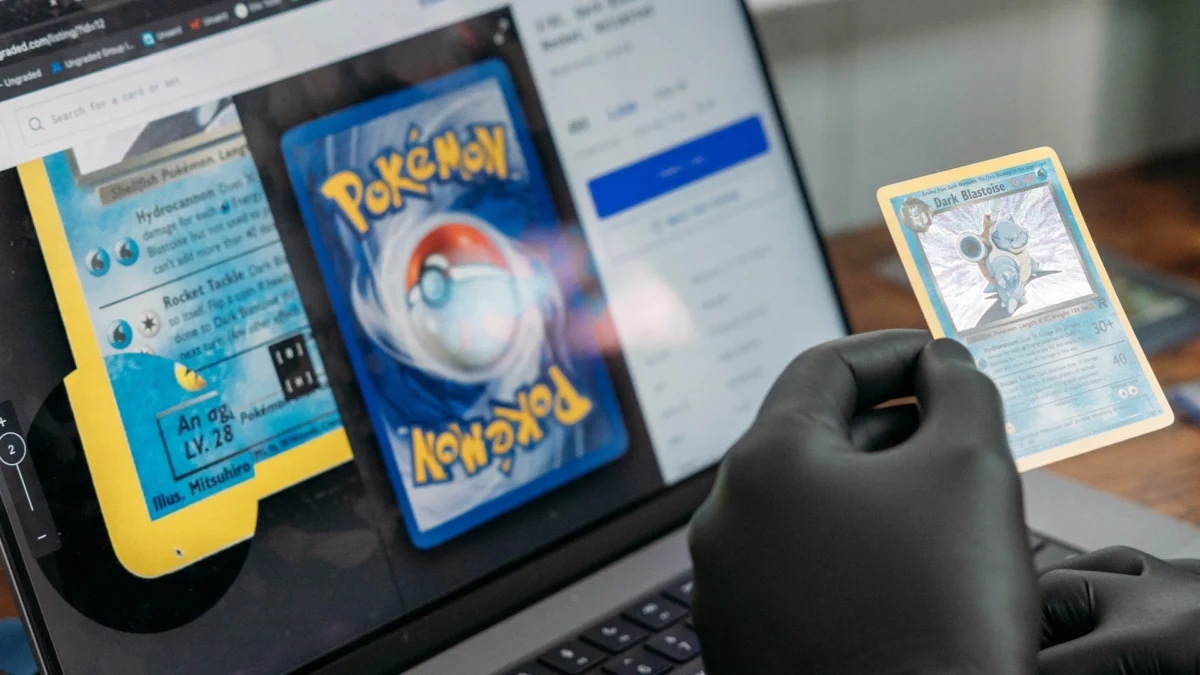
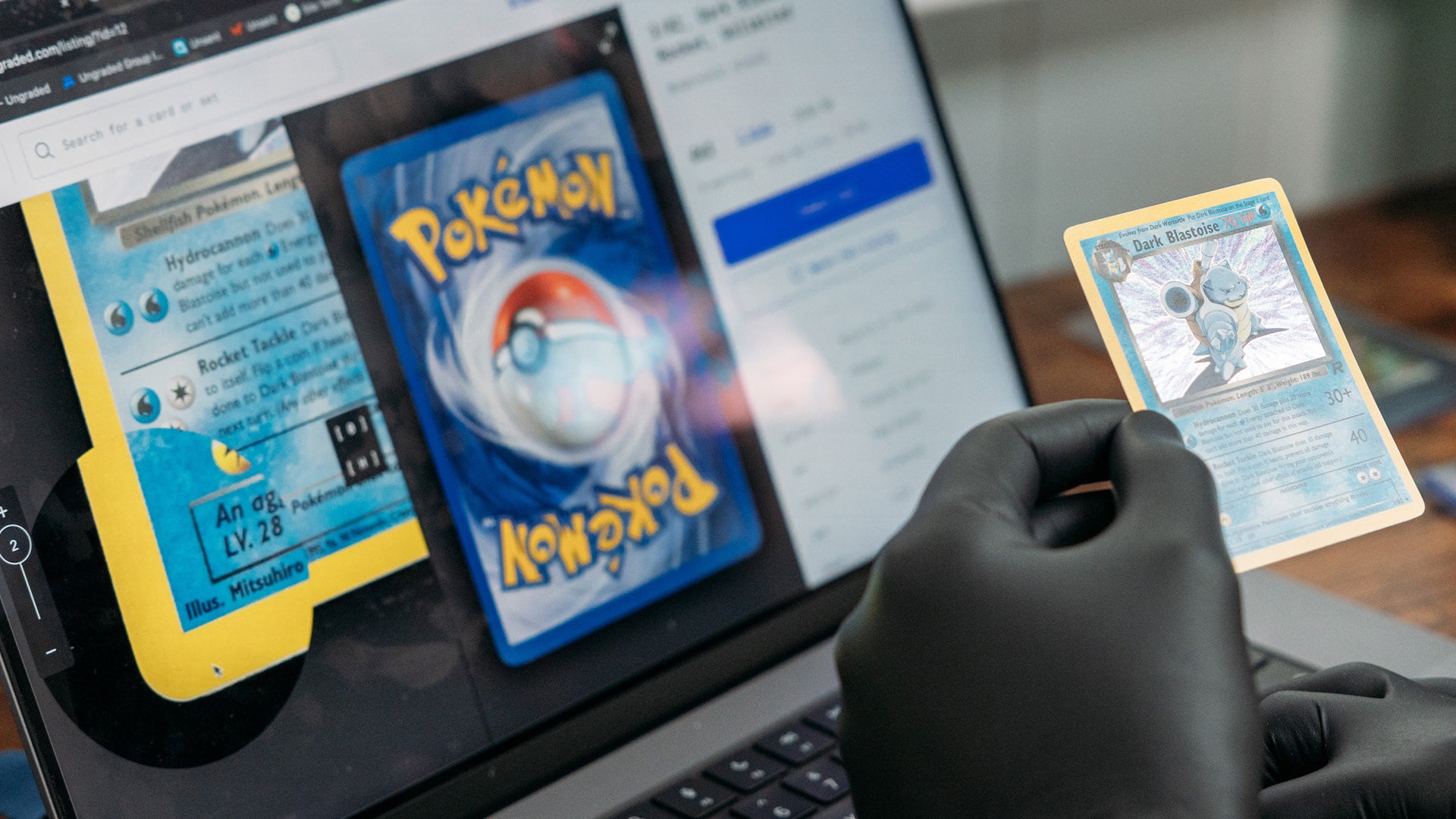
At the heart of Ungraded’s proposition is its proprietary imaging technology. Instead of relying on sellers’ often inadequate photographs, Ungraded requires all listed cards to be sent to its facility. There, an array of high-resolution cameras captures hundreds of ultra high-definition photos of each card from multiple angles. These images are then stitched together to create an interactive 3D digital replica.
This 3D preview is the cornerstone of Ungraded’s promise of transparency. Potential buyers can manipulate this digital model, rotating it 360 degrees, zooming in on minute details, and inspecting every millimeter of the card’s surface. This level of scrutiny allows collectors to identify subtle imperfections like hairline scratches, corner wear, surface indentations, and even the nuances of CMYK print patterns. Such detailed inspection, previously only possible through in-person examination or professional grading, empowers buyers to make fully informed decisions about a card’s condition before placing a bid or making a purchase.
Ungraded plans to support a wide array of popular trading card games, including perennial giants like Pokémon, Magic: The Gathering, and Yu-Gi-Oh!, alongside collectibles from American sports (baseball, basketball, football) and other prominent TCGs. This broad appeal ensures a diverse marketplace catering to various collecting interests.
The startup’s economic model is designed to incentivize sales while covering the costs of its advanced services. For sellers, listing cards valued over £25 is free. Buyers, however, will incur a fee structured on a tiered basis: 20% for cards up to £250, 17.5% for cards up to £1,000, and 15% for cards exceeding £1,000. For fixed-price listings, the seller pays a flat 15% fee, with no additional charge to the buyer. Cards under £25 have a minimum fee of £5, with the seller covering any difference between 20% of the card’s value (paid by the buyer) and this minimum. Furthermore, to encourage timely sales and manage inventory, cards that remain unsold after 30 days will incur an "unsold fee" of 1% of the card’s average price for every subsequent 30-day period. Crucially, Ungraded states it will cover costs such as postage and insurance once a card is sold, streamlining the process for sellers.
Chronology: From Concept to Launch
The journey of Ungraded began with a shared frustration among its Cornish founders, avid Pokémon card collectors themselves. Their firsthand experiences with the perils of online trading for raw cards fueled the vision for a more reliable and trustworthy platform. While the precise inception date of the company remains private, the concept likely germinated from a deep understanding of collector pain points, leading to the formal establishment of the startup.
The development phase would have focused intensely on engineering the proprietary imaging technology. This process, involving specialized hardware and sophisticated software algorithms, would have required significant investment and expertise to achieve the promised fidelity and interactivity of the 3D models.
With the technology sufficiently developed and the marketplace infrastructure nearing completion, Ungraded has outlined a clear launch timeline. The platform is set to initiate a series of pre-launch "auction drops" starting from the end of May. These early auctions will serve as a public debut for the technology, showcasing its capabilities with a curated selection of Pokémon, Yu-Gi-Oh!, and Magic: The Gathering cards. These drops will not only generate early buzz but also allow Ungraded to test its systems and gather initial user feedback in a controlled environment.
The official full marketplace launch is slated for July. At this point, sellers will be able to submit their cards more broadly, and the platform will open for wider buyer engagement. This phased rollout strategy is common for tech startups, allowing for refinement and scaling before a full market immersion. The company’s immediate focus will likely be on establishing its presence within the UK market before potentially considering international expansion.
Supporting Data: A Market Ripe for Disruption
The timing for Ungraded’s entry into the market appears opportune. The global trading card market has witnessed explosive growth in recent years, fueled by nostalgia, pop culture phenomena, and a surge in collecting during the pandemic. Reports from market research firms indicate the TCG market is projected to reach well over $30 billion by the end of the decade, with the secondary market for collectibles playing a crucial role in this valuation. Within this, the "raw" card segment, while harder to quantify precisely, represents a massive volume of transactions that currently operate with significant friction.
The challenges Ungraded seeks to address are well-documented. A 2022 survey of online collectible buyers revealed that over 40% had received an item in a condition worse than advertised, and nearly 15% reported receiving counterfeit goods. For high-value collectibles, dispute resolution can be lengthy and frustrating, often resulting in partial refunds or costly returns. These statistics underscore the urgent need for enhanced verification and transparency.
Current alternatives for raw card transactions fall short. Generic auction sites are notorious for blurry photos, vague descriptions, and a "buyer beware" ethos. While some specialized TCG marketplaces offer slightly better categorization, they still rely on seller-provided images, which inherently limit a buyer’s ability to truly assess condition. Professional grading, while definitive, can cost upwards of $100 per card (and significantly more for expedited services), involve long turnaround times (months, even years during peak demand), and is typically reserved for cards with a market value that justifies the investment. Ungraded aims to carve out a niche precisely between these two extremes, offering a high-fidelity inspection solution for cards that don’t warrant professional grading but still represent a significant investment for collectors.
The technical prowess behind Ungraded’s 3D imaging is a key differentiator. Unlike a simple gallery of static images, the creation of a rotatable, zoomable 3D model involves sophisticated photogrammetry techniques. This process captures not just the card’s surface but its subtle topography, allowing for the detection of bends, creases, and texture variations. The ability to view CMYK print patterns, for instance, is a critical feature for verifying authenticity, as counterfeit cards often exhibit different printing characteristics. This level of detail surpasses anything currently offered by mainstream platforms for raw cards.
Ungraded’s fee structure, while appearing robust, is designed to cover the operational costs associated with this advanced technology, secure storage, comprehensive insurance, and dedicated customer support. Compared to the variable fees on general auction sites (which can include listing fees, final value fees, and payment processing fees), or the fixed, often higher percentages charged by specialized consignment services, Ungraded’s model aims to offer a value proposition tied directly to increased buyer confidence and streamlined logistics. The "unsold fee" serves a dual purpose: it encourages sellers to price their cards competitively to ensure a quick sale and helps Ungraded manage the physical inventory of cards awaiting sale, preventing its facilities from becoming storage units for overpriced items.
Official Responses: Vision and Industry Outlook
While specific official quotes from Ungraded’s founders are not extensively detailed in initial reports, their motivation is clear. "Our aim is to bring trust and transparency back to the raw card market," a representative from Ungraded might state, articulating the company’s core mission. "As collectors ourselves, we intimately understand the anxiety of buying a card online only for it to arrive in a vastly different condition. Our 3D imaging technology removes that guesswork, empowering buyers with unprecedented visual information and offering sellers a premium service that maximizes their card’s value through verified presentation."
Industry analysts are cautiously optimistic about Ungraded’s potential impact. "The raw card market is a wild west, and any innovation that introduces greater transparency is a net positive," comments Sarah Jenkins, a market analyst specializing in collectibles. "Ungraded’s approach of centralizing the imaging process and creating interactive 3D models could be a game-changer. It addresses a real pain point for a massive segment of collectors who want more than blurry photos but don’t need or want to pay for full professional grading."

However, Jenkins also highlights the challenges: "The key will be execution and scalability. Can they process a high volume of cards efficiently while maintaining the quality of their 3D scans? And will the fee structure be palatable enough to draw sellers away from established, albeit imperfect, platforms?"
The founders would likely position Ungraded not as a direct competitor to professional grading services, but as a complementary solution. "We’re not looking to replace PSA or Beckett," an Ungraded spokesperson could clarify. "Those services are essential for the ultra-high-end market. We’re focused on the vast majority of valuable raw cards that sit in the middle – cards that deserve better presentation than a typical eBay listing, but for which professional grading isn’t always practical or cost-effective." This nuanced positioning is crucial for gaining acceptance across the collecting spectrum.
Implications: Reshaping the Collectibles Landscape
Ungraded’s launch carries significant implications for the trading card market and the broader collectibles industry.
Enhanced Trust and Transparency: The most immediate and profound impact will be on buyer confidence. By enabling detailed, interactive inspection of raw cards, Ungraded has the potential to drastically reduce disputes over condition, fostering a more trustworthy environment for transactions. This could encourage more collectors to buy and sell online, increasing market liquidity.
Increased Market Accessibility: For cards that are valuable but not ‘grail’ status, the current options are often unsatisfactory. Ungraded creates a viable, standardized middle ground. This could democratize access to the market, making it safer and more appealing for new collectors who might otherwise be deterred by the risks associated with raw card purchases.
Pressure on Existing Platforms: If Ungraded gains traction, it could compel established marketplaces to innovate their own raw card listing features. The standard of "a couple of blurry photos" may no longer be acceptable as collectors become accustomed to higher levels of detail and transparency.
Challenges and Hurdles:
- Scalability: The manual process of receiving, imaging, and securely storing hundreds or thousands of cards daily presents a significant logistical challenge. Ungraded will need robust operational infrastructure to handle anticipated volume without compromising turnaround times or image quality.
- Accuracy and Perception: While the 3D imaging is advanced, the ultimate test will be whether it truly satisfies discerning collectors. Some purists may still argue that nothing replaces a physical inspection. Building and maintaining trust in the accuracy of the digital replicas will be paramount.
- Market Adoption: Convincing sellers to send their cards to a third party, and buyers to pay a premium for the service, requires overcoming inertia and skepticism. The initial auction drops will be critical for demonstrating value.
- Fee Structure Viability: The tiered buyer fees and the unsold card fee will be closely scrutinized. While justified by the service provided, they could be a barrier for some lower-value transactions or for sellers who are unsure of their card’s market price.
- Competition and Innovation: The success of Ungraded might inspire similar ventures or prompt existing grading companies to offer less comprehensive, more affordable "authentication only" or "digital imaging" services.
- International Expansion: The initial focus on the UK market, with fees in GBP, suggests a measured approach. Expanding globally would introduce complexities related to international shipping, customs, payment processing, and potentially different market expectations.
Future Potential:
Should Ungraded succeed, its model could be replicated across other physical collectibles markets where condition is paramount and verification is difficult, such as comic books, stamps, or vintage toys. The data generated from countless 3D scans could also be leveraged for advanced market analytics, offering insights into card conditions, common wear patterns, and pricing trends that are currently opaque.
In conclusion, Ungraded represents an ambitious and intriguing attempt to solve a long-standing problem in the trading card ecosystem. By placing advanced 3D imaging technology at the forefront of its marketplace, the startup aims to inject a much-needed dose of trust and transparency into the volatile raw card market. Its launch this summer will be closely watched by collectors and industry observers alike, eager to see if this Cornish innovation can indeed usher in a new era of confidence for trading physical collectibles online. The potential is significant, but like any pioneering venture, its ultimate success will hinge on flawless execution and widespread market acceptance.