Unveiling the Supernatural Underbelly of Atlanta: A Deep Dive into Kevin A. Davis’s "Atlanta’s Guide to Cryptids"
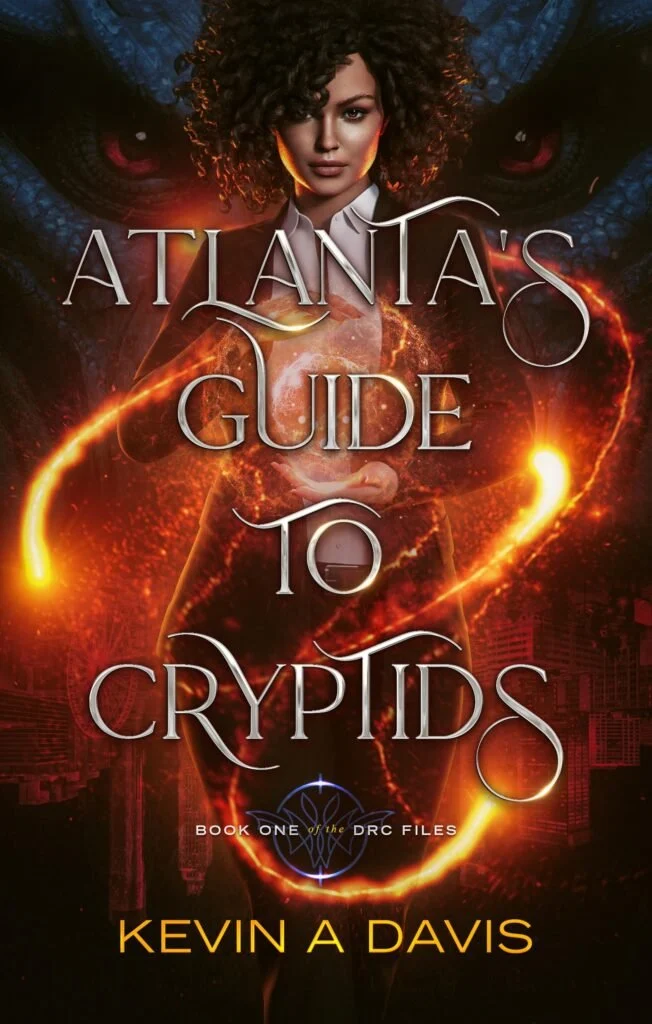
ATLANTA, GA – In a world where the veil between the mundane and the monstrous is perilously thin, a new literary voice emerges to guide readers through the hidden dangers lurking in the shadows of urban landscapes. Kevin A. Davis’s Atlanta’s Guide to Cryptids, the inaugural volume in the highly anticipated DRC Files series, thrusts readers into the exhilarating yet perilous life of Kristen, the newest recruit to the clandestine Department of Realm Containment (DRC). Far from a mere entry-level position, Kristen’s initiation is a baptism by fire, forcing her to confront the grim reality that werewolves, vampires, witches, and revenants are not merely figures of folklore but potent threats demanding containment.
Billed as a "paranormal procedural," Davis’s narrative promises a unique blend of supernatural intrigue and investigative work, all set against the vibrant backdrop of Atlanta. The novel invites readers to step into a realm where mythical creatures walk among us, and a select few are tasked with safeguarding humanity from the true dangers that threaten our very existence. This initial installment offers a fresh perspective on urban fantasy, prioritizing character dynamics and an accessible narrative over overly complex world-building or high-stakes thriller tension, making it an engaging entry point for those seeking a light yet captivating journey into the unknown.
The Crucible of Containment: Kristen’s Unconventional Induction
At the heart of Atlanta’s Guide to Cryptids lies the compelling journey of Kristen, a protagonist whose inexperience is matched only by her burgeoning potential. Her arrival at the Department of Realm Containment is less a gentle introduction and more an immediate immersion into the deep end of a world teeming with supernatural anomalies. The DRC, a shadowy organization operating on the fringes of public awareness, serves as the last line of defense against incursions from "the Realms"—otherworldly dimensions that spill their inhabitants and their dangers into our own. Kristen’s role within this vital department quickly becomes clear: she must adapt, learn, and contribute at an accelerated pace, or risk not only her own life but also the lives of her newly formed team.
The narrative establishes Kristen as a character of considerable resourcefulness. Possessing a "quick wit" and an unexpected "mastery of spells plucked from the Realms," she brings a unique skill set to the otherwise bureaucratic and often dangerous work of the DRC. This blend of innate talent and learned magical ability positions her as a crucial, albeit raw, asset in the ongoing battle against supernatural threats. The novel charts her initial struggles and triumphs, painting a vivid picture of a young woman grappling with extraordinary circumstances while simultaneously trying to find her footing in a demanding new career. Her growth is central to the story, providing readers with a relatable anchor as they navigate the more fantastical elements of the plot.
Navigating the Paranormal Beat: A Chronology of Encounters
The chronological progression of Atlanta’s Guide to Cryptids unfolds primarily through a series of reactive encounters rather than meticulous, proactive investigations. Kristen’s journey begins with her abrupt integration into the DRC team, immediately exposing her to the sheer scale of the challenges they face. From the outset, the story plunges into the immediate aftermath of supernatural incidents, compelling Kristen and her colleagues to respond to emergent threats rather than systematically uncover a central conspiracy from scratch.
Early chapters likely depict Kristen undergoing a crash course in "realm containment" protocols, learning on the fly as the team is dispatched to various incidents across Atlanta. These initial assignments serve to introduce the diverse array of cryptids and supernatural entities that pose a threat. Readers witness the chaotic reality of dealing with rampaging werewolves, the subtle dangers posed by ancient vampires, the unpredictable nature of witches, and the unsettling presence of revenants – restless spirits or reanimated corpses. Each encounter presents a distinct challenge, forcing Kristen to apply her burgeoning magical abilities and rely on her sharp intellect to assist her more seasoned teammates.
While there is an overarching "mystery at the heart of it," as noted by early reviewers, the narrative’s pacing leans heavily on the episodic nature of a procedural. The team is consistently "reacting to what comes their way," with cases often presented as urgent situations demanding immediate intervention. This structure allows for a dynamic sequence of events, keeping the plot moving at a brisk pace and ensuring Kristen’s learning curve is steep and continuous. Her spells, derived from her mysterious connection to the Realms, become critical tools in these skirmishes, often providing the crucial edge needed to contain or neutralize a threat.
A recurring element within this chronological unfolding is the reliance on a dedicated researcher character, whose seemingly instantaneous ability to provide vital information often streamlines the investigative process. While this allows the story to maintain its momentum without getting bogged down in intricate sleuthing, it also shapes the procedural aspect, making it distinct from more traditional, detail-oriented detective narratives. The emphasis remains on the frontline action and the interpersonal dynamics of the team as they navigate each crisis, offering a fresh take on the paranormal investigation genre.
Character-Driven Charm: Supporting Data and Critical Analysis
The critical reception of Atlanta’s Guide to Cryptids underscores its primary strength: its vibrant and engaging cast of characters. Reviewers consistently highlight the "fun banter," "quirky and good company" personalities, and the "easy, enjoyable energy" that permeates the narrative. This character-centric approach is the engine that drives the book, compensating for any perceived lack of "NCIS-level investigative sharpness." The dynamic interplay between Kristen and her teammates creates an inviting atmosphere, allowing readers to settle into the world alongside the protagonist, fostering a sense of camaraderie and shared discovery.
The Ensemble’s Enduring Appeal
Unlike many procedurals that prioritize intricate plot over character depth, Davis’s work excels in crafting an ensemble that feels authentic and compelling. The humor is often situational, born from the absurdity of dealing with supernatural threats on a daily basis, and the banter serves to lighten the mood even in moments of peril. This emphasis on interpersonal relationships means that even when the plot’s twists are less complex, the reader remains invested in the fates and interactions of the DRC team. The novel successfully creates a surrogate family dynamic, where the stakes are not just about containing cryptids but also about protecting and supporting one another.
Worldbuilding: A "Jump In and Find Out" Approach
One distinctive aspect of Davis’s world-building is its "jump in and find out" methodology. Rather than front-loading the narrative with extensive exposition about the various Realms, their histories, or the precise mechanics of magic, the author opts for an organic unveiling. Information is revealed as Kristen encounters new situations and asks questions, mirroring the reader’s own journey of discovery. For some readers, this immersive approach can be highly engaging, fostering a sense of wonder and encouraging active participation in piecing together the larger universe. It allows for a more fluid narrative, free from the pauses often required for detailed explanations. However, for those who prefer a more structured and comprehensively explained fantasy world, this style might occasionally lead to minor frustrations, requiring a greater leap of faith.
Tone: Lightness Amidst Darkness
Despite the presence of "actual murder" and the inherent dangers of fighting supernatural entities, Atlanta’s Guide to Cryptids maintains a notably light and entertaining tone. It "never tips into thriller territory," instead leaning into a sense of adventurous fun. This tonal consistency is achieved through the characters’ resilience, their humor, and the overall narrative pacing that prioritizes engaging encounters over grim, suspenseful tension. The result is a book that offers thrills without becoming overtly dark, making it an accessible read for those who enjoy paranormal themes but prefer a less intense experience.
The Refreshing Absence of Romance
A particularly lauded aspect of the novel, and one that sets it apart in the genre, is the complete absence of a romantic subplot for its female lead. In a landscape where female protagonists are often defined by their romantic entanglements, Kristen’s narrative arc focuses squarely on her professional development, her relationships with her colleagues, and her personal growth in the face of extraordinary circumstances. This deliberate choice is appreciated by many readers who seek stories where women are not solely driven by romantic interests, allowing for a deeper exploration of agency, ambition, and platonic bonds. It provides a refreshing counter-narrative to common genre tropes, emphasizing that a compelling female character does not require a love interest to be central and impactful.
Minor Points of Contention
While overwhelmingly positive in its assessment of the book’s core strengths, the review also touches upon minor elements that, while not detracting significantly from the overall enjoyment, reflect individual reader preferences. Kristen’s occasional internal observations about a colleague’s appearance or pausing to consider her hair mid-investigation are cited as small details that, for some, might momentarily pull focus from the immediate danger. These moments, though fleeting, highlight the challenge of balancing character interiority with the demands of a fast-paced plot. However, they are presented as subjective quibbles rather than fundamental flaws, underscoring the book’s overall success in delivering an engaging experience.
Authorial Intent and Publisher’s Vision: Official Responses (Inferred)
While direct "official responses" from the author or publisher are not provided in the original text, we can infer much about their intent from the book’s execution and critical reception. Kevin A. Davis appears to have consciously crafted Atlanta’s Guide to Cryptids with a specific audience in mind: readers who appreciate urban fantasy and paranormal mystery but prefer a character-driven narrative that is more accessible and less grim than some of its genre counterparts.
The decision to make Kristen an "inexperienced yet determined" protagonist suggests an authorial desire to invite readers into the world alongside her, fostering a shared sense of discovery and growth. This approach broadens the book’s appeal, making it less intimidating for newcomers to the genre while still offering enough intrigue for seasoned fans. The emphasis on "fun banter" and "quirky characters" points to a deliberate choice to prioritize entertainment and camaraderie, perhaps as a counterpoint to the inherent darkness often associated with supernatural themes.
Furthermore, the notable absence of romance for the female lead could be interpreted as a strategic move by both author and publisher to cater to a growing demand for diverse narratives that challenge traditional gender roles and expectations in fiction. It signals a commitment to portraying female characters with agency and self-defined objectives, resonating with a segment of the readership eager for such representation. The "paranormal procedural" billing, while perhaps not delivering on the rigorous investigative depth of an NCIS, likely reflects the publisher’s aim to position the book within a popular subgenre, promising a familiar structure while delivering unique character-centric charm.
Paving the Path for Future Realms: Implications and Series Potential
As the inaugural title in "the DRC Files series," Atlanta’s Guide to Cryptids lays a robust foundation for future installments. The narrative successfully introduces a compelling protagonist, establishes a dynamic ensemble cast, and sketches out a fascinating world where supernatural threats are an undeniable reality. The "jump in and find out" approach to world-building means there is ample room for organic expansion in subsequent books, allowing Davis to gradually unveil more about the Realms, their inhabitants, and the intricate lore that underpins the DRC’s mission.
Expanding the Universe
The series has significant potential to deepen its exploration of Atlanta’s supernatural landscape and beyond. Future books could delve into the origins of the various cryptids, explore the political structures of the different "Realms," and introduce new, more complex threats. Kristen’s continued development as an agent, her growing mastery of spells, and her evolving relationships with her team members offer rich veins for character arcs. The central mystery, currently light, could also be expanded upon, perhaps revealing a larger conspiracy or a more formidable antagonist that ties together seemingly disparate supernatural incidents.
Contribution to the Genre
Atlanta’s Guide to Cryptids positions itself as a refreshing contribution to the urban fantasy and paranormal procedural genres. By prioritizing character dynamics and a light, enjoyable tone, it carves out a niche for readers who appreciate the fantastical elements without the intense psychological drama or gritty realism found in some other series. Its unique blend of magical action, procedural elements, and genuine humor offers a distinct flavor that could attract a broad audience. The emphasis on a strong, non-romantically entangled female lead also sets a positive precedent, contributing to the ongoing diversification of narratives within speculative fiction.
The Enduring Appeal of Urban Fantasy
The book taps into the enduring popularity of urban fantasy, a genre that thrives on the juxtaposition of the mundane and the magical. The idea that mythical creatures might be hidden just beneath the surface of our modern cities continues to captivate readers. By centering its narrative in a recognizable city like Atlanta, Davis grounds the fantastical elements in a relatable setting, making the supernatural intrusions feel all the more impactful.
In conclusion, Atlanta’s Guide to Cryptids by Kevin A. Davis emerges as an easy, entertaining, and character-rich read. It promises to be a series worth following for those who delight in paranormal mysteries, appreciate strong ensemble casts, and prefer their supernatural encounters served with a generous helping of charm and wit, rather than overwhelming drama. As Kristen continues her journey with the Department of Realm Containment, readers can eagerly anticipate further adventures into the hidden corners of our world, where magic and danger intertwine.