Echoes of "Money": Sina Döring Recreates Pink Floyd’s Iconic Sounds at Abbey Road
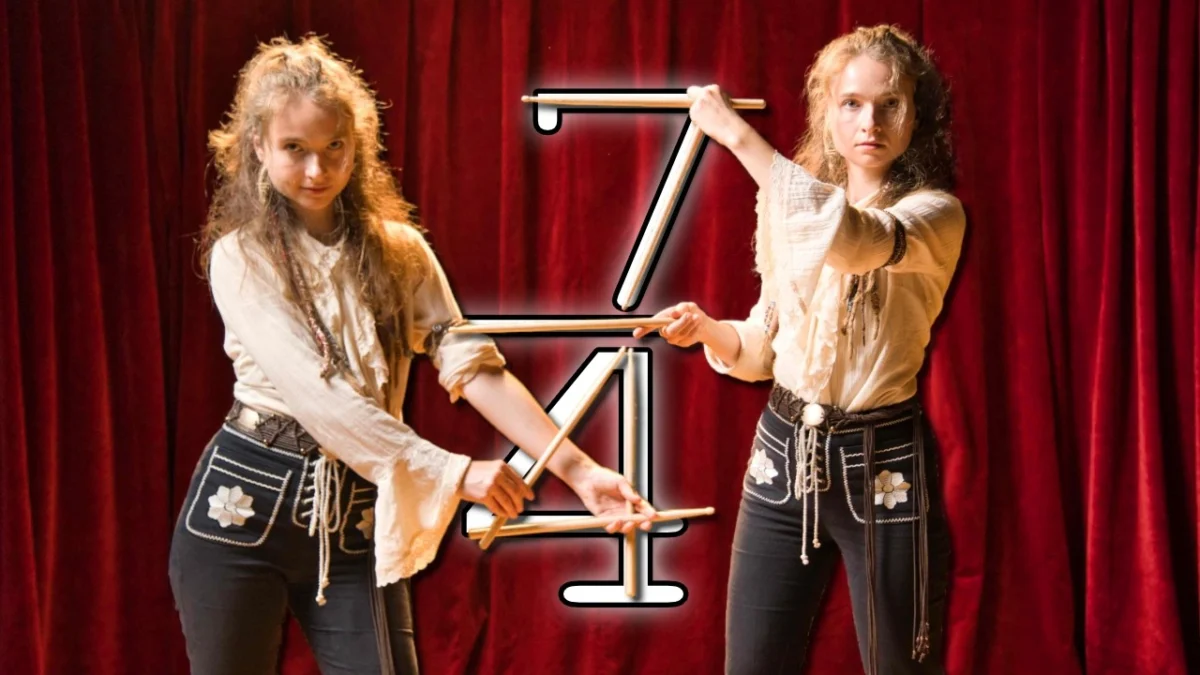
A half-century after Pink Floyd revolutionized sonic landscapes with the groundbreaking "Money," German drummer Sina Döring and her band have brought the song’s visceral soundscape to life in a remarkable live performance at the legendary Abbey Road Studios. Replicating the original’s ingenious use of everyday sounds, Döring’s rendition offers a fresh perspective on a track that continues to resonate with audiences worldwide.
The Genesis of "Money": A Sonic Revolution
When Pink Floyd, the titans of progressive rock, embarked on the creation of their seminal album The Dark Side of the Moon in 1972, they were not merely composing music; they were crafting an immersive auditory experience. Central to this ambition was the track "Money," a biting critique of materialism and consumerism. Roger Waters, the band’s bassist and lyricist, sought to imbue the song with the very essence of its theme. To achieve this, he masterfully incorporated a cacophony of sounds directly associated with financial transactions: the insistent clatter of cash registers, the sharp tear of paper currency, and the metallic jingle of coins. These auditory elements were not mere embellishments; they were integral components of the song’s rhythmic and thematic fabric, setting a precedent for innovative sound design in popular music.
The original recording of "Money" at Abbey Road Studios, a hallowed ground for musical innovation, became a landmark in itself. The band’s willingness to experiment with unconventional sound sources, transforming the mundane into the musical, cemented their reputation as pioneers. The raw, percussive nature of these sounds, meticulously layered into the song’s structure, created a visceral connection with listeners, amplifying the song’s message and leaving an indelible mark on the musical consciousness.
Sina Döring’s Homage: Bringing "Money" to Life, Live
Fast forward fifty years, and the spirit of Pink Floyd’s sonic experimentation finds an ardent champion in German drummer Sina Döring. In a captivating performance that bridges the past and the present, Döring and her band have meticulously recreated the iconic sound effects of "Money" live. This isn’t a mere cover; it’s a thoughtful and skillful deconstruction and reconstruction of the original’s sonic architecture.
Döring’s approach is both inventive and deeply respectful of the source material. Instead of relying on pre-recorded samples, she and her band have embraced a hands-on, analog method to replicate Waters’ original concept. Central to their performance is a physical manifestation of the "money" sounds: a bowl brimming with loose change, a toy cash register, a mechanical money counter, and a sheet of paper that is torn with precision on the beat. These seemingly simple props, when wielded with musical intent, conjure the exact sonic textures that defined Pink Floyd’s groundbreaking track.
The choice of venue for this ambitious recreation is particularly poignant. The performance took place at Abbey Road Studios, the very sanctuary where Pink Floyd recorded The Dark Side of the Moon. This spatial connection imbues the performance with an added layer of significance, evoking the ghosts of musical history and underscoring the enduring legacy of the album and its creators. Performing in the same acoustically renowned space amplifies the authenticity of the endeavor, allowing the echoes of past sonic triumphs to resonate with the present.
The Performance: A Masterclass in Sonic Fidelity and Musicality
The video of Sina Döring’s rendition, available for viewing, offers a fascinating glimpse into the creative process. It showcases the band’s dedication to capturing the spirit of "Money" with remarkable fidelity. The visual element is as engaging as the auditory. Witnessing Döring, a dynamic drummer, skillfully integrate these found sounds into the musical tapestry is a testament to her artistry and the band’s collective talent.
The toy cash register, with its distinct mechanical clicks and whirs, replicates the original’s percussive opening. The deliberate tearing of paper, timed to perfection, mirrors the sharp, unsettling sound that underscored the song’s critique of financial obsession. And the jingle of coins, poured and manipulated, creates a rhythmic counterpoint that is both familiar and refreshingly immediate.
Döring’s musicality extends beyond mere imitation. She and her band infuse the performance with their own energy and interpretation, ensuring that the rendition feels alive and contemporary. While paying homage to the original, they also bring their unique artistic voice to the forefront. The interplay between the band members, their focused concentration, and the palpable passion for the music create a compelling spectacle.
The Enduring Legacy of "Money" and Pink Floyd’s Innovation
The enduring appeal of "Money" lies not only in its catchy melody and Waters’ incisive lyrics but also in its revolutionary sonic palette. Pink Floyd’s decision to incorporate non-traditional sounds was a bold move that pushed the boundaries of what was considered acceptable in popular music. It demonstrated a willingness to experiment and innovate, inspiring countless musicians to explore new sonic territories.
The success of "Money" as a single, despite its unconventional nature, further validated their experimental approach. It proved that audiences were receptive to music that challenged their expectations and offered a more complex and engaging listening experience. This paved the way for further sonic exploration within The Dark Side of the Moon and subsequent albums, solidifying Pink Floyd’s position as musical innovators.
Broader Context: Pink Floyd’s Exploration of Sound and Theme
Sina Döring’s performance at Abbey Road Studios is not an isolated event in the ongoing fascination with Pink Floyd’s creative process. The band’s meticulous attention to detail and their innovative use of sound have been the subject of numerous analyses and tributes.
Related Content Highlights:
-
When Pink Floyd Tried to Make an Album with Household Objects: This article delves into the band’s early experiments with unconventional sound sources, showcasing their innate curiosity and drive to break new ground. It highlights their willingness to incorporate even everyday items like wine glasses and rubber bands into their sonic explorations, demonstrating a consistent thread of innovation throughout their career.
-
A Live Studio Cover of Pink Floyd’s The Dark Side of the Moon, Played from Start to Finish: This reference points to the continued reverence for the entire Dark Side of the Moon album and the desire of contemporary musicians to engage with its complete sonic and thematic arc. Such covers often involve meticulous attention to detail, aiming to replicate the album’s intricate production.
-
The Dark Side of the Moon Project: Watch an 8-Part Video Essay on Pink Floyd’s Classic Album: This extensive project underscores the depth of scholarly and fan interest in the album. It suggests a comprehensive exploration of its musical, lyrical, and technical aspects, indicating that "Money" is just one facet of a larger, profoundly influential work.
-
Clare Torry’s Rare Live Performances of "Great Gig in the Sky" with Pink Floyd: This highlights another instance of Pink Floyd’s innovative approach to vocal performance and sound. Clare Torry’s ethereal vocalizations on "Great Gig in the Sky" are a prime example of using the human voice as a unique sonic instrument, akin to how they used everyday objects for "Money."
-
The Groundbreaking Animation That Defined Pink Floyd’s Psychedelic Visual Style: Watch "French Windows" (1972): This points to the band’s holistic approach to art, where visual elements were as crucial as the music. Their psychedelic animations and light shows were integral to the concert experience and further cemented their reputation as pioneers in multimedia artistry.
These related pieces of content collectively illustrate a consistent pattern: Pink Floyd’s legacy is not just about their music but also about their groundbreaking approach to sound, their thematic depth, and their integration of various artistic disciplines. Sina Döring’s performance of "Money" at Abbey Road Studios fits perfectly within this ongoing narrative, demonstrating how the band’s innovations continue to inspire and captivate artists and audiences alike.
Implications and the Future of Sonic Recreation
Sina Döring’s live recreation of the "Money" soundscape carries significant implications. Firstly, it serves as a powerful reminder of the ingenuity of musicians like Roger Waters and Pink Floyd. In an era dominated by digital manipulation and sophisticated sampling, their analog, hands-on approach to sound design stands out as a testament to pure creativity.
Secondly, it highlights the enduring power of well-crafted sound design in music. The sounds of "Money" are not just incidental noises; they are fundamental to the song’s identity and its commentary on society. Döring’s success in replicating these sounds live suggests that even the most unconventional elements can be reinterpreted and presented in a fresh, engaging manner.
Furthermore, this performance offers a valuable lesson for aspiring musicians and sound engineers. It demonstrates that innovation doesn’t always require cutting-edge technology. Often, a deep understanding of sound, a creative mindset, and a willingness to experiment with accessible materials can yield extraordinary results.
The choice of Abbey Road Studios adds another layer to the narrative. It suggests a growing trend of artists seeking to connect with the historical roots of music production. Performing in such iconic locations can imbue a performance with a unique gravitas and an almost spiritual connection to the past.
Looking ahead, Sina Döring’s rendition of "Money" could inspire other artists to explore the sonic landscapes of their favorite classic tracks in similar ways. It opens up possibilities for live performances that are not just about playing the notes but also about recreating the entire sonic environment that made the original recordings so special.
Conclusion: A Timeless Tribute
In conclusion, Sina Döring’s live performance of Pink Floyd’s "Money" at Abbey Road Studios is a masterful tribute to one of rock music’s most iconic and innovative tracks. By meticulously recreating the original sound effects using analog methods and performing in the very studio where the song was born, Döring and her band have not only paid homage to Pink Floyd’s genius but have also offered a fresh and compelling interpretation. This performance serves as a testament to the enduring power of creative sound design, the timeless relevance of Pink Floyd’s message, and the vibrant continuum of musical inspiration that transcends generations. The echoes of clinking coins and tearing paper, once a revolutionary sonic statement, continue to resonate, reminding us of the profound impact of artistic vision and the enduring magic of music.