Navigating the Labyrinth of the Mind: An In-Depth Look at HeartWeaver
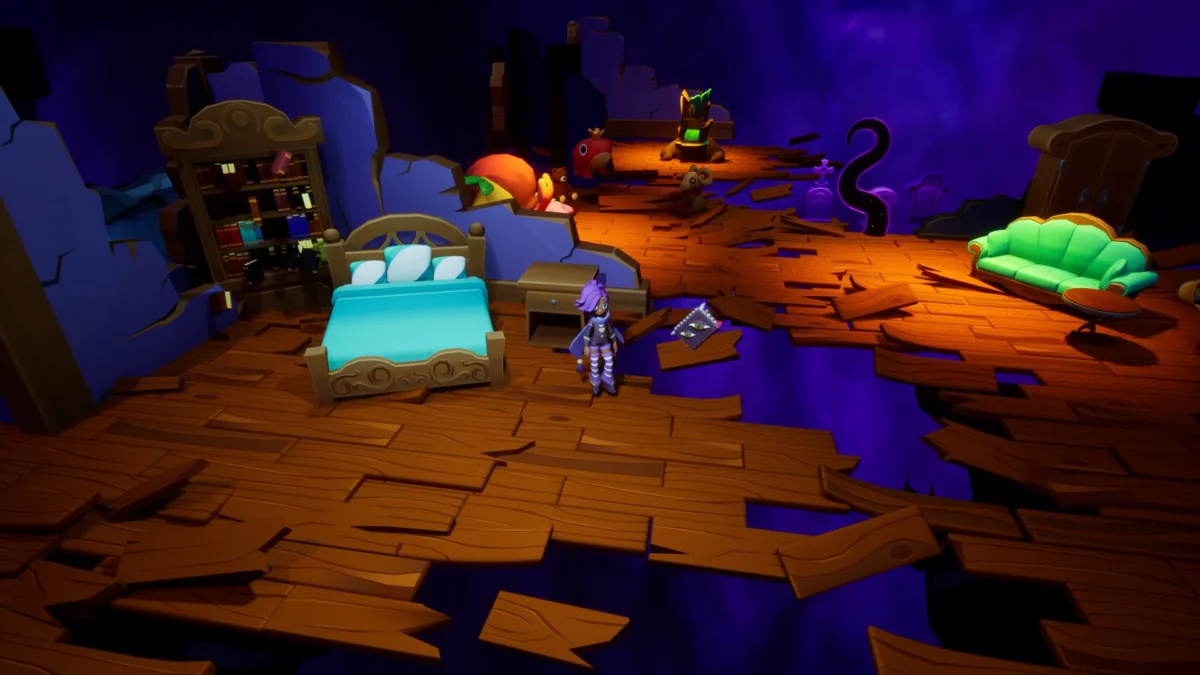
The landscape of indie gaming has increasingly shifted toward "empathy games"—titles that prioritize emotional intelligence, mental health awareness, and the internal struggles of the human condition over traditional combat mechanics. Joining this prestigious lineage is HeartWeaver, a 3D puzzle adventure that invites players into the fractured psyche of its protagonist, Ace. Following a successful showcase at Pocket Gamer Connects, HeartWeaver has emerged as a poignant exploration of trauma, memory, and the difficult road to psychological recovery.
Main Facts: The Architecture of a Broken Mind
HeartWeaver is more than a standard puzzle-platformer; it is a metaphorical journey through the subconscious. Players assume the role of Ace, a character trapped within the confines of their own mind. The objective is not merely to "escape," but to "heal." This distinction sets the tone for a game that values introspection as much as it does logic and reflexes.
The Protagonist and the Setting
Ace’s mind is presented as a series of fragmented worlds, each representing different facets of their history and personality. These environments are often surreal, ranging from ethereal dreamscapes to distorted versions of reality. A recurring visual motif is the presence of thick, constricting vines. These vines represent repressed memories and emotional blockages—barriers that Ace has built over time to protect themselves from pain, but which now serve only to trap them in a state of stasis.
Mark: The Inner Critic Personified
One of the most striking features of HeartWeaver is the presence of Mark, a giant "book monster" who serves as a constant companion. Unlike the helpful guides found in many adventure games, Mark is frequently harsh, critical, and overbearing. He embodies the "inner critic"—that voice inside the head that points out every flaw and failure.
Early impressions from the demo at Pocket Gamer Connects suggest that while Mark is intentionally unlikeable, he is indispensable. Players must interact with him and listen to his biting commentary to navigate the mind’s deeper recesses. This dynamic mirrors the real-world psychological process of acknowledging one’s negative self-talk rather than simply ignoring it.
Emotional Mechanics as Problem-Solving Tools
The core gameplay loop of HeartWeaver revolves around solving puzzles using Ace’s own emotions. In a departure from typical power-ups, the game grants Ace abilities based on Sadness, Fear, and Anger:
- Sadness: Allows the player to slow down time, representing the lethargy and reflective nature of grief.
- Fear: Grants the ability to leave one’s body, a metaphor for dissociation or the desire to distance oneself from a frightening situation.
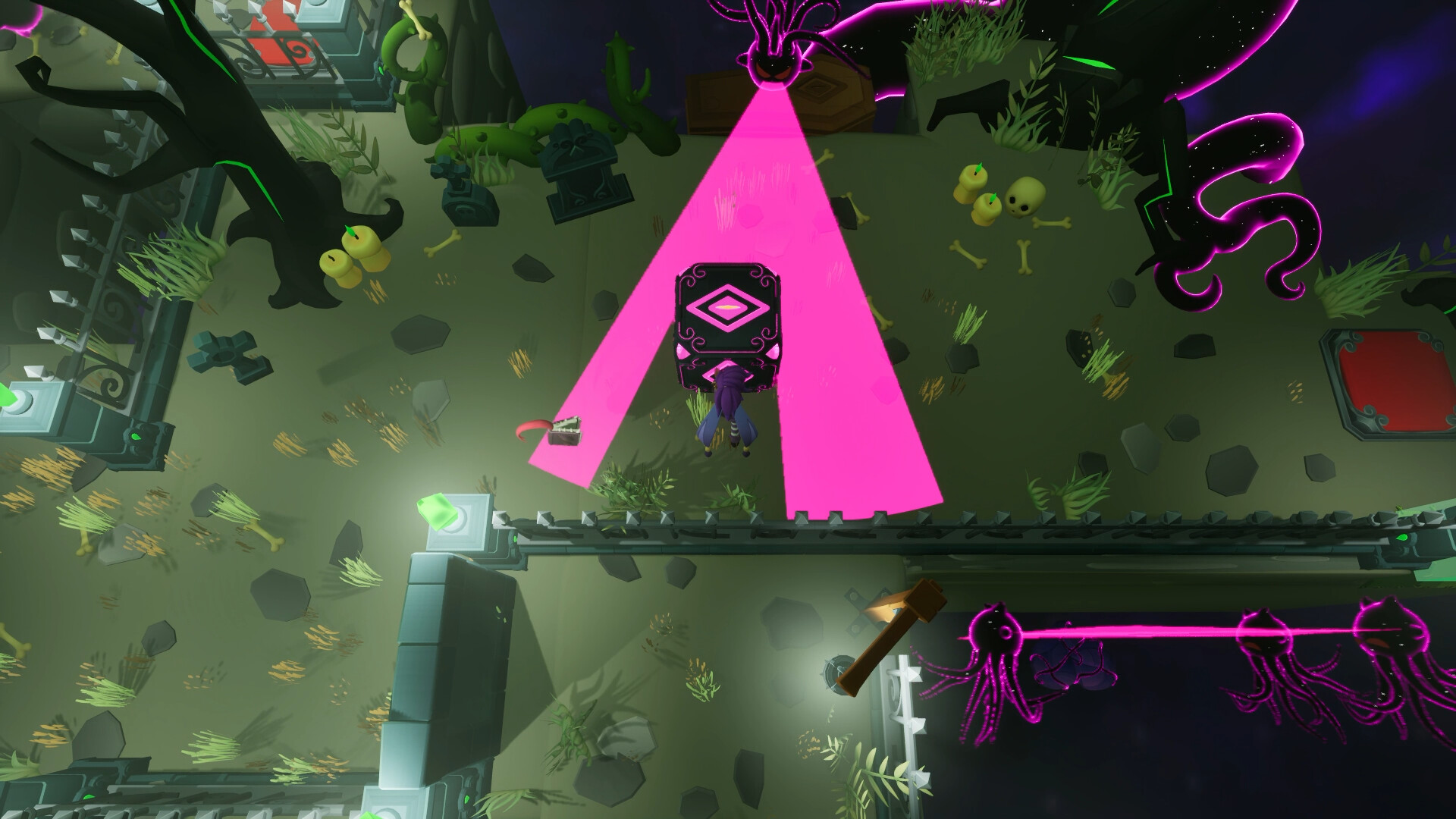
- Anger: Provides the strength to push heavy objects away, reflecting the externalizing force of frustration.
Crucially, these abilities are used to solve puzzles without resorting to violence. For instance, players encounter "octopus monsters" that cannot be destroyed; instead, they must be bypassed through clever use of emotional manipulation and environmental interaction.
Chronology: From Concept to Pocket Gamer Connects
The development of HeartWeaver follows a trajectory common to many ambitious indie projects, moving from a conceptual exploration of mental health to a fully realized interactive experience.
The Genesis of Ace’s Journey
The project began with a desire to visualize the internal struggle of healing from trauma. The developers sought to create a world that felt "fragmented yet cohesive," ensuring that every strange element in Ace’s brain had a narrative justification. The design of the vines and the "overgrown" memories was established early on as the primary visual metaphor for the game.
The Debut at Pocket Gamer Connects
The game recently reached a significant milestone by being featured at Pocket Gamer Connects (PGC), a major hub for indie developers and industry professionals. During the event, a playable demo allowed attendees to experience the first few layers of Ace’s mind.
The PGC showcase was instrumental in demonstrating the game’s unique "emotional ability" system. Feedback from the event highlighted the tension between the player and Mark, as well as the effectiveness of the game’s atmosphere. It was here that the developers articulated the "meaning behind the game": that healing is not a linear process of "winning," but a messy process of "understanding."
Current Status and Future Release
Following the PGC showcase, a demo was released on Steam to allow a wider audience to experience the title. As of mid-2024, the game is in the final stages of refinement, with the developers encouraging fans to wishlist the title to support its upcoming full release.
Supporting Data: The Rise of Mental Health Narratives in Gaming
HeartWeaver enters a market that is increasingly receptive to games that tackle "difficult" subjects. Industry data suggests that the "Wholesome Games" and "Emotional Narrative" categories have seen a 40% increase in player engagement over the last three years.
Comparison with Genre Peers
To understand HeartWeaver’s potential impact, it is useful to look at its contemporaries:
- Celeste: Focused on anxiety and depression through the lens of a difficult platformer.
- Hellblade: Senua’s Sacrifice: Explored psychosis with high-fidelity visuals and binaural audio.
- Gris: Used watercolor aesthetics to represent the stages of grief.
HeartWeaver differentiates itself by using 3D puzzle-solving and the specific mechanic of "emotional abilities." While Celeste used the mountain as a metaphor, HeartWeaver uses the architecture of the mind itself, creating a more literal representation of psychological exploration.
Player Reception Metrics
Early data from the Steam demo indicates a high "wishlist-to-play" conversion rate. Players have particularly noted the "strangeness" of the world and the polarizing nature of Mark. In the indie sphere, a character that evokes a strong emotional reaction (even a negative one like annoyance) is often seen as a mark of successful character writing, as it proves the player is engaged with the narrative’s emotional stakes.
Official Responses: Insights from the Creative Team
During the Pocket Gamer Connects event, the developers provided insight into the philosophical underpinnings of HeartWeaver. While they remain tight-lipped about the specific ending of Ace’s journey, they have shared their intentions regarding the game’s themes.
On the Character of Mark
"Mark was designed to be the physical manifestation of the things we don’t want to hear about ourselves," the development team noted during a Q&A session. "He is a book because he represents the ‘record’ of everything Ace has been through. He is harsh because trauma often speaks to us in a harsh voice. The player’s frustration with Mark is intended to mirror Ace’s own frustration with their self-perception."
On the Choice of Non-Violence
The developers addressed why players cannot "kill" the monsters or "cut" all the vines: "Healing isn’t about destroying parts of yourself. It’s about integration. You can’t kill your anger or your fear; you have to learn how to use them to move forward. That’s why the octopus monsters must be outsmarted or understood rather than eliminated. We wanted the mechanics to reinforce the theme that every emotion has a function."
On the Visual Design
The team explained that the fragmented nature of the world was a deliberate choice to represent "dissociative barriers." By solving puzzles, the player is essentially "reweaving" these fragments back into a whole, hence the title HeartWeaver.
Implications: The Role of Gaming in Emotional Literacy
The release of HeartWeaver carries implications for both the gaming industry and the broader conversation surrounding mental health.
Gaming as a Tool for Empathy
By forcing players to inhabit the mind of someone struggling with repressed memories, HeartWeaver acts as an empathy machine. It provides a safe space for players to explore the concepts of fear, sadness, and anger. The game’s ability to turn these often-negative emotions into "superpowers" for puzzle-solving offers a revolutionary perspective: that our emotional struggles can be transformed into tools for survival and growth.
The Future of Narrative Puzzles
HeartWeaver suggests a shift in puzzle design. Instead of purely logic-based challenges (e.g., "move Block A to Switch B"), the "emotional puzzle" requires a level of narrative empathy. The player must ask, "How is Ace feeling right now, and how can that feeling help us progress?" This integration of story and mechanics is likely to influence future indie titles seeking to bridge the gap between gameplay and theme.
Conclusion: A Path Toward Healing
As HeartWeaver moves toward its full release, it stands as a testament to the power of interactive media to tackle the complexities of the human spirit. For players, the journey through Ace’s mind is not just a quest for a high score or a credits screen; it is a reminder that the vines of the past can be cleared, the inner critic can be managed, and the fragments of a broken heart can, indeed, be rewoven.
For those interested in experiencing this psychological odyssey, the HeartWeaver demo is currently available on Steam, offering a haunting yet hopeful glimpse into the world of Ace and the book-monster Mark.