Binary Acoustics 1900: A Sonic Renaissance in the Mid-Tier Earphone Market

The Binary Acoustics 1900 earphones have emerged as a compelling contender in the competitive mid-tier personal audio landscape, offering a sophisticated and engaging listening experience that belies its price point. After several weeks of rigorous testing, it’s clear that these earphones are not just about delivering good sound; they represent a carefully crafted fusion of sonic excellence, aesthetic appeal, and remarkable value, particularly with current market offers.
Initially priced at a respectable £230, a recent significant reduction to approximately £218 at Amazon UK positions the Binary 1900 as an even more attractive proposition for audiophiles seeking premium sound without an exorbitant investment. This pricing strategy places it firmly in the affordable yet high-performance segment, challenging established benchmarks and offering a tangible upgrade for those looking to transcend basic audio solutions.
The review highlights a strong lineage, drawing parallels with its predecessor, the Binary Acoustics EP321. The EP321 was lauded last year for its exceptional treble-forward performance, a characteristic that the 1900 inherits and refines. Both models share a sonic signature that emphasizes clarity, with a distinct focus on the upper frequencies, specifically the mid-treble and air regions. However, the 1900 distinguishes itself by not sacrificing a robust and impactful bass response, coupled with an elevated upper-midrange that brings vocals to the forefront with remarkable presence.
This harmonious balance creates a sound profile that is both engaging and versatile. While sharing core sonic traits with the EP321, the 1900 achieves a similar, if not superior, level of audio fidelity at a considerably lower cost. This price differential, nearing £100 less than its predecessor, is a significant factor in its appeal, making it a standout option that, while not quite qualifying for the absolute budget category, offers exceptional value within the accessible high-fidelity spectrum. For £218, the Binary 1900 delivers an audio experience that is demonstrably superior to many of its direct competitors.
What’s in a Number? Design and Engineering Philosophy
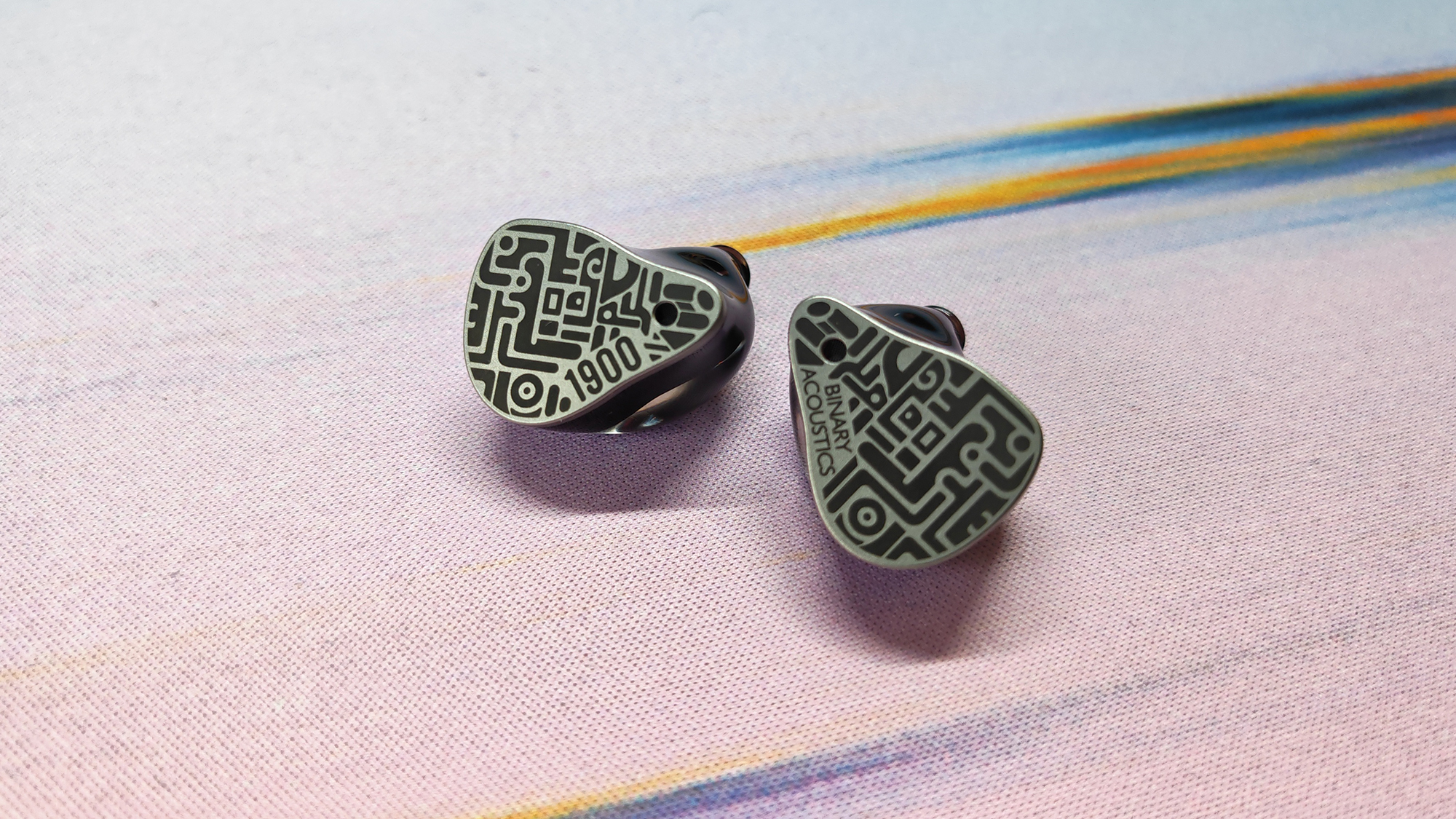
The naming convention, "Binary Acoustics 1900," subtly nods to the iconic 1998 film The Legend of 1900, directed by Giuseppe Tornatore and featuring a memorable score by Ennio Morricone. This thematic inspiration is not merely superficial; it is reflected in the design and engineering of the earphones. The Binary Acoustics 1900 boasts a sophisticated aesthetic that blends modern 3D-printed resin shells with elegant stainless steel faceplates. This combination evokes a sense of timeless design, reminiscent of the turn of the century, harmonizing with the film’s narrative.
Beyond its visual appeal, the internal architecture of the Binary 1900 is equally impressive. The earphones employ a six-driver hybrid setup, a configuration that is more commonly found in significantly more expensive audio equipment. This intricate system comprises a 10mm dynamic driver, responsible for delivering a powerful and resonant bass response, expertly complemented by a 6mm passive radiator. This pairing ensures that the low frequencies are not only impactful but also possess a refined texture and depth.
Complementing the dynamic driver are four balanced armature drivers, meticulously managed by a sophisticated three-way crossover. This advanced crossover network allows for precise frequency division, ensuring that each driver operates within its optimal range. The balanced armatures are adept at reproducing the mid and high frequencies with exceptional clarity and detail, contributing to the overall airy and articulate sound signature. This multi-driver approach, when expertly implemented, allows for a wider frequency response and a more nuanced presentation of the audio spectrum.
Despite the intricate internal components and the premium materials used in its construction, the Binary 1900 aims to deliver a sound that is far from sterile or overly analytical. The engineering philosophy here is centered on achieving a warm, lush, and analogue sound signature. This is a deliberate departure from the pursuit of hyper-clinical frequency curves, which can sometimes result in a sound that is technically accurate but emotionally detached. Instead, the 1900 prioritizes an engaging and immersive listening experience.
The bass, for instance, is characterized by its authoritative and physical impact. This is not the boomy, undefined bass that can overwhelm other frequencies; rather, it is a bass that possesses a satisfying weight and presence without compromising the clarity of the midrange or the delicate details in the treble. The midrange itself is rendered with excellent detail, allowing vocals and instruments to shine with a natural warmth and presence. The treble extends far into the upper registers, providing an airy and open soundstage, yet remains remarkably non-fatiguing, avoiding the harshness that can plague lesser-designed earphones.
A Sonic Comparison: Charting the Soundstage
In the highly competitive segment of earphones priced around the £200 mark, the Binary Acoustics 1900 distinguishes itself through its distinct sound signature, particularly when compared to some of its prominent rivals. The review identifies two key benchmarks: the Truthear Nova and the Letshuoer Cadenza 4.
The Truthear Nova, priced at approximately £140, is noted for its strict adherence to the Harman tuning curve. This tuning philosophy aims to optimize sound reproduction based on extensive research into listener preferences, often resulting in a sound that is balanced, detailed, and generally pleasing to a wide audience. However, this can sometimes lead to a sound that is perceived as technically precise but lacking in a certain emotional resonance.
In contrast, the Letshuoer Cadenza 4, positioned at a similar price point to the Binary 1900 at around £228, is described as leaner and more analytic. This suggests a sound signature that prioritizes detail retrieval and a more neutral presentation, potentially at the expense of warmth and body. Such a signature can be appealing to listeners who crave every nuance of a recording, but it may not be as universally engaging for those who prefer a richer, more immersive audio experience.
The Binary Acoustics 1900, by comparison, adopts a more "emotional" tuning. It leans towards a sophisticated V-shaped sound profile. This signature is characterized by a noticeable emphasis on both the bass and treble frequencies, with a slight dip in the midrange. However, in the case of the 1900, this V-shape is executed with a degree of refinement that avoids the common pitfalls of an overly exaggerated or unbalanced sound. The bass is punchy and impactful, the treble is extended and clear, and the midrange, while slightly recessed, retains sufficient presence to ensure vocals and lead instruments remain engaging.
This V-shaped tuning, combined with the warm and analogue character, creates a sound that is often described as more engaging and less sterile than strictly neutral or Harman-tuned earphones. For listeners who prioritize a rich, textured, and emotionally resonant sound, the Binary 1900 offers a compelling alternative. It provides a sound that is both detailed enough for critical listening and engaging enough for casual enjoyment, striking a sweet spot that allows it to easily compete with the best in its class.
Chronology of Innovation: The Binary Acoustics Evolution
The journey of Binary Acoustics in the personal audio market, as exemplified by the 1900 and its predecessors, showcases a clear trajectory of innovation and refinement. While the article focuses on the 1900, understanding its lineage provides crucial context for its current standing.

The mention of the Binary Acoustics EP321 as "one of the best treble-forward IEMs of last year" indicates a deliberate focus on certain sonic characteristics that the brand has cultivated. The EP321’s success in delivering a clear and extended treble, with specific accents on the mid-treble and air regions, established a foundation for the brand’s sonic identity. This suggests a strategic decision to prioritize these frequencies, appealing to a segment of the market that values clarity and detail in the higher registers.
The EP321’s performance was so noteworthy that it was described as using "USD1,500 technology" at a significantly lower price point, highlighting the brand’s ability to incorporate advanced audio engineering into more accessible products. This commitment to leveraging cutting-edge technology at a competitive price is a recurring theme in the Binary Acoustics narrative.
The development of the 1900 can be seen as a natural progression from the EP321. While retaining the core strengths of its predecessor – the clarity, the focus on extended treble, and the emphasis on upper mids for vocal presence – the 1900 introduces a more balanced and impactful bass response. This suggests an evolution in the tuning process, moving from a more specialized treble-forward signature to a more comprehensive all-rounder profile.
The introduction of the six-driver hybrid setup in the 1900, featuring a dynamic driver with a passive radiator for bass and multiple balanced armatures for mids and highs, represents a significant engineering step up from potentially simpler configurations in earlier models. This complex driver arrangement allows for a more nuanced and layered sound, capable of reproducing a wider dynamic range and a more detailed frequency spectrum.
The aesthetic evolution is also notable. The film-inspired design, with its blend of modern 3D-printed resin and classic stainless steel, signifies a growing attention to design language and premium feel. This move towards a more refined and thematic aesthetic elevates the product beyond mere functional audio gear, transforming it into a piece of personal technology with a distinct identity.
The current pricing of the 1900, particularly with the reduction at Amazon UK, further underscores a strategic market positioning. By offering a product with advanced technology and a refined sound profile at a significantly reduced price, Binary Acoustics is clearly aiming to disrupt the mid-tier market and capture a wider audience. This aggressive pricing strategy, coupled with consistent improvements in sound quality, design, and driver technology, paints a picture of a brand that is rapidly maturing and establishing itself as a serious player in the audiophile community.
Supporting Data and Technical Specifications
The Binary Acoustics 1900’s performance is underpinned by a robust set of technical specifications and design choices. While precise frequency response charts and impedance figures are not detailed in the provided text, several key elements contribute to its sonic capabilities:
-
Driver Configuration: A six-driver hybrid system is at the heart of the 1900. This comprises:
- 10mm Dynamic Driver: Primarily responsible for the lower frequencies, delivering bass impact and body.
- 6mm Passive Radiator: Works in conjunction with the dynamic driver to enhance bass extension and resonance, providing a fuller and more impactful low-end without the need for additional active amplification. This is a sophisticated approach to bass tuning, often employed to achieve a more natural and less artificial bass response.
- Four Balanced Armature Drivers: These are expertly tuned for the mid and high frequencies. Balanced armatures are known for their speed, detail retrieval, and accuracy in reproducing the nuances of vocals and instruments in the midrange and treble. The use of four such drivers suggests a highly refined crossover network designed to optimize their individual contributions.
-
Crossover Network: A three-way crossover system is employed to precisely divide the audio signal among the different driver types. This ensures that each driver receives the frequencies it is best equipped to reproduce, minimizing distortion and maximizing sonic coherence across the entire audible spectrum. The sophistication of a three-way crossover at this price point is a testament to Binary Acoustics’ engineering prowess.
-
Materials and Construction:
- 3D-Printed Resin Shells: Lightweight and ergonomically designed, these shells contribute to excellent comfort during extended listening sessions. The precision of 3D printing allows for complex internal acoustic chambers and a secure fit.
- Stainless Steel Faceplates: These not only contribute to the premium aesthetic but also provide structural integrity and contribute to the overall acoustic properties of the earphone. The "turn of the century" design adds a unique visual flair.
-
Sound Profile: The described sound profile is characterized as:
- Punchy Bass: Indicating a dynamic and impactful low-end.
- Warm Mids: Suggesting a natural and inviting reproduction of vocals and instruments in the midrange.
- Elevated Vocal Range: Highlighting the prominence and clarity of vocal performances.
- Extended but Relaxed Treble: Pointing to a detailed and airy top end that avoids harshness or listener fatigue.
- Sophisticated V-Shape: A balanced emphasis on bass and treble, with a refined presentation that avoids being overly aggressive.
-
Cable: The included silver-plated cable, while functional, is noted as lacking modular plugs. This is a point of constructive criticism, as modularity (e.g., interchangeable 3.5mm, 2.5mm, and 4.4mm connectors) is often expected in this price bracket for enhanced versatility and future-proofing.
-
Comfort: The review explicitly praises the "excellent comfort" of the Binary 1900, a crucial factor for any earphone intended for prolonged use.
These technical specifications and design choices collectively contribute to the Binary 1900’s ability to deliver a rich, detailed, and engaging listening experience that punches well above its weight in terms of price and perceived value.
Official Responses and Market Context
While there are no direct "official responses" from Binary Acoustics in the provided text, the article itself acts as a form of market commentary and implicit endorsement of the brand’s product strategy. The reviewer’s personal experience and detailed analysis serve as the primary form of evaluation and validation for the Binary Acoustics 1900.
The article’s framing of the Binary 1900 within the context of its price point and its comparison to established competitors like Truthear and Letshuoer is particularly significant. This situates the product within a dynamic and competitive market segment, where value for money is a paramount consideration for consumers.
The reviewer’s explicit statement, "for £218, this is really good sound quality," and the assertion that the 1900 "easily competes with the best of its peers," function as strong endorsements within the industry’s review ecosystem. This kind of positive assessment from a reputable publication carries considerable weight for potential buyers.
The mention of the reduced price at Amazon UK also suggests a proactive market strategy by Binary Acoustics or its distributors. This price adjustment is a key factor in elevating the 1900’s appeal, transforming it from a good product into an exceptional value proposition. Such pricing strategies are common in the audio industry, especially for products aiming to gain market share and establish a strong reputation.
Furthermore, the comparison to the older, more expensive EP321, and the observation that the 1900 offers a similar sonic experience at a lower cost, highlights a product development philosophy focused on iterative improvement and value enhancement. This suggests that Binary Acoustics is not content to rest on its laurels but is actively working to offer superior performance at increasingly accessible price points.
The article implicitly addresses the brand’s commitment to innovation by detailing the advanced driver configuration and the sophisticated tuning process. This is the kind of technical depth that audiophiles look for when evaluating new products, and its inclusion here provides a strong foundation for the 1900’s market standing. In essence, the article serves as a comprehensive review that implicitly supports Binary Acoustics’ efforts to offer high-fidelity audio solutions that are both technologically advanced and economically viable.
Implications for the Personal Audio Market
The emergence and subsequent market positioning of the Binary Acoustics 1900 have several significant implications for the broader personal audio landscape, particularly within the mid-tier earphone segment:
-
Escalating Value Proposition: The Binary 1900, especially at its reduced price, sets a new benchmark for value in the sub-£250 earphone market. By offering a sophisticated six-driver hybrid configuration, a refined V-shaped sound signature, and a premium aesthetic, it challenges the notion that high-fidelity sound at this price point must involve compromises. This will inevitably push other manufacturers to re-evaluate their own product offerings and pricing strategies to remain competitive.
-
Democratization of Advanced Technology: The implementation of advanced driver technologies like passive radiators and multi-driver hybrid setups, previously more common in high-end audiophile gear, is becoming increasingly accessible. Binary Acoustics’ success in integrating these technologies into a more affordable package signals a broader trend of technological democratization, making sophisticated audio engineering available to a wider consumer base.
-
Shift in Tuning Preferences: The emphasis on a "warm, lush, analogue sound" with a "sophisticated V-shape" suggests a growing market appetite for audio experiences that prioritize engagement and musicality over pure analytical neutrality. While precise tuning remains subjective, the success of products like the 1900 indicates that a balanced approach, offering both detail and emotional resonance, is highly valued by consumers. This might encourage a move away from strictly adherence to tuning curves like Harman, towards more personalized and engaging sound signatures.
-
Importance of Design and Aesthetics: The inclusion of a film-inspired design with premium materials like stainless steel highlights the increasing importance of aesthetics in the personal audio market. Consumers are not just buying sound quality; they are also investing in products that look and feel good. This trend suggests that brands need to pay as much attention to industrial design and build quality as they do to acoustic engineering to capture consumer attention.
-
The Power of Strategic Pricing and Promotion: The significant price reduction for the Binary 1900 at Amazon UK demonstrates the potent impact of strategic pricing and effective online retail partnerships. This aggressive pricing strategy not only boosts immediate sales but also generates buzz and critical reviews, which are crucial for building brand awareness and credibility in a crowded market. It underscores the importance of agile marketing and distribution for product success.
-
Increased Competition and Consumer Choice: The strong performance and compelling value of the Binary 1900 will undoubtedly intensify competition within the mid-tier earphone segment. This heightened competition is ultimately beneficial for consumers, as it leads to a wider array of high-quality options at competitive prices, empowering buyers to find products that best suit their individual needs and preferences.
In conclusion, the Binary Acoustics 1900 is more than just a new earphone; it’s a statement of intent from a brand that is rapidly evolving. Its success has the potential to reshape expectations for what is possible in the mid-tier personal audio market, driving innovation and offering consumers unprecedented value and sonic fidelity.