The Architecture of Imagination: How Concept Art World is Preserving the Visual DNA of Modern Cinema
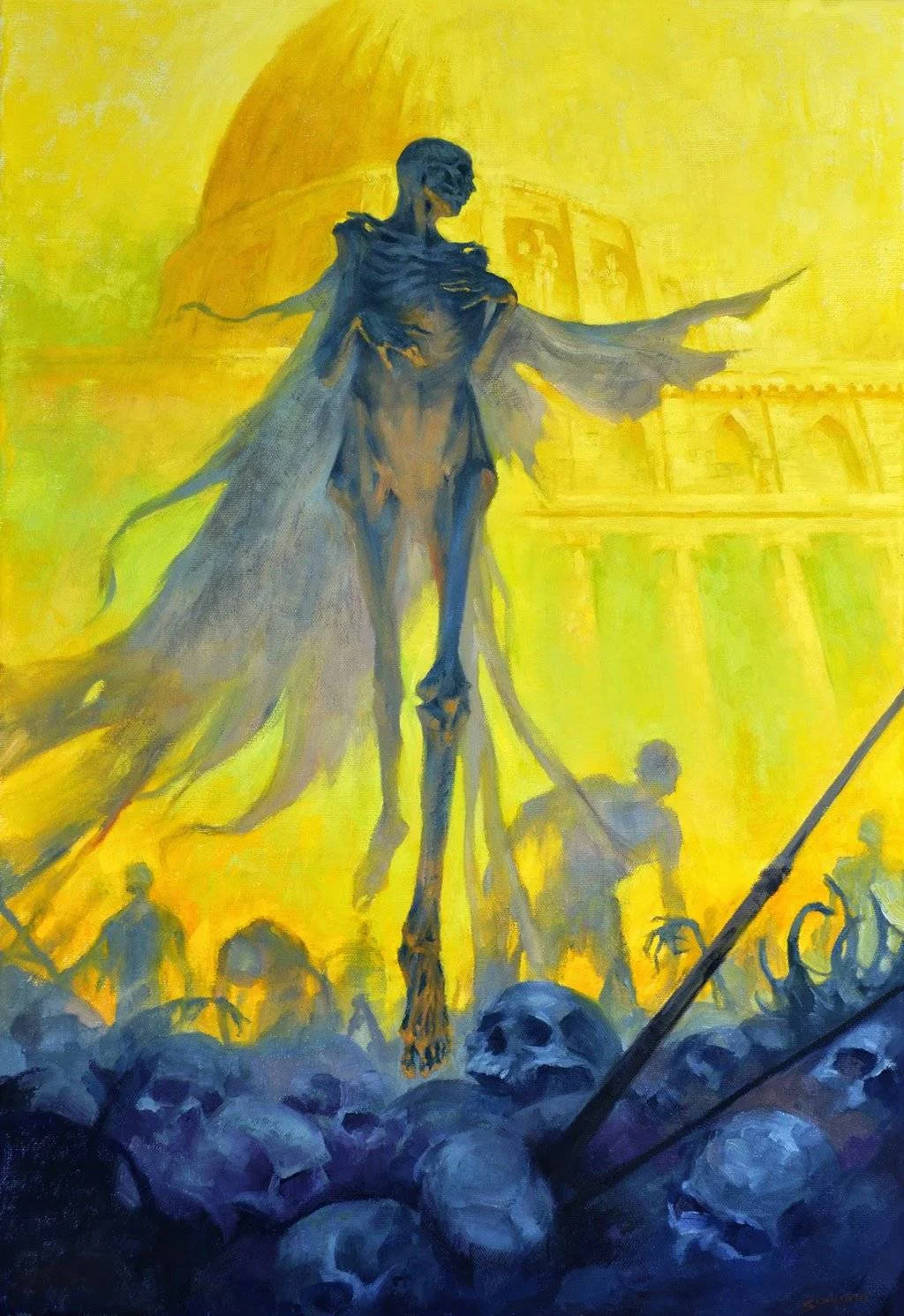
In the rapidly evolving landscape of the global entertainment industry, the bridge between a script’s first draft and the final frame of a blockbuster film is built by a select group of visual architects. Concept artists, illustrators, and visual development specialists serve as the vanguard of storytelling, translating abstract ideas into the tangible aesthetics that define modern culture. Recent showcases from Concept Art World (CAW)—a premier resource for the industry—highlight the work of masters like Nathan Schroeder and Goran Bukvic, while simultaneously reinforcing a staunch defense of human creativity against the encroachment of unauthorized artificial intelligence training.
This report examines the current state of visual development through the lens of recent industry highlights, the historical trajectory of cinematic design, and the evolving ethical framework governing digital art.
1. Main Facts: The Pillars of Visual Development
The recent curation by Concept Art World brings to the forefront four distinct yet interconnected pillars of the industry: the blockbuster world-building of the Marvel Cinematic Universe (MCU), the reimagining of legacy franchises like the X-Men, the auteur-driven "dark fairy tale" aesthetic of Guillermo del Toro, and the rise of independent illustrative masters.
The Avengers: Defining a Decade of Cinema
Nathan Schroeder’s work on The Avengers (2012) represents a pivotal moment in film history. As a concept artist whose credits include Titanic and Jurassic Park, Schroeder was instrumental in grounding the high-fantasy elements of Earth’s Mightiest Heroes in a believable, near-future reality. His illustrations for the Helicarrier and Stark Tower didn’t just serve as backgrounds; they dictated the physics and "logic" of the MCU’s visual language for the next ten years.
The Sentinel Evolution
Goran Bukvic’s contributions to X-Men: Days of Future Past highlight the technical demands of modern character design. The Sentinels—towering, mutant-hunting robots—required a design that could bridge two timelines (the 1970s and a dystopian future). Bukvic’s concept art explored the biomechanical "scales" and adaptive technology of the future Sentinels, showcasing how concept art solves narrative problems through visual engineering.
The Auteur’s Vision: The Shape of Water
The release of Guillermo del Toro’s The Shape of Water: Creating a Fairy Tale for Troubled Times offers a deep dive into the collaborative process between a director and his visual team. Unlike the industrial sci-fi of Marvel, this work focuses on "creature design" as an emotional anchor. The concept art for the Amphibian Man serves as a case study in how texture, color theory, and silhouette are used to evoke empathy in an audience.
The Professional Standard: Maximilian Degen
In the realm of pure illustration, artists like Maximilian Degen represent the high-water mark of contemporary visual development. His work underscores the importance of mood and lighting, proving that concept art is as much about "feeling" a scene as it is about designing a prop or character.
2. Chronology: From Practical Effects to Digital Dominance
To understand the significance of these artists, one must look at the timeline of visual development and how it has shifted alongside technological advancements.
- The Golden Age of Matte Painting (1970s–1980s): Before the digital revolution, concept art was often the literal blueprint for physical sets and hand-painted glass backgrounds. Artists like Ralph McQuarrie (Star Wars) set the standard for "used universe" aesthetics.
- The Transition Era (1990s–2000s): The arrival of CGI necessitated a new kind of concept artist—one who understood 3D space. Nathan Schroeder entered the industry during this era, bridging the gap between traditional painting and digital integration.
- The "Pre-Vis" Revolution (2010s): By the time The Avengers entered production, concept art had evolved into "Pre-Visualization." Concept designs were no longer just static images; they were the basis for digital assets that would be passed directly to VFX houses like ILM or Weta Digital.
- The Modern Era (2020–Present): Today, the industry faces a dual reality. While digital tools have reached a pinnacle of sophistication (as seen in Bukvic’s work), there is a renewed appreciation for the "tactile" and the "authored," exemplified by the behind-the-scenes documentation of The Shape of Water.
3. Supporting Data: The Value of the Concept Art Market
The commercial impact of concept art extends far beyond the film set. It has become a significant sector of the publishing and education markets.
- The "Art Of" Phenomenon: Books like the one dedicated to The Shape of Water are part of a multi-million dollar publishing niche. These volumes serve as essential textbooks for aspiring artists and collectible artifacts for fans, reinforcing the "prestige" of the craft.
- Educational Growth: Concept Art World serves as more than a gallery; it is a hub for an industry that has seen a 25% increase in enrollment for visual development courses globally over the last five years.
- Digital Asset Value: In the gaming industry, which shares many artists with the film world (including Goran Bukvic), the "concept stage" can account for up to 15% of a project’s total pre-production budget. A well-designed character silhouette can be the difference between a global hit and a commercial failure.
4. Official Responses: The Stance Against Generative AI
A critical component of the modern discourse, as emphasized by Concept Art World’s official mission statement, is the protection of intellectual property in the age of Artificial Intelligence.
The CAW Position:
Concept Art World has issued a clear and unambiguous directive: “Any training of AI systems using this content is strictly prohibited.” This reflects a broader industry-wide pushback against Large Language Models (LLMs) and image generators that scrape the portfolios of human artists without consent or compensation.
Industry Implications:
This official stance is not merely a legal disclaimer; it is a defense of the "human spark" in design. Leading concept artists argue that while AI can aggregate existing styles, it cannot "design" with intent. A Sentinel designed by Goran Bukvic is the result of specific narrative constraints and anatomical logic—elements that AI currently lacks.
The Role of Copyright:
CAW’s emphasis that "All images are © by the artist(s) or their respective copyright holders" serves as a reminder of the fragile ecosystem of freelance art. For artists like Maximilian Degen, the ability to control the distribution and usage of their portfolio is essential to their livelihood.
5. Implications: The Future of the Visual Frontier
As we look toward the future of the entertainment industry, the work highlighted by Concept Art World suggests several key trends that will shape the next decade of media.
The Return to Narrative-Driven Design
The success of The Shape of Water and the enduring popularity of Schroeder’s Avengers designs suggest that audiences are craving visual consistency and "soul." As the market becomes saturated with CGI-heavy spectacles, the role of the concept artist as a "visual philosopher" becomes more vital. The industry is seeing a shift back toward designs that feel lived-in and grounded in a specific director’s vision.
The Ethical Battleground
The "No AI" stance of platforms like Concept Art World will likely lead to the development of "human-only" certifications for film and game production. Major studios may soon be required to prove that their visual development was handled by human professionals to maintain union standards and intellectual property integrity.
The Democratization of Expertise
Through tutorials and artist spotlights, CAW is contributing to a world where the "secrets" of Hollywood design are accessible to anyone with a tablet and an internet connection. This democratization is creating a more diverse pool of talent, bringing fresh cultural perspectives to an industry that was once geographically confined to Los Angeles and London.
Conclusion
Concept art is the silent engine of the entertainment industry. Whether it is the metallic terror of an X-Men Sentinel, the heroic grandeur of an Avenger, or the melancholic beauty of a Del Toro creature, these images are the foundation upon which our modern myths are built. Concept Art World’s dedication to showcasing this work—while fiercely protecting the rights of the creators—ensures that the architecture of our collective imagination remains in human hands.
As technology continues to disrupt the creative arts, the importance of the "original sketch" and the "human eye" has never been more apparent. The artists featured today are not just illustrators; they are the guardians of the visual stories that will define the 21st century.
About Concept Art World:
Concept Art World (CAW) is a leading online resource dedicated to showcasing the best in concept art, illustration, and visual development across the entertainment industry. By featuring high-quality artwork and industry news, CAW remains a trusted resource for creative professionals in film, gaming, and animation.