From Cartoons to Photorealism: Meta Unveils ‘Holograms’ as the Future of Digital Co-Presence
For nearly a decade, Meta (formerly Facebook) has navigated a persistent dichotomy in its pursuit of the metaverse. On one hand, its research laboratories have showcased "Codec Avatars"—breathtakingly realistic digital twins capable of mimicking every nuance of human expression. On the other hand, its consumer-facing products have been populated by legless, cartoonish avatars that became the subject of widespread industry ridicule.
At Meta Connect 2026, that gap finally began to close. Meta officially announced "Holograms," its most ambitious leap yet into photorealistic telepresence. Designed as a direct competitor to Apple’s "Personas," Holograms represent a shift from traditional 3D modeling to real-time generative AI. While the technology promises to revolutionize how we communicate via the upcoming Meta VR Glasses and Ray-Ban Meta Display glasses, the road to "true" presence remains paved with technical compromises and phased rollouts.
Main Facts: The AI-Driven Leap to Realism
The core of the Hologram initiative is a move away from the "uncanny valley" of poorly rendered 3D models and toward a server-side, generative AI approach. Unlike the previous Meta Avatars, which were built using standard computer graphics (CG) assets, Holograms are powered by real-time generative AI diffusion models.
Key Highlights:
- The Technology: Holograms use a microphone-driven diffusion model. The system takes the user’s voice and synthesizes a realistic video stream in real-time. It is not a 3D model in the traditional sense but a "synthetic video" that mimics the user’s likeness and expressions.
- The Hardware: The feature will debut in a limited "shoulders-up" capacity on the Meta Ray-Ban Display glasses before expanding to a full-body experience on the newly announced Meta VR Glasses.
- The Timeline: Early Access for Ray-Ban users in the US is slated for Fall 2026, with the full-body VR implementation arriving in Spring 2027 alongside the $1,300 Meta VR Glasses.
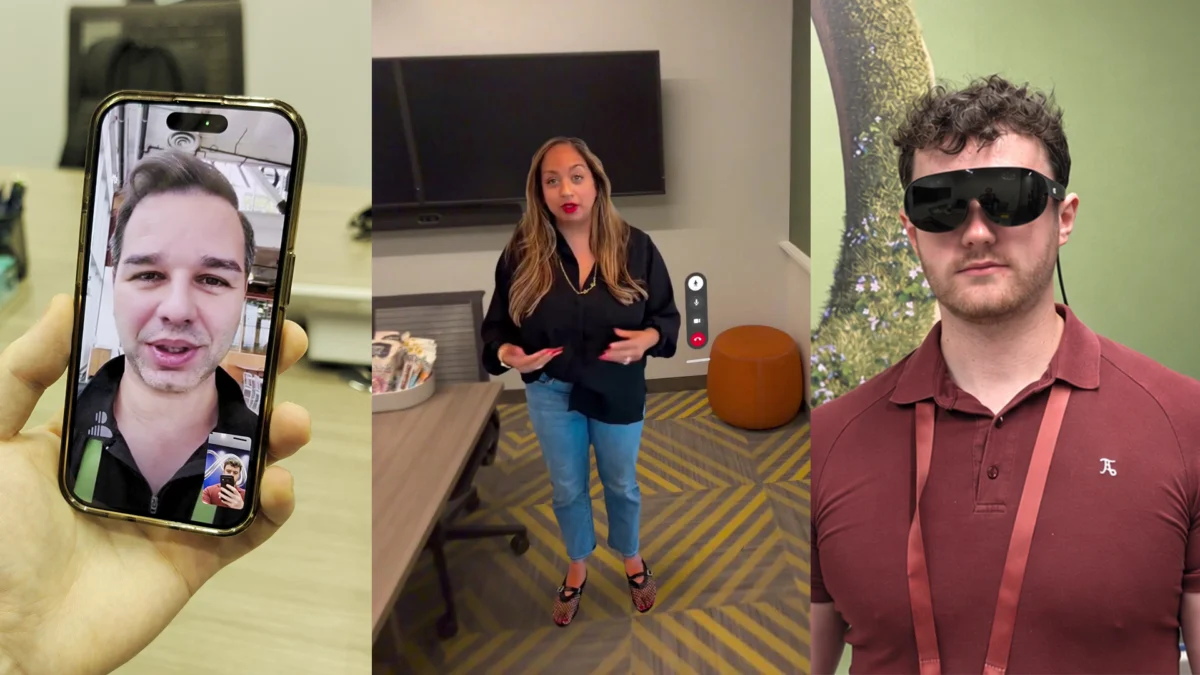
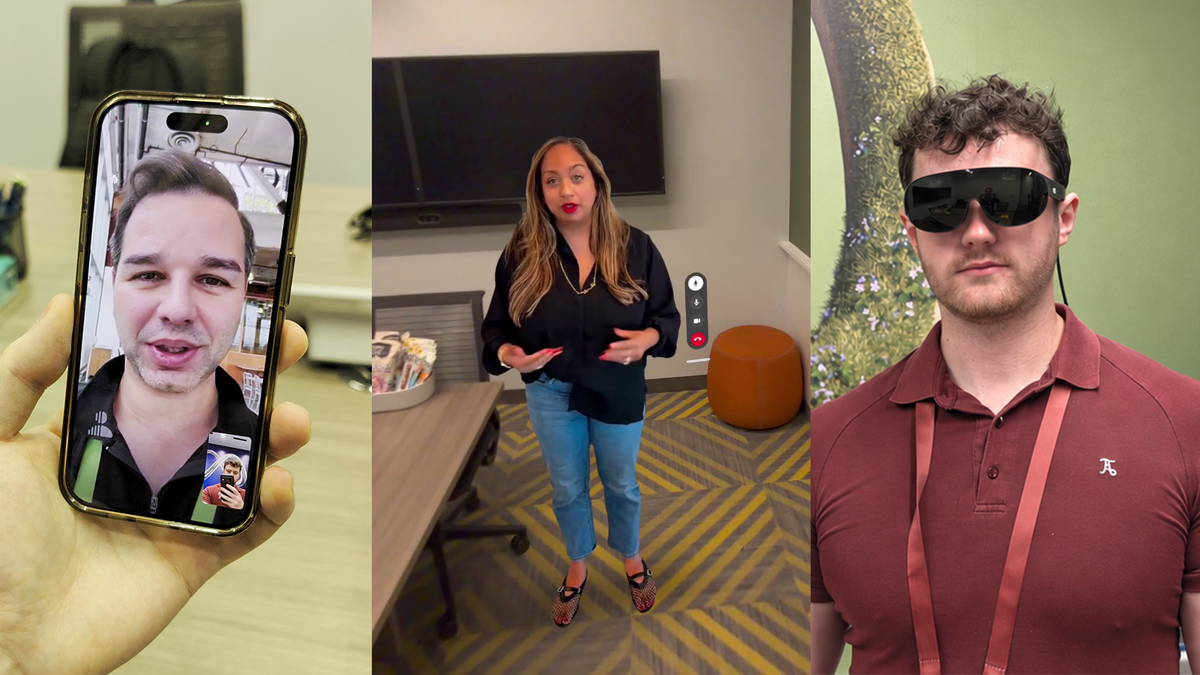
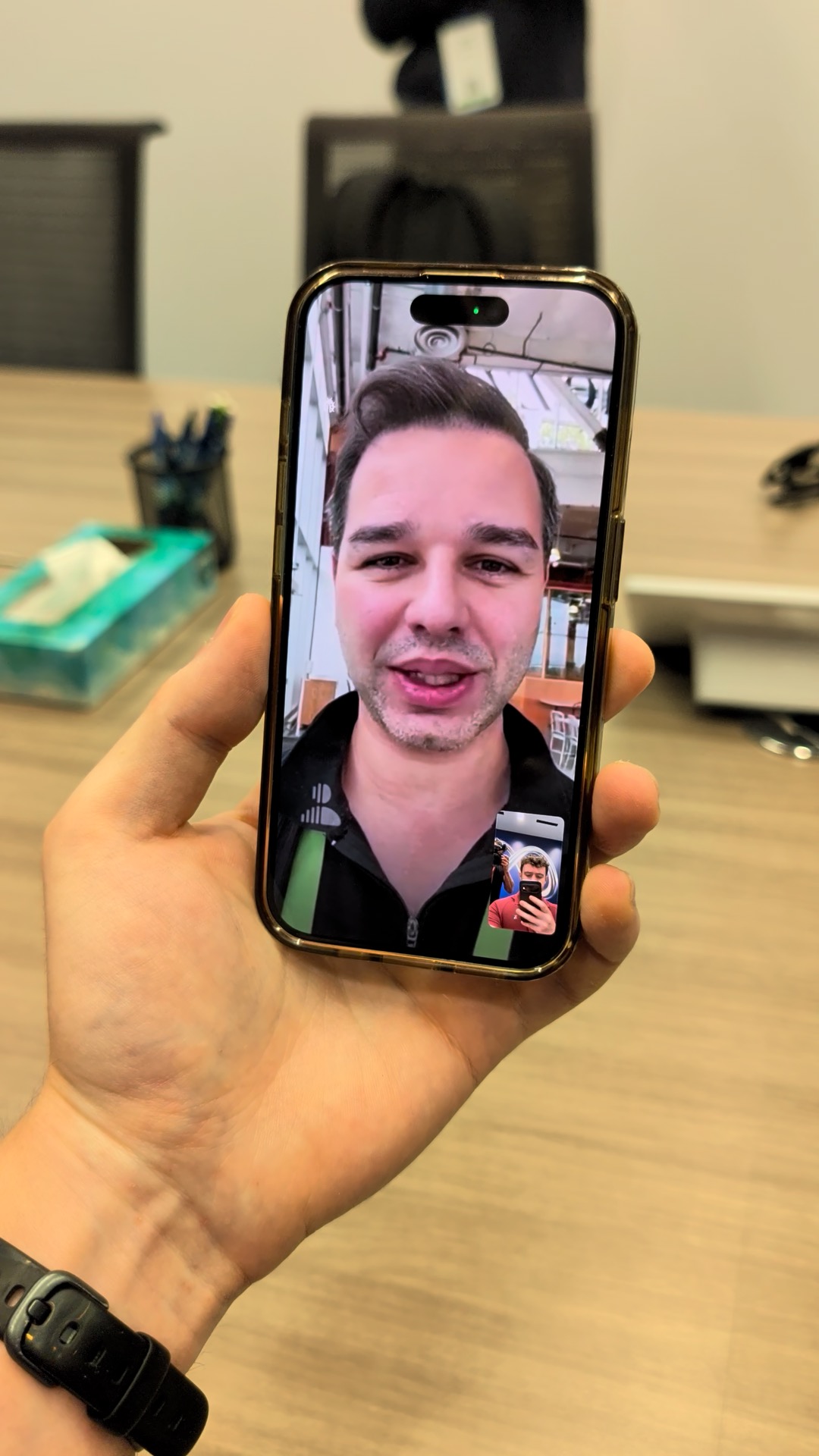
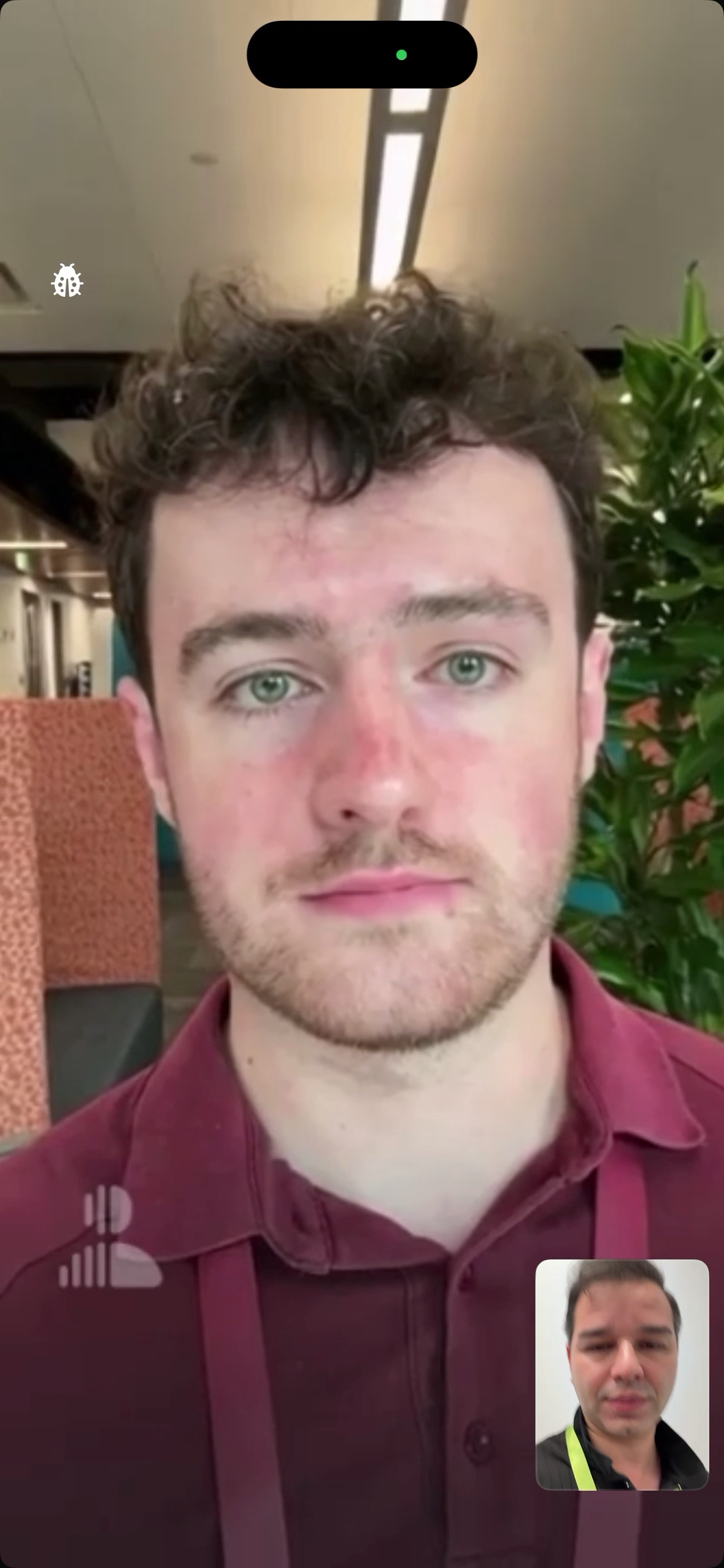
- The Experience: On the receiving end of a WhatsApp call, the recipient sees a photorealistic version of the caller that is almost indistinguishable from a standard selfie-camera feed, despite the caller wearing opaque glasses or a headset.
Chronology: A Seven-Year Journey to the "Plausible"
To understand the weight of this announcement, one must look back at Meta’s long-gestating research.
- 2017–2021: The Research Phase. Meta first demonstrated Codec Avatars, a project requiring massive "Mugsy" camera rigs to capture thousands of data points. While the results were stunning, the hardware requirements were impossible for a home consumer.
- 2022–2024: The Cartoon Era. As Meta pushed Horizon Worlds, the company doubled down on simplified, stylized avatars. This era was marked by public backlash, specifically after a poorly received selfie from Mark Zuckerberg’s avatar became a meme, symbolizing the perceived failure of the metaverse.
- 2025: The Generative Pivot. Recognizing that high-end 3D rendering on mobile chips was a bottleneck, Meta’s Reality Labs shifted focus toward Generative AI. Instead of trying to render a face, they decided to generate a video of one.
- September 2026: The Connect Reveal. Meta officially names the technology "Holograms" and provides a concrete roadmap for consumer hardware integration.
Supporting Data: Technical Specifications and Setup
The technical underpinnings of Holograms represent a departure from the "volumetric" dreams of early VR enthusiasts. Instead of sending a complex 3D file, Meta is essentially sending a highly sophisticated, AI-enhanced video stream.
The Setup Process
Users do not need a laboratory to create their Hologram. The process is handled entirely via a smartphone using the Meta AI app:
- Visual Capture: The user performs a series of head movements (up, down, side-to-side) and facial expressions (smiling, frowning).
- Voice Calibration: The app asks open-ended questions. As the user provides long-form, expressive answers, the AI captures how their specific mouth movements and facial muscles react to certain phonemes.
- Environmental Conditioning: The system captures the user’s current clothing and background. Currently, these are "baked" into the Hologram, meaning the user will appear in the same outfit and location for every call until they re-run the setup.
- Processing: Server-side GPUs process this data for several minutes to create a personalized generative model.
Hardware Integration
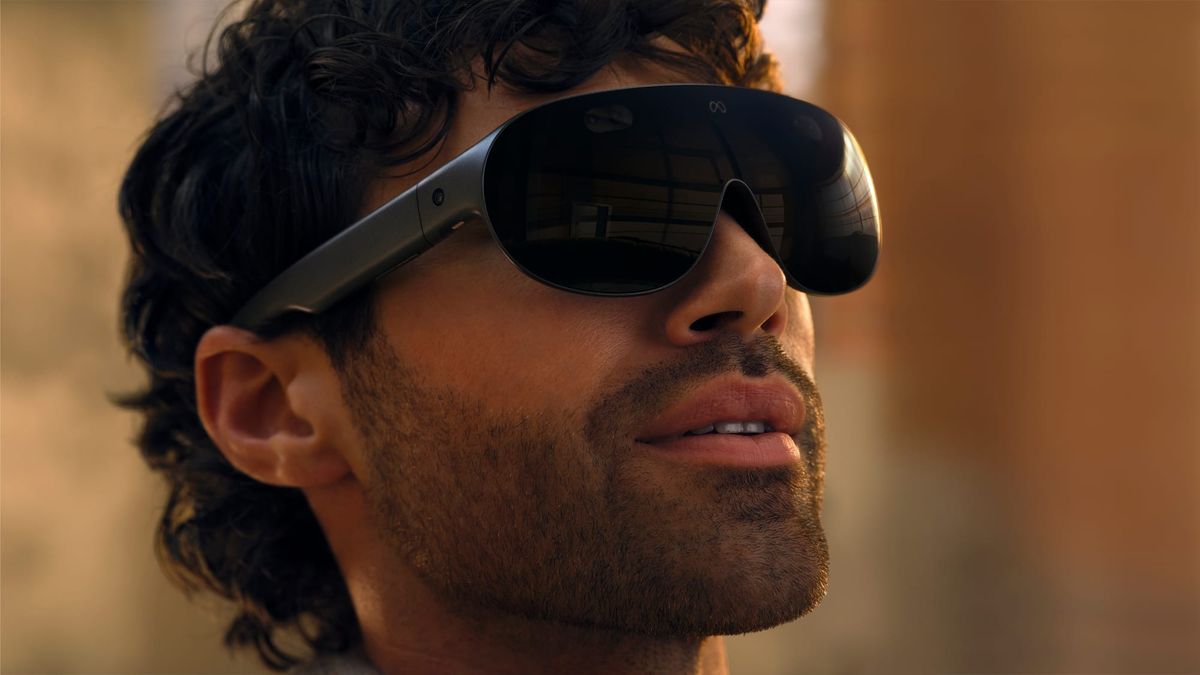
The upcoming Meta VR Glasses, priced at $1,300, serve as the premier vessel for this technology. Weighing only 100 grams, these glasses utilize a tethered puck containing Qualcomm’s Snapdragon Reality Elite chipset. The 2.4K micro-OLED displays provide the clarity necessary to make these 3D video streams feel "present" in the user’s physical space.
Official Responses and Live Demonstrations
During the Connect 2026 keynote, Meta CTO Andrew Bosworth conducted a live WhatsApp call with CEO Mark Zuckerberg using the Hologram system. The demo was intended to show that the technology is no longer a "lab experiment" but a functional communication tool.
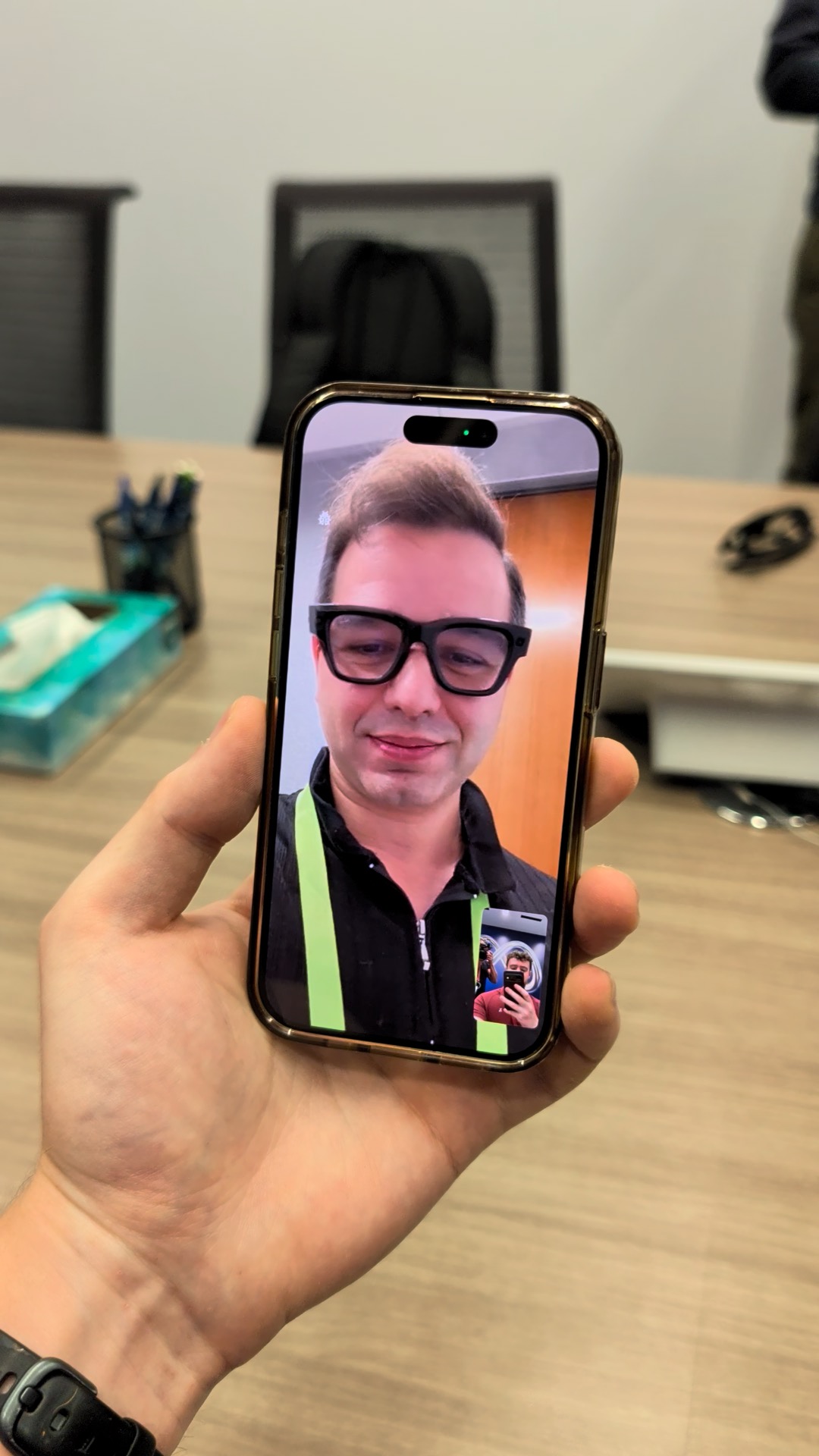
Meta engineers on-site addressed the current limitations of the system. While observers noted that some fine details—such as eye movement—occasionally looked "blocky," engineers attributed this to the high-density Wi-Fi environment at the event rather than a flaw in the diffusion model itself.
Furthermore, Meta confirmed a significant strategic shift: the cartoon-style Meta Avatars SDK is being phased out. The company intends for Holograms to eventually become the primary SDK for third-party developers, signaling the end of the "cartoon metaverse" and the beginning of a photorealistic standard for digital identity.
Implications: The "Billboard" Problem and the Future of Co-Presence
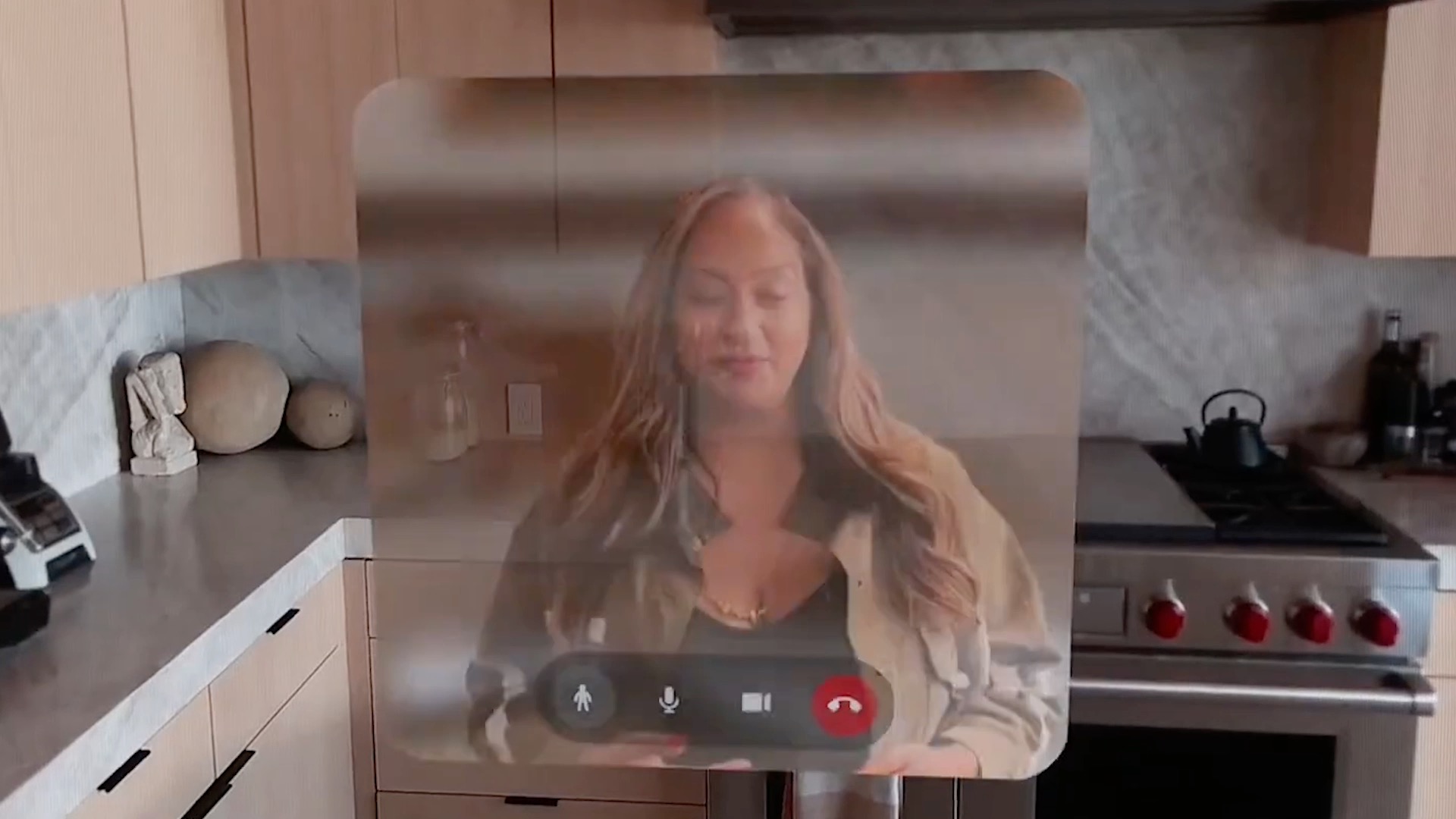
While the visual fidelity of Holograms has shocked early testers with its "plausibility," the current implementation faces a significant hurdle known in the gaming industry as the "billboard sprite" effect.
The Spatial Limitation
In the current full-body version for Meta VR Glasses, the Hologram is a stereoscopic 3D video stream rather than a volumetric object. This means that if a user walks around the Hologram, it will rotate to always face them, much like the 2D sprites in 1990s video games like Doom. This breaks the illusion of "co-presence"—the feeling that another person is physically occupying a specific spot in the room.

Privacy and Authenticity
The move to "synthetic" versions of humans raises profound questions about the nature of video communication. If the person on the other end is entirely AI-generated based on voice, is it still a "video" call?
- The Deepfake Concern: Meta is positioning Holograms as a secure, authenticated version of the user, but the existence of such high-quality generative models inevitably touches on the broader societal anxiety regarding deepfakes.
- The Utility Gap: Skeptics question the value of a synthetic avatar on a 2D phone screen. While it allows a user wearing glasses to show their face, it lacks the spatial advantages that make VR/AR compelling.
The Road Ahead: Volumetric Evolution
Meta has been transparent that the current "3D video" approach is a transitional step. The company’s long-term goal is to upgrade Holograms to be truly volumetric. This future iteration will incorporate:
- IMU Data: Using the glasses’ gyroscope to drive head rotation more naturally.
- Dynamic Backgrounds: Sampling the glasses’ cameras to place the avatar in the user’s actual current environment.
- Group Co-presence: Allowing multiple people to sit around a virtual table where the avatars have "depth" and can be viewed from any angle.
Conclusion
Meta’s "Holograms" represent a pragmatic surrender to the current limitations of mobile hardware, swapped for a bet on the power of Generative AI. By choosing to synthesize a realistic video stream rather than render a complex 3D mesh, Meta has found a way to bring its years of "Codec Avatar" research to the masses by 2027.
While the "billboard" rotation and clothing-capture limitations remind us that we are still in the early stages of this technology, the "slight gasp" of surprise from those who have tested the system suggests that Meta may have finally found its "iPhone moment" for digital identity. The transition from ridiculed cartoons to plausible holograms is not just a cosmetic upgrade; it is a fundamental shift in Meta’s strategy to own the future of human connection. Over the next two years, the world will decide if they are ready to talk to—and become—the holograms Meta has spent a decade building.