Synchronizing Sound and Soul: A Deep Dive into the Melodic World of ‘Mr. Records’
The landscape of independent gaming has long been a fertile ground for genre-bending experiments, but few titles captured the imagination of attendees at this year’s Gamescom quite like Mr. Records. Emerging from the vibrant showcase of indie talent, Mr. Records presents a whimsical yet poignant exploration of music, memory, and the pursuit of a lifelong dream. Centered on a protagonist who finds literal transcendence through sound, the game offers a dual-layered experience that blends high-energy rhythm platforming with the meticulous, "cozy" management of a vinyl record shop.
As the industry continues to move toward titles that prioritize emotional resonance alongside mechanical depth, Mr. Records stands as a testament to the power of nostalgia and the enduring magic of analog media in a digital age.
Main Facts: The Concept and Reveal of Mr. Records
At its core, Mr. Records is a narrative-driven rhythm game that puts players in the shoes of George, a retiree who has spent his life dreaming of a deeper connection to the music he loves. Unlike typical rhythm titles that focus solely on button-matching, Mr. Records frames its gameplay within a life-simulation structure. Upon his retirement, George transforms the basement of his home into a boutique record store, setting the stage for a journey that is as much about community and curation as it is about tempo and timing.
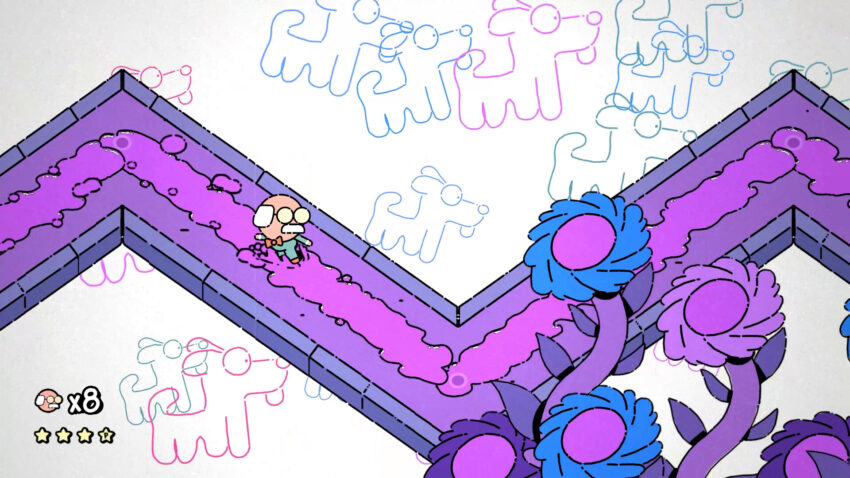
The game first caught the public eye during its official reveal trailer, which showcased a striking art style—a blend of soft, illustrative character designs and vibrant, neon-soaked "dreamscapes." During Gamescom, hands-on demos allowed players to experience the game’s unique hook: George doesn’t just listen to records; he "enters" them. This metaphysical connection allows him to traverse internal worlds constructed by the melodies, rhythms, and "vibes" of the vinyl he stocks.
While a definitive release date remains unannounced, the game has been officially listed for wishlist on Steam, signaling a growing momentum for what many are calling one of the most promising indie titles of the upcoming year.
Chronology: A Day in the Life of George
The gameplay loop of Mr. Records is structured around the passage of time, creating a rhythmic cadence to George’s daily existence. This chronological progression is vital to the game’s narrative weight, as it mirrors the slow, intentional pace of retirement life.
Morning: The Ritual of Discovery
Each day begins with George in his home, preparing for the shop’s opening. This phase is dedicated to the acquisition of new inventory. George doesn’t simply order stock from a catalog; he must engage with the music personally. Before a record can be sold, George plays it on his turntable, an act that transports the player into the "Rhythm Realm."
Midday: The Business of Vibes
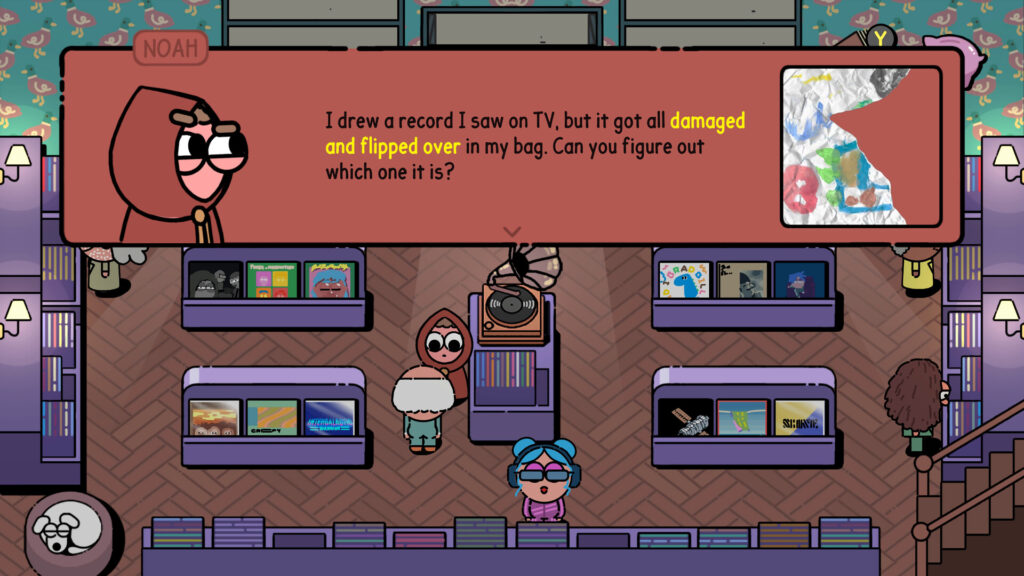
Once the records have been "vetted" through gameplay, George opens the doors of his shop. This segment shifts the focus to social simulation and shop management. Customers enter with varying degrees of musical knowledge—some seeking a specific, half-remembered track, others asking for a record that matches a particular mood or "vibe." George’s success depends on his ability to recall his experiences within the music to make the perfect recommendation.
Evening: The Echoes of the Past
As the sun sets and the shop closes, the game takes a more introspective turn. George retreats to his living quarters, where he often receives mysterious phone calls from old friends. These conversations serve as the primary vehicle for the game’s overarching plot, hinting at George’s history, his past regrets, and the reasons behind his late-life career change. This evening phase grounds the fantastical rhythm elements in a relatable, human story.
Supporting Data: The Mechanics of Melodic Integration
To understand why Mr. Records resonates, one must look at the mechanical synergy between its two primary gameplay modes. The developers have crafted a system where the "Action" and "Simulation" halves are inextricably linked.
The Rhythm-Platforming Engine
The "internal" world of the records is where the game’s kinetic energy resides. Unlike traditional "falling note" rhythm games (such as Guitar Hero), Mr. Records utilizes a platforming framework. George slides, punches, and jumps through levels that are procedurally influenced by the track’s BPM (beats per minute) and frequency spectrum.
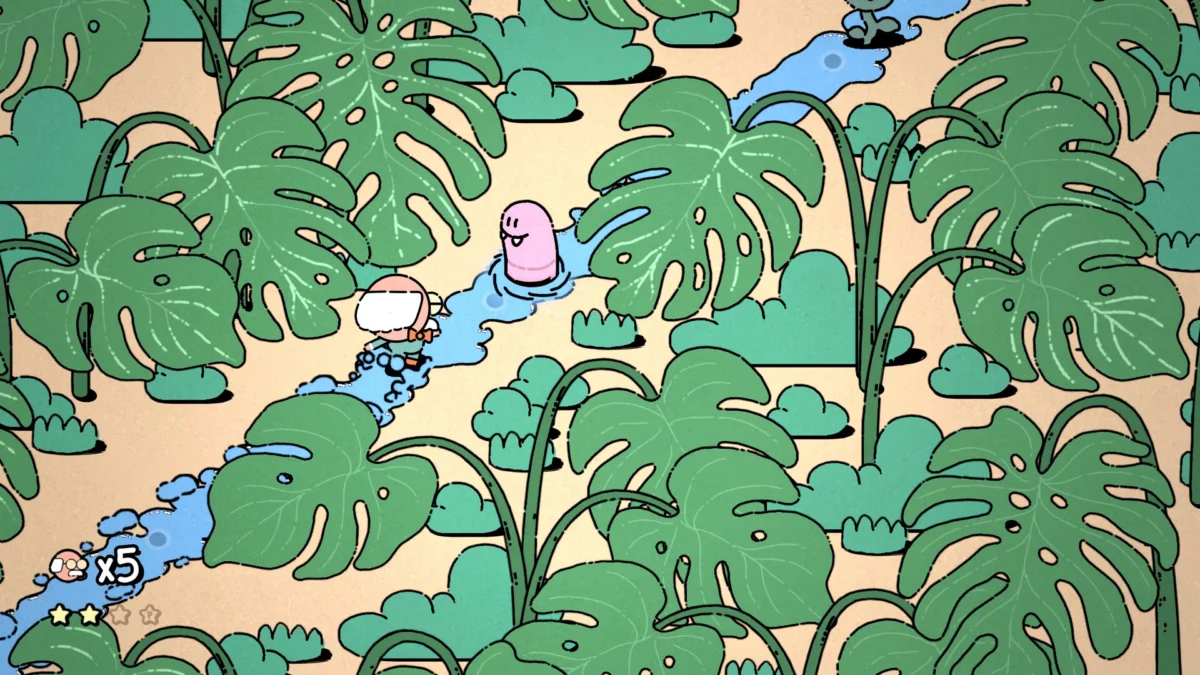
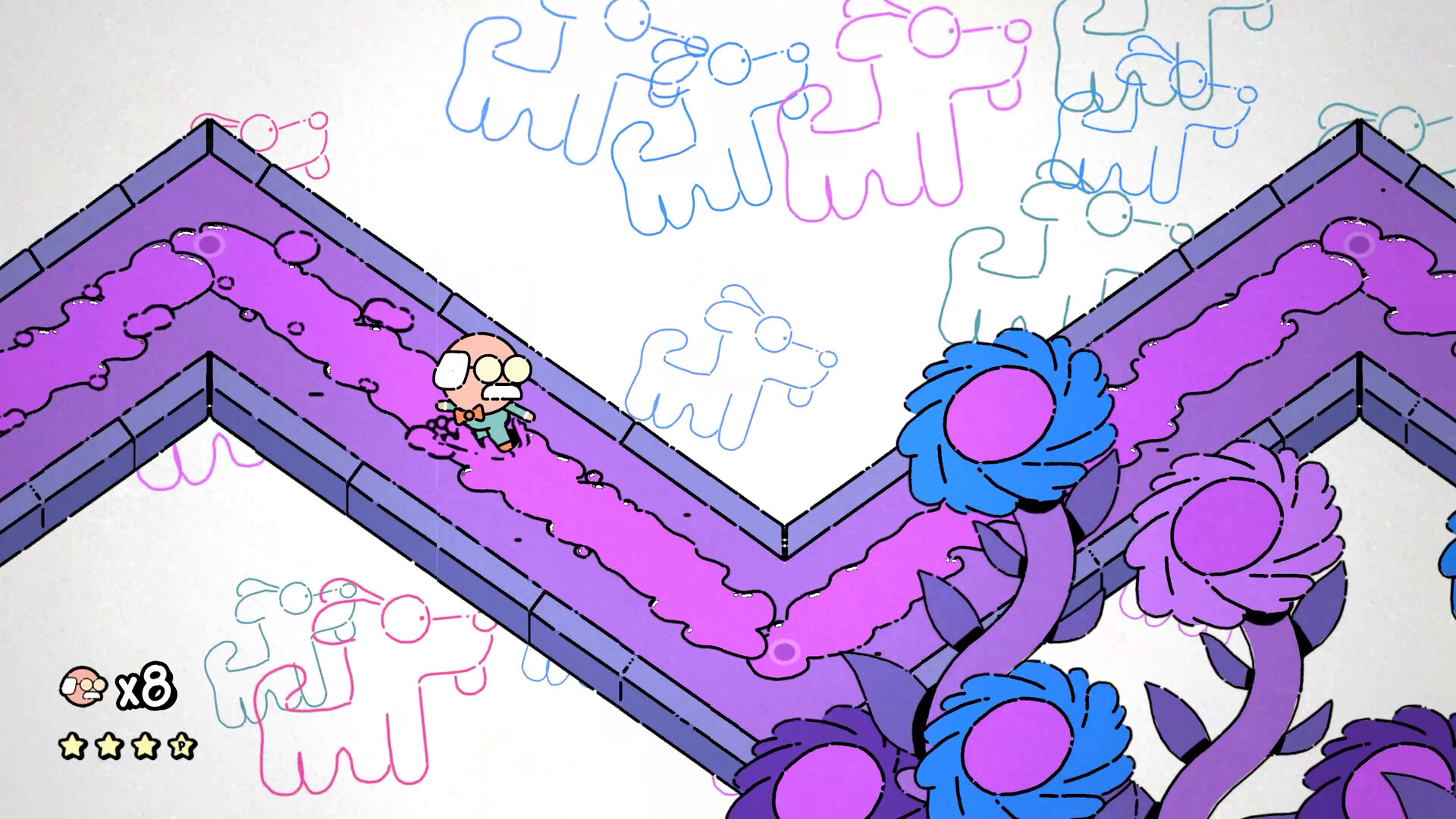
- Visual Feedback: Levels are color-coded to match the genre. "Purple levels" might signify deep synth-wave or jazz, while "Jungle levels" introduce organic, percussive obstacles.
- Kinetic Flow: The "slipping and sliding" mechanics are designed to feel frictionless, mimicking the sensation of a needle gliding across a groove. Successful performance in these levels increases the "quality" or "reputation" of the record in the shop.
The Curation Simulation
The shop management aspect utilizes a "Vibe-Matching" engine. Customers provide cryptic clues such as, "I’m looking for something that feels like a rainy Tuesday in 1974."
- Inventory Management: Players must organize their shelves not just by genre, but by the emotional data gathered during the rhythm segments.
- Customer Loyalty: Correct recommendations lead to recurring characters who share more of their own stories, expanding the game’s world beyond the four walls of the shop.
Official Responses and Aesthetic Direction
Initial impressions from the Gamescom demo have been overwhelmingly positive, with critics highlighting the game’s "synesthetic" approach to design. The visual identity of Mr. Records is a deliberate homage to mid-century modern aesthetics mixed with psychedelic 1970s album art.
The developers have stated that the goal was to create a game that feels "tactile." This is evident in the sound design—the crackle of the needle, the heavy thud of a crate being moved, and the muffled sound of the shop’s music when George is upstairs.
In a statement regarding the game’s philosophy, the creative team noted:
"Mr. Records is about the idea that music isn’t just background noise; it’s a place you can live in. We wanted to celebrate the collectors, the dreamers, and the people who believe that the right song at the right time can change a life."
The soundtrack itself is a curated eclectic mix, featuring indie artists across various genres, ensuring that the "Rhythm Realm" stays fresh and unpredictable for the player.
Implications: The Rise of the "Cozy-Action" Hybrid
The emergence of Mr. Records highlights a significant trend in the gaming industry: the "Cozy-Action" hybrid. For years, the market was divided between high-stress, skill-based games and low-stress, relaxing simulations. Titles like Mr. Records are bridging this gap, offering players the thrill of mechanical mastery (the rhythm levels) followed by the restorative "low-stakes" gameplay of shop management.
Nostalgia as a Mechanic
The game also taps into the "Vinyl Revival" currently seen in real-world consumer trends. By gamifying the act of record collecting, Mr. Records appeals to a demographic that values physical media and the "slow" culture of listening to an album from start to finish. This cultural relevance provides the game with a built-in audience of music lovers and audiophiles.
Narrative Depth in Rhythm Gaming
Furthermore, Mr. Records suggests a future where rhythm games are no longer just "arcade" experiences. By tying the music to George’s personal history and his interactions with the community, the music becomes a narrative device. This elevates the genre, proving that a well-placed beat-drop can be just as emotionally impactful as a line of dialogue.
Conclusion
As George navigates his retirement by diving headfirst into his passions, players are invited to do the same. Mr. Records promises to be more than just a game about selling vinyl; it is a vibrant, rhythmic meditation on aging, the power of art, and the fact that it is never too late to open a new chapter—or a new record shop.
With its successful showing at Gamescom, the title has firmly established itself as a "must-watch" for fans of indie innovation. As we wait for the official release date, the gaming community remains eager to see if George’s dream will strike a chord with the global audience. For now, the best way to stay tuned is to follow the project on Steam and prepare for a journey where every groove tells a story.