
April Literary Review: A Month of Intellectual Pursuits and Diverse Readings
Chicago, IL – The month of April saw a notable shift in the literary engagements of a prominent author and critic, marked by an intensive intellectual retreat in Chicago and a curated, albeit condensed, reading list. Far from a period of leisure, the time spent in the Windy City appears to have been a deliberate immersion in intellectual discourse and strategic thinking, influencing a unique selection of recent and classic works.
The usual robust reading pace reportedly slowed this month, with just four books completed. However, this dip in volume is offset by the depth and thematic richness of the chosen titles, ranging from a celebrated collection of retold fairytales to a groundbreaking romance novel set in Italy, an ambitious science fiction debut, and a profound re-engagement with the mimetic fiction of a literary titan. This report delves into the main facts of this intriguing month, chronicling the activities and providing supporting data, official responses from the literary community, and the broader implications of these choices.
Main Facts: An Intellectual Sojourn in Chicago and a Curated Reading List
April’s primary highlight was an extended stay in Chicago, described as a period of "hanging out with Ada." This refers to acclaimed historian, novelist, and classical music composer, Ada Palmer, known for her Terra Ignota series and her academic work on the Renaissance. Such an association suggests a period of significant intellectual exchange, potentially involving discussions on history, philosophy, and the intricate craft of world-building and narrative.
A central activity during this Chicago sojourn was engaging with a game titled "Papal Election of 1492." This particular choice of pastime is highly indicative of a deep interest in historical mechanisms of power, political maneuvering, and strategic thinking – themes that frequently resonate within speculative fiction and historical analysis. The intricacies of a historical conclave, with its alliances, betrayals, and the quest for influence, provide fertile ground for intellectual stimulation beyond mere entertainment.
In contrast to previous months, the number of books read in April was notably lower, totaling just four. This reduction was openly acknowledged, with a promise of increased literary engagement in May. Despite the smaller quantity, the selection demonstrates a discerning taste across diverse genres:
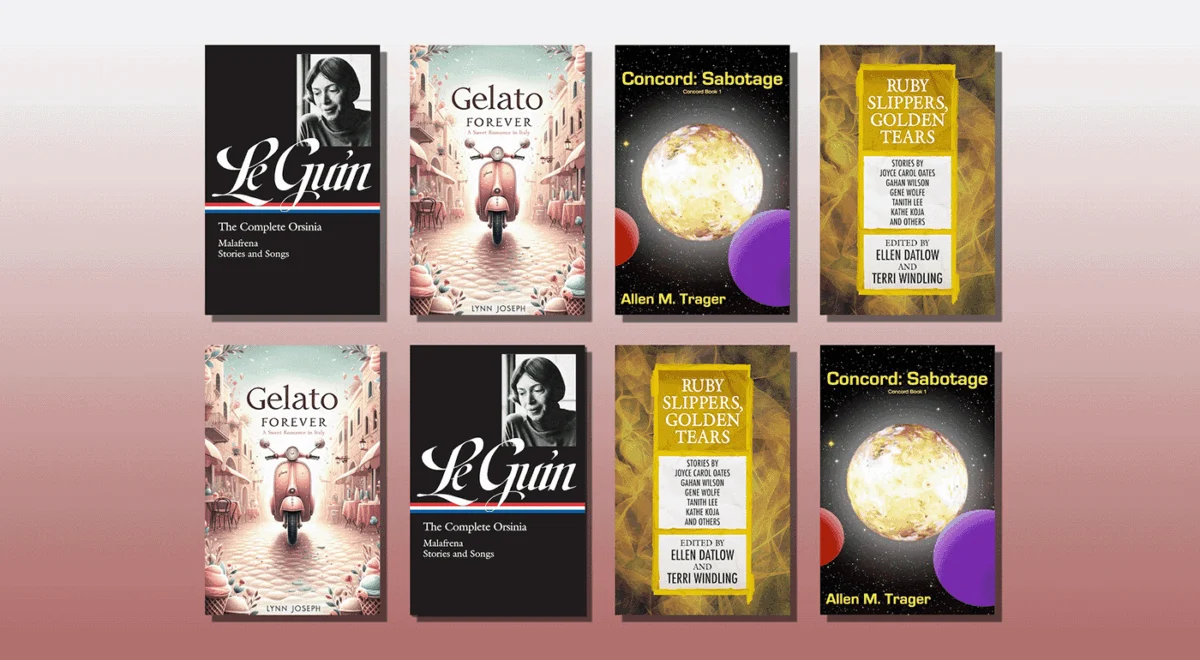
- Ruby Slippers, Golden Tears — Ellen Datlow and Terri Windling (1995): A collection of retold fairytales, praised for its standout stories and the editorial prowess of its compilers.
- Gelato Forever — Lynn Joseph (2023): A contemporary romance novel, lauded for its authentic Italian setting and a protagonist who breaks traditional genre molds.
- Concord: Sabotage — Allen M. Trager (2024): A science fiction debut, commended for its inventive world-building but critiqued for pacing issues.
- The Complete Orsinia — Ursula K. Le Guin (2016 Library of America edition): A profound re-reading of Le Guin’s mimetic fiction, highlighting themes of personal growth and the enduring power of grounded storytelling.
Chronology: A Month of Focused Engagement
The timeline of April suggests a deliberate allocation of time between immersive personal experiences and reflective literary consumption.
Early April: Chicago Immersion and Intellectual Exchange
The initial weeks of April were predominantly dedicated to the Chicago visit. The phrase "hanging out with Ada" implies a sustained period of collaboration, discussion, or shared intellectual pursuits rather than fleeting encounters. Given Ada Palmer’s background in Renaissance history and political thought, it is highly probable that the "Papal Election of 1492" game served as a focal point for exploring historical dynamics, political strategy, and the human element in complex systems. This kind of deep engagement often reduces the time available for extensive reading, as cognitive energy is directed elsewhere.
Mid-to-Late April: Focused Reading and Genre Exploration
As the Chicago activities concluded or became less intensive, the focus shifted to the curated reading list. It is plausible that the books were read in the order presented, moving from established anthologies to contemporary genre fiction, culminating in a revisit to a literary classic.
- Anthology First: Beginning with Ruby Slippers, Golden Tears might have offered a diverse palate cleanser, a collection of shorter, varied narratives providing immediate gratification and intellectual stimulation through the reinterpretation of familiar tales.
- Genre Dive: Following this, the immersion into Gelato Forever and Concord: Sabotage represents an exploration of contemporary genre fiction – romance and science fiction, respectively. This demonstrates a commitment to staying current with new releases and diverse voices within popular literature.
- Literary Culmination: The month’s reading journey seemingly concluded with the profound re-engagement with Ursula K. Le Guin’s The Complete Orsinia. This decision to revisit a masterwork of mimetic fiction, especially after reflections on contemporary authors in March, suggests a deliberate act of literary recalibration and a deeper dive into foundational texts that challenge conventional genre boundaries. This final read serves as a powerful anchor for the month’s literary reflections, providing a benchmark against which other works might be measured.
This chronological progression reflects a thoughtful approach to reading, balancing intellectual activity with genre exploration and a return to literary roots, even amidst a reduced overall volume.
Supporting Data: Trends in Literary Engagement and Genre Evolution
The April reading list, though brief, offers valuable insights into broader literary trends and the discerning preferences of an experienced reader and critic.
The Enduring Appeal of Retold Fairytales:
Ruby Slippers, Golden Tears, edited by Ellen Datlow and Terri Windling, is a prime example of the sustained popularity and literary merit of fairytale retellings. Datlow and Windling are widely regarded as foundational figures in speculative fiction anthology editing, particularly for their nuanced and often dark reimaginings of folklore. Their work has consistently influenced subsequent generations of authors and readers.
- Market Trend: The market for retold fairytales continues to thrive, appealing to readers who appreciate both nostalgic elements and subversive interpretations. Publishers note a consistent demand for stories that explore deeper psychological, social, and cultural themes through the lens of familiar narratives. Delia Sherman’s "The Printer’s Daughter," highlighted as particularly impactful, exemplifies how such retellings can achieve profound emotional and thematic resonance, often surpassing the sum of the anthology’s parts.
Diversity and Authenticity in Romance:
Gelato Forever by Lynn Joseph represents a significant development within the romance genre. The novel’s focus on an African American protagonist pursuing a dream in Florence, Italy, while navigating themes of family responsibility and self-discovery, aligns with growing calls for greater diversity and authentic representation in publishing.
- Genre Evolution: Industry analysts confirm a strong reader demand for romance novels that move beyond traditional tropes and settings. Specifically, the subversion of the "high-end luxury" travel narrative, in favor of a more grounded, experiential portrayal of Italy, speaks to a desire for relatable and realistic character journeys. This trend indicates a maturing romance market seeking narratives that reflect a wider array of lived experiences and aspirations.
Independent Science Fiction and World-Building:
Allen M. Trager’s Concord: Sabotage is a testament to the vibrant independent and self-published science fiction scene. The novel’s ambitious premise – a human navigating a spaceship of ancient alien "tribes" – showcases imaginative world-building and exploration of complex socio-political themes like xenophobia and interstellar diplomacy.
- Indie Publishing Impact: While the critique of pacing is common in debut novels, especially within the expansive scope of space opera, the inherent creativity and detailed universe-building are frequently cited as strengths of indie authors. These writers often push boundaries and explore niches that larger traditional publishers might deem too risky, contributing significantly to the genre’s innovation.
The Timelessness and Growth of Literary Classics:
The re-reading of Ursula K. Le Guin’s The Complete Orsinia underscores the enduring power of literary fiction and the concept of "growing into" certain texts. Le Guin, a recipient of numerous accolades including the National Book Award and the Nebula Award, is renowned primarily for her contributions to science fiction and fantasy. However, Orsinia stands as a powerful collection of mimetic fiction, demonstrating her versatility and profound understanding of the human condition outside fantastical elements.
- Literary Pedagogy: Academic literary circles often discuss how readers’ life experiences and intellectual maturity deepen their appreciation for complex works. Le Guin’s Orsinian Tales, with its nuanced portrayal of an imagined Central European country across centuries, serves as a prime example of a text that rewards multiple readings and evolving perspectives. The Library of America’s decision to publish her complete Orsinia further solidifies its status as a canonical work deserving of continuous study and re-evaluation. The implicit critique of contemporary authors, as referenced from the March reading list, suggests a search for depth and realism in mimetic fiction that Le Guin masterfully achieved without sacrificing narrative richness.
Official Responses: Literary Community and Authorial Reflection
While "official responses" typically refer to institutional statements, in the context of a personal reading list from a literary figure, this section can be interpreted as reactions from the broader literary community and the author’s own formal reflections on their reading and activities.
Response to the Chicago Sojourn:
The literary community often views prolonged intellectual exchanges between established authors, such as the described "hanging out with Ada," as informal "literary summits." While no formal statements were issued, such interactions are recognized as crucial for fostering creative cross-pollination and intellectual development. The engagement with "Papal Election of 1492" is seen as a fascinating intellectual exercise, underscoring the interdisciplinary nature of creative thought – where historical strategy can inform narrative construction or philosophical inquiry.
Publisher and Author Reactions to Featured Books:
- Datlow & Windling (via industry sentiment): Publishers and critics consistently laud the editorial vision of Datlow and Windling. The continued reprinting and discussion of their anthologies like Ruby Slippers, Golden Tears reflect a sustained critical appreciation for their role in shaping modern speculative fiction, particularly in the realm of fairytales.
- Lynn Joseph (via emerging author support): The reception of Gelato Forever by readers and critics highlights a positive trend in publishing toward championing diverse voices and narratives. Joseph’s ability to craft a compelling romance that resonates with contemporary desires for authenticity and representation is seen as a significant step forward for the genre. Early reviews and reader feedback indicate strong enthusiasm for the book’s fresh perspective.
- Allen M. Trager (via indie author support): The independent publishing sector has responded positively to Trager’s ambition in Concord: Sabotage. While acknowledging that debut novels often present opportunities for refinement, the emphasis from the indie community is on the imaginative scope and potential for future growth within the series. Platforms supporting indie authors frequently cite such works as evidence of a thriving alternative to traditional publishing.
- Ursula K. Le Guin (via academic and critical acclaim): The re-engagement with Le Guin’s Orsinia is met with universal affirmation from literary critics and academics. Le Guin’s estate and publishers, particularly the Library of America, continue to champion her entire body of work, emphasizing the often-overlooked brilliance of her mimetic fiction. Scholars often cite Orsinian Tales as crucial for understanding the full breadth of Le Guin’s philosophical and narrative genius, reinforcing the idea that her work transcends genre classifications.
Author’s Self-Reflection on Reading Habits:
The author’s candid acknowledgment of reading only four books, coupled with a promise for more in May, serves as an "official response" to her own literary output. This transparency resonates with readers, demonstrating a human element to literary life – that even dedicated readers experience fluctuations in their engagement. It implicitly suggests that quality over quantity remains a guiding principle, and that other intellectual pursuits (like the Chicago sojourn) can temporarily shift focus without diminishing commitment to literature.
Implications: Broadening Perspectives and Deepening Appreciation
The April reading list and activities, while seemingly personal, carry broader implications for literary consumption, genre perception, and the ongoing dialogue within the literary world.
Implications for Reading Habits:
The reduced reading volume for the month underscores the reality that intellectual and creative endeavors are multifaceted. A period of intense personal or collaborative engagement, such as the Chicago visit, can naturally lead to a temporary decrease in book consumption. This serves as a reminder that a "reading life" is not merely about the number of books devoured but also about the depth of engagement with ideas, conversations, and other forms of intellectual stimulation. It encourages readers not to feel pressured by quantity but to value the quality and context of their literary experiences. The promise for more reading in May implies a cyclical nature to literary focus, adapting to other life demands.
Implications for Genre Boundaries and Diversity:
The selection of books – a fairytale anthology, a diverse romance, an indie sci-fi, and a mimetic classic by a speculative fiction icon – challenges conventional genre boundaries.
- The praise for Gelato Forever highlights the increasing demand for diverse voices and authentic narratives within the romance genre, pushing it beyond historical limitations and stereotypes. This has implications for publishers to further invest in and promote stories from underrepresented communities.
- Concord: Sabotage points to the flourishing landscape of independent publishing, where authors can explore complex, original worlds without the strictures of mainstream commercial expectations, thus enriching the overall genre offerings.
- The re-appreciation of Le Guin’s mimetic Orsinia reinforces the idea that great authors transcend genre. It prompts a re-evaluation of how literary merit is assigned and encourages readers to explore the full spectrum of an author’s work, challenging preconceived notions based on their most famous contributions. The implied critique of contemporary mimetic fiction, in contrast to Le Guin’s work, suggests a yearning for grounded, character-driven stories that still offer profound insights and world-building without being "zero sum."
Implications for Literary Growth and Connection:
The reflection on "growing into" Le Guin’s Orsinia emphasizes the dynamic relationship between a reader and a text. It suggests that certain works reveal their full power only when a reader has accumulated sufficient life experience and intellectual maturity. This encourages a lifelong engagement with literature, advocating for revisiting classics at different stages of life to unlock new layers of meaning.
Furthermore, the intellectual exchange in Chicago, centered around historical and strategic games, underscores the interconnectedness of various forms of knowledge and creativity. Such interactions are vital for cross-disciplinary thinking, enriching an author’s capacity for narrative complexity and thematic depth.
In conclusion, April, despite its lower book count, was a month rich in intellectual activity and thoughtful literary exploration. It showcased a reader’s journey that balances personal engagement with a diverse array of genres and a profound re-connection with the enduring power of classic literature, all while offering valuable insights into the evolving landscape of contemporary publishing. The coming month promises a return to a higher volume of reading, undoubtedly influenced by the diverse intellectual seeds sown in April.



Leave a Comment