
The Last Frontier of the Metaverse: VRChat Thrives as Horizon Worlds and Rec Room Retreat
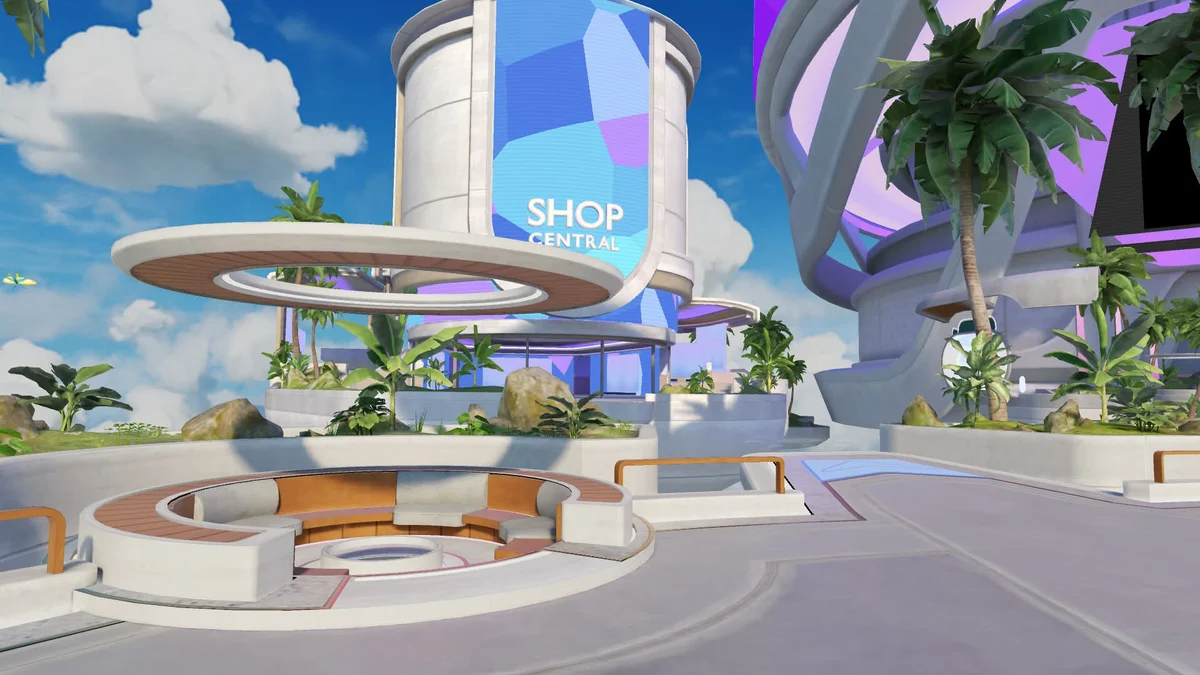
In the rapidly evolving landscape of spatial computing and virtual reality, the term "Metaverse" has transitioned from a buzzy marketing catchphrase to a cautionary tale for Silicon Valley’s largest players. In a series of shocking industry shifts, two of the most heavily funded social VR platforms—Meta’s Horizon Worlds and the independent giant Rec Room—have signaled a massive retreat from their original VR-first visions. However, amidst this atmosphere of consolidation and closure, VRChat has emerged not just as a survivor, but as a thriving ecosystem that is actively breaking its own usage records.
While critics have spent the last year declaring the "death of the Metaverse," VRChat’s recent performance suggests that the concept is far from dead; rather, it is undergoing a radical Darwinian selection. As corporate-led platforms struggle to find their footing, the grassroots, creator-driven model of VRChat is proving that community loyalty and creative freedom are the true currencies of the virtual age.
Main Facts: A Divergence of Destinies
The current state of social VR can be summarized by three major developments that occurred in the first quarter of 2024. These events represent a fundamental shift in how developers view the viability of virtual social spaces.
First, Meta—the company that rebranded its entire identity around the Metaverse—announced a significant pivot for Horizon Worlds. The platform is transitioning into a "flatscreen-first" experience, prioritizing smartphones and web browsers over the Quest VR headsets. While existing VR worlds remain accessible, the company has effectively placed the VR side of the platform into maintenance mode, halting VR support for new world creation and focusing its development tools on mobile-friendly interfaces.
Second, Rec Room, once considered the gold standard for cross-platform social gaming, announced it would be shutting down entirely in June 2024. Despite having raised hundreds of millions of dollars in venture capital, the platform failed to reach sustained profitability. Management cited "broader headwinds in gaming" and a shifting VR market as the primary drivers behind the decision to sunset the service.
Third, in direct opposition to these trends, VRChat reported record-breaking growth. During the most recent New Year’s Eve celebrations, the platform saw nearly 150,000 concurrent users. In the months following, that record was shattered twice more, with the latest peak reaching nearly 160,000 users. Unlike its competitors, VRChat is doubling down on its commitment to its community, expanding its creator economy, and inviting "refugees" from Horizon and Rec Room to find a new home within its servers.
Chronology: From the Hype Cycle to the Great Shakeout
To understand why VRChat is succeeding while its competitors falter, one must look at the timeline of the social VR industry over the last decade.

- 2014–2017: The Pioneering Era. VRChat launched in early 2014, long before the modern "Metaverse" hype. It was built by enthusiasts for enthusiasts, leveraging the Unity engine to allow users to upload almost anything they could imagine. During this same period, Rec Room launched (2016) with a focus on polished, "Nintendo-esque" mini-games and a safer, more moderated environment.
- 2019–2021: The Pandemic and the Rebrand. The COVID-19 pandemic provided a massive tailwind for social VR. Meta (then Facebook) launched the beta for Horizon Worlds. In late 2021, Mark Zuckerberg rebranded Facebook to Meta, sparking a global gold rush for virtual real estate and social platforms. Funding for platforms like Rec Room skyrocketed, with valuations reaching billions of dollars.
- 2022–2023: The Reality Check. As the world reopened, the meteoric growth of VR slowed. Meta faced internal criticism over the "empty" feeling of Horizon Worlds. Meanwhile, VRChat introduced its "Creator Economy," allowing world builders and avatar makers to monetize their work directly through the platform.
- March 2024: The Pivot and the Collapse. The industry reached a breaking point. Meta’s internal data suggested that Quest owners were not using Horizon Worlds as their primary social hub, leading to the mobile pivot. Days later, Rec Room admitted that the cost of maintaining its sprawling infrastructure outweighed its revenue, leading to the June shutdown announcement.
- Late March 2024: VRChat’s Defiance. VRChat issued a formal statement clarifying that they are "not going anywhere," positioning themselves as the stable, long-term player in a market defined by volatility.
Supporting Data: The Metrics of Success
The survival of VRChat is not merely a matter of sentiment; it is backed by hard data and a sustainable economic model that differs significantly from its peers.
Concurrent User Peaks
The 160,000 concurrent user record is a staggering figure for a platform that requires a relatively high-end PC or a dedicated VR headset for the full experience. For context, this puts VRChat’s "daily peak" on par with some of the top 10 most-played games on Steam, such as Apex Legends or Grand Theft Auto V.
The Creator Economy
While Meta and Rec Room struggled to implement monetization that felt fair to creators, VRChat’s marketplace has flourished. The platform has successfully onboarded professional studios like TrickForge and independent artists like spookyghostboo and nawty. These creators are not just making "mods"; they are building full-scale careers by selling custom avatars, assets, and VIP access to exclusive virtual clubs and experiences.
Technical Depth
A key differentiator is the barrier to entry for creators. Horizon Worlds utilized a "low-code" visual scripting system designed to be easy for beginners but frustratingly limited for professionals. VRChat, conversely, uses Udon, a programming language built on top of Unity. This allows for a level of technical sophistication—from fully functional flight simulators to complex rhythm games—that Horizon and Rec Room simply could not match.
Official Responses: Corporate Strategy vs. Community Resilience
The official statements from the three companies reveal a deep philosophical divide in how they view their users.
Meta’s Perspective:
Meta’s move is a calculated business decision. A spokesperson noted that they are seeing "significant growth on smartphones," and that the pivot is about "meeting users where they are." This highlights a shift in Meta’s strategy: they are no longer trying to force people into headsets to socialize; they are trying to build a social network that happens to have a VR component.
Rec Room’s Farewell:
The statement from Rec Room was more somber, citing a "shift in the VR market" and "broader headwinds." Their failure to reach profitability suggests that the venture-capital-backed model—which requires exponential growth to satisfy investors—may be ill-suited for the current, steady-growth phase of VR.

VRChat’s "Open Letter":
VRChat’s response was part-condolence, part-recruitment. "We are sad to see fewer compatriots in our space," the company wrote. However, the core of their message was an invitation: "To anyone looking for a new home: we’d love to have you." They emphasized that their heartbeat is the "loyalty, creativity, ingenuity, passion, and energy" of the community—assets they claim "no amount of funding can replicate."
Implications: Why VRChat is the "Real" Metaverse
The retreat of Horizon Worlds and Rec Room from the VR space has profound implications for the future of digital interaction. It suggests that the "Metaverse" as envisioned by corporate boardrooms—a sanitized, highly moderated, and strictly controlled environment—is not what users actually want.
The Power of "The Wild West"
VRChat has a reputation for being less moderated than its competitors. This has led to "bad vibes" in certain corners of the platform, but it has also fostered a level of creative freedom that is unparalleled. In VRChat, you can be a 10-foot-tall robot, a tiny anime character, or a photorealistic human. You can visit a meticulously recreated jazz club from the 1920s or a surrealist dreamscape. This freedom of expression is the "killer app" of VR social interaction.
The Skill Pipeline
Because VRChat uses industry-standard tools like Unity, it serves as a training ground for the next generation of game developers. Creators are building "real careers" on the platform, as VRChat noted in its statement. This creates a virtuous cycle: as creators get better, the worlds get better, which attracts more users, which generates more revenue for the creators.
The Future of Social VR
The "flatscreen pivot" by Meta may be a sign that VR is becoming a niche for "hardcore" users, while the "general public" remains on phones. If this is true, VRChat is perfectly positioned to be the king of that niche. By focusing on the "power users" who spend 40+ hours a week in a headset, VRChat has built a moat that even a trillion-dollar company like Meta has failed to breach.
In conclusion, the demise of Rec Room and the retreat of Horizon Worlds do not signal the end of social VR. Instead, they mark the end of the "Hype Era." What remains is VRChat—a platform that has spent a decade building a foundation of community and creativity. For those who still believe in the dream of a persistent, user-generated virtual world, the message from VRChat is clear: the lights are still on, the doors are open, and the best is yet to come.


Leave a Comment