
The Return of the Jedi: Analyzing ‘The Mandalorian & Grogu’ and the New Financial Blueprint for Star Wars
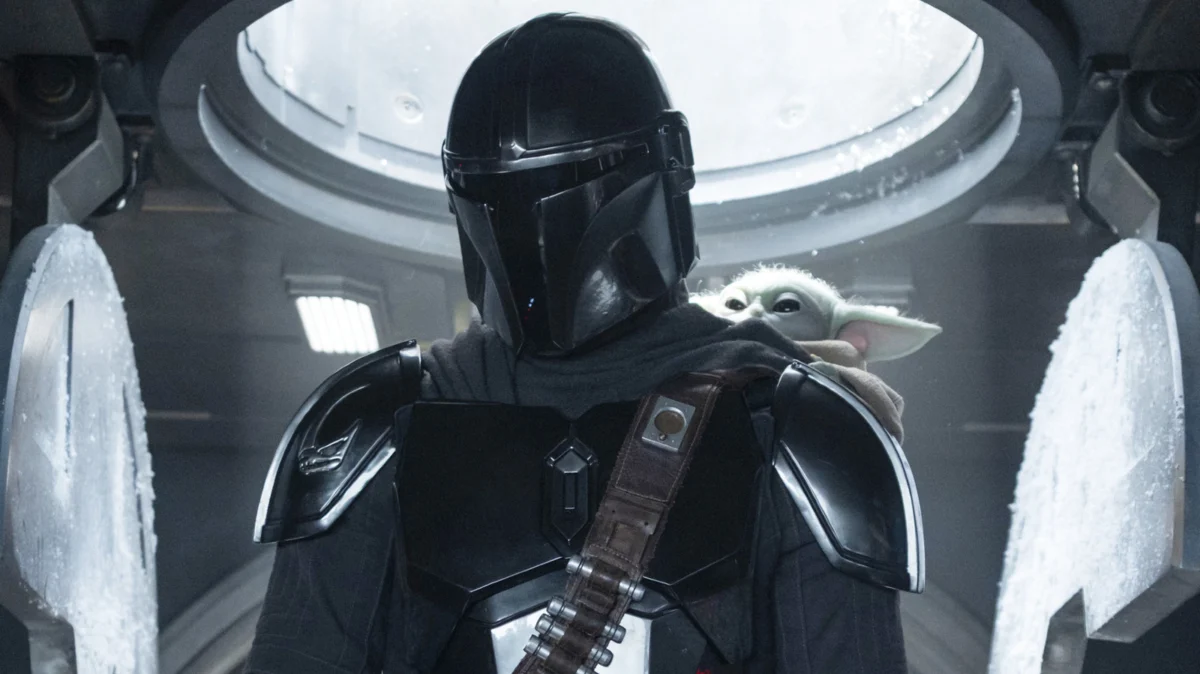
The cinematic landscape of a galaxy far, far away has officially entered a new epoch. Following a nearly seven-year hiatus from the silver screen, Lucasfilm and Disney have returned to the theatrical arena with The Mandalorian & Grogu. Opening over the high-stakes Memorial Day weekend, the film serves as more than just a blockbuster; it is a litmus test for the enduring power of the Star Wars brand in a post-pandemic, streaming-saturated market. While the raw numbers suggest a modest start by historical standards, a deeper dive into the economics, audience sentiment, and production strategy reveals a franchise that is successfully recalibrating for a more sustainable future.
Main Facts: A Balanced Opening in a Changing Market
The Mandalorian & Grogu, directed by Jon Favreau, debuted to an estimated $81.9 million over its three-day opening weekend. When factoring in the Monday holiday, that figure climbed to a respectable $102 million. On the international stage, the film pulled in an additional $63 million, culminating in a global launch of $165 million.
While these figures might pale in comparison to the billion-dollar heights of the Sequel Trilogy, the most critical metric lies in the film’s efficiency. Produced for a reported net budget of $165 million, The Mandalorian & Grogu represents the most cost-effective Star Wars production of the Disney era. By comparison, 2018’s Solo: A Star Wars Story—the franchise’s most notorious financial stumble—cost upwards of $275 million to produce and opened to $103 million over the same four-day holiday window.
The reception of the film also highlights a growing trend in modern blockbusters: the "critic-audience divide." Currently, the film holds a 63% "Fresh" rating from critics on Rotten Tomatoes, but boasts a soaring 88% audience score. This 25-point gap suggests that while critics may find the transition from television to film somewhat formulaic, the core fanbase—particularly younger viewers who grew up with the Disney+ series—remains deeply invested in the titular duo.
Chronology: From the Rise of Skywalker to the Big Screen Return
To understand the weight of these box office numbers, one must look at the five-year journey that led to this moment.
2019: The End of an Era
The release of Star Wars: Episode IX – The Rise of Skywalker marked the conclusion of the Skywalker Saga. Despite grossing over $1 billion, the film was plagued by middling reviews and a sense of "franchise fatigue." Lucasfilm leadership, led by Kathleen Kennedy, opted to put theatrical releases on hiatus to rethink the long-term strategy.
2020–2023: The Streaming Pivot
The onset of the COVID-19 pandemic coincided with the explosive growth of Disney+. The Mandalorian became the flagship series for the service, proving that Star Wars could thrive on the small screen. However, this success created a new dilemma: if audiences could watch high-quality Star Wars content at home, would they still pay for a theater ticket?
2024: The Theatrical Gamble
The Mandalorian & Grogu was originally conceived as a fourth season of the hit show. In a strategic pivot, Disney decided to package the narrative into a feature film. This move was designed to bridge the gap between the TV audience and the traditional moviegoer, serving as a "soft launch" for the next wave of Star Wars cinema.
Supporting Data: Comparing the Numbers
When analyzing the $102 million opening, context is king. The Star Wars franchise has always been a domestic heavyweight, often struggling to replicate its North American fervor in markets like China.
| Film | Budget | 4-Day Opening (Domestic) | Global Total |
|---|---|---|---|
| The Force Awakens (2015) | $245M | $248M (3-day) | $2.07B |
| Rogue One (2016) | $200M | $155M (3-day) | $1.05B |
| Solo (2018) | $275M+ | $103M | $392M |
| The Mandalorian & Grogu (2024) | $165M | $102M | TBD |
The data shows that while The Mandalorian & Grogu matches the opening of Solo, its lower production cost makes the path to profitability significantly shorter. Industry analysts suggest that a $450 million worldwide finish would make the film a "win," whereas Solo needed nearly $800 million to break even after marketing costs.
Furthermore, the 88% audience score is the highest for any Star Wars film since Disney acquired Lucasfilm in 2012. This suggests strong "legs" (longevity at the box office). Films with high audience satisfaction typically see smaller week-to-week drops, which could propel The Mandalorian & Grogu past the $500 million mark—a feat Solo never came close to achieving.
Official Responses and Studio Strategy
While Lucasfilm has remained characteristically tight-lipped about specific profit margins, the studio’s strategy is becoming clear through the lens of Disney CEO Bob Iger’s recent mandates. Iger has publicly called for a focus on "quality over quantity" and a more disciplined approach to budgeting.
The decision to hire Jon Favreau—a director with a proven track record of balancing commercial appeal with fan service (as seen in Iron Man and The Lion King)—was a deliberate move to stabilize the brand. Sources close to the production indicate that the use of "The Volume" (Industrial Light & Magic’s StageCraft technology) allowed the production to maintain high visual standards while keeping costs lower than traditional location-heavy shoots.
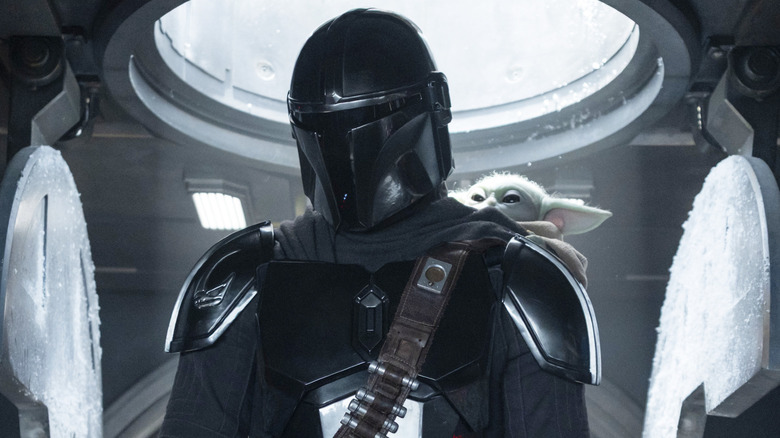
Internally, Disney is reportedly viewing the merchandising potential of the film as a primary revenue driver. "Grogu" (colloquially known as Baby Yoda) remains one of the most lucrative intellectual properties in the Disney portfolio. The film serves as a massive two-hour advertisement for toys, apparel, and theme park attractions at Galaxy’s Edge, providing a financial cushion that standalone films like Solo lacked.
Implications: The Future of a Galaxy Far, Far Away
The success of The Mandalorian & Grogu offers several key takeaways for the future of the franchise:
1. The "Streaming-to-Theater" Pipeline is Viable
There were concerns that audiences would resist paying for a story they had previously received "for free" on Disney+. The $102 million opening proves that fans are willing to migrate from the couch to the theater if the characters are beloved enough. This opens the door for other series, such as Ahsoka or The Acolyte, to potentially receive theatrical conclusions or spin-offs.
2. A More Flexible Budgetary Model
By proving that a Star Wars film can succeed with a $165 million budget, Lucasfilm has granted itself more creative freedom. Not every film needs to be a "Saga" event with a $300 million price tag. This allows the studio to experiment with different genres—such as the upcoming Star Wars: Starfighter (2027)—without the existential risk of a total financial collapse.
3. The Next Generation is Secured
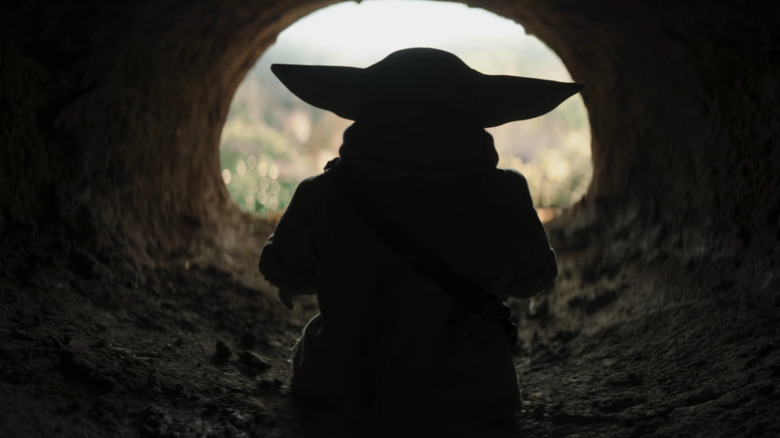
The high audience score among younger demographics is perhaps the most vital takeaway. For a 47-year-old franchise to survive, it must cultivate a new generation of fans. The Mandalorian & Grogu has successfully transitioned the "Mando-verse" fans into theatrical consumers, ensuring the brand’s longevity for decades to come.
4. The Road to 2027 and Beyond
With the viability of the brand re-established, the path is clear for the more ambitious projects on the horizon. This includes Sharmeen Obaid-Chinoy’s film featuring the return of Daisy Ridley’s Rey, and James Mangold’s "Dawn of the Jedi" project. The "homework" required to watch The Mandalorian & Grogu—namely, having seen the TV show—did not deter audiences, suggesting that the Star Wars faithful are more than willing to engage with a complex, interconnected cinematic universe.
In conclusion, The Mandalorian & Grogu may not be the box office supernova that The Force Awakens was, but it isn’t meant to be. It is a calculated, efficient, and well-received return to form. It has proven that even after several years in the "streaming wilderness," the Jedi—and the Mandalorians—still hold a powerful sway over the global box office. The Force, it seems, is back in balance.

Leave a Comment