
The Porthos Pedigree: How Alan Hale Jr. and Sr. Defined a Cinematic Legacy Across Forty Years
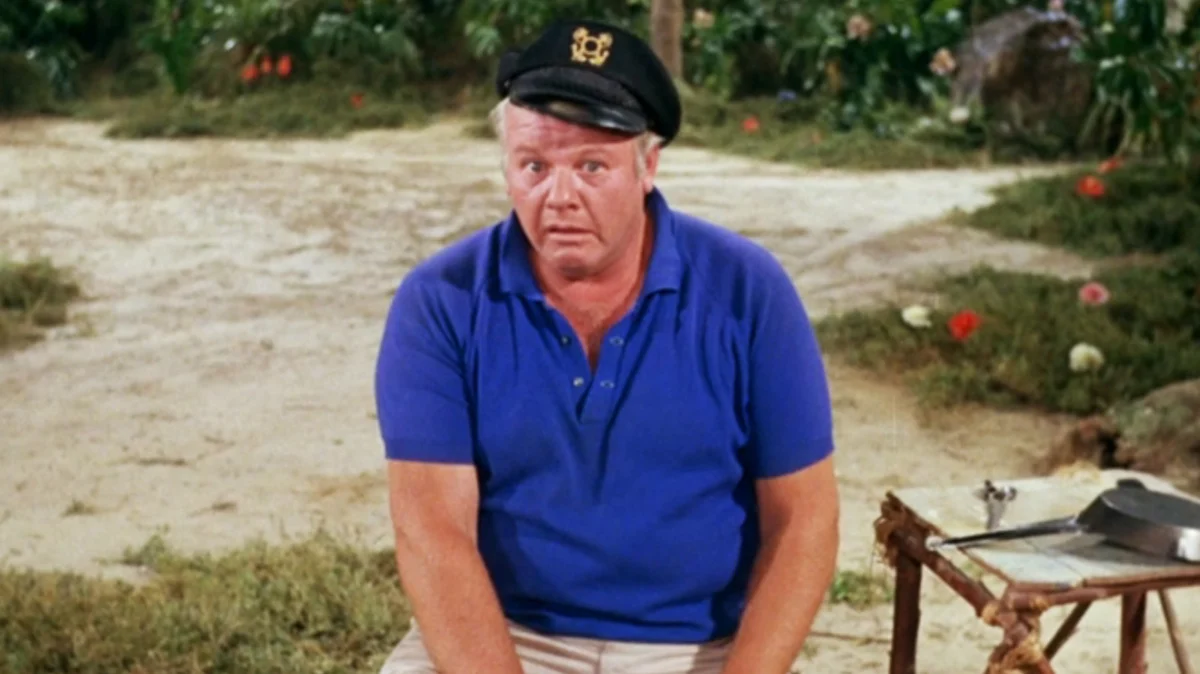
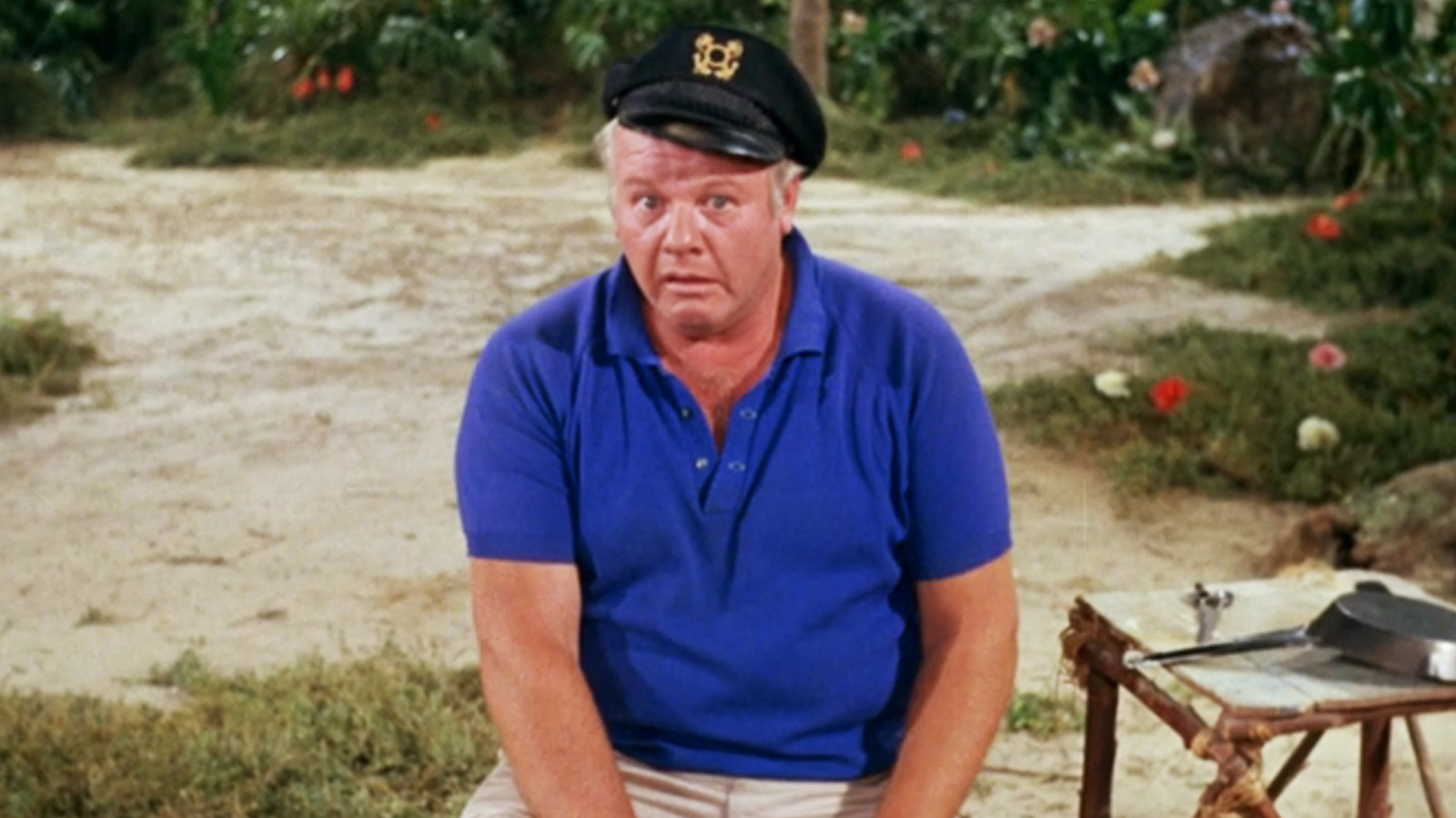
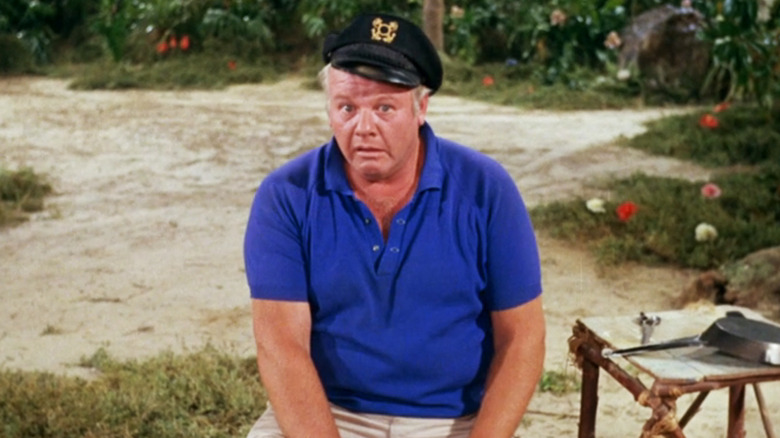
In the annals of Hollywood history, certain names become synonymous with a single, indelible role. For Alan Hale Jr., that role was undoubtedly Captain Jonas Grumby—better known to generations of television viewers as "The Skipper" on the classic CBS sitcom Gilligan’s Island. For three seasons and decades of syndication, Hale Jr.’s jovial yet perpetually frustrated captain became a cornerstone of American pop culture. However, beneath the shadow of the S.S. Minnow lay a deep-seated family legacy that spanned the Golden Age of cinema to the late 1970s.
Perhaps the most remarkable chapter of this legacy is a rare feat of casting: Alan Hale Jr. and his father, Alan Hale Sr., both portrayed the legendary Musketeer Porthos in major film adaptations of Alexandre Dumas’ work, exactly forty years apart. This cross-generational performance serves as a poignant bridge between two eras of filmmaking and highlights the enduring "character actor" archetype that the Hale family perfected.
Main Facts: A Tale of Two Musketeers
The connection centers on the 1847-1850 Alexandre Dumas novel The Vicomte of Bragelonne: Ten Years Later, specifically the narrative arc involving the "Man in the Iron Mask." In 1939, Alan Hale Sr. stepped into the boots of the boisterous, wine-loving Porthos in the United Artists production The Man in the Iron Mask. Fast forward to 1979, and his son, Alan Hale Jr., took up the same mantle in the British-Austrian co-production The Fifth Musketeer.
The symmetry between the two performances was more than just a coincidence of casting. The two men shared a striking physical resemblance—a barrel-chested, jovial presence and a booming voice—that made them natural fits for Porthos, the strongest and most hedonistic of the Four Musketeers. While Alan Hale Jr. had spent much of the 1960s and 70s being identified solely with the Skipper, his turn in The Fifth Musketeer was a deliberate nod to his father’s cinematic roots, effectively completing a forty-year cycle of family history.
Chronology: The Hale Dynasty and the Evolution of the Character Actor
To understand the weight of this shared role, one must look at the timeline of the Hale family’s dominance in Hollywood’s supporting ranks.
The Era of Alan Hale Sr. (1911–1950)
Alan Hale Sr. was a titan of the silent and early sound eras. Beginning his career in 1911 with The Cowboy and the Lady, he quickly became one of the most sought-after character actors in the industry. His career was defined by his collaborations with the giants of the era. He appeared alongside Douglas Fairbanks, Clark Gable, Cary Grant, and Humphrey Bogart.
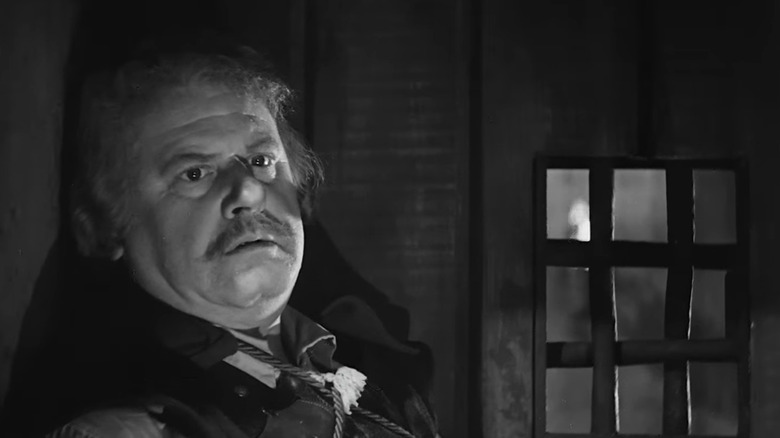
Hale Sr. was particularly noted for his frequent appearances with Errol Flynn; the two shared the screen in 13 films, most famously in The Adventures of Robin Hood (1938), where Hale Sr. played Little John. Just one year after that iconic performance, he took on the role of Porthos in the 1939 version of The Man in the Iron Mask. His portrayal established the template for the character: a man of immense strength, loyalty, and an appetite for life that matched his physical stature. Hale Sr. passed away in 1950, the same year his son appeared in The West Point Story with James Cagney—an actor the elder Hale had also worked with a decade earlier.
The Rise of Alan Hale Jr. and the Porthos Hat-Trick
Alan Hale Jr.’s journey to the Musketeer uniform was not a straight line. While he is most famous for the 1964–1967 run of Gilligan’s Island, he was a seasoned veteran of Westerns and dramas long before he reached the island. Interestingly, The Fifth Musketeer (1979) was actually the third time Hale Jr. played a version of Porthos.
- At Sword’s Point (1952): Hale Jr. played "Porthos Jr.," the son of the original Musketeer, in a film that imagined the children of the legendary heroes taking up their fathers’ causes.
- Lady in the Iron Mask (1952): In a creative twist on the Dumas tale where a princess is hidden behind the mask instead of a prince, Hale Jr. played Porthos proper.
- The Fifth Musketeer (1979): This was the definitive full-circle moment. By playing Porthos in a direct adaptation of the same source material his father used in 1939, Hale Jr. was no longer playing a "junior" or a "reimagined" version; he was stepping directly into his father’s shoes.
Supporting Data: The Production of The Fifth Musketeer
Released in 1979, The Fifth Musketeer was an ambitious attempt to revive the swashbuckling genre that had seen a resurgence earlier in the decade with Richard Lester’s The Three Musketeers (1973).
A Powerhouse Cast
Directed by Ken Annakin—the British filmmaker known for Swiss Family Robinson and The Battle of the Bulge—the film boasted an ensemble that reflected the high-caliber character acting the Hales were known for:
- Beau Bridges played the dual roles of King Louis XIV and his imprisoned twin, Philippe.
- Lloyd Bridges (Beau’s real-life father) played Aramis, creating another father-son dynamic on set.
- José Ferrer took on the role of Athos.
- Rex Harrison portrayed the calculating Jean-Baptiste Colbert.
- Ian McShane, decades before his Deadwood fame, played the villainous Nicolas Fouquet.
- Ursula Andress appeared as Louise de La Vallière.
Filming and Context
The production was shot on location in Vienna, utilizing the opulence of Austrian palaces to recreate the French court. Despite the star power and the rich source material, the film arrived at a time when the "cape and sword" genre was beginning to lose its box-office luster. For Hale Jr., however, the film represented a significant departure from his "Skipper" persona. At 58 years old, he was nearly the same age his father had been when his father’s most iconic roles were behind him, lending an air of "oddly touching uncanniness" to his performance.
Official Responses: Critical Reception and the "Shadow of the Father"
While the sentimental value of the casting was high, the critical response to The Fifth Musketeer was decidedly mixed, often leaning toward the negative. The film struggled to justify its existence in the wake of the 1939 classic and more recent, more energetic adaptations.
The New York Times Perspective
Vincent Canby, the influential critic for The New York Times, was lukewarm at best. In his September 1979 review, he noted that the film "revives without quite giving life to Alexandre Dumas’s story." Canby’s critique suggested that while the film was technically competent, it lacked the "brio" of earlier swashbucklers.
Comparison to the 1939 Original
Critics often pointed out that the 1939 version, starring Louis Hayward and featuring Alan Hale Sr., possessed a certain "Old Hollywood" magic that the 1979 version couldn’t replicate. The 1939 film was viewed as a tighter, more dramatic interpretation of the "Iron Mask" legend. In contrast, the 1979 version was seen by some as a star-studded television movie that happened to be released in theaters—a common criticism of Ken Annakin’s later works.
Despite the critical drubbing, Hale Jr.’s performance was rarely singled out for negativity. Most saw it as a fitting tribute. Even if the film didn’t achieve "classic" status, Hale Jr.’s ability to channel his father’s physicality and charm was recognized as a feat of genetic and professional continuity.
Implications: The Legacy of the Hale Family
The fact that Alan Hale Jr. played Porthos forty years after his father is more than a trivia note; it speaks to the nature of the "Hollywood Dynasty" and the evolution of the industry.
The Persistence of Typecasting
Alan Hale Jr. famously embraced his role as the Skipper, often appearing in public in his captain’s hat to delight fans. However, his return to the role of Porthos in 1979 suggests a desire to reconnect with a different kind of legacy—one rooted in the dramatic versatility of his father’s era. By returning to Dumas, Hale Jr. reminded the industry that he was a product of the studio system’s rigorous training, capable of more than just slapstick comedy on a desert island.
The Character Actor as a Cultural Anchor
Both Hales represented the "working man" of Hollywood. They were the reliable, sturdy presences that allowed leading men like Errol Flynn or Beau Bridges to shine. The "Porthos connection" underscores how these roles are often passed down, not just through DNA, but through a shared understanding of how to inhabit a character that is larger than life.
Conclusion
In the final analysis, the 1979 release of The Fifth Musketeer served as a quiet, cinematic passing of the torch. Though it may not have topped the charts or won Oscars, it allowed Alan Hale Jr. to honor his father in the most direct way possible: by picking up the sword, donning the velvet, and embodying the spirit of a character that had defined his family’s contribution to film for nearly half a century. Long after the S.S. Minnow was forgotten, the image of a Hale playing Porthos remained a testament to the enduring power of the Dumas legend and the unbreakable bonds of a Hollywood family.




Leave a Comment