Castles in the Air RPG Invites Players to Weave Grand Gilded Age Narratives of Growth and Friendship
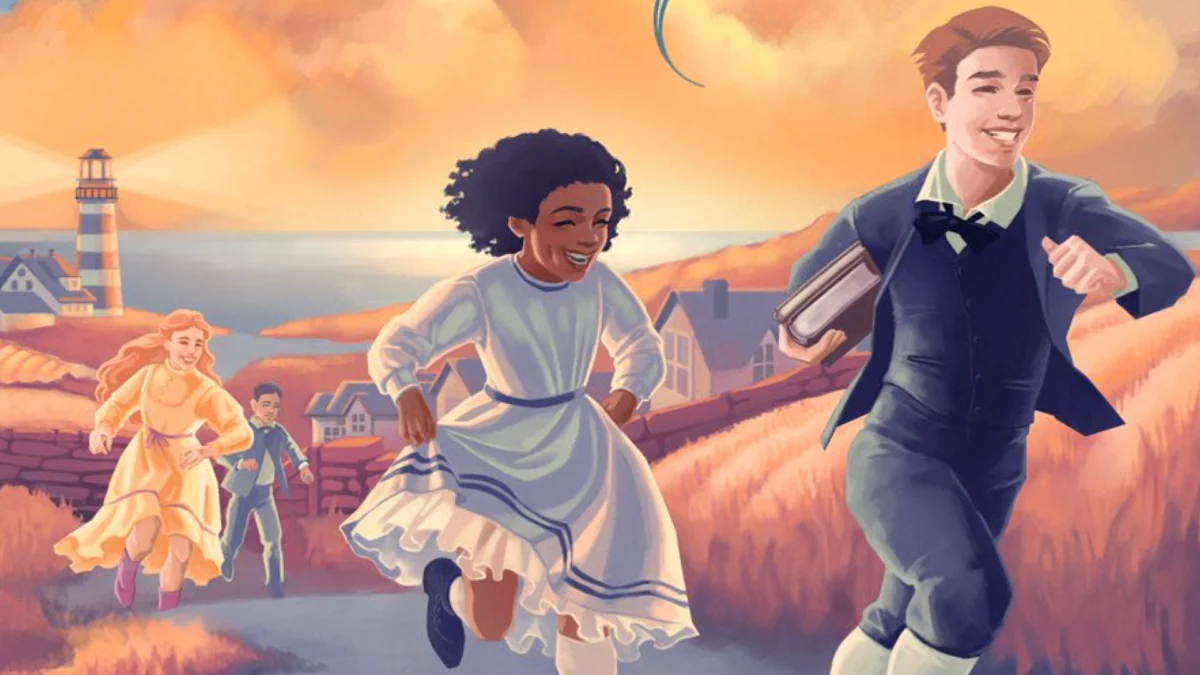
A new tabletop roleplaying game, "Castles in the Air," is set to transport players to the evocative landscape of the American Gilded Age, inviting them to craft intricate coming-of-age stories inspired by beloved literary classics. Developed by Storybrewers Roleplaying, the game promises a deeply collaborative and emotionally resonant experience, guiding characters from the boundless optimism of childhood through the complex realities of adulthood.
"Castles in the Air" distinguishes itself by focusing on the intimate journeys of a tight-knit group of individuals as they navigate a pivotal period of personal and historical change. Drawing heavily from the narrative sensibilities of enduring works like Louisa May Alcott’s "Little Women" and Lucy Maud Montgomery’s "Anne of Green Gables," the game offers a unique opportunity for players to explore themes of ambition, friendship, rivalry, love, and the inevitable march of time within a rich, historical tapestry. The Kickstarter campaign, currently underway, signals a growing appetite within the tabletop roleplaying community for games that prioritize emotional depth and collaborative narrative over traditional combat-centric mechanics.
Main Facts: A Journey from Innocence to Adulthood in the Gilded Age
At its core, "Castles in the Air" is a collaborative storytelling experience designed to emulate the sweeping narrative arcs of classic coming-of-age dramas. Players will inhabit characters who begin their stories as children, full of dreams and nascent personalities, and collectively guide them through adolescence and into adulthood. This progression is not merely a chronological formality but a central pillar of the gameplay, allowing for profound exploration of personal growth, evolving relationships, and the impact of life’s myriad experiences.
The Core Premise: Childhood Dreams and Adult Realities
The game’s central conceit revolves around the passage of time and the transformation of individuals. Players start as a cohesive group of children, whose lives are marked by the simple wonders of rural existence – playing in farmlands, swimming in lakes, and stargazing. These idyllic beginnings serve as a foundation for developing shared memories and deep bonds. As the narrative progresses, characters mature, encountering the complexities of burgeoning feelings, such as first crushes and intense rivalries. The ultimate arc sees them reaching adulthood, where life’s diverse paths may lead to drifting apart, only to perhaps reunite with a deeper understanding of their shared history. This focus on enduring relationships and the bittersweet nature of change forms the emotional bedrock of "Castles in the Air."
Literary Inspirations: Echoes of Classic Coming-of-Age Tales
The explicit inspirations for "Castles in the Air" are literary titans that have defined the coming-of-age genre for generations. "Little Women," particularly its acclaimed 2019 film adaptation by Greta Gerwig, and "Anne of Green Gables," notably the 2017 Netflix series, serve as direct touchstones. These stories are celebrated for their nuanced portrayals of sisterhood, friendship, individual aspirations against societal expectations, and the intricate dance between tradition and modernity. By referencing these works, "Castles in the Air" immediately sets expectations for a game rich in character development, emotional conflict, and the exploration of domestic and social spheres. Players are encouraged to embody archetypes familiar from these stories, from the "troublesome scamp" to the "studious bookworm" or even the "spoiled princess," fostering an immediate connection to the game’s thematic heart.
Setting the Scene: The Gilded Age as a Canvas
The choice of the American Gilded Age (roughly 1870s to 1890s) as the game’s historical backdrop is a deliberate and brilliant one. This era, characterized by rapid industrialization, unprecedented economic growth, and significant social upheaval, provides a fertile ground for compelling narratives. While the initial childhood phase might evoke a pastoral simplicity, the transition to adulthood within this period inherently introduces themes of class disparities, evolving gender roles, technological advancement, and the mass migration that reshaped American society. This setting allows players to explore not just personal growth, but also how their characters’ lives are shaped by, and perhaps even contribute to, the broader societal transformations of the time. The contrast between personal aspirations and the grand societal shifts of the Gilded Age adds layers of depth and potential conflict to the storytelling.
Collaborative Storytelling at its Heart
"Castles in the Air" is fundamentally a collaborative storytelling game. This means that success is not measured by winning or losing in a traditional sense, but by the richness and coherence of the shared narrative that emerges from play. Players work together to build their characters’ lives, relationships, and the overarching plot, fostering a sense of joint authorship. The system likely provides frameworks and prompts to guide this collaboration, ensuring that the story remains engaging and cohesive while allowing for individual player agency in their character’s destiny. This approach aligns with a growing trend in TTRPG design towards games that prioritize narrative immersion and player interaction over rule-heavy simulation.
Chronology: From Concept to Crowdfunding – The Genesis of Castles in the Air
The journey of "Castles in the Air" from a nascent idea to a fully-fledged crowdfunding campaign reflects the passion and expertise of its creators, Storybrewers Roleplaying, a publisher renowned for its commitment to narrative-driven games.
The Visionaries Behind Storybrewers Roleplaying
Storybrewers Roleplaying, the publisher behind "Castles in the Air," is co-founded by Vee Hendro and Hayley Gordon. Their company has carved a niche in the tabletop industry by focusing on games that prioritize emotional storytelling, character development, and unique settings. Their work often explores themes that resonate deeply with players seeking experiences beyond traditional dungeon crawls and combat encounters. This established reputation lends significant credibility to "Castles in the Air," signaling to potential backers that the game comes from a team with a proven track record in crafting engaging narrative systems.
Drawing from Past Success: The Legacy of Good Society
A key part of Storybrewers’ history, and a direct precursor to "Castles in the Air" in terms of design philosophy, is their critically acclaimed TTRPG "Good Society." Co-designed by Vee Hendro and Hayley Gordon, "Good Society" is inspired by the works of Jane Austen, immersing players in a world of Regency-era romance, societal expectations, and intricate social maneuvering. The success of "Good Society" demonstrated Storybrewers’ ability to translate beloved literary genres into compelling tabletop experiences, utilizing mechanics that emphasize social interaction, reputation, and emotional stakes. This experience undoubtedly informed the design choices and narrative structure of "Castles in the Air," particularly in its focus on relationships, character archetypes, and the nuanced portrayal of a specific historical period.
The Development Process: Crafting a Unique Narrative Engine
"Castles in the Air" was designed and written primarily by Melia Carraway, with significant contributions from Storybrewers’ co-founders, Vee Hendro and Hayley Gordon. The development process likely involved extensive research into the Gilded Age, careful analysis of the narrative structures of coming-of-age literature, and iterative design work to create a game system that seamlessly facilitates these themes. Crafting a system that can effectively represent the passage of years, the evolution of relationships, and the shifting perspectives from childhood innocence to adult responsibility requires a sophisticated approach to mechanics. The game’s structure, allowing players to establish childhood bonds before confronting the potential for divergence in adulthood, is a testament to this thoughtful design.
The Kickstarter Launch and Campaign Trajectory
The crowdfunding campaign for "Castles in the Air" launched on Kickstarter, with an ambitious goal to bring this unique vision to life. The campaign’s duration, running until June 9th, provides a window for enthusiasts to pledge their support and secure copies of the game. The tiered reward system, offering both digital and physical editions, caters to a broad audience. A pledge of AU$99 (£52/$77) secures a physical copy slated for delivery in March 2025, while a digital version is available for AU$34 (£18/$26). The success of the campaign will not only fund the production of the game but also validate the growing market for narrative-focused TTRPGs that explore human experiences beyond traditional fantasy or sci-fi settings.
Supporting Data: Delving Deeper into Mechanics, Themes, and Historical Context
To truly appreciate the scope and ambition of "Castles in the Air," it’s essential to examine the intricate layers of its design, the rich historical backdrop it utilizes, and the enduring appeal of the narratives it seeks to emulate.
Character Arcs: Crafting Personal Journeys
Archetypes and Personalization: The game’s character creation system is designed to facilitate immediate connection to the game’s literary inspirations. Players choose from a selection of archetypes—such as the "troublesome scamp," "studious bookworm," or "spoiled princess"—that instantly convey personality and potential narrative hooks. Beyond these foundational roles, players further personalize their characters by defining a "dream," a core aspiration that will drive their journey; "childhood relationships," establishing the initial bonds and dynamics within the group; a "family background," providing context for their upbringing and social standing; and a "bosom enemy," introducing a source of external conflict or internal friction. This robust system allows for the creation of characters that feel both familiar and deeply personal, ripe for complex development.
Relationships and Rivalries: A cornerstone of "Castles in the Air" is the intricate web of relationships that forms among the player characters and with non-player characters. The game explicitly encourages the development of both deep friendships and heated rivalries. These relationships are not static but evolve over time, mirroring the complexities of real-life human connections. A childhood crush might blossom into romance or fade into regret; a friendly rivalry could escalate into genuine animosity or transform into a bond of mutual respect. The mechanics of the game are designed to track and influence these evolving dynamics, making the social fabric of the narrative as important as any individual character’s journey.
The Passage of Time: From Playgrounds to Responsibilities: The game’s structure, which progresses characters from childhood to adulthood, necessitates mechanics that gracefully handle the passage of time and its effects. This isn’t just about aging characters; it’s about reflecting the shift in their concerns, responsibilities, and worldviews. Childhood adventures give way to adolescent self-discovery, which in turn leads to the weighty decisions and compromises of adult life. The game likely employs specific prompts, scene framing techniques, or narrative beats that signal these transitions, encouraging players to explore how their characters’ dreams and relationships are tested and reshaped by the realities of growing up.
The Allure of the Gilded Age: A Time of Transformation
The Gilded Age (1870s-1890s) was a period of immense change in the United States, marked by both dazzling prosperity and profound social inequalities. This duality provides a compelling backdrop for "Castles in the Air."
Social Dynamics and Class Structures: The era was defined by stark class divisions, with immense wealth accumulated by industrialists alongside widespread poverty and labor unrest. Player characters, depending on their "family background," could experience the privileges of the upper classes or the struggles of the working class, leading to varied life trajectories and social challenges. This setting allows for exploration of themes like social mobility, the limitations imposed by birth, and the tension between individual ambition and societal structures.
Technological Advancements and Their Impact: The Gilded Age saw incredible technological innovation—the telephone, electric light, railroads, and industrial machinery—that reshaped daily life. While "Castles in the Air" might focus on more personal narratives, these advancements would subtly or overtly influence the characters’ lives, offering new opportunities or posing new challenges. For instance, a character’s dream might involve working with a new invention, or their family’s fortunes might be tied to an emerging industry.
The American Dream and its Nuances: This period was a crucible for the "American Dream," where the promise of self-made success clashed with the realities of economic power and entrenched social hierarchies. "Castles in the Air" can explore how characters pursue their dreams in this environment, whether they achieve them, compromise them, or find entirely new aspirations as they mature. The game offers a lens through which to examine the hopes and disappointments inherent in this transformative era.
The Enduring Appeal of Coming-of-Age Narratives
The decision to center "Castles in the Air" on coming-of-age stories taps into a universally resonant narrative tradition.
Psychological Resonance: These narratives explore fundamental human experiences: the search for identity, the formation of self, the navigation of first loves and heartbreaks, and the painful yet necessary process of separating from childhood. Players can project their own experiences and reflections onto their characters, leading to deeply personal and emotionally satisfying gameplay.
Universal Themes of Identity and Belonging: Whether set in 19th-century New England or a modern metropolis, coming-of-age stories grapple with questions of who we are, where we belong, and what our purpose is. "Castles in the Air" provides a framework for players to collectively explore these universal themes through the specific lens of the Gilded Age, making the personal journey both historically contextualized and universally relatable.
The Storybrewers’ Philosophy: Games as Narrative Experiences
Storybrewers Roleplaying’s consistent output, from "Good Society" to "Castles in the Air," highlights a clear design philosophy: TTRPGs are powerful tools for collaborative storytelling and emotional exploration. Their games are less about tactical combat or resource management and more about character development, social dynamics, and the unfolding of a compelling narrative. This approach resonates with a segment of the TTRPG community seeking more diverse gameplay experiences that prioritize human drama and narrative depth.

Official Responses: Voices from Storybrewers Roleplaying
While specific direct quotes for this article are not available beyond the original brief, we can infer the likely sentiments and design philosophies of the creators based on the game’s premise and Storybrewers’ established reputation.
Designer Insights: Melia Carraway on Creative Vision
Melia Carraway, the primary designer and writer for "Castles in the Air," would undoubtedly emphasize the emotional core of the game. "My vision for ‘Castles in the Air’ was always to create a space where players could genuinely connect with the universal experience of growing up," Carraway might explain. "We all remember those formative years, the big dreams, the first crushes, the quiet fears. I wanted to capture that delicate balance between youthful idealism and the dawning complexities of adulthood, all set against a richly detailed historical backdrop that feels both grand and intimately personal." She would likely highlight the intentionality behind choosing the Gilded Age, noting its capacity for both bucolic childhoods and stark societal realities.
Publisher’s Perspective: Vee Hendro and Hayley Gordon on Community and Craft
Vee Hendro and Hayley Gordon, co-founders of Storybrewers Roleplaying, would likely articulate the company’s broader mission and how "Castles in the Air" fits within it. "At Storybrewers, we believe in the power of games to tell meaningful stories, stories that resonate with players on a deeply emotional level," Hendro might state. "Following the success of ‘Good Society,’ we saw an incredible opportunity to explore another beloved literary genre—the coming-of-age narrative—through the unique lens of the Gilded Age. Melia’s design truly embodies our commitment to crafting immersive, collaborative experiences." Gordon might add, "We’ve always been drawn to games that allow players to build relationships, navigate social landscapes, and witness the profound changes that time brings. ‘Castles in the Air’ is a testament to that philosophy, offering a system that empowers players to craft narratives as poignant and enduring as the classics that inspired it." They would also likely express gratitude for the community’s support during the Kickstarter campaign, underscoring the vital role of crowdfunding in bringing independent, innovative TTRPGs to fruition.
Early Player Reactions and Anticipation
While the game is still in its crowdfunding phase, early actual play videos and previews, such as "A Golden Dawn – Castles in the Air Actual Play – Part 1/3" available on YouTube, have generated significant anticipation. Players are drawn to the game’s unique premise, its departure from traditional TTRPG genres, and the promise of a deeply character-driven experience. The community’s response suggests a strong desire for games that offer rich emotional landscapes and collaborative narrative creation.
Implications: What Castles in the Air Means for the TTRPG Landscape
"Castles in the Air" is more than just another tabletop roleplaying game; it represents a significant development in the evolving landscape of the TTRPG industry, with implications for genre diversity, emotional depth, and indie game development.
Expanding the TTRPG Genre: Beyond Fantasy and Sci-Fi
For decades, the TTRPG market has been dominated by high fantasy and science fiction settings. While these genres remain incredibly popular, "Castles in the Air" joins a growing wave of games that explore diverse historical periods, social dramas, and intimate human experiences. Its focus on the Gilded Age and coming-of-age narratives demonstrates that compelling roleplaying can thrive outside of dragons, starships, and magic spells. This expansion enriches the hobby, making it accessible and appealing to a broader audience who might not typically gravitate towards traditional fantasy fare.
The Power of Emotional Storytelling
The game’s emphasis on emotional arcs, evolving relationships, and the bittersweet nature of growth highlights a crucial aspect of modern TTRPG design: the power of emotional storytelling. "Castles in the Air" encourages players to delve into complex feelings, explore personal triumphs and heartbreaks, and collectively build narratives that resonate on a deeply human level. This focus elevates the TTRPG experience beyond mere mechanics, transforming it into a vehicle for shared emotional journeys and profound introspection.
A Niche, Yet Growing, Market
While "Castles in the Air" caters to a specific niche—those who appreciate literary-inspired, narrative-heavy, and historically situated games—this niche is steadily growing. As the TTRPG hobby diversifies, more players are seeking experiences that offer unique thematic explorations and less combat-focused gameplay. Storybrewers Roleplaying has been instrumental in cultivating this market, and "Castles in the Air" further solidifies the viability and demand for such titles.
The Future of Collaborative Narratives
The game exemplifies the strength of collaborative narrative design. By empowering players to collectively shape their characters’ lives and the overarching story, "Castles in the Air" champions a form of interactive storytelling where the journey is as important as any predetermined outcome. This approach fosters deeper player engagement, creativity, and a strong sense of shared ownership over the narrative, pointing towards a future where TTRPGs increasingly leverage collective imagination.
Kickstarter’s Role in Indie Development
The successful crowdfunding of "Castles in the Air" on Kickstarter underscores the platform’s continued importance for independent game developers. It allows creators to bypass traditional publishing gatekeepers, directly connect with their audience, and secure the necessary funding to bring innovative and niche projects to life. For games like "Castles in the Air," which might not fit into mainstream publishing models, Kickstarter is an invaluable tool for fostering creativity and expanding the diversity of the TTRPG landscape.
Conclusion: Building Dreams, One Story at a Time
"Castles in the Air" promises to be a poignant and engaging addition to the tabletop roleplaying world. By skillfully blending the rich historical backdrop of the Gilded Age with the timeless appeal of coming-of-age narratives, Storybrewers Roleplaying and designer Melia Carraway have crafted a game that invites players to explore the beautiful, messy, and ultimately transformative journey from childhood dreams to adult realities. As its Kickstarter campaign draws to a close, the anticipation for this unique TTRPG continues to build, signaling a bright future for games that dare to tell stories with heart, depth, and historical resonance. For those eager to build their own grand narratives of growth and friendship, "Castles in the Air" offers an unparalleled opportunity to do just that.