The Aerialist of the Canvas: The Prolific Evolution of Mia Wolff
By [Your Name/Journalist Name]
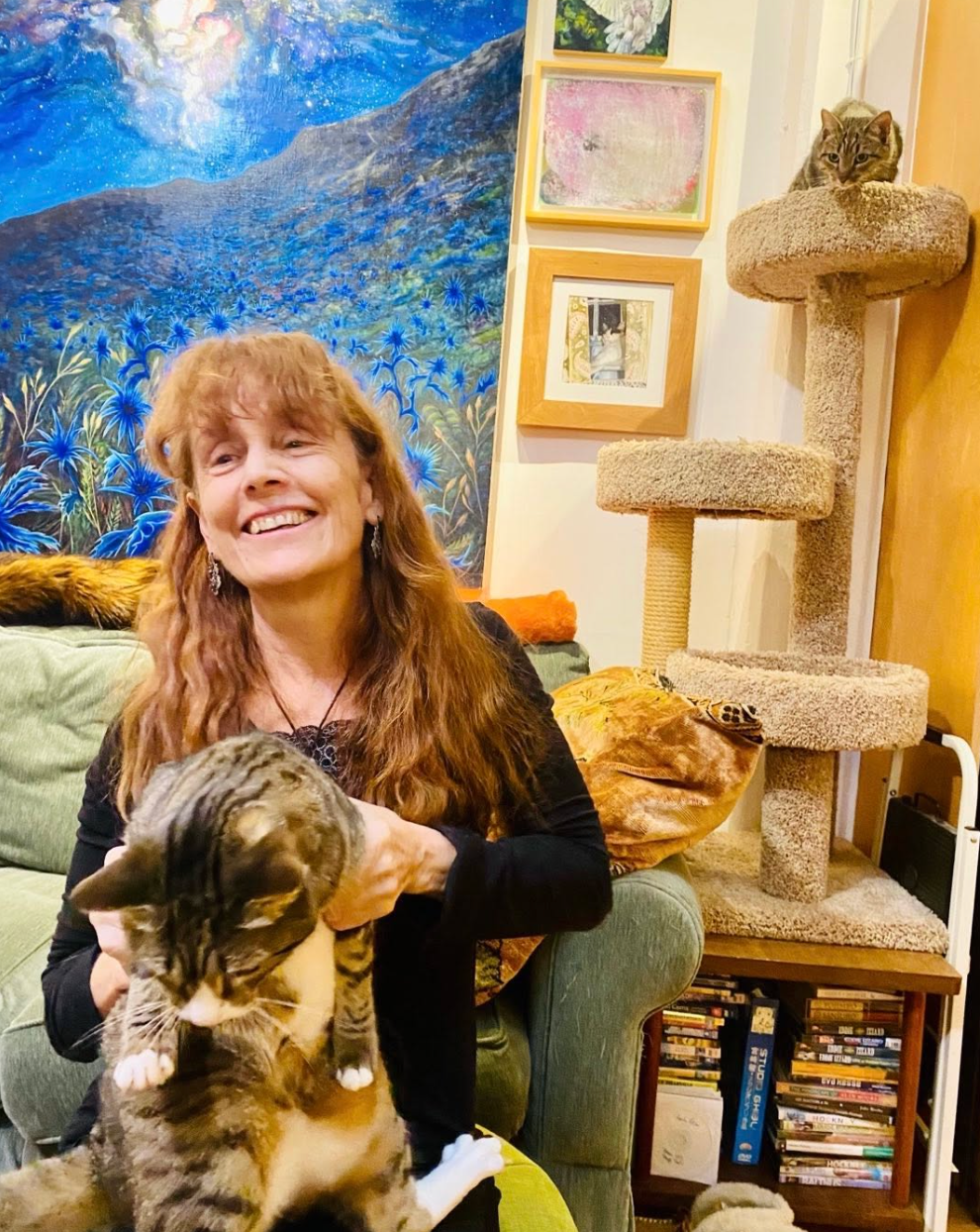
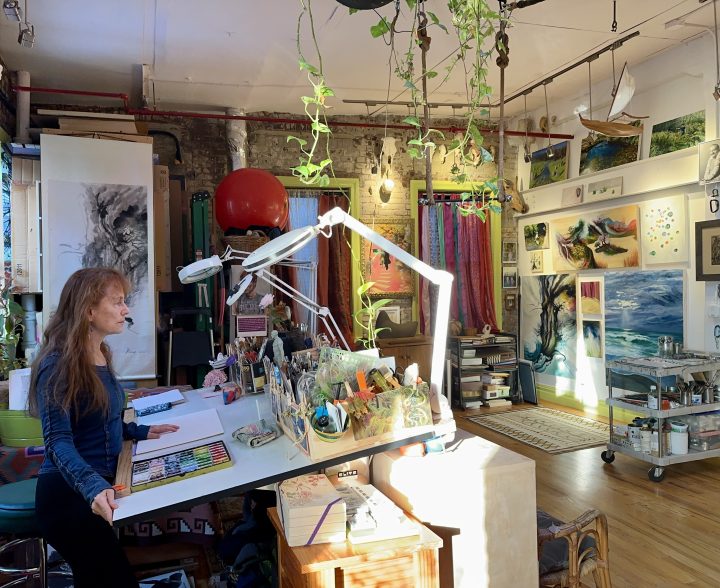
In the sun-drenched, plant-filled sanctuary of a Brooklyn loft known as "Wolffland," artist Mia Wolff navigates a creative landscape as vast and daring as the three-ring circuses of her youth. Once a "catcher" in a double trapeze act for the Big Apple Circus, Wolff has spent the last five decades catching something far more elusive: the "art elves"—the persistent, pushy ideas that crowd the back of her brain until they demand actualization.
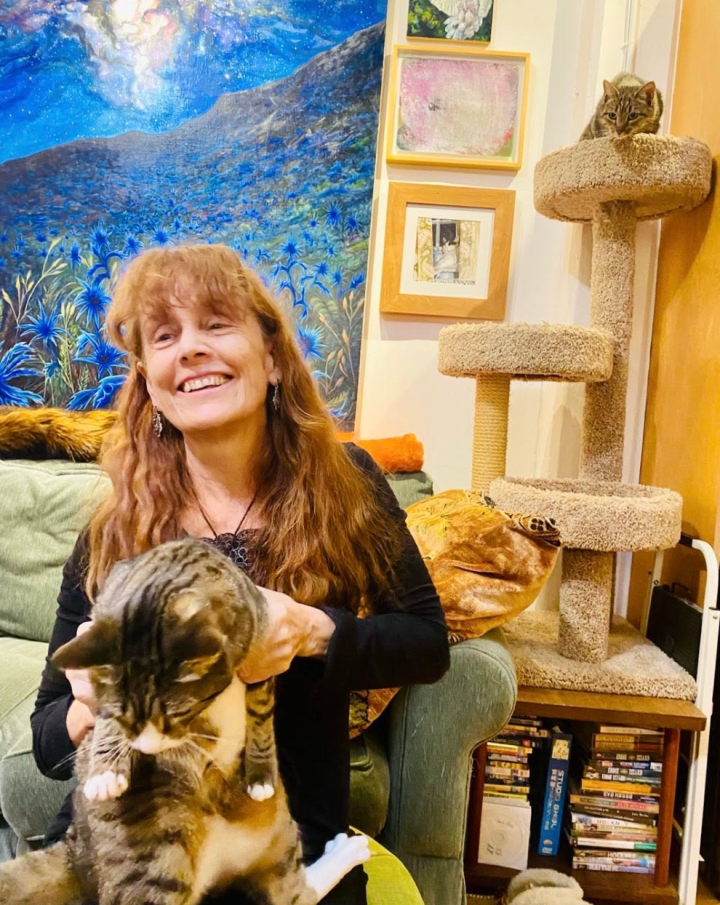
Mia Wolff’s career is a study in startling versatility. From her 1993 children’s book Catcher to her landmark collaboration with science fiction grandmaster Samuel R. Delany on the graphic memoir Bread & Wine, Wolff has bridged the gap between fine art painting and sequential narrative. Today, following a post-pandemic surge of productivity, she stands as a vital figure in the American underground and independent comics scene, recently releasing The Empty Lot (2024) and preparing for a unique "flip-book" publication of her newest works, Still Beating and Blue.
Main Facts: The "Art Elves" and the Creative Mandate
At the core of Wolff’s recent productivity is a phenomenon she describes as "art migraines"—not painful, but insistent pressures from the "art elves" in her mind. This interior flow of imagery has resulted in a prolific streak that began during the COVID-19 lockdowns. While many artists faced paralysis during the pandemic, Wolff found herself knocking down a metaphorical dam.
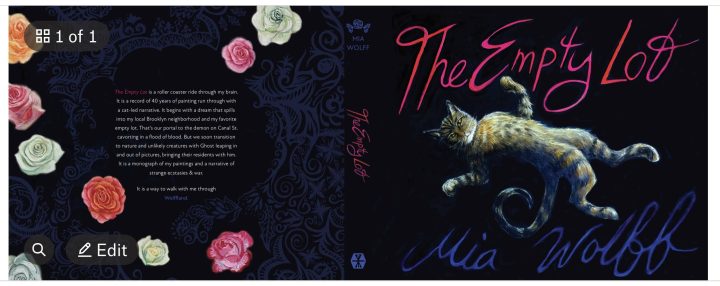
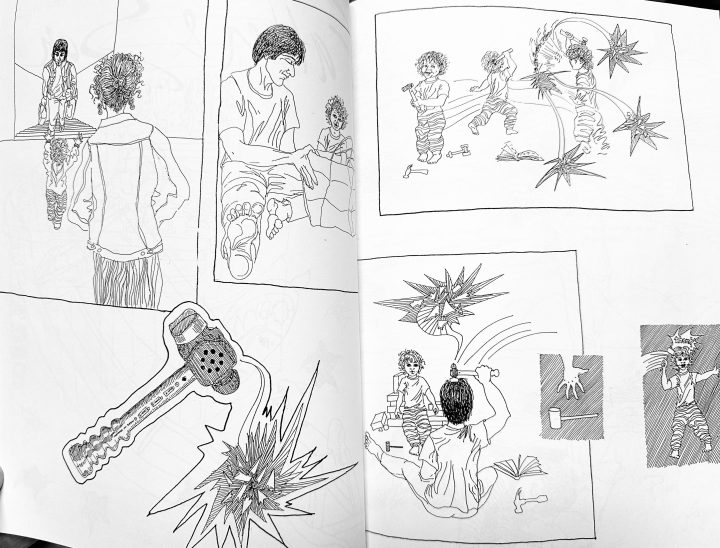
The centerpiece of this resurgence is The Empty Lot (Fantagraphics Underground, 2024), a work she describes as a "narrative monograph." Moving away from the dry, scholarly tone of traditional art books, Wolff used her cat, Ghost, as an avatar to guide readers through 40 years of her paintings. The book functions as an "operatic roller coaster," weaving a hundred existing paintings with a hundred new illustrations to create a buoyant, comedic narrative.
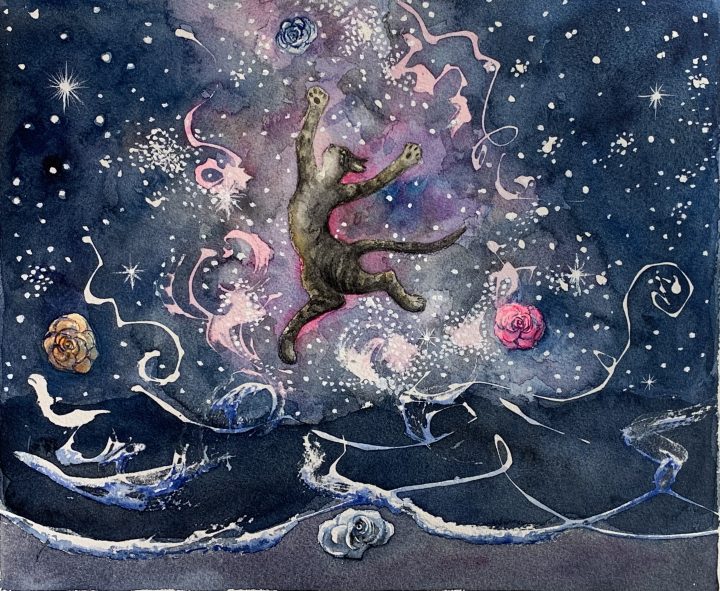
Wolff’s work is characterized by what she calls "levitatory" art. While her earlier years were marked by darker "war paintings," her current focus is on pure beauty and the "pleasure button." This transition reflects a conscious choice to deviate from the "schmaltzy" while still aiming to burn images into the viewer’s retina through vibrant color and kinetic energy.
Chronology: From Pratt to the Big Apple and Beyond
The trajectory of Mia Wolff’s life is as non-linear as her graphic novels.
The Formative Years and the Big Top (1970s–1980s)
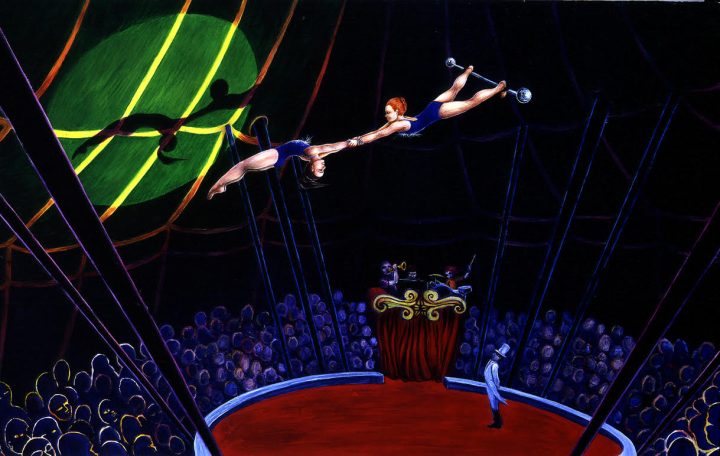
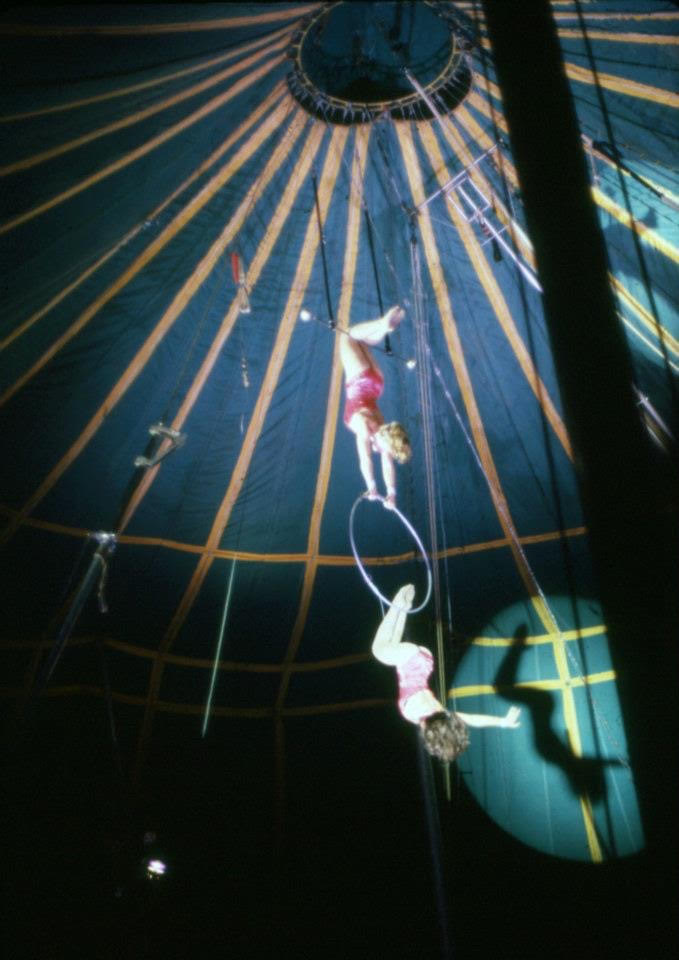
Wolff’s journey began at the Pratt Institute in Brooklyn, where she studied painting. However, her path took a radical turn when she joined the founding members of the Big Apple Circus. Training in a freezing Bronx basement under the tutelage of defected Moscow State Circus stars, Wolff mastered the double trapeze. As a "catcher," she spent years suspended 25 feet in the air, a physical experience of "outer space" and adrenaline that would later inform the fluid, muscular anatomy of her drawings.
The Upstate Isolation and the Zine Era (1990s)
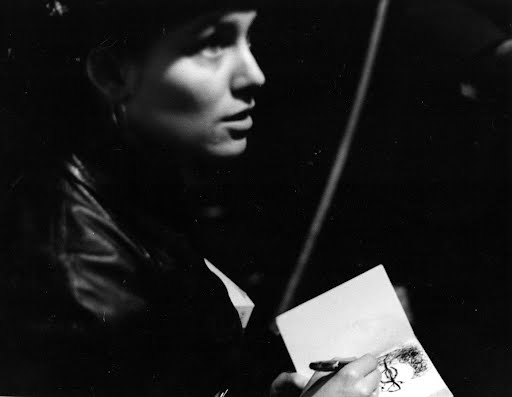
In 1990, a week before the birth of her son, Virgil, Wolff signed a contract with Farrar, Straus and Giroux for her first book, Catcher. Moving to New Paltz, New York, she found herself in a period of intense creative isolation. While raising a toddler, she could only paint at night. This era birthed Eye Feed, a series of self-published zines created through a laborious process of photocopying, pasting, and re-photocopying. These zines were her lifeline to the outside world, containing sketches of her garden, her son, and short comic vignettes.
The Delany Connection and SDCC (1999)
Wolff’s entry into the "landmark" territory of comics history began with a chance meeting at a science fiction bookstore in the West Village. While sitting at the feet of author Samuel R. Delany during a signing for Dhalgren, she met Robert Morales, a writer who would become a lifelong friend and her primary advocate. This meeting led to Bread & Wine: An Erotic Tale of New York City (1999), a graphic memoir detailing the relationship between Delany and his partner, Dennis. In 1999, Wolff attended the San Diego Comic-Con as a presenter alongside Delany, where she met industry legends like Will Eisner, Neil Gaiman, and Eddie Campbell.
The Modern Renaissance (2020–Present)
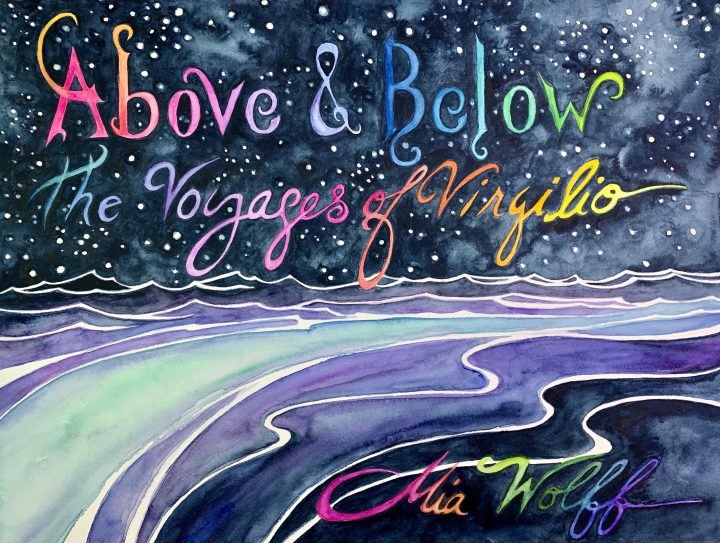
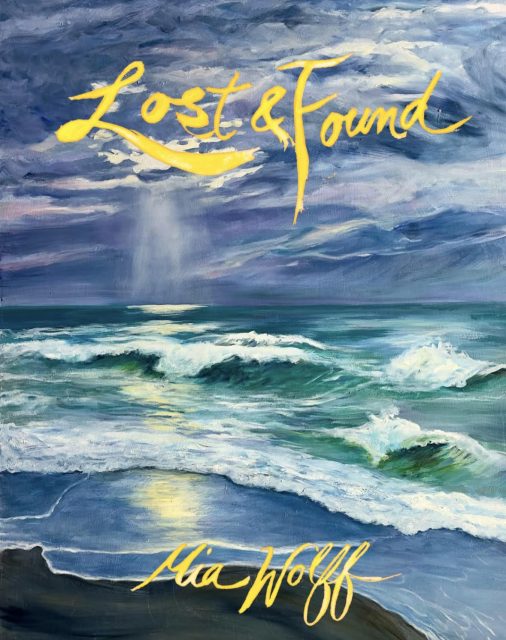
After a long hiatus focused primarily on oil painting, the pandemic reignited Wolff’s interest in the book format. She completed Above and Below: The Voyages of Virgilio, which she successfully pitched to Gary Groth at Fantagraphics. This opened the floodgates for The Empty Lot, Lost and Found, and her current upcoming projects.
Supporting Data: A Bibliography of Versatility
Wolff’s body of work is diverse in both medium and target audience, yet unified by her "startling versatility," a phrase coined by Alan Moore in his introduction to the 2025 reprint of Bread & Wine.
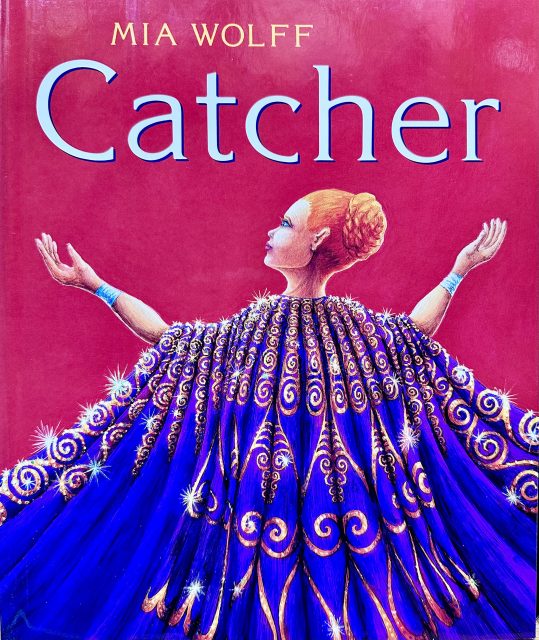
- Catcher (1993): An oil-painted children’s book. Despite its sophisticated glazes and detailed rendering, the publisher requested the text be simplified for young children, allowing only one complex word: "aerialist."
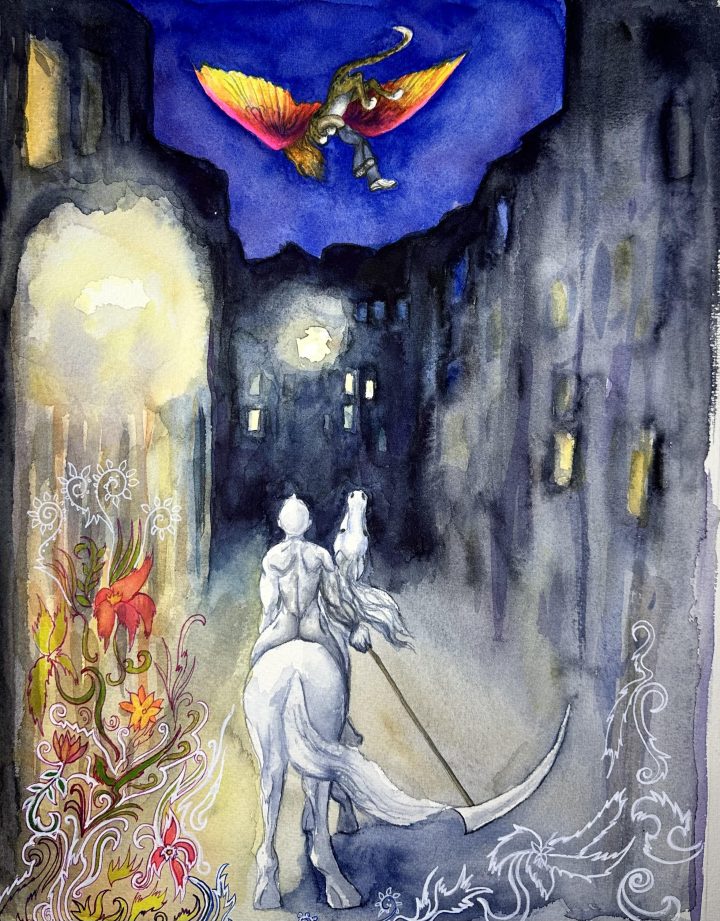
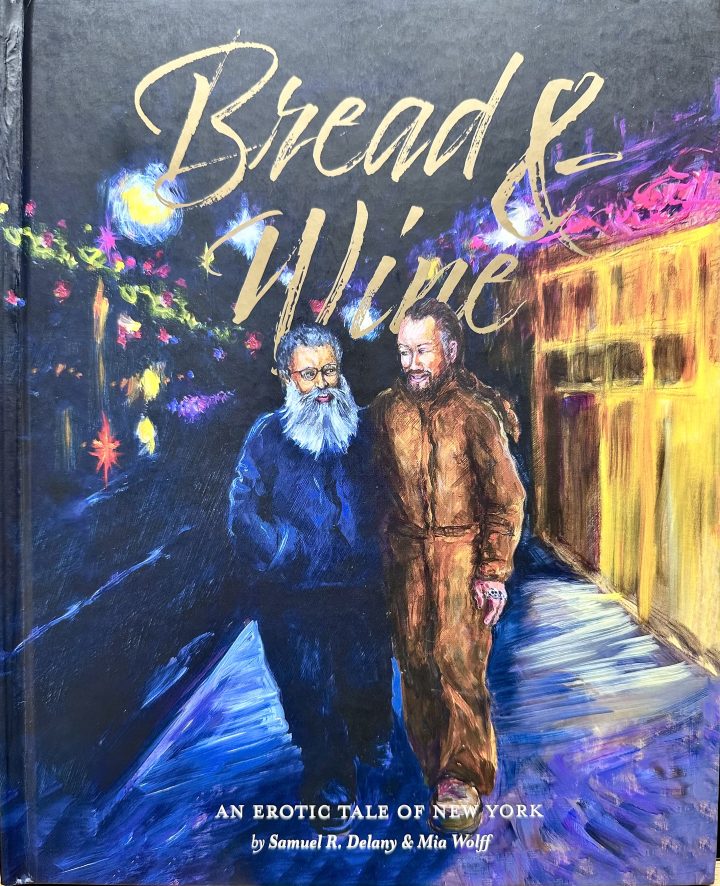
- Bread & Wine (1999/2025): A memoir that broke ground in LGBTQ literature. It is noted for its "tender" depiction of masculinity and sexuality. The 2025 Fantagraphics edition features a new introduction by Junot Díaz and a new cover by Wolff depicting the protagonists walking through a New York night.
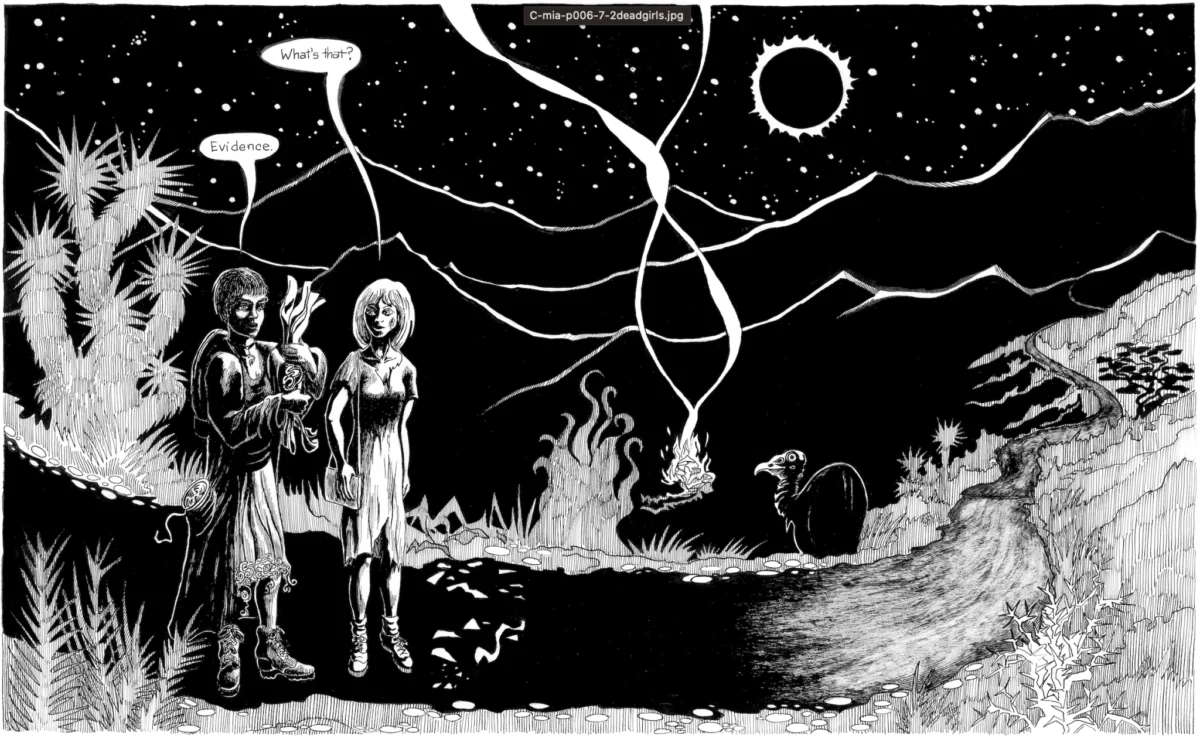
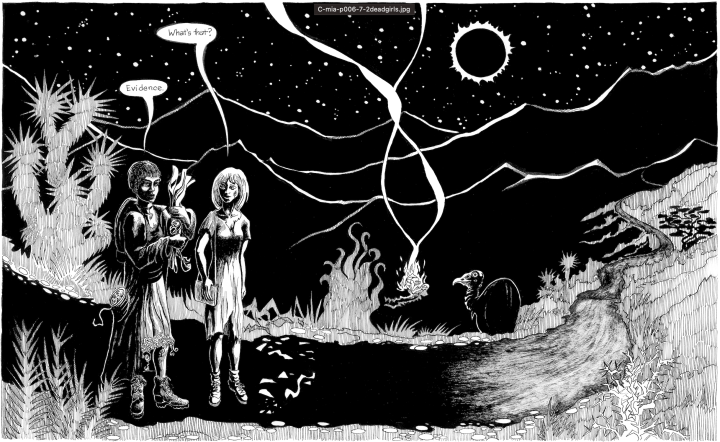
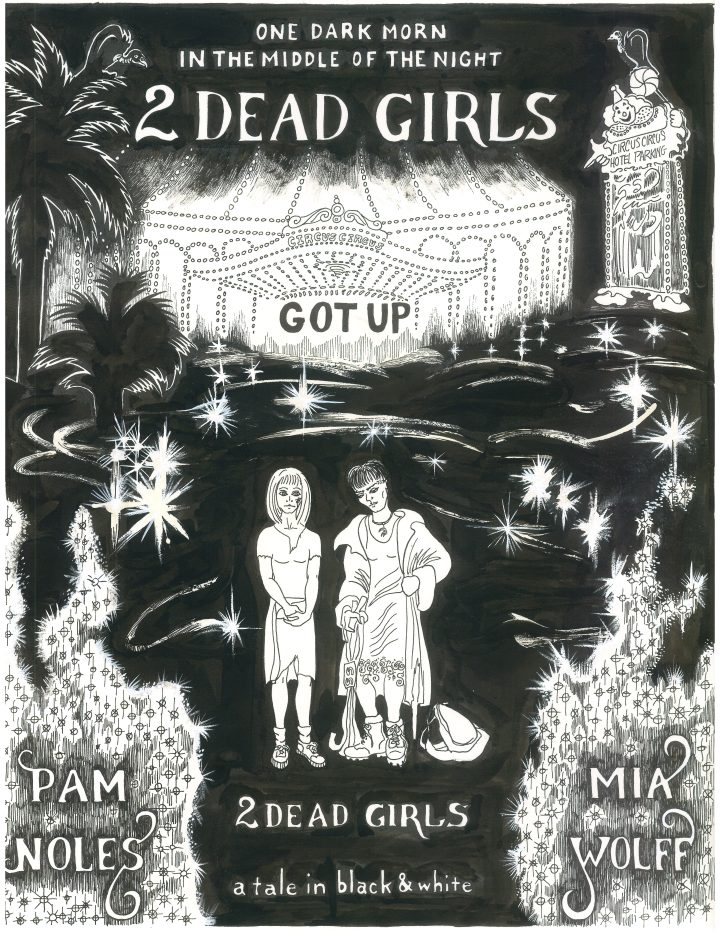
- 2 Dead Girls: A collaboration with Pam Noles. This book highlighted the challenges of "comics literacy," as Wolff’s dense, information-packed backgrounds required a level of visual reading that some traditional readers struggled to navigate.
- The Empty Lot (2024): A 200-page "narrative monograph" that serves as a career retrospective disguised as a whimsical adventure.
Critical Context and Artistic Reception
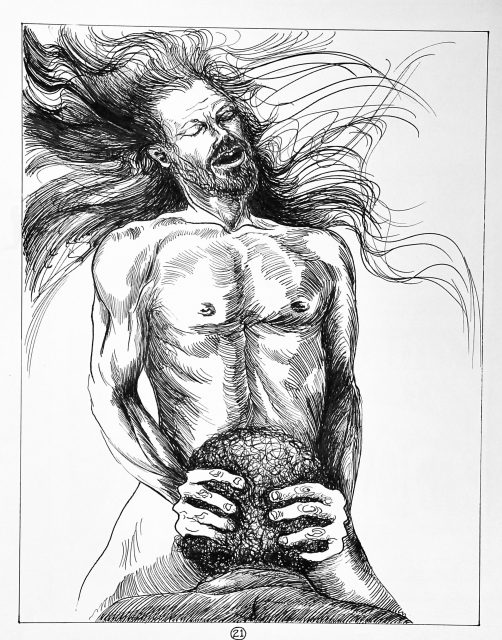
The critical reception of Mia Wolff’s work often centers on her ability to depict the human form with both accuracy and affection. The late feminist scholar bell hooks famously praised Bread & Wine during a talk at the New School, noting that Wolff managed to create sexual images—specifically of the male anatomy—that were "loving and tender and not about domination."
However, Wolff’s career also highlights the systemic difficulties faced by independent creators. She notes that the marketing of a book often falls entirely on the creator’s shoulders. The "remaindering" of Catcher after her editor left the publishing house is a prime example of how even critically acclaimed work can vanish without institutional support.
Furthermore, Wolff’s work challenges the reader’s "visual literacy." She observes that many people, even those who love fine art, "struggle with the narrative" of comics because they are not trained to find information in the backgrounds and visual subtext. Her work demands an active, observant reader—one willing to look as much as they read.
Implications: The Future of "Wolffland"
Looking forward, Mia Wolff continues to experiment with the physical form of the book. Her upcoming projects, Still Beating and Blue, are slated to be published as a "flip-book"—a nod to the old Ace Doubles novels.
Still Beating is a memoir sparked by a health scare. After experiencing extreme heart palpitations, Wolff took a ferry to a Manhattan ER, finding beauty in the dramatic East River sky even as she feared a heart attack. The "heart" becomes a character in the book, leading her through positive memories and chaotic landscapes. Blue, its wordless companion, is a dreamy, open-ended narrative about a woman haunted by a blue spirit.
The pairing of these two works—one a literal, humorous memoir and the other a silent, metaphysical novella—symbolizes the dual nature of Wolff’s career. She remains an artist who refuses to be pigeonholed, moving seamlessly between the high-stakes physicality of the circus, the technical demands of oil painting, and the intimate storytelling of the zine.
In the 2016 documentary Wolffland, filmmaker Laura Checkoway captured Mia Wolff’s struggle and eventual triumph in maintaining her creative space in a rapidly gentrifying Brooklyn. That studio remains the engine room for an artist who, at an age when many retire, is finding her work more "efficient" and "refined" than ever. As the "art elves" continue to throw ideas from the back of her brain, the world can expect the landscapes of Wolffland to keep expanding, one vibrant, levitatory page at a time.