Culinary Combat and Tactical Survival: The Rise of Abyss Kitchen
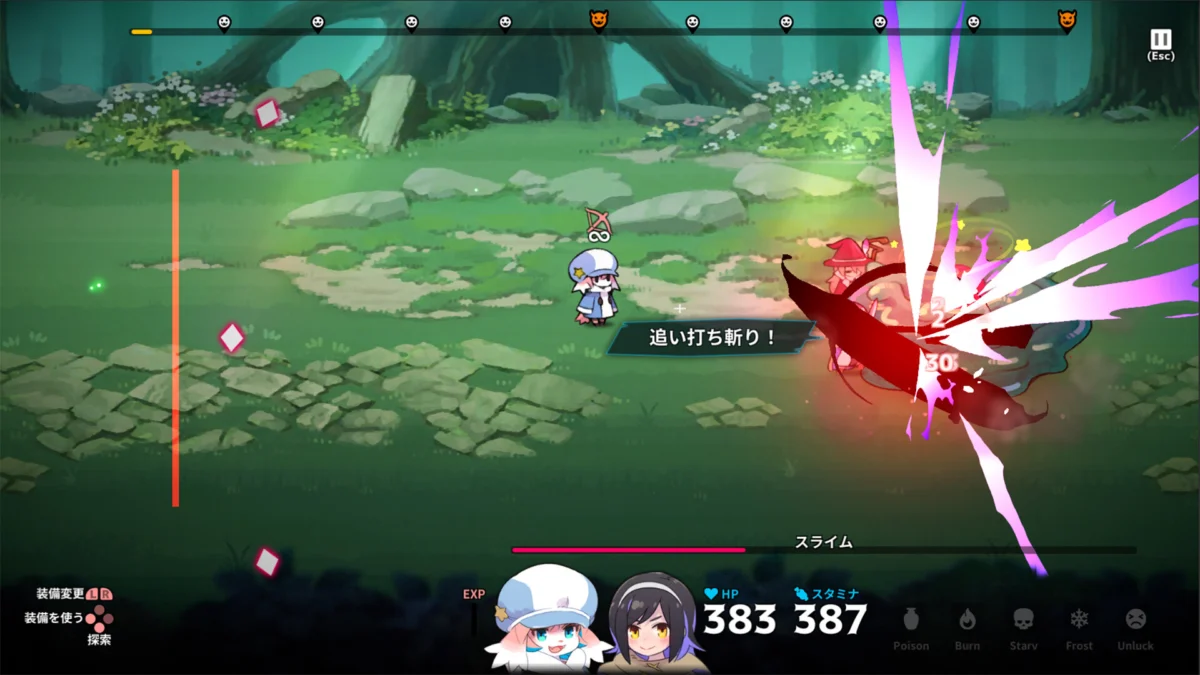
In the rapidly evolving landscape of independent gaming, genre-blending has become a cornerstone of innovation. The traditional boundaries between survival, action, and management sims are increasingly blurred by developers seeking to provide players with more nuanced experiences. One of the most intriguing entries into this hybrid space is Abyss Kitchen, a survival action title that shifts the player’s perspective from the front-line warrior to the essential support staff: the combat chef. Recently showcased at the Hyper Japan cultural festival and now available for the wider public on Steam, Abyss Kitchen challenges the conventional "hero" narrative by proving that the ladle can be just as mighty as the sword.
Main Facts: Redefining the Support Role
Abyss Kitchen is a survival action game that prioritizes resource management and "active support" over raw offensive power. While most titles in the survival genre task the player with being the primary combatant, Abyss Kitchen places the player in the role of a culinary specialist embedded within a combat squad. The core gameplay loop revolves around gathering organic materials, processing defeated enemies into ingredients, and cooking complex dishes in real-time to sustain the team’s momentum.
The game’s primary hook is its asymmetrical gameplay. While the AI or fellow party members engage in the heavy lifting of monster-slaying, the player must navigate the periphery of the battlefield. This involves "fighting" the environment—harvesting tall grasses, mining minerals, and, perhaps most morbidly, breaking down the carcasses of enemies fallen in battle. These raw materials are then transformed through a crafting system into meals that provide essential buffs, ranging from standard HP recovery to significant boosts in attack power, defense, and speed.
Despite its focus on cooking, Abyss Kitchen does not relegate the player to a passive role. The protagonist is equipped with a bow, allowing for long-range support and self-defense. This inclusion of a ranged weapon ensures that the player remains an active participant in the combat flow, even if their primary objective is logistical.
Chronology: From Concept to Hyper Japan
The journey of Abyss Kitchen reflects the modern trajectory of indie titles that leverage niche interests—in this case, the "cozy" appeal of cooking games and the high-stakes tension of survival action.
- Development and Early Concept: The developers sought to flip the script on the standard RPG party dynamic. Traditionally, the "cook" is a menu-based interaction or a downtime activity. Abyss Kitchen was conceptualized as a way to bring that "downtime" activity into the heat of the moment.
- Steam Listing and Early Access: The game was listed on Steam, targeting a demographic that enjoys titles like Monster Hunter for their crafting loops but desires a more focused management experience.
- Hyper Japan Showcase (July 2024): A critical turning point for the game’s visibility occurred during the Hyper Japan event in London. This cultural festival, which celebrates Japanese gaming, food, and pop culture, provided the perfect backdrop for Abyss Kitchen. Attendees were able to experience the hands-on demo, which highlighted the game’s unique "Formation" mechanic and the frantic nature of mid-battle cooking.
- Official Launch and Community Building: Following its showcase, the game transitioned into its current release state on Steam. The developers have since focused on balancing the difficulty of ingredient gathering versus the potency of the cooked buffs, ensuring that the "Chef" feels essential rather than optional.
Supporting Data: Mechanics and Team Dynamics
To understand the depth of Abyss Kitchen, one must look at the data-driven mechanics that govern its gameplay. The game operates on a synergy system where the quality of the food is directly proportional to the risk taken by the player.
The Culinary Engine
The cooking system is not a simple "press A to craft" mechanic. It requires timing and resource prioritization. Ingredients are categorized into three main tiers:
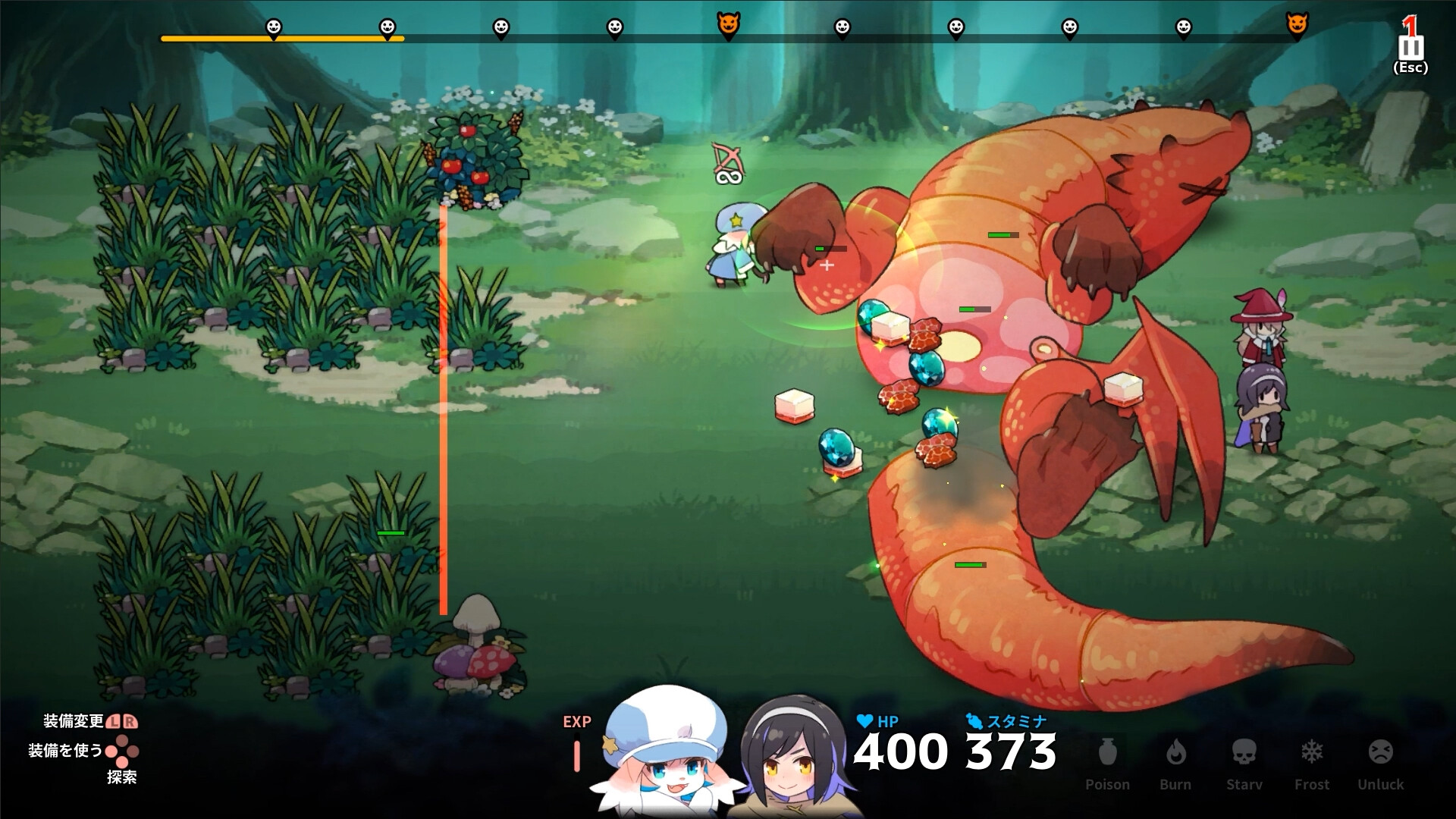
- Flora: Gathered from the environment (e.g., long blades of grass, herbs). These usually provide minor stamina or speed buffs.
- Fauna/Monster Remains: Harvested from defeated enemies. These are high-protein sources that provide HP recovery and strength modifiers.
- Rare Drops: Specific organs or items from boss-level entities that can create "Ultimate Dishes," capable of turning the tide of a losing battle.
Defensive Capabilities and Formations
While the player’s bow deals significantly less damage than the main party’s weapons, its utility is found in its "interrupt" capabilities. A well-placed arrow can stagger an enemy, giving the player enough time to finish a cooking animation.
Furthermore, the "Formation" mechanic acts as a survival check. If the player drifts too far from the team to gather rare ingredients, the team’s overall defense drops. Conversely, if the team clusters around the chef, they gain a "Protected Hearth" bonus, but they become vulnerable to area-of-effect (AoE) attacks from larger monsters. This creates a constant tactical tension between staying safe and venturing out for better ingredients.
Official Responses and Developer Philosophy
While the developers of Abyss Kitchen have remained a lean team, their communications through Steam community hubs and at Hyper Japan emphasize a philosophy of "collaborative survival."
In various developer logs, the team has noted: "We wanted to capture the feeling of the ‘unsung hero.’ In every great fantasy epic, someone is preparing the meals that keep the warriors going. We asked ourselves: ‘What if that person was in the middle of the dungeon with them?’"
Feedback from the Hyper Japan demo indicated that players found the "butchery" mechanic—where you must quickly harvest a fallen monster before its corpse despawns—to be one of the most stressful yet rewarding parts of the game. The developers responded to this by refining the "Quick-Carve" system, allowing for more fluid movement between harvesting and cooking.
Market analysts have noted that Abyss Kitchen taps into a growing trend of "Support-First" games. As the gaming population matures, there is an increasing appetite for roles that require high-level multitasking and strategic thinking over "twitch-reflex" combat.
Implications: The Future of the "Combat-Chef" Subgenre
The success and unique positioning of Abyss Kitchen have several implications for the future of the survival and action genres.
1. The De-Centering of the Hero
Abyss Kitchen is part of a broader movement that de-centers the traditional warrior hero. By making the support role the protagonist, the game forces players to view the battlefield through a logistical lens. This could lead to a new wave of "Logistics Sims" where players manage supply lines, field hospitals, or mobile bases within high-action environments.
2. The Evolution of the "Cozy-Action" Hybrid
For years, "cozy" games (farming, cooking) and "action" games (survival, combat) existed in separate silos. Abyss Kitchen proves that these elements can be successfully integrated. The domesticity of cooking provides a psychological reprieve from the violence of the Abyss, even as the two activities are mechanically linked. This hybridity appeals to a wide demographic, including players who find pure action too stressful and players who find pure management too slow.
3. Tactical Depth in Multiplayer and AI Cooperation
The reliance on AI teammates (or other players) in Abyss Kitchen highlights the importance of sophisticated squad AI. For the game to function, the AI must be competent enough to protect the chef, but not so dominant that the chef’s buffs feel unnecessary. The refinement of this balance in Abyss Kitchen sets a benchmark for how support-oriented single-player games should handle companion NPCs.
4. Accessibility and Role Diversity
By providing a bow and focusing on cooking, Abyss Kitchen offers an entry point for players who may struggle with complex melee combos but excel at resource management. This diversity of roles encourages a more inclusive gaming environment where different skill sets—spatial awareness, inventory management, and timing—are valued as highly as combat prowess.
Conclusion
Abyss Kitchen is more than just a "cooking game with monsters." It is a sophisticated reimagining of what it means to be part of a team in a hostile environment. By elevating the role of the chef to a position of tactical necessity, it offers a fresh perspective on the survival genre. Whether you are a fan of high-stakes action or the methodical satisfaction of crafting the perfect meal, Abyss Kitchen provides a unique, high-pressure kitchen environment where the stakes are quite literally life and death. As the title continues to grow its player base on Steam, it stands as a testament to the creative potential of looking at the battlefield from the back of the line.