The Grounded Hero: How Milly Alcock’s Indie Roots Prepared Her for the Heights of ‘Supergirl’
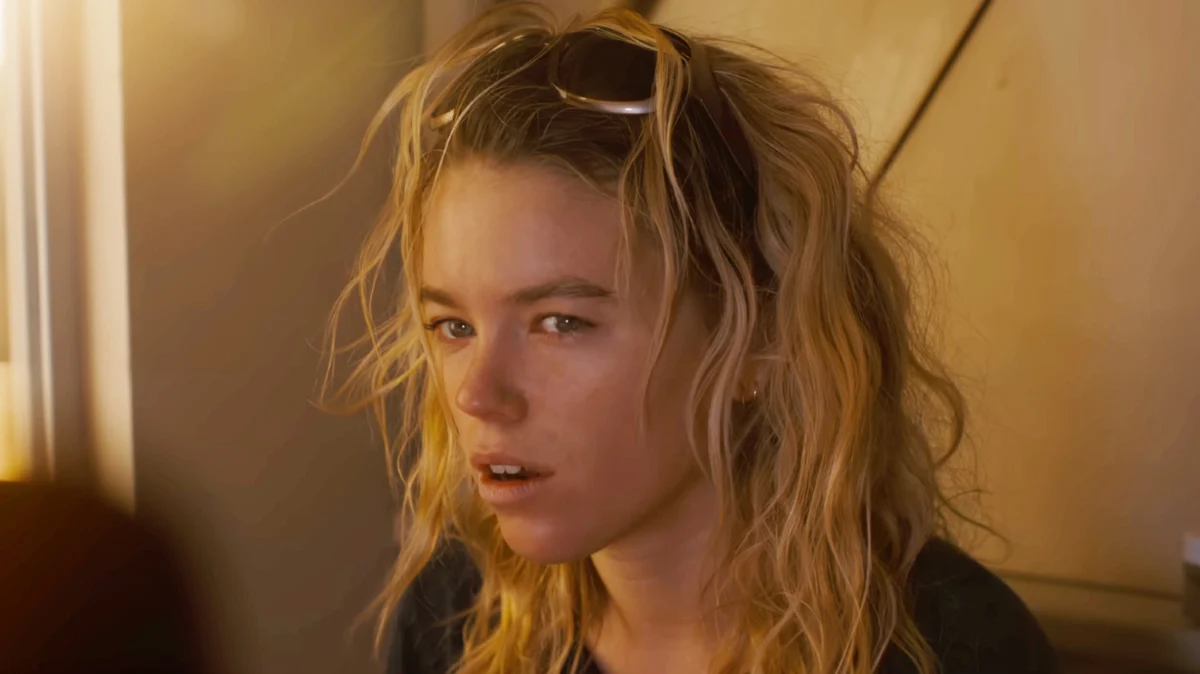
The landscape of cinematic superheroes is shifting. Under the stewardship of James Gunn and Peter Safran, the newly minted DC Universe (DCU) is attempting to move away from the brooding, disconnected tropes of the past toward a more character-driven, collaborative ethos. At the center of this transformation is Milly Alcock, the Australian actress tasked with bringing Kara Zor-El to life in the upcoming blockbuster, Supergirl.
While many observers pointed to her breakout performance as the young Rhaenyra Targaryen in HBO’s House of the Dragon as the ultimate audition for a major franchise, Alcock herself suggests a different origin story for her professional discipline. In an exclusive reflection on her journey from Sydney to the stars, Alcock credits the grueling, low-budget world of short films as the true forge that shaped her approach to the DCU’s most anticipated new heroine.
Main Facts: A New Vision for the Woman of Tomorrow
The upcoming Supergirl film is not a traditional origin story. Instead, it is an ambitious adaptation of the critically acclaimed comic book limited series Supergirl: Woman of Tomorrow, written by Tom King and illustrated by Bilquis Evely. The narrative follows Kara Zor-El as she travels across the galaxy to help a young alien girl, Ruthye Marye Knol (played by Eve Ridley), seek revenge for the death of her father.
The film serves as the second major theatrical release in "Chapter One: Gods and Monsters" of the DCU, following the foundational success of James Gunn’s Superman. Early critical reactions have been overwhelmingly positive, with many praising the film’s distinct visual language and Alcock’s nuanced portrayal of a character who is often overshadowed by her cousin, Kal-El.
Joining Alcock in this cosmic odyssey is a powerhouse cast. Jason Momoa makes his highly anticipated debut as the intergalactic bounty hunter Lobo, while Matthias Schoenaerts provides the antagonistic weight as Krem of the Yellow Hills. Despite the high-octane action and the massive scale of the production, the film is being described as an intimate character study—a tonal balance that Alcock attributes to her early days in independent cinema.
Chronology: From ‘The Familiars’ to the Iron Throne
To understand Milly Alcock’s rise is to look beyond the platinum wigs of Westeros. Long before she was flying dragons or Kryptonians, Alcock was a teenage actress working in the trenches of the Australian film industry.
A pivotal moment in her development was the 2020 short horror film The Familiars, directed by Millicent Malcolm. The short, which premiered at the Etheria Film Festival—a prestigious showcase for women directors in the genre—showcased Alcock’s ability to command the screen with minimal dialogue and high emotional stakes. It was this performance that caught the eyes of industry insiders, signaling that the young actress possessed a gravity far beyond her years.
![What Prepared Milly Alcock For Supergirl (It's Not House Of The Dragon) [Exclusive]](https://www.slashfilm.com/img/gallery/heres-what-prepared-milly-alcock-for-supergirl-its-not-house-of-the-dragon-exclusive/l-intro-1782132328.jpg)
Shortly after the festival circuit, Alcock was cast in House of the Dragon. The series catapulted her into the global spotlight, providing her with her first taste of a "mega-production." However, Alcock notes that while the scale of HBO’s fantasy epic was massive, the psychological transition to Supergirl required a return to the lessons she learned on those smaller, five-day short film shoots.
"I think what you ultimately learn is the fundamental process of making a film is very similar," Alcock says. "It’s kind of the same thing but on a bigger scale, and it really teaches you collaboration."
Supporting Data: The Logistics of a Blockbuster
The scale of a modern superhero film is difficult to comprehend from the outside. According to industry estimates from Forbes, a major studio tentpole like Supergirl can employ between 2,000 and 4,000 people across various departments, including visual effects, practical stunts, costume design, and logistics.
On a production of this magnitude, it is easy for a lead actor to become isolated in a "star bubble," disconnected from the hundreds of crew members who make the magic possible. Alcock, however, argues that her background in short films made her immune to this pitfall. In the world of indie shorts, budgets are razor-thin, and crews are skeletal. There, the lead actor often helps move equipment, shares a cramped makeup trailer, and sees firsthand how every single role is vital to the project’s survival.
"It teaches you to be a part of a team," Alcock explains. "It really teaches you that you are not the most important person in the room, and you should not think that you are."
This perspective is particularly relevant given the narrative arc of Supergirl: Woman of Tomorrow. Unlike traditional superhero stories where the protagonist acts as an untouchable savior, this story is about Kara learning to work alongside Ruthye. It is a story of shared burdens and mutual respect—themes that Alcock says were easier to tap into because of her "team-first" mentality on set.
Official Responses and Set Dynamics
The impact of Alcock’s grounded attitude was felt by her co-stars. Eve Ridley, who plays the young Ruthye, has spoken warmly about the mentorship and camaraderie Alcock provided during the grueling shoot. Rather than the hierarchical structure often found on major sets, the environment on Supergirl was reportedly one of collective creativity.
![What Prepared Milly Alcock For Supergirl (It's Not House Of The Dragon) [Exclusive]](https://www.slashfilm.com/img/gallery/heres-what-prepared-milly-alcock-for-supergirl-its-not-house-of-the-dragon-exclusive/intro-1782132328.jpg)
Director Craig Gillespie and DC Studios co-head James Gunn have both emphasized that the casting of Alcock was based not just on her acting range, but on her "steely" presence and professional reputation. Gunn, known for his "no jerks" policy on set, has frequently praised Alcock’s work ethic, noting that her experience in the Australian indie scene gave her a "blue-collar" approach to the craft of acting.
This lack of ego is a departure from the "horror stories" often associated with young stars thrust into the limelight. By maintaining the perspective that she is one part of a 4,000-person machine, Alcock has managed to navigate the pressures of the DCU without the friction that often plagues big-budget productions.
Implications: A New Model for the Modern Movie Star
Alcock’s journey offers a blueprint for the next generation of franchise leads. In an era where "superhero fatigue" is a frequent topic of discussion, the success of Supergirl suggests that audiences are craving more than just spectacle; they are looking for authenticity and character-driven stakes.
The implications of Alcock’s "short film philosophy" extend beyond her own career:
- The Value of Genre Roots: Alcock’s start in horror and short-form drama provided a technical foundation that allowed her to handle the heavy VFX requirements of Supergirl without losing the emotional thread of the scene.
- Collaboration Over Stardom: As studios move toward interconnected universes, the ability of lead actors to work harmoniously within a massive ensemble is becoming a financial necessity. A "difficult" lead can cost a studio millions in delays; a collaborative lead, like Alcock, ensures the machine runs smoothly.
- Redefining Supergirl: For decades, Kara Zor-El was portrayed through a lens of "girl power" tropes. Alcock’s portrayal—informed by a sense of humility and teamwork—aligns with a more modern, sophisticated interpretation of the character as a survivor who finds strength in others.
As Supergirl begins its theatrical run, the conversation will undoubtedly focus on the box office numbers and the future of the DCU. But for Milly Alcock, the victory is more personal. She has proven that you can reach the highest echelons of Hollywood while maintaining the perspective of a teenager on a shoestring-budget short film set.
"I had such fond memories of working on short films and smaller-scale stuff," Alcock reflects. It is those memories, it seems, that provided the wind beneath Supergirl’s cape.
Supergirl is currently playing in theaters worldwide.*