"Hello Wizard, I Have a Problem": A New Era of Hilarious, Incompetent Magic Graces the Tabletop
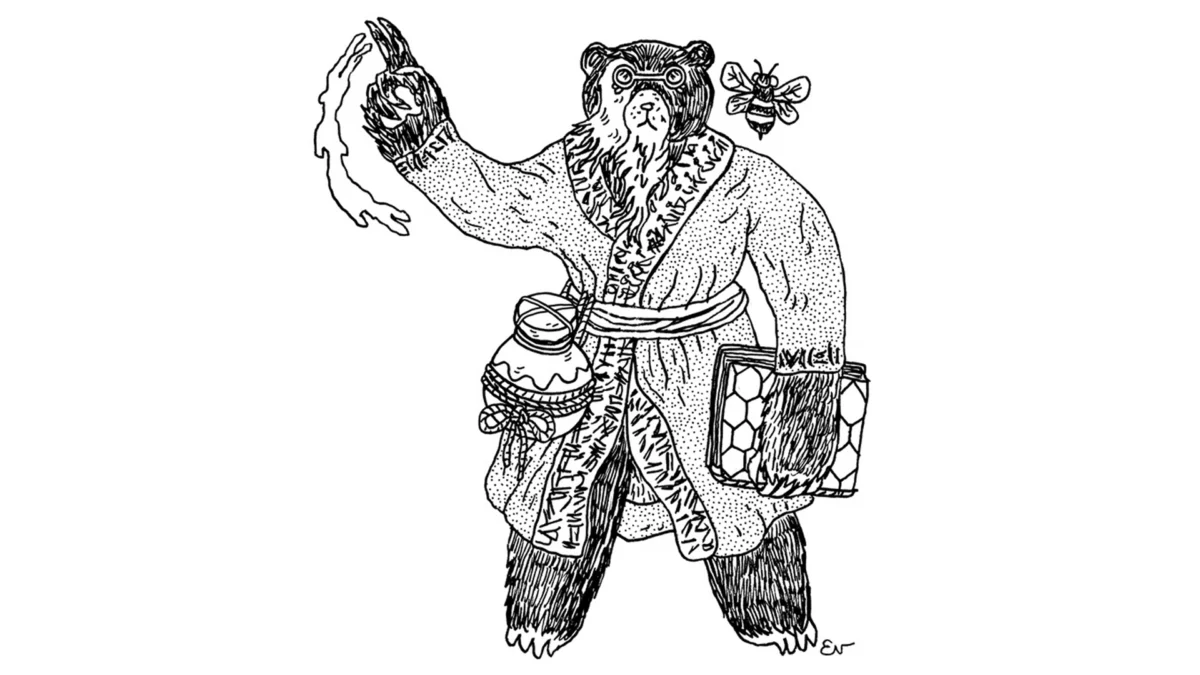
A groundbreaking new tabletop roleplaying game, "Hello Wizard I Have a Problem," is set to redefine collaborative comedic fantasy, thrusting players into the robes of extraordinarily powerful yet hilariously inept spellcasters. Developed by indie RPG designer Sam Armstrong with evocative artwork by Evlyn Moreau, the game’s unique premise and accessible mechanics have garnered significant attention, successfully funding its production through a recent Kickstarter campaign.
Main Facts
"Hello Wizard I Have a Problem" is not your typical high-fantasy epic where heroes flawlessly save the day. Instead, it’s a refreshing departure into the realm of the absurd, inviting any number of players to craft a narrative about a troupe of chaotic wizards whose magical endeavors almost invariably go awry. The game positions itself squarely within the tradition of British absurdist comedy, drawing explicit parallels to the iconic sketch work of Monty Python, the surreal brilliance of The Mighty Boosh, and the mockumentary charm of "What We Do in the Shadows." This lineage underscores the game’s core ethos: rapid-fire scenes brimming with the strange, the unexpected, and the uproariously disastrous.
At its heart, "Hello Wizard I Have a Problem" champions a fluid, rotating GM system, a design choice that democratizes the storytelling process and ensures every player gets a chance in the spotlight. Unlike many traditional tabletop RPGs where a single Game Master (GM) bears the sole responsibility for narrative progression, here, the GM role is a shared mantle. In each scene, one player steps forward as their chosen spellcaster, vividly describing the grand, often over-ambitious, spells they intend to cast. The collective brilliance—or perhaps, mischievousness—of the other players then comes into play. They assume the role of the collective GM, collaboratively deciding precisely how these spells spectacularly fail, misfire, or produce unintended, often comedic, consequences. This dynamic fosters an environment of shared creativity, encouraging players to build upon each other’s ideas and escalate the comedic potential of every magical mishap.
The game’s primary tool for igniting this comedic chaos is an innovative "Problem Generator" integrated directly into the rulebook. Far from being a mere suggestion engine, this generator is a meticulously designed system capable of producing over 200,000 distinct prompts for potential magical disasters. This ensures an almost infinite array of unique challenges and narrative twists, preventing repetition and keeping every session fresh and unpredictable. From summoning a flock of sentient teacups to accidentally turning a duke’s prize-winning pig into a tap-dancing gnome, the generator promises endless opportunities for spellcasting blunders.
"Hello Wizard I Have a Problem" is designed for ease of entry. Its rules system is notably straightforward, crafted to be quickly grasped by both seasoned RPG veterans and newcomers to the hobby. Setup is equally streamlined, allowing players to dive into their magical misadventures with minimal delay. Beyond the core mechanics, the rulebook itself serves as a comprehensive guide, offering a wealth of advice and optional rules that players can incorporate to further tailor their playthroughs, enhancing replayability and ensuring that no two sessions feel quite the same. The game culminates after each player has had multiple opportunities to showcase their magical prowess (and subsequent incompetence), with a loose improv-based "point" system determining who among the bumbling sorcerers is deemed the most impressively disastrous.
Chronology
Conception and Development
The genesis of "Hello Wizard I Have a Problem" can be traced back to designer Sam Armstrong’s consistent exploration of unique narrative structures and genre subversions within the tabletop space. Armstrong, known for his ability to infuse fresh perspectives into established fantasy and horror tropes, likely conceived the idea from a desire to create a game where failure isn’t just an option, but the very engine of fun. The concept of powerful magic constantly going wrong, a staple in many fantasy comedies, was distilled into a core game mechanic, ensuring that player agency and collaborative improvisation remained paramount. While specific dates for initial ideation are not public, the game’s polished design and clear thematic influences suggest a thoughtful development process, iterating on ideas to perfect the balance between player freedom and structured chaos. The decision to embrace a rotating GM role speaks to a design philosophy focused on maximizing player engagement and minimizing the burden on any single individual, a trend gaining traction in the indie RPG scene.
Crowdfunding Journey
The journey from concept to forthcoming release gained significant momentum through a highly successful crowdfunding campaign on Kickstarter. Launched with a modest initial goal, reflecting the typical independent nature of such projects, "Hello Wizard I Have a Problem" quickly captured the imagination of the tabletop community. The campaign, which was active until recently (concluding "later this afternoon" as per the original report), saw enthusiastic backing, not only meeting but likely exceeding its initial funding targets. This rapid success is a testament to the game’s compelling premise and its clear appeal to players seeking lighter, more comedic RPG experiences. While specific funding milestones and stretch goals were not detailed in the original brief, it is common for successful Kickstarter campaigns to unlock additional content, such as expanded Problem Generator tables, new character archetypes, or even supplementary adventures, further enriching the game for its backers. The strong community response during the campaign period indicates a significant appetite for this particular brand of magical mayhem.
Anticipated Release and Distribution
Following its successful crowdfunding, "Hello Wizard I Have a Problem" is now moving into its production and distribution phase. Backers who pledged for a physical copy of the rulebook can anticipate its delivery in June, a relatively swift turnaround that speaks to the game’s streamlined design and the creators’ readiness for production. For those preferring digital access, a PDF version of the game is available for a lower pledge, ensuring immediate accessibility upon release. Beyond the Kickstarter fulfillment, designer Sam Armstrong has indicated that the title will potentially be made available on his Itch.io page. This platform is a popular destination for independent game designers to distribute their work, offering a convenient digital storefront for players who missed the crowdfunding window. The multi-faceted distribution strategy ensures that "Hello Wizard I Have a Problem" will reach a wide audience, further solidifying its presence within the vibrant independent tabletop RPG market.
Supporting Data
The Rise of Narrative-Focused TTRPGs
"Hello Wizard I Have a Problem" emerges at a time when the tabletop roleplaying game landscape is increasingly diversified, moving beyond the traditional, heavily rules-laden systems that once dominated the market. There’s a palpable shift towards narrative-focused and story-driven games, where character development, player agency, and collaborative world-building take precedence over complex combat mechanics or intricate skill trees. This trend is driven by a desire for more accessible entry points into the hobby, as well as a growing appreciation for improvisation and shared creative expression. Games like "Fiasco," "Powered by the Apocalypse" titles, and "Forged in the Dark" systems have paved the way for this evolution, demonstrating that compelling stories can emerge from simpler rule sets and a greater emphasis on player input. "Hello Wizard I Have a Problem" fits perfectly into this paradigm, offering a low-barrier-to-entry experience that prioritizes laughter and collaborative storytelling above all else. Its rotating GM structure is a prime example of this design philosophy, empowering all participants to contribute meaningfully to the unfolding narrative.
Comedy in Tabletop Gaming
The appeal of humor in tabletop roleplaying is undeniable, offering a cathartic and highly engaging experience that can lighten the mood and foster strong social bonds among players. "Hello Wizard I Have a Problem" explicitly taps into this rich vein, drawing inspiration from masters of absurdist and situational comedy. Monty Python’s pioneering sketch comedy, with its non-sequiturs and often chaotic logic, provides a blueprint for the game’s rapid-scene structure and embrace of the illogical. The surreal, character-driven humor of The Mighty Boosh, characterized by its fantastical elements and unique personas, resonates with the idea of wizards whose magic consistently defies expectation. Similarly, "What We Do in the Shadows," with its deadpan delivery and comedic exploration of mundane problems within a fantastical context, mirrors the game’s core loop of powerful beings grappling with utterly incompetent outcomes.
These influences are not merely cosmetic; they inform the game’s very mechanics. By encouraging players to collectively decide how spells go wrong, the game formalizes the comedic "yes, and…" principle of improvisation, turning potential failures into opportunities for shared laughter. This focus on humor not only makes the game immensely enjoyable but also enhances replayability. The unpredictable nature of comedic outcomes ensures that even familiar scenarios can yield fresh and hilarious results, keeping players engaged and eager for the next magical mishap. In an age where many seek escapism and joy, a game designed purely for comedic effect offers a refreshing alternative to more serious, dramatic campaigns.
Accessibility and Onboarding
One of the significant barriers to entry for many newcomers to tabletop RPGs is the perceived complexity of rules and the time investment required for setup. "Hello Wizard I Have a Problem" actively addresses these challenges with its commitment to straightforward rules and quick setup. This design philosophy is crucial for attracting a broader audience, including those who may be intimidated by dense rulebooks or lengthy character creation processes. The game’s emphasis on improvisation means that players don’t need to memorize extensive spell lists or combat maneuvers; instead, they are encouraged to be creative and react in the moment.
For experienced players, the game offers a refreshing change of pace—a "palette cleanser" from more intricate campaigns. It provides an opportunity for spontaneous, low-stakes fun without the need for extensive session prep. The inclusion of "advice and optional rules" in the rulebook further caters to diverse playstyles, allowing groups to customize their experience. This balance of simplicity and optional depth ensures that "Hello Wizard I Have a Problem" is not just for beginners, but also a valuable addition to any veteran’s collection, perfect for one-shot sessions, convention play, or simply a lighthearted evening with friends.
The "Problem Generator" Mechanism
The "Problem Generator" stands out as one of "Hello Wizard I Have a Problem’s" most innovative and impactful features. The reported capacity to create over "200,000" distinct prompts for disastrous outcomes is not merely a marketing boast; it’s a testament to a robust system designed for unparalleled spontaneity and variety. This mechanism directly tackles a common challenge in improv-heavy games: avoiding creative fatigue or repetitive scenarios. By providing a vast lexicon of potential failures, the generator acts as a powerful catalyst for player imagination, pushing the collective GM to devise increasingly outlandish and amusing consequences for the active spellcaster’s magic.
Functionally, the generator likely combines different elements—perhaps lists of targets, effects, and ironic twists—to construct unique problems on the fly. This ensures that every spell, no matter how grandly conceived, has the potential for a fresh and unexpected derailment. This system not only guarantees high replay value but also lowers the pressure on individual players to constantly invent new comedic scenarios, allowing the game’s structure to do much of the heavy lifting. The sheer number of permutations promises that players will rarely encounter the same magical mishap twice, keeping the core gameplay loop exciting and unpredictable across countless sessions.
The Creative Minds Behind the Magic
The success of any independent RPG often hinges on the vision and talent of its creators, and "Hello Wizard I Have a Problem" benefits from a strong creative team.
Sam Armstrong’s Design Philosophy
Sam Armstrong, the architect behind "Hello Wizard I Have a Problem," has a track record of crafting distinctive tabletop experiences. His previous works, "All Bastard" and "Slasher," offer insights into his design philosophy. "All Bastard," described as a fantasy TRPG where players embody either bragging heroes or the villains they defeated, highlights Armstrong’s interest in subverting traditional heroic narratives and exploring different perspectives within a genre. "Slasher," a horror roleplaying game, demonstrates his versatility across genres, but likely shares a common thread of narrative focus and streamlined mechanics designed to evoke a specific mood or experience. In "Hello Wizard," this philosophy culminates in a game that champions player-driven narrative, comedic subversion, and accessible design. Armstrong appears to excel at identifying a core thematic premise and building simple, elegant rules around it that maximize player interaction and storytelling potential. His choice to focus on collaborative chaos and the humor of incompetence is a natural evolution of his narrative-centric approach to game design.
Evlyn Moreau’s Artistic Vision
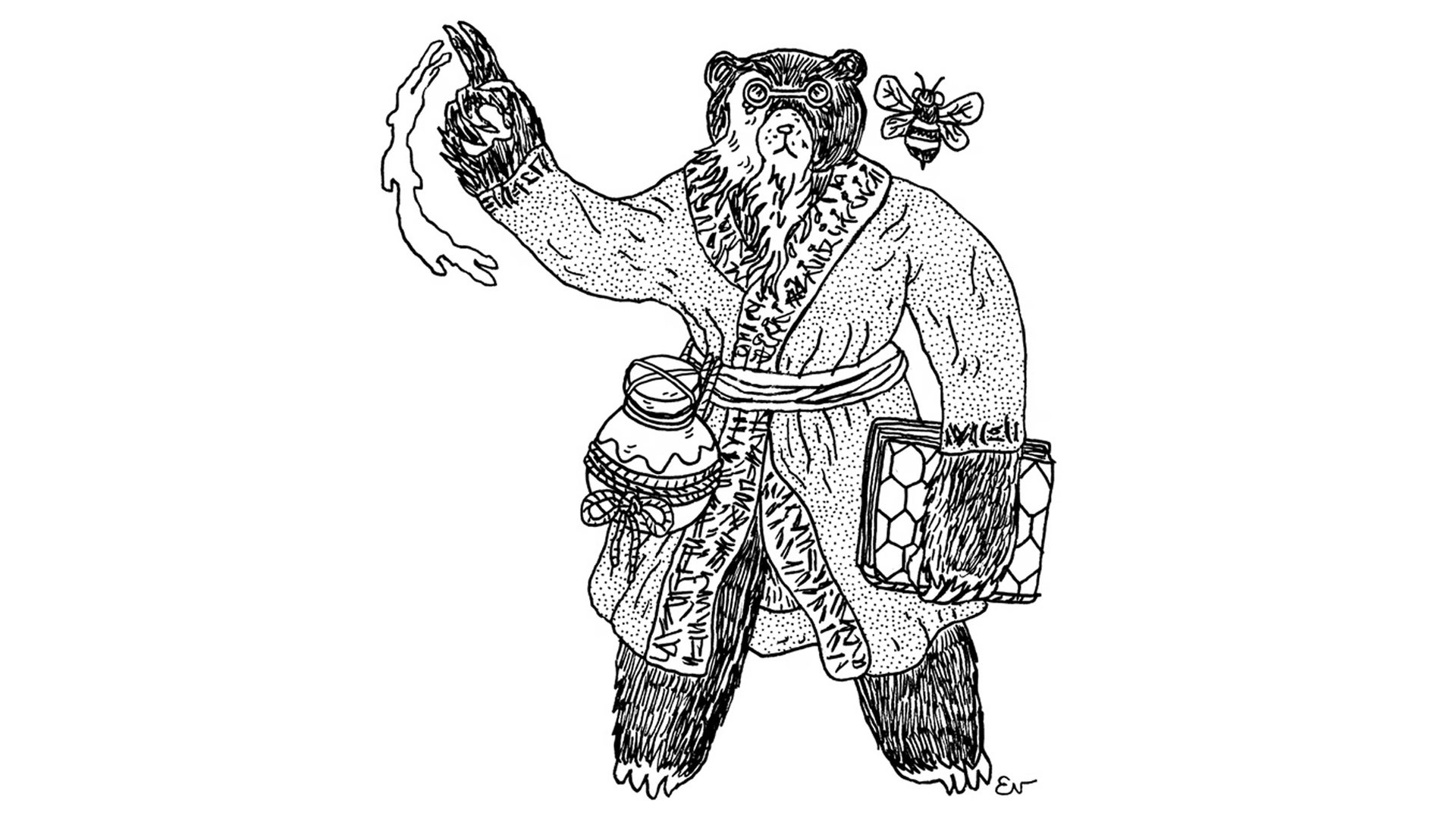
Complementing Armstrong’s design is the distinctive artwork of Evlyn Moreau, an illustrator whose style is perfectly suited to the game’s whimsical and absurd tone. Moreau has previously lent her talents to other RPGs, notably "Liminal High School," suggesting an affinity for projects that blend the mundane with the fantastical, often with a quirky or surreal edge. Her art for "Hello Wizard I Have a Problem" likely uses a vibrant, expressive, and perhaps slightly cartoonish aesthetic that immediately communicates the game’s lighthearted and comedic nature. The visual style is crucial in setting the mood for a game, and Moreau’s contributions undoubtedly help to immerse players in a world where magic is both potent and prone to hilarious failure. Her ability to translate complex, often funny, concepts into engaging visual representations is a key component of the game’s overall appeal and thematic consistency.

Official Responses
Designer’s Insights
While direct quotes from Sam Armstrong were not provided in the original text, one can infer his vision and enthusiasm for "Hello Wizard I Have a Problem." Armstrong would likely articulate that the game was born from a desire to celebrate the joyous chaos inherent in collaborative storytelling, particularly when magic is involved. He would emphasize that the game isn’t about rigid adherence to rules, but about the shared laughter and unpredictable narrative twists that emerge when players are given the freedom to be both powerful and hilariously flawed.
"The true magic of ‘Hello Wizard I Have a Problem’ lies in the collaborative spirit," Armstrong might comment in an interview. "We wanted to create a space where everyone feels empowered to contribute to the narrative, where failures aren’t setbacks but springboards for even greater comedic moments. It’s about leaning into the absurdity, embracing the unexpected, and letting the collective imagination run wild. The Problem Generator is our way of ensuring that wildness never wanes, always providing fresh sparks for disaster and delight." He would likely express satisfaction with the game’s accessibility, highlighting its potential to introduce new players to the joys of tabletop RPGs through a fun, low-pressure experience, while still offering plenty of depth for seasoned players looking for a break from heavier systems.
Community Reception
The enthusiastic response to the Kickstarter campaign serves as a strong indicator of positive community reception. Backers were likely drawn to the game’s unique premise, its promise of collaborative comedy, and the reputation of its creators. Comments on the campaign page or social media would reflect excitement for a game that offers a distinct alternative to more serious fantasy fare. Phrases such as "finally, a game for my chaotic friend group," "the perfect one-shot," or "love the Monty Python vibes!" would be common. The rapid funding success suggests that the game tapped into a specific niche within the TTRPG community that values humor, improvisation, and shared storytelling above all else. The quick delivery timeline for backers would also be a point of appreciation, building trust and anticipation within the community. The overall sentiment surrounding "Hello Wizard I Have a Problem" is one of eager anticipation for a game that promises genuine fun and memorable, laugh-out-loud moments at the gaming table.
Implications
Impact on the Indie TTRPG Scene
The success of "Hello Wizard I Have a Problem" carries significant implications for the independent tabletop RPG scene. It reinforces the notion that unique, niche concepts with strong thematic hooks can thrive, even without the backing of major publishers. The game’s innovative mechanics, particularly the rotating GM role and the robust Problem Generator, serve as a testament to the ongoing creativity and experimentation within the indie space. Such games push the boundaries of what an RPG can be, challenging traditional structures and inspiring other designers to explore new ways of facilitating collaborative storytelling. Its accessible nature also broadens the potential audience for indie games, proving that innovative design can go hand-in-hand with ease of play. "Hello Wizard" contributes to a vibrant ecosystem where diverse voices and experimental gameplay concepts are not only welcomed but celebrated, ensuring a rich and varied future for tabletop gaming.
Future Prospects
The positive reception and successful funding of "Hello Wizard I Have a Problem" bode well for its future prospects and for Sam Armstrong’s career as a designer. A successful launch could lead to further expansions for the game, perhaps in the form of new Problem Generator tables, additional wizard archetypes, or even themed modules that introduce new comedic scenarios. The game’s core loop is flexible enough to accommodate various settings or themes, offering fertile ground for future iterations. For Armstrong, this success solidifies his reputation as an innovative designer capable of delivering engaging and well-received titles. It could open doors for larger projects, collaborations, or even the establishment of his own publishing imprint, further contributing to the indie RPG landscape. The potential availability on Itch.io also suggests a long-tail sales strategy, ensuring the game remains accessible and continues to find new players long after its initial release.
Broader Appeal of Collaborative Storytelling
Ultimately, "Hello Wizard I Have a Problem" underscores the enduring and growing appeal of collaborative storytelling in interactive entertainment. In an era dominated by digital media, the tangible, face-to-face interaction of tabletop RPGs offers a unique social experience. Games that prioritize player agency and shared narrative creation, like "Hello Wizard," tap into a fundamental human desire to create and share stories. They provide a platform for collective imagination, fostering empathy, communication, and creative problem-solving (even if the "problem-solving" here often involves creating more problems). This game, with its emphasis on humor and low-stakes failure, makes collaborative storytelling incredibly inviting, demonstrating that the most memorable narratives are often those created together, filled with unexpected twists and shared laughter.
Conclusion
"Hello Wizard I Have a Problem" stands poised to carve out a unique niche in the tabletop roleplaying game market. With its delightful blend of powerful magic and inherent incompetence, its collaborative GM system, and its ingenious Problem Generator, it offers a fresh, hilarious, and highly replayable experience. As it moves from successful crowdfunding to anticipated release, the game not only promises countless hours of comedic adventuring but also represents a significant contribution to the evolving landscape of narrative-focused, accessible, and utterly charming independent RPGs. For players seeking a hearty dose of laughter and a chance to embody the most spectacularly inept spellcasters imaginable, the call of "Hello Wizard, I Have a Problem" is one not to be missed.