"Fascinating Folklore": A Groundbreaking Journey Through Ancient Tales and Modern Art
LONDON, UK – [Date of Publication] – In an era where ancient narratives are finding new life through contemporary interpretations, a monumental compendium titled "Fascinating Folklore" has emerged, promising to redefine how audiences engage with the world’s rich tapestry of myths and legends. This ambitious project, born from a creative alliance between two celebrated figures in the comic world, John Reppion and PJ Holden, transcends traditional storytelling, offering a unique fusion of scholarly essays and evocative graphic narratives. It’s a sensory and intellectual feast, meticulously crafted to immerse readers in the enchanting, often haunting, realms of global folklore.
Main Facts
Unveiling "Fascinating Folklore"
"Fascinating Folklore" is more than just a book; it is an extraordinary cultural artifact published by Liminal 11, known for its exquisite and thought-provoking esoteric titles. The compendium stands out for its innovative format, seamlessly weaving together meticulously researched, informative essays with breathtaking comic art. This dual approach provides an unparalleled pathway into the mystical and mythical, designed to captivate and enlighten. The project’s inception was sparked by the popular social media phenomenon #FolkloreThursday, demonstrating how digital communities can foster tangible, impactful creative endeavors.
The Visionary Creators: Reppion & Holden
At the heart of "Fascinating Folklore" are its two "masterful minds." John Reppion, a critically acclaimed writer, is renowned for his deep dives into occult history, supernatural fiction, and folklore, often lending an authentic, scholarly weight to his narratives. His extensive bibliography includes works for major publishers like DC Comics, Image Comics, and Boom! Studios, establishing him as a compelling voice in genre storytelling.
Complementing Reppion’s textual prowess is PJ Holden, an artist whose distinctive style has graced the pages of iconic titles such as 2000 AD, Judge Dredd, and Warhammer. Holden’s ability to conjure atmospheric and dynamic visuals is pivotal in bringing the diverse legends to life, transforming complex mythological concepts into accessible and visually stunning sequences. Together, their combined talents forge a cohesive and immersive experience, marrying historical depth with contemporary artistic flair.
A Unique Blend of Art and Academia
The compendium’s strength lies in its innovative structure. Rather than separating text and illustration, "Fascinating Folklore" presents them as symbiotic elements. The "rich and informative essays dance hand in hand with breathtaking comics," as described by the publishers, allowing for a multi-layered understanding of each tale. Readers are not merely told a story; they are shown it, often from perspectives that only sequential art can provide. This interdisciplinary approach makes ancient myths resonate powerfully with a modern audience, breaking down barriers between academic research and popular entertainment.
Global Tapestry of Tales
"Fascinating Folklore" boasts an impressive breadth of content, spanning diverse cultures and mythological traditions. From the formidable Celtic queen Boudicca and the epic Anglo-Saxon hero Beowulf, to the intricate mysteries of plantlore featuring Mandrake, Willow, and the enigmatic Yedua, the book explores a vast landscape of human belief. It delves into the haunting specters of Japanese folklore, such as Okiku, introduces the ancient wisdom of the Wandjing spirits of Western Australia, and sheds light on lesser-known deities like Anteros, the Greek guardian of slighted love. This global perspective underscores the universality of human storytelling and the enduring power of folklore across civilizations.
Chronology
From Hashtag to Hardcover: The Genesis Story
The journey of "Fascinating Folklore" began not in a quiet study or a bustling comic studio, but in the vibrant digital sphere of #FolkloreThursday. This popular social media hashtag, a weekly online event, has fostered a global community of enthusiasts sharing tales, research, and art related to folklore. It was within this dynamic digital crucible that the initial spark for Reppion and Holden’s collaboration was ignited. The hashtag provided a platform for engaging with diverse narratives and a ready audience eager for more in-depth explorations. What began as a series of shared ideas and informal discussions amongst the creators, fueled by the communal spirit of #FolkloreThursday, swiftly evolved into a concrete vision for a comprehensive, visually rich compendium.
Evolution of the Creative Partnership
Reppion and Holden, both established figures in their respective fields, recognized the potential to elevate the #FolkloreThursday concept beyond fleeting social media posts. Their creative pact was founded on a shared passion for myth, history, and the power of visual storytelling. Reppion’s methodical research and narrative structuring provided the backbone, while Holden’s evocative artwork gave each story its unique visual identity. This collaborative synergy allowed them to tackle complex myths, distilling their essence into both compelling prose and striking comic sequences. The process involved extensive research, careful selection of tales that offered both narrative depth and visual potential, and a meticulous effort to ensure cultural accuracy and respect in their portrayals.
The Publication Journey with Liminal 11
The natural home for such an ambitious and unique project was Liminal 11. The independent publisher has carved out a niche for itself by producing beautifully designed books that explore themes of magic, mythology, and the esoteric with a distinct artistic sensibility. Their commitment to high-quality production values and their alignment with the spiritual and cultural depth of "Fascinating Folklore" made them the ideal partner. The collaboration with Liminal 11 allowed Reppion and Holden to fully realize their vision, ensuring that the physical book would be as captivating and meticulously crafted as the stories within its pages. The publication process involved intricate design work to seamlessly integrate essays and comics, resulting in a compendium that is both aesthetically pleasing and deeply informative.
Supporting Data
Deep Dive into "Island": The Aspidochelone & Zaratan
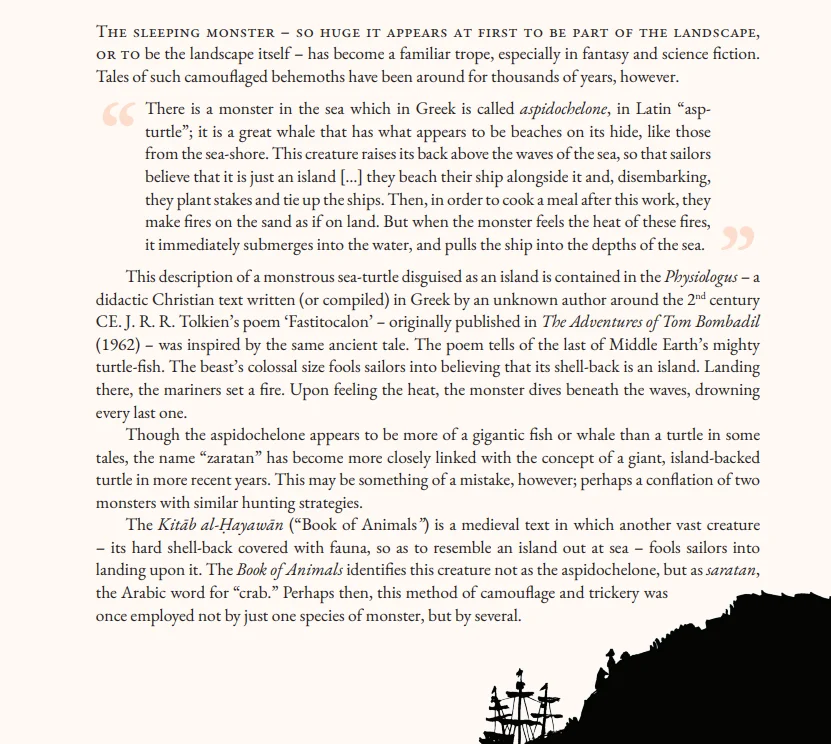
The excerpt on "Island" introduces one of folklore’s most captivating and widespread tropes: the colossal sea monster mistaken for land. The aspidochelone, a name derived from Greek meaning "asp-turtle" or "shield-turtle," is prominently featured. This creature, a giant whale or turtle with a back resembling a sandy beach, tricks sailors into landing and making fires, only to submerge and drag them to their doom.
This myth’s earliest known appearance is in the Physiologus, a didactic Christian text from the 2nd to 4th century CE. In this context, the aspidochelone often served as an allegory for the devil, luring the unwary with false promises of safety before leading them to destruction. The story’s enduring power is evident in its reappearance across various cultures and literary works.
One of the most famous modern adaptations is J.R.R. Tolkien’s poem "Fastitocalon," published in The Adventures of Tom Bombadil (1962). Tolkien directly drew inspiration from the Physiologus, depicting a monstrous turtle-fish whose shell-back is mistaken for an island, leading to the demise of unsuspecting mariners. This demonstrates how ancient myths continue to inform and enrich contemporary fantasy literature.
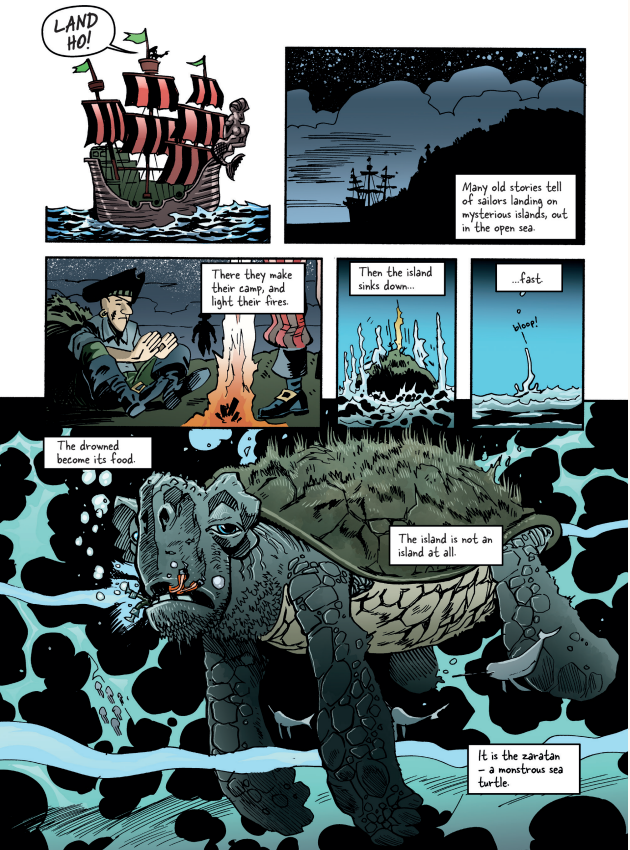
The article also touches on the zaratan, a term often conflated with the aspidochelone in more recent folklore studies. However, the text clarifies that the Kitāb al-Ḥayawān ("Book of Animals"), a medieval Arabic text, identifies a similar island-like creature as "saratan," the Arabic word for "crab." This suggests that the deceptive island-monster strategy might have been attributed to various gigantic sea creatures across different traditions, rather than being exclusive to a single species. The "sleeping monster" trope, where a creature is so vast it appears to be part of the landscape, is a powerful motif in fantasy and science fiction, speaking to humanity’s awe and fear of the colossal forces of nature. From the Kraken to the Leviathan, tales of immense, hidden dangers lurking beneath the surface of the world resonate deeply within the human psyche.
Unmasking Anteros: God of Reciprocal Love
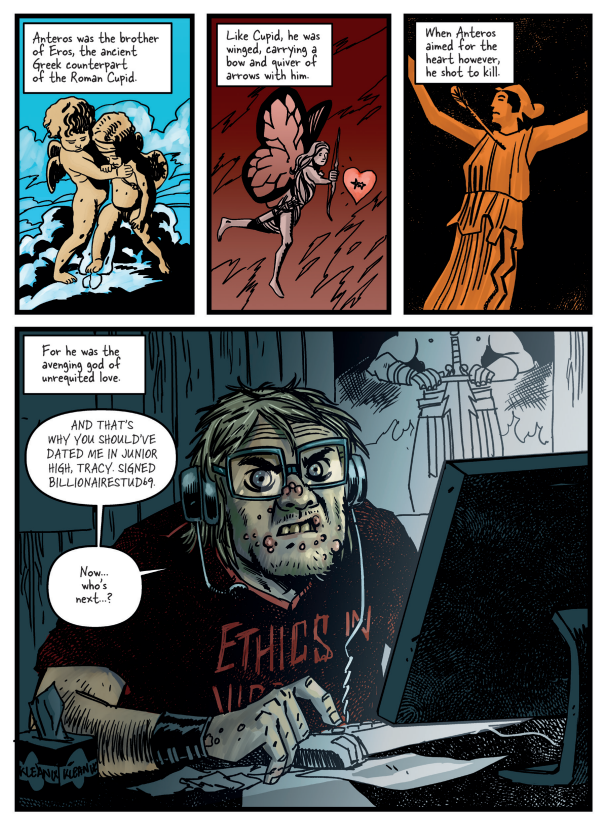
While his brother Eros (the Roman Cupid) is universally recognized, Anteros, the god of "love returned," remains significantly less known. The compendium shines a light on this fascinating figure, whose name literally translates to "love returned" or "counter-love."
Anteros’s origins are firmly rooted in Greek mythology. He is one of the Erotes, a group of winged gods who serve Aphrodite, the goddess of love, beauty, and pleasure, and Ares, the god of war. The Erotes each embody different facets of love: Hedylogos (sweet talk), Pothos (longing), Hymenaeus (weddings), Hermaphroditus (fertility), and Eros (love and sex). Anteros’s specific role was to punish those who scorned or failed to reciprocate the affections of others, embodying the concept of justice in matters of the heart.
The 1846 Manual of Classical Mythology by Thomas Swinburne Carr describes Anteros as "the Deity who avenges slighted love (Deus ultor)." He was often depicted contending with Eros, symbolizing the dynamic balance between giving and receiving love. Lore suggests that Eros’s power and wings grew stronger only in Anteros’s presence, implying that love flourishes best when it is reciprocated. Anteros was typically armed with arrows made of lead (symbolizing rejection or sorrow) or a club of solid gold (representing the weight of unrequited affection).
Perhaps the most striking example of Anteros’s cultural significance, and his frequent misidentification, is the famous statue atop the Shaftesbury Memorial Fountain in Piccadilly Circus, London. For decades, this iconic aluminum sculpture, unveiled in 1892, has been widely known as Eros. However, the figure actually represents Anteros, chosen to symbolize "love given blindly, or without expectation of return," a metaphor for the philanthropic endeavors of Lord Shaftesbury. This enduring misattribution highlights how myths can evolve and be reinterpreted, yet their symbolic power remains potent, even when the original deity’s name fades from popular consciousness.
The Haunting of Okiku: A Tale of Vengeance and Tragedy
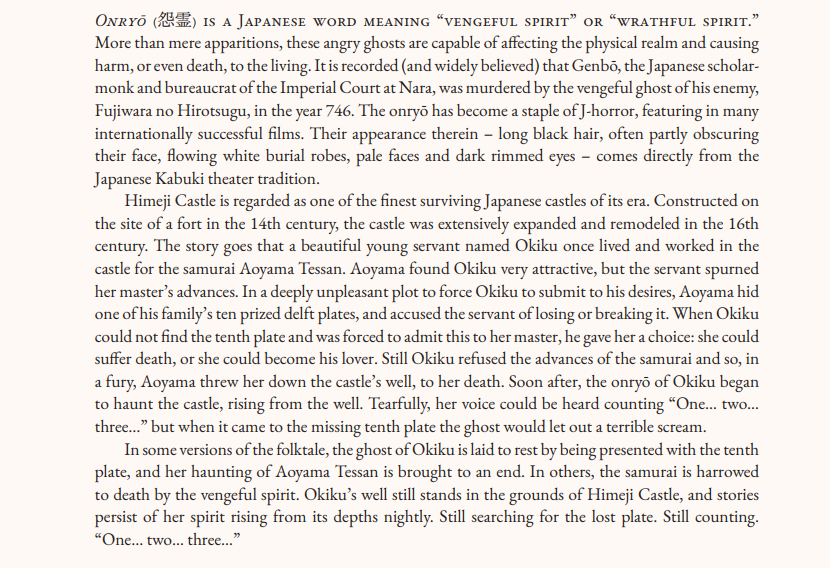
The tale of Okiku provides a chilling glimpse into Japanese folklore, particularly the phenomenon of the onryō (怨霊), or vengeful spirit. Unlike mere apparitions, onryō are powerful ghosts, often female victims of profound injustice, capable of influencing the physical world and inflicting harm or death upon the living. The earliest recorded onryō legend dates back to 746 CE, involving the vengeful ghost of Fujiwara no Hirotsugu, believed to have murdered the scholar-monk Genbō.

Okiku’s tragic story is intimately tied to Himeji Castle, one of Japan’s most magnificent and well-preserved feudal castles, built in the 14th century and extensively remodeled in the 16th. The legend recounts that Okiku, a beautiful young servant, worked for the samurai Aoyama Tessan. When she spurned his unwanted advances, Aoyama devised a cruel plot: he hid one of his family’s ten prized delft plates and accused Okiku of losing or breaking it. Faced with an impossible choice – death or becoming his lover – Okiku bravely refused. In a fit of rage, Aoyama murdered her, throwing her body down the castle well.
Soon after, Okiku’s onryō began to haunt the castle. Her tearful voice could be heard rising from the well each night, counting "One… two… three…" until she reached the missing tenth plate, at which point she would let out a terrifying scream. This repetitive, incomplete counting symbolizes her unresolved torment and relentless search for justice.
The image of the onryō – long black hair often obscuring a pale face, flowing white burial robes, and dark-rimmed eyes – has become a staple of J-horror, influencing internationally successful films like Ringu (The Ring) and Ju-on (The Grudge). These cinematic portrayals draw directly from the Japanese Kabuki theater tradition, where onryō characters wear similar costumes and makeup. Okiku’s well is said to still stand in the grounds of Himeji Castle, with stories persisting of her spirit rising nightly, forever searching for the lost plate and counting her eternal lament.
Broader Folklore Themes: Boudicca, Beowulf, Plantlore
Beyond these detailed examples, "Fascinating Folklore" expands its scope to encompass a wide array of other culturally significant narratives:
- Boudicca: The legendary queen of the Iceni tribe, who led a major uprising against the Roman Empire in Britain around 60-61 CE. Her story embodies fierce resistance, national pride, and the enduring power of a leader’s will against overwhelming odds, transforming her into a timeless symbol of Celtic defiance.
- Beowulf: The epic hero of Anglo-Saxon poetry, whose legendary exploits include slaying the monster Grendel, Grendel’s mother, and a dragon. Beowulf is a foundational text of English literature, exploring themes of heroism, fate, loyalty, and the struggle between good and evil.
- Plantlore: This fascinating field delves into the traditional knowledge, beliefs, and practices associated with plants across different cultures. "Fascinating Folklore" explores the mystical properties of plants like:
- Mandrake: Famous for its human-like root, believed to shriek when pulled from the earth, and associated with powerful magic, fertility, and even demonic ties.
- Willow: Often linked with melancholy, mourning, and healing, its branches used in various rituals and its bark possessing medicinal properties.
- Yedua: While less commonly known in Western folklore, its inclusion signifies the book’s commitment to showcasing diverse global traditions, inviting readers to discover lesser-explored botanical myths and their cultural significance.
Official Responses
Voices from the Creators
While direct quotes are not yet widely available, the essence of Reppion and Holden’s vision for "Fascinating Folklore" resonates throughout the promotional materials. One can infer their profound dedication to the project. Reppion, with his deep academic roots in folklore, would likely emphasize the meticulous research involved, expressing a desire to present these ancient tales with accuracy and respect, while simultaneously making them accessible and engaging for a contemporary audience. He might articulate the challenge and joy of uncovering the nuances of each legend and crafting essays that are both informative and captivating.
Holden, as the visual architect, would undoubtedly highlight the artistic freedom and responsibility of illustrating such diverse and powerful narratives. He might speak to the process of translating complex mythological imagery into dynamic comic panels, aiming to evoke the mood, drama, and wonder inherent in each story. The artists’ collective ambition was to create a compendium that is not only a source of knowledge but also a visually immersive experience, showcasing the enduring power of collaboration between text and art.
Publisher’s Perspective
Liminal 11, as the publishing house, views "Fascinating Folklore" as a flagship title that perfectly embodies their mission to produce beautiful, insightful, and thought-provoking books on esoteric and cultural subjects. A spokesperson for Liminal 11 might express immense pride in the compendium, noting its unique blend of scholarly rigor and artistic innovation. They would likely underscore the book’s appeal to a broad demographic, from seasoned folklore scholars to casual readers and comic book enthusiasts. The publisher’s goal is to not only entertain but also to educate, inspiring a deeper appreciation for the world’s diverse cultural heritage through a medium that is both timeless and cutting-edge. The anticipation for the book’s reception is high, with Liminal 11 confident in its potential to become a treasured resource for years to come.
Critical Acclaim and Audience Engagement
Early impressions and anticipated reviews suggest that "Fascinating Folklore" is poised to garner significant critical acclaim. Reviewers are expected to praise the seamless integration of essays and comics, hailing it as a masterclass in interdisciplinary storytelling. The book’s comprehensive scope, covering a wide array of global folklore, combined with the creators’ meticulous attention to detail, is likely to be a recurring point of commendation. Anticipated buzz within the folklore community, comic book circles, and general readership suggests a strong interest, particularly from those who appreciate both intellectual depth and visual artistry. The engagement sparked by the #FolkloreThursday hashtag is also likely to translate into a dedicated readership eager to own this definitive collection.
Implications
Resurgence of Folklore in Modern Media
"Fascinating Folklore" arrives at a time of burgeoning interest in mythology and folklore across popular culture. From the intricate mythologies woven into works by authors like Neil Gaiman to the pervasive presence of ancient legends in video games, television series, and films, there is a clear appetite for stories that connect us to our collective past. This compendium stands as a testament to this resurgence, demonstrating how age-old tales can be revitalized and presented in fresh, compelling ways for contemporary audiences. It capitalizes on and contributes to this cultural trend, offering a substantial and beautifully presented entry point for new enthusiasts and a rich resource for seasoned scholars.
The Power of Interdisciplinary Storytelling
The book’s most significant implication lies in its innovative use of interdisciplinary storytelling. By uniting scholarly essays with comic art, Reppion and Holden prove that complex subjects can be made more accessible, engaging, and emotionally resonant. This model could inspire future projects across various fields, from history and science to philosophy, showcasing how visual narratives can enhance understanding and retention. It underscores the idea that art is not merely an embellishment but an integral component of conveying complex information and evoking deeper meaning, particularly in subjects as rich and nuanced as folklore.
Preserving Cultural Heritage Through Art
In an increasingly globalized world, the preservation and understanding of diverse cultural heritage are paramount. "Fascinating Folklore" plays a crucial role in this by meticulously documenting and reinterpreting ancient tales for a new generation. By presenting these stories in a format that appeals to a broad audience, the book helps ensure that the wisdom, warnings, and wonders embedded in folklore continue to thrive. It acts as a bridge between past traditions and future understanding, reminding us of the universal human need to tell stories and make sense of our world through myth.
Educational and Entertainment Value
The compendium offers a rare combination of significant educational value and pure entertainment. Students, academics, and general readers alike will find it an invaluable resource for exploring world folklore. The clear, insightful essays provide factual context and historical background, while the dynamic comics bring the myths to vivid, unforgettable life. This dual functionality ensures that readers are not only informed but also deeply immersed and captivated by the narratives, making learning an enjoyable and stimulating experience. It is a testament to the idea that education does not have to be dry and that entertainment can be profoundly enriching.
The Future of #FolkloreThursday and Beyond
The success of "Fascinating Folklore" could significantly bolster the #FolkloreThursday movement, solidifying its role as a fertile ground for creative and scholarly exchange. The book serves as a powerful example of how a grassroots online community can catalyze the creation of high-quality, tangible cultural products. It may inspire further collaborations, expand the reach of folklore studies, and encourage more creators to explore the vast, untapped potential of ancient myths. Ultimately, "Fascinating Folklore" is more than a book; it is a vibrant testament to the enduring power of human imagination and the timeless appeal of stories that connect us all.