Literary Haven Established: Bob Byrne Unveils "Front Porch Pulp" from New Writer’s Bungalow
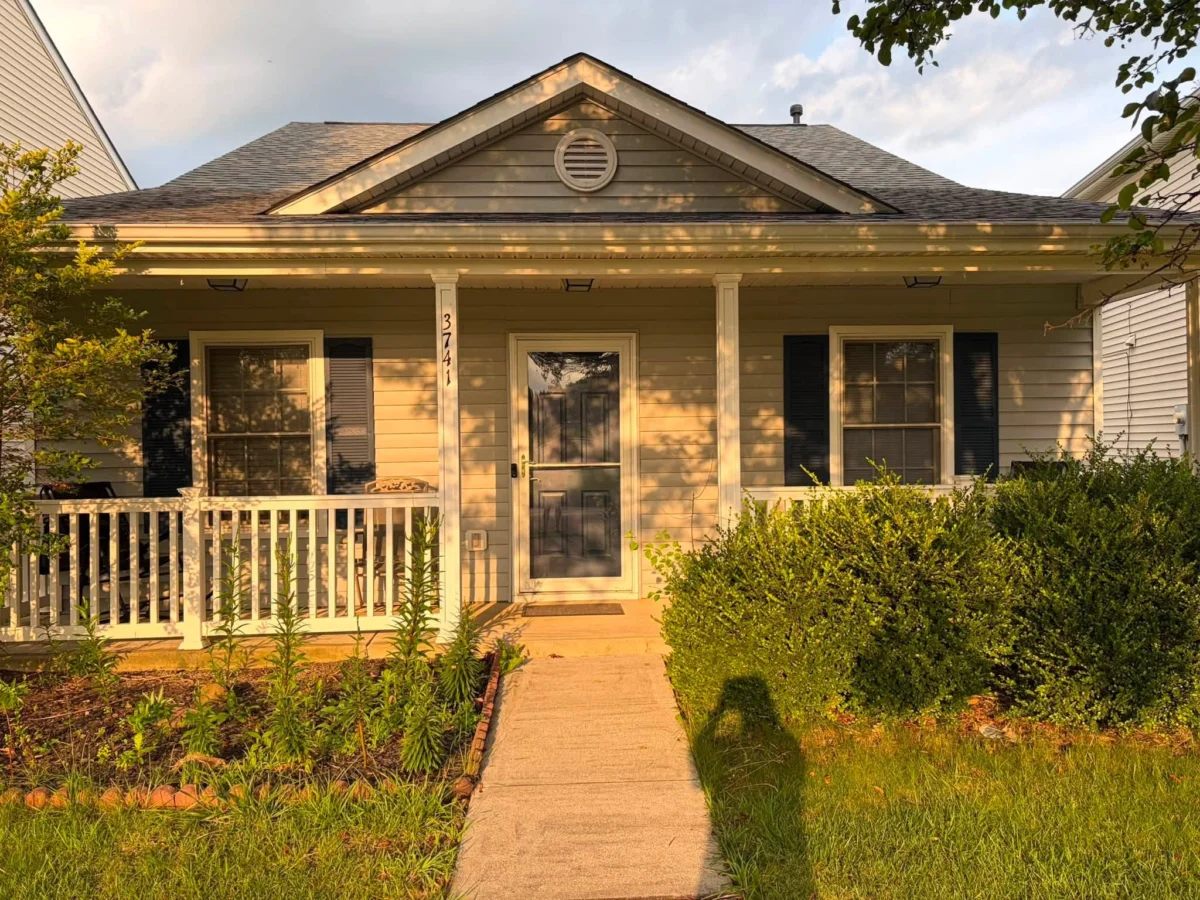
[City, State] – July XX, 2026 – Renowned literary critic and author Bob Byrne has embarked on a new chapter, officially relocating to a dedicated "writer’s bungalow" and launching the latest iteration of his popular pulp fiction review series, now aptly titled "Front Porch Pulp." This significant transition not only marks a personal milestone for Byrne but also promises fresh insights into the world of hardboiled mysteries, with the inaugural entry shining a spotlight on the often-overlooked works of Frank Kane and his tenacious private investigator, Johnny Liddell.
Byrne, a prolific contributor to Black Gate and a respected voice in genre fiction, has transformed a modest new residence into a sanctuary for literary exploration and creation. After an arduous relocation process, his extensive collection of over 2,000 physical books is once again providing the intellectual anchor that fuels his critical endeavors and personal writing projects. The "Front Porch Pulp" series, a natural evolution of his previous "Back Deck Pulp" and "Back Porch Pulp" features, is set to become a regular fixture, offering readers a curated journey through the rich landscape of classic crime fiction.
A New Literary Haven Takes Shape
The acquisition of his new home, which Byrne affectionately dubs his "writer’s bungalow," represents more than just a change of address; it signifies the establishment of a long-sought creative sanctuary. Nestled within this small house is a dedicated loft space, meticulously arranged to maximize its potential as a workspace. Here, a functional cafeteria table serves as his desk, surrounded by as many bookshelves as the space can accommodate, gradually filling with the carefully curated volumes that define his literary world. This new setup, Byrne reflects, is "truly my happy place," a testament to the profound connection between environment and creative output.
The Odyssey of a Bibliophile’s Collection
The journey to this new haven, however, was not without its considerable challenges. The relocation, spanning several weeks, involved the monumental task of moving over 2,000 physical books. Packed into an estimated 55 to 60 boxes, these literary treasures required a substantial number of trips to transport, a logistical feat undertaken personally by Byrne. The sheer scale of the undertaking, coupled with the inherent stresses of house hunting, closing, and professional commitments, created a period of intense pressure.
During the weeks when his collection remained largely boxed, Byrne experienced a profound sense of displacement. He describes feeling "oddly bereft" and "unanchored" without the familiar sight of his books gracing shelves, readily accessible for reference or comfort. This sentiment resonates deeply with many bibliophiles who understand the intrinsic connection between their identity and their library. For Byrne, who navigated a divorce and a move in the tumultuous year of 2020, this recent upheaval carried an unsettling echo, highlighting the importance of a stable, book-filled environment for his well-being and creative flow.
The process of settling in has been a gradual one, punctuated by essential domestic installations like a washer and dryer, the elusive search for a misplaced socket set, and an inconveniently timed out-of-town work trip. Despite these practical demands, the steady integration of his fiction and non-fiction collections into his new home has been a critical step towards re-establishing a sense of normalcy and contentment. The sight of shelves progressively filling with his cherished books has been instrumental in helping him feel "settled again," solidifying the bungalow’s role as both a home and a creative anchor.
The Evolution of Outdoor Pulp: From Deck to Porch
Byrne’s tradition of engaging with pulp fiction in an outdoor setting has been a beloved staple for his readers, evolving with each change in residence. The new writer’s bungalow not only offers an interior sanctuary but also introduces an exciting new outdoor space for his literary explorations.
"Back Deck Pulp" and "Back Porch Pulp": A Retrospective
Fans of Byrne’s "A (Black) Gat in the Hand" series and long-time followers on social media will recall the origins of this unique review format. His former house boasted a "terrific back deck," which served as the idyllic setting for the initial "Back Deck Pulp" entries. This series quickly garnered a following, inviting readers to join Byrne in his outdoor reading sessions, appreciating the rugged charm of classic crime stories against a backdrop of nature.
Following his move to an apartment, the series adapted to its new surroundings, transitioning to the "Back Porch Pulp." Though perhaps less frequent due to the nature of the space, the apartment’s "nice little concrete slab, facing a lot of trees," still provided a suitable, albeit more urbanized, outdoor nook for continuing the tradition. This adaptability underscores Byrne’s commitment to the format and his belief in the inherent pleasure of reading pulp fiction al fresco.
Inaugurating "Front Porch Pulp": A New Dawn
The latest iteration, "Front Porch Pulp," is poised to become the most prominent and cherished yet. The new bungalow features a charming, railed front porch, strategically oriented to face due east. This prime positioning allows Byrne to "catch the sunrise over an open field," promising breathtaking morning views that will undoubtedly inspire future posts. While the eastward exposure means the porch will receive a substantial amount of sun during the day, Byrne anticipates "shaving some shade" and is confident it will "absolutely make for nice reading sessions in the evenings." His palpable excitement about the prospect of "reading outside again" signals a renewed vigor for the series, promising a wealth of new insights and recommendations for his dedicated readership.
Spotlight on Frank Kane and Johnny Liddell
For the inaugural "Front Porch Pulp" post, Byrne introduces readers to Frank Kane, a name that might not be immediately familiar to contemporary audiences but holds significant weight in the annals of hardboiled detective fiction.
Rediscovering a Hardboiled Master
Frank Kane’s journey into the world of mystery writing began in 1944, at the age of 32, with his third story marking his first published work. From that point, Kane proved to be a remarkably prolific author, crafting approximately fifty short stories and contributing to over two dozen novels. His enduring creation, the hardboiled private investigator Johnny Liddell, became a recurring figure in his extensive bibliography. Tragically, Kane’s career was cut short when he died of a heart attack at the relatively young age of 56, still actively writing Liddell’s adventures.
Kane’s influence extended beyond print, reaching into other popular media of his era. He was a significant presence in radio, contributing scripts to programs such as "Casey, Crime Photographer," a testament to his versatility and mastery of the crime genre. His talents also translated to television, where he notably penned two dozen episodes for Darren McGavin’s iconic "Mike Hammer" series, further cementing his legacy in the tough-guy detective genre. Byrne’s choice to feature Kane highlights his ongoing commitment to unearthing and celebrating these foundational, yet sometimes forgotten, voices in pulp literature.
"Johnny Come Lately": An Initial Assessment
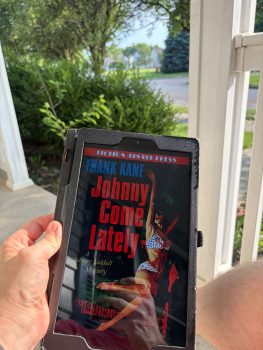
Byrne’s introduction to Johnny Liddell comes through "Johnny Come Lately," his first foray into Kane’s extensive series. His initial assessment paints Liddell as a quintessential hardboiled PI: an honest, straightforward character, though not without a sharp wit and a penchant for sarcasm. Liddell also possesses an undeniable eye for the ladies, with Byrne wryly noting that "a female client with curves seems to have a pretty good chance to secure his services."

Adding a touch of classic noir trope, Liddell’s office is efficiently managed by a no-nonsense secretary, who not only keeps the practice running smoothly but also "bullies him into doing the administrative stuff," all while remaining "immune to his flirting." This dynamic provides a charming, albeit traditional, counterpoint to Liddell’s tougher exterior. When push comes to shove, Liddell is unafraid to employ aggressive tactics, exhibiting "no problem giving someone the Mike Hammer treatment," particularly if they initiate hostilities.
Byrne expresses his intention to delve into a second Liddell book immediately after "Johnny Come Lately" to gain a more comprehensive understanding of the character. He draws a comparison between Liddell and William Campbell Gault’s "nice-guy PI, Brock Callahan," noting that while Liddell may not be "the same level of nice," he shares a similar "unspectacular vibe." Byrne views this quality not as a detraction but as a strength, appreciating the grounded realism it brings to the character. His positive initial impression suggests that Kane’s work "is gonna work for me," indicating a promising new discovery for both Byrne and his readership.
Accessibility of Pulp Fiction
A significant aspect of Byrne’s work is his dedication to making classic pulp fiction accessible to modern readers. He highlights the wealth of pulp ebooks available through platforms like Prologue Crime, many of which are also part of Kindle Unlimited. Furthermore, he points out that numerous ebooks from various publishers can be purchased for as little as 99 cents, making it incredibly easy for enthusiasts to explore authors like Kane without a substantial investment. This emphasis on accessibility underscores Byrne’s mission to ensure that the rich heritage of pulp fiction continues to find new audiences.
Author’s Reflections and Broader Implications
Byrne’s journey to his writer’s bungalow and the launch of "Front Porch Pulp" is more than a mere relocation; it’s a profound statement on the symbiotic relationship between a creative individual and their environment, and the enduring power of literature to anchor the human spirit.
The Anchoring Power of Literature
The emotional upheaval Byrne experienced when his books were boxed – feeling "bereft" and "unanchored" – vividly illustrates the deep, almost existential, connection he has with his collection. For many writers and avid readers, books are not just objects; they are repositories of knowledge, inspiration, and comfort, forming an integral part of their identity. The act of gradually filling his new bookshelves with his fiction and non-fiction collections is, for Byrne, a fundamental process of re-establishing his sense of self and place. This demonstrates the critical role that a dedicated and personalized space, particularly one brimming with literature, plays in fostering mental and creative stability. It is a powerful affirmation that in an increasingly digital and transient world, the physical presence of books remains a vital source of rootedness.
Cultivating Creativity in a New Environment
The establishment of a true "writer’s room" within his bungalow is poised to have significant implications for Byrne’s own literary output. The intentional design of this space, from the functional desk to the overflowing bookshelves, is a deliberate act of cultivating an environment conducive to deep work and creative flow. This dedicated sanctuary is expected to serve as a powerful catalyst, enabling Byrne to make "some progress on completing some more stories."
He specifically mentions a desire to finish more Sherlock Holmes stories, a genre he has contributed to extensively, and notes a newfound "hardboiled" feeling, hinting at potential new directions or influences in his writing, perhaps inspired by his immersion in Frank Kane’s world. This synergy between reviewing classic pulp and fueling his own creative endeavors highlights the reciprocal nature of literary engagement: the act of critical analysis often inspires new artistic creation.

The Enduring Legacy of Pulp
Byrne’s consistent efforts through "A (Black) Gat in the Hand" and its various outdoor iterations serve a crucial role in preserving and promoting classic pulp authors like Frank Kane. In an era where many foundational genre writers risk fading into obscurity, Byrne acts as a dedicated literary archaeologist, unearthing forgotten gems and reintroducing them to a contemporary audience. His platform on Black Gate is invaluable for this work, offering a space for nuanced discussions and thoughtful reviews that extend beyond mere plot summaries.
His deep dives into the lives and works of these authors contribute significantly to the broader understanding of genre fiction’s history and evolution. By championing figures such as Kane, Byrne not only entertains but also educates, reminding readers of the rich, diverse tapestry of storytelling that shaped modern crime and adventure narratives. The continuation of "Front Porch Pulp" ensures that this vital work of literary rediscovery will persist, enriching the collective memory of the genre.
Conclusion
Bob Byrne’s transition to his writer’s bungalow and the inauguration of "Front Porch Pulp" mark an exciting new chapter for both the author and his dedicated readership. The meticulous creation of a personal literary sanctuary, combined with his enduring passion for hardboiled fiction, sets the stage for a period of heightened creative output and insightful critical engagement. As "Front Porch Pulp" makes its anticipated summer and fall appearances, readers can look forward to more deep dives into the gritty, compelling world of classic crime literature, guided by Byrne’s expert hand. His journey underscores the profound human need for a physical and intellectual home, a place where stories are not just consumed but truly lived and created.
Bob Byrne: A Distinguished Literary Voice
Bob Byrne is a highly respected figure in literary circles, particularly within the realms of pulp, hardboiled, and Sherlockian fiction. His influential column, "A (Black) Gat in the Hand," debuted on Black Gate in 2018 and has since become a cherished annual feature. Prior to this, his "The Public Life of Sherlock Holmes" column ran weekly on Black Gate from 2014 to 2017, showcasing his profound expertise in Conan Doyle’s iconic detective. He also irregularly contributes to "Nero Wolfe’s Brownstone," exploring Rex Stout’s formidable sleuth.
Byrne is a distinguished member of the Praed Street Irregulars and the founder of www.SolarPons.com, the sole website dedicated to August Derleth’s "Sherlock Holmes of Praed Street." His organizational prowess is evident in Black Gate’s award-nominated "Discovering Robert E. Howard" series, and the critically acclaimed "Hither Came Conan" series, now considered a definitive guide to the barbarian hero. In 2023, he also organized "Talking Tolkien."
His creative contributions extend to fiction, with stories appearing in multiple volumes of The MX Book of New Sherlock Holmes Stories. As an essayist and critic, Byrne has penned introductions for Steeger Books and contributed to prestigious magazines such as Black Mask, Sherlock Holmes Mystery Magazine, The Strand Magazine, and Sherlock Magazine. His dynamic presence also reaches auditory audiences through Jason Waltz’s "24? in 42’ podcast," where his insights are widely appreciated.