Publishing World Buzzes with Editorial Changes, Blockbuster Deals, and Diverse Narratives
The publishing industry is currently experiencing a vibrant period marked by significant editorial transitions at leading genre magazines, a flurry of multi-book acquisitions, and a high-profile film rights deal that underscores the increasing synergy between literature and screen. This dynamic landscape reflects a robust market for speculative fiction, horror, and diverse new voices, signaling a confident outlook for authors and readers alike.
Main Facts: Leadership Shifts and a Cascade of New Titles
A notable change is underway at the helm of two acclaimed genre publications: Wendy N. Wagner is stepping down as editor-in-chief of Nightmare Magazine and senior editor of Lightspeed. Her departure, effective with the January 2027 issue of Nightmare, is driven by a desire to dedicate more time to her personal writing endeavors. In a move that signals both continuity and fresh perspective, founding editor John Joseph Adams will resume the editor-in-chief role at Nightmare, while associate publisher Christie Yant will ascend to senior editor at Lightspeed.
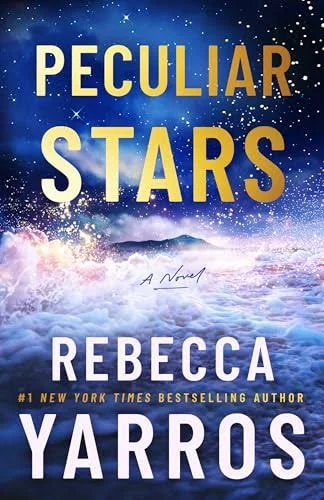
Beyond these editorial shifts, the industry is witnessing a torrent of book deals across various genres, with a particular emphasis on fantasy, romantasy, horror, and innovative speculative fiction. Publishers are investing heavily in both established authors and a promising wave of debut talent, often securing multi-book contracts and engaging in competitive auctions. A significant highlight from this period is the pre-empt acquisition by Apple TV of film rights to Rebecca Yarros’s forthcoming novel, Peculiar Stars, slated for series development, with Yarros herself serving as an executive producer. This deal exemplifies the growing trend of literary properties being eyed for adaptation even before their print release.

Editorial Leadership Transitions and Strategic Moves
A New Chapter at Nightmare and Lightspeed
The announcement of Wendy N. Wagner’s departure from her dual editorial roles at Nightmare Magazine and Lightspeed marks the end of a significant chapter for both publications. Wagner has been a pivotal figure in shaping the editorial vision and maintaining the high literary standards that have earned these magazines critical acclaim within the science fiction, fantasy, and horror communities. Her decision to transition away from these demanding positions "to focus on her own writing" is a testament to the creative drive inherent in many literary professionals, often necessitating a shift in focus to nurture their own artistic output. This move is not uncommon for editors who are also accomplished writers, as the intensive work of curating and editing can sometimes limit the time available for personal creative projects.
The return of John Joseph Adams to the editor-in-chief position at Nightmare Magazine is a strategic move that ensures continuity and leverages the institutional memory of its founding editor. Adams is a highly respected figure in speculative fiction, known for his extensive anthology work and his initial vision for Nightmare. His re-engagement promises a steady hand and a return to the magazine’s foundational principles as it moves forward. Simultaneously, the promotion of Christie Yant to senior editor at Lightspeed underscores the value of internal talent and experience. Yant, previously an associate publisher, has undoubtedly played a crucial role behind the scenes, and her elevation signifies a recognition of her editorial acumen and her capacity to further Lightspeed’s mission of publishing diverse and cutting-edge speculative fiction. These leadership changes, while marking a transition, appear to be carefully orchestrated to maintain the publications’ standing and evolve their editorial directions.
A Flourishing Landscape: Notable Book Acquisitions
The sheer volume and diversity of book deals reported paint a vivid picture of a dynamic and expanding publishing market, particularly within genre fiction. Multi-book deals and competitive auctions highlight publisher confidence in both established and emerging voices.

Multi-Book Deals and Established Voices
The commitment shown by major imprints to multi-book series is a strong indicator of market health. C. Rhoad Ellis secured a three-book deal with Anne Groell at Del Rey for The Poison Vein, the first in the "Saga of Ruined Saints" trilogy, with UK rights swiftly acquired by Delayna Spencer. Similarly, Grace D. Li sold You Bring Death to Our Shores, an ambitious epic spanning two timelines—the Trojan War and the Greek afterlife—plus an additional book to Tor, with UK rights going to Daphne Press. These deals signal a strong appetite for expansive, high-concept fantasy narratives.
Other notable acquisitions include Rebecca Templeton’s Lochbound, a reimagining of The Little Mermaid set in 18th-century Scotland, which found a home at Pegasus, showcasing the enduring appeal of classic retellings infused with historical flair. Charlotte Idyllwild’s historical fantasy The Bottom of the Library and another book were acquired by Nate Lanman at Del Rey, further cementing the publisher’s investment in historical fantasy, with UK rights also secured by Del Rey UK. Miles Lyon inked a three-book deal for his trilogy opener, The Price of Fear, with Joe Monti at Saga Press, while Catelyn Wilson sold two dark fantasies to Rebecca Hilsdon at Michael Joseph, signaling a sustained interest in complex, immersive worlds.
Genre-Bending and Speculative Fiction Highlights
The market continues to reward innovative storytelling that blurs genre lines. Ricardo Menéndez Salmón’s Ark, described as blending noir, speculative fiction, and metaphysical mystery, was acquired by Brian Etling at Knopf, appealing to readers seeking intellectually stimulating narratives. Justin Sloan’s "military progression fantasy" Yokai Protocol went to Blackstone Publishing, tapping into a popular subgenre. L.K. Stevens garnered an auction win for The Kindling, pitched as "Fahrenheit 451 for the ChatGPT generation," demonstrating a keen interest in contemporary dystopian themes, with UK rights going to Voyager UK.

The list also includes Jason Kasper’s post-apocalyptic thriller series, The Vesper Hour, acquired by Andrew Watts at Severn River, and Helen Knott’s The Dreams We Remember plus another title, secured by Harper Canada in an auction. P.C. Verrone’s The Blond stands out as a "genre-bending historical thriller following queer communities from the 18th century and into the 22nd," acquired by Elizabeth Pankova at Catapult, highlighting the growing demand for diverse historical narratives. Literary works also found homes, such as Alberto Laiseca’s Los Sorias, translated by Max Lawton and "pitched as the Latin American Gravity’s Rainbow," which sold to Deep Vellum. M. John Harrison’s post-apocalyptic adventure The End of Everything, set in a "drowned world where government barely functions and entire continents have been mislaid," was acquired by Parisa Ebrahimi at Riverhead, with UK rights to Serpent’s Tail, showcasing a continued appreciation for literary SFF.
Further demonstrating genre versatility, Jennifer Diarenzo’s An Act of Flesh and Fins, featuring a scorned marine biologist becoming queen of a hidden mermaid kingdom, found a home at Red Adept. Jessica Widner’s ghost story In Residence, set in Edinburgh, went to Mariner in an auction, securing significant international rights. Kevin Mack’s Glide Ratio, an alternate history set in a 1937 Jim Crow South where Florida is an independent nation, was sold to Shadow Dragon Press, appealing to readers of historical fiction with a twist. Ofelia J. Vazquez’s fantasy Grave of Petals, "loosely inspired by the Mexican Revolution," sold to Bindery Books, underscoring the appeal of culturally rich fantasy.
Romantasy and Fantasy Dominance
The "romantasy" subgenre continues its meteoric rise, commanding significant attention and high-figure deals. Seren Rose’s "siren-pirate romantasy" The Song of Salt and Shadow and another title fetched a six-figure sum at auction from Simon Maverick. Similarly, Pixie Rella’s Blackheart, the first in a romantasy trilogy about a seamstress and a condemned prisoner, also secured a six-figure deal from Blackstone Publishing, with UK rights going to Michael Joseph. These acquisitions confirm romantasy as a powerful commercial force in contemporary publishing.

Other fantasy and romantasy deals include Jack Sherwin (writing as JKSMANGA) with Return of the Legendary Dragon and two more books to Aethon & Vault, and a separate deal with L.E. Graves for The First Vampire Punisher and two more. Brooke Abrams’s Annie Torres Checks In, pitched as "Jane the Virgin meets Practical Magic," went to Lake Union Publishing. Elizabeth Helen’s Her Dark Empire, the first in a trilogy set in a "world ravaged by storms and divided by magic," and two more titles sold to Bloom Books. Jessie Sylva’s My Big Fat Halfling Wedding was acquired by Orbit in both the US and UK, while Ry Herman’s This Fairy Stabs Everyone, based on the Finnish epic poem Kalevala, went to Dial Press, showcasing diverse mythological inspirations. Finnegan March’s "dark sapphic fantasy" What Crawls from the Forest found a home at Alcove Press, reflecting the growing demand for queer fantasy. Max Walker’s Dating & Dragons also went to Alcove Press, catering to the burgeoning "cozy fantasy" trend. Samantha Devereaux secured a three-book deal for her "Gifted Legacy" fantasy romance series with Macmillan.
The Ascendance of Horror
Horror fiction continues to thrive, with a broad spectrum of subgenres finding publishers. E.A. Noble’s "sapphic dark fantasy" Blessed Be the Fall, featuring an immortal mermaid and a priestess, went to Quill & Crow, a publisher that appears to be a significant player in the horror space, acquiring multiple titles. This includes Hayley Reese Chow’s House of the Chosen (dark fantasy with romance), Wendy Dalrymple’s Liquid Gold (a young mother trapped in a cult of lactation specialists), Mathew L Reyes’s Its Hour Come Round at Last, Sandra Becerril’s The Unspeakable, Stephanie Sanders-Jacob’s Nothing Gentle Walks Here, Dane Erbach’s Skitters, and Holly Hammond’s Doll Eyes. This concentration of acquisitions by Quill & Crow signals a dedicated focus on diverse and often unsettling horror narratives.
Other notable horror deals include Christa Carmen’s Threshing Rock, a unique premise involving a pregnant doomsday prepper and a ritual, acquired by Union Square & Co in an auction. Rebecca Mahoney’s Otherling, pitched for fans of Jordan Peele’s Us and Severance, sold to Hyperion Avenue, tapping into contemporary psychological thrillers. Carlie St. George’s We Were Meant to Rot, a poignant yet dark story of a distraught mother and her dead daughter, went to Poisoned Pen Press in an auction. V. Castro’s "erotic horror Latinx novel" Jaguar Nights sold to Clash, while Erik Hanson’s Wake the Mariner reimagines the Titanic wreck freeing an ancient vampire, finding a home at Winding Road Stories. Robin Becker’s "Southern gothic horror" Dear Connie sold to Cemetery Dance. Shannon Ives’s We Have Ruined Each Other with Our Love, pitched as "Lovecraft meets Little House on the Prairie," went to Page Street Horror, and Aries Amian’s Boycraft, a "Filipino folkloric retelling of Frankenstein through the hands of a trans girl," also sold to Page Street Horror, showcasing culturally specific and queer horror. The legendary Ramsey Campbell sold Embrace the Dark to Flame Tree Press, and Emily Shiner’s My Summer Camp Slasher went to William Morrow, affirming the continued appeal of classic horror tropes.

Youthful Voices: Young Adult and Children’s
The YA market remains robust, embracing diverse genres and themes. Amber Hamilton’s "dark academia romantasy Little Mermaid retelling" Three Wicked Lies sold to Bloomsbury Children’s. Lindsay Ribar’s We Brought Her Back, a story of resurrection and a hitchhiking demon, went to Avon A. Hailie Kei’s Tokyo Shadow Games, about teens competing in a parallel Tokyo, sold to Page Street Kids, as did Anna Mercier’s YA fantasy romance Scatter the Night. Brandie June’s "dark gothic Slavic fairy tale" Ruler of the Dead City and an untitled standalone were pre-empted by Page Street Kids, indicating strong editorial interest. Adwitiya Chowdhury’s debut romantasy We Burn by Starlight, "inspired by Indian mythology," also went to Page Street Kids, further diversifying the YA fantasy landscape.
Spotlight on Debut Authors
A